


Primary sourceBookJanuary 1850
The Great Stone Face
Nathaniel Hawthorne · January 1850
A moral tale about a valley boy who hopes to see a hero in a rock formation shaped like a face. It was first published in 1850 and became a long-lived school favorite.
Hawthorne wrote this tale while working at the Salem custom house, and it is widely read as a satire of political figures like Daniel Webster.
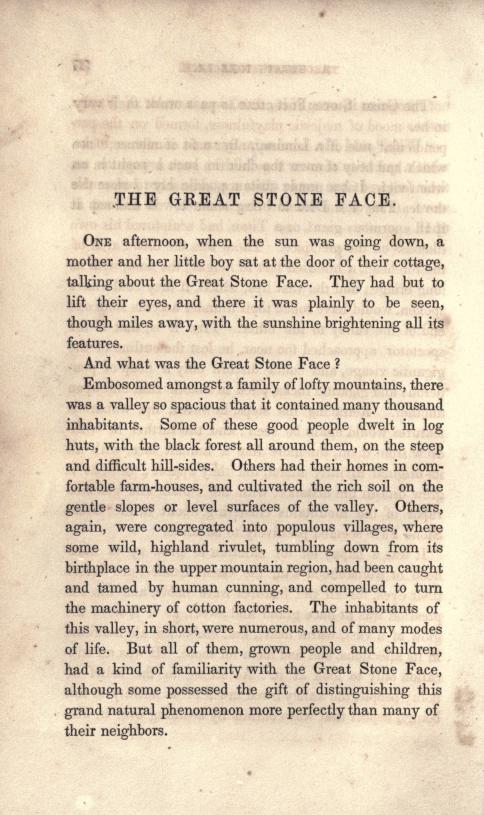
About this source
What it is
"The Great Stone Face" is a short story published by Nathaniel Hawthorne on January 24, 1850, in The National Era. It was later collected in The Snow-Image, and Other Twice-Told Tales, published by Ticknor, Reed and Fields in 1852. The story is set in a valley where a rock formation looks like a human face. A boy named Ernest hopes that the prophesied hero will appear. The image shown here is a scanned page from the 1852 book.
Why it matters
Hawthorne likely wrote the story while working at the Salem custom house. A park manager in 2013 said the story helped popularize the real rock formation, the Old Man of the Mountain. The face of the statesman Daniel Webster was often compared with that rock. Hawthorne had Webster and his recent bid for the Presidency in mind, though Webster is not named and is called "Old Stony Phiz". The story reflects the politics and public hopes of its time.
Look closer
- Four would-be heroes are tested in the story. What flaws does Hawthorne give each, and what might he be saying about public figures?
- Why do you think Ernest is the one who recognizes the truth about the face?
- The story was long used in school readers. What lessons might a teacher of that time have wanted students to learn from it?
This book is part of the curated material that grounds the AI version of Nathaniel Hawthorne on Humy.ai — when students ask about related events, the AI can quote it and cite it.
More Nathaniel Hawthorne sources
Meet the AI Nathaniel Hawthorne →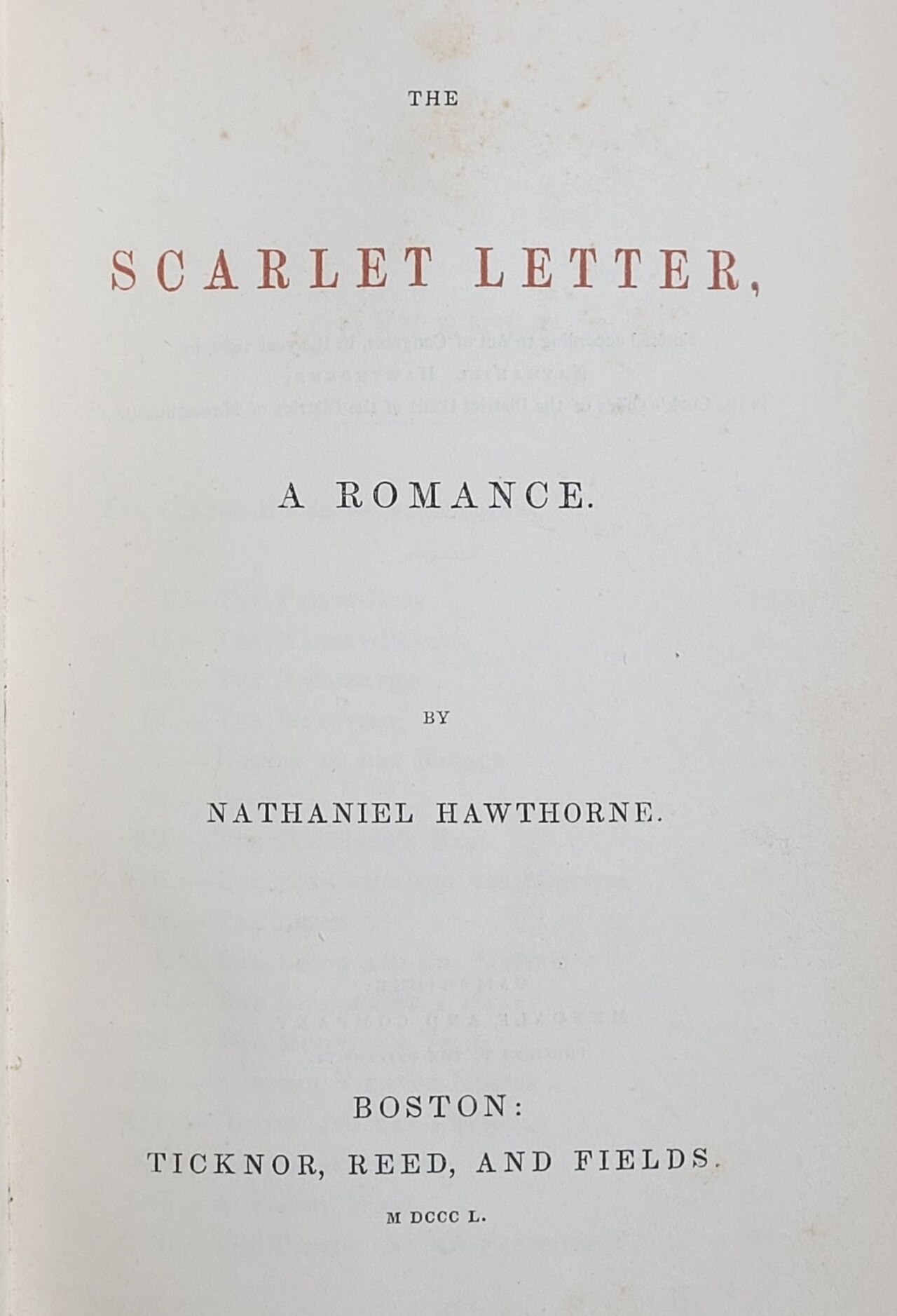 Book
Primary source
The Scarlet Letter
Nathaniel Hawthorne · 1850
 Book
Primary source
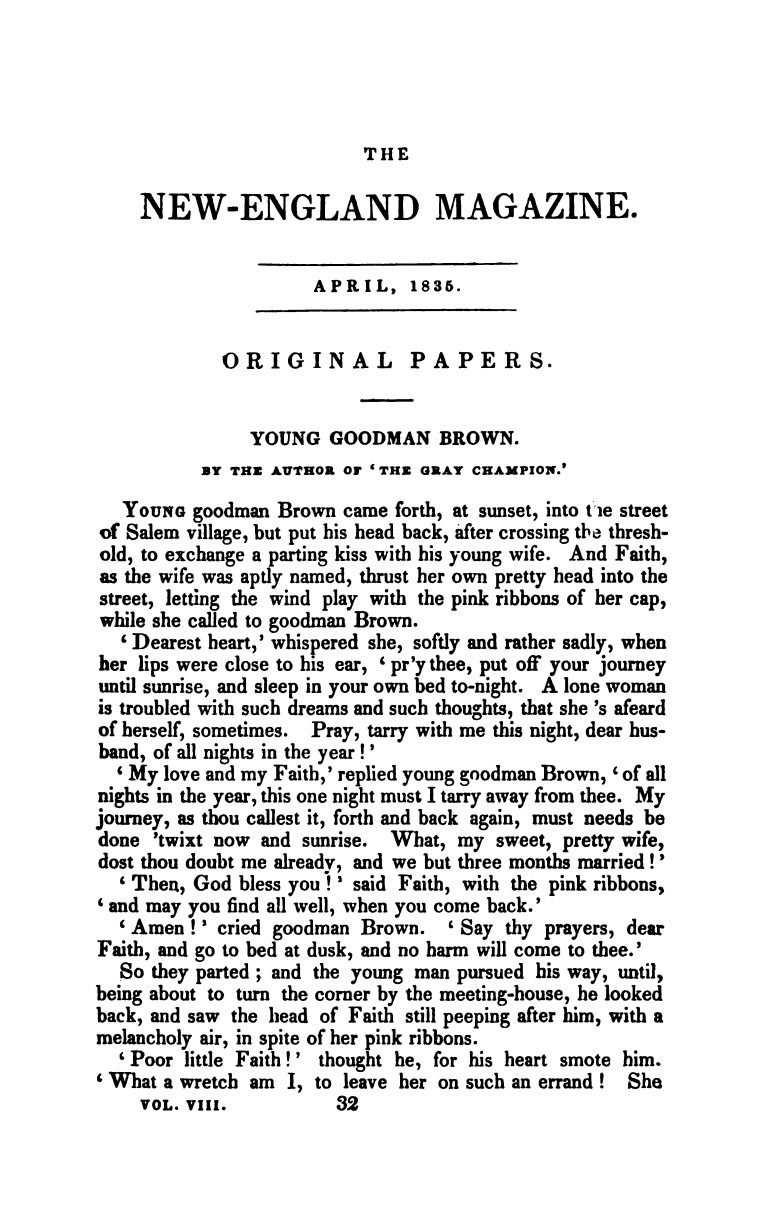
Young Goodman Brown
Nathaniel Hawthorne · 1835
 Book
Primary source
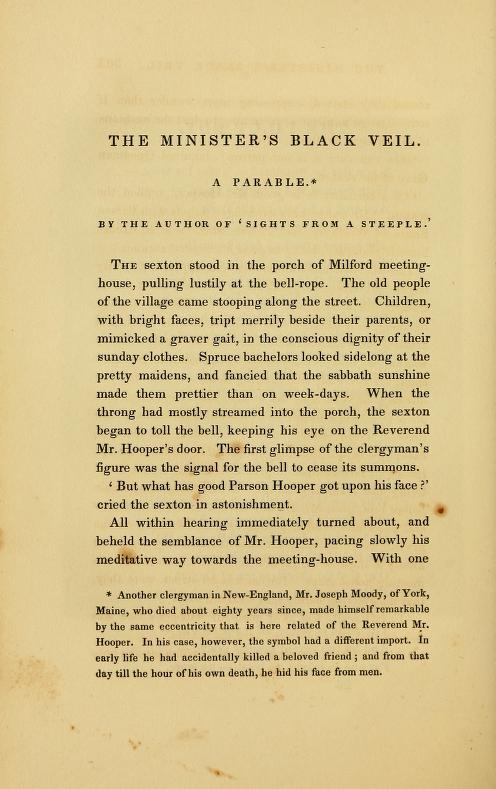
The Minister's Black Veil
Nathaniel Hawthorne · 1836
 Book
Primary source
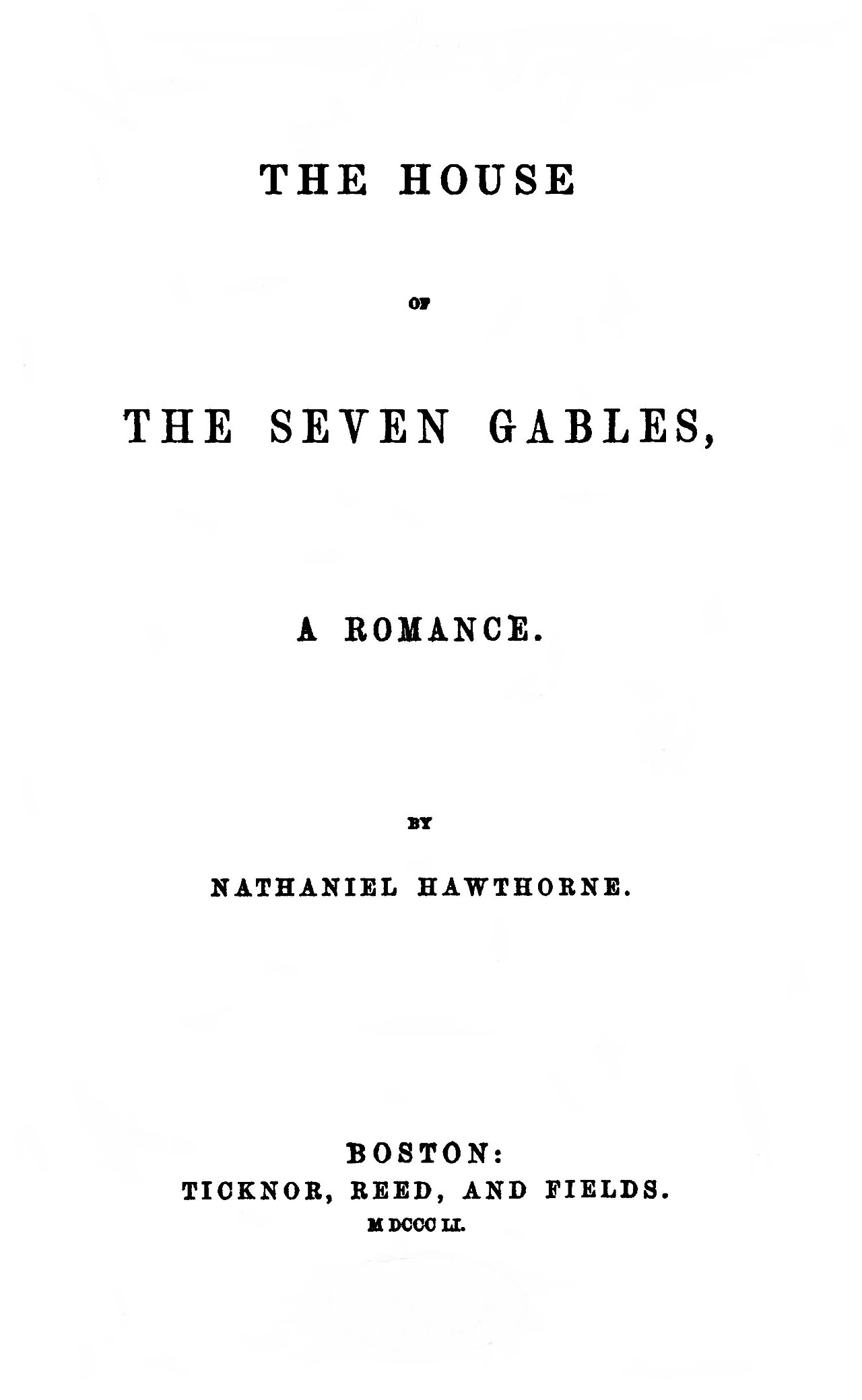
The House of the Seven Gables
Nathaniel Hawthorne · 1851
 Photograph
Primary source
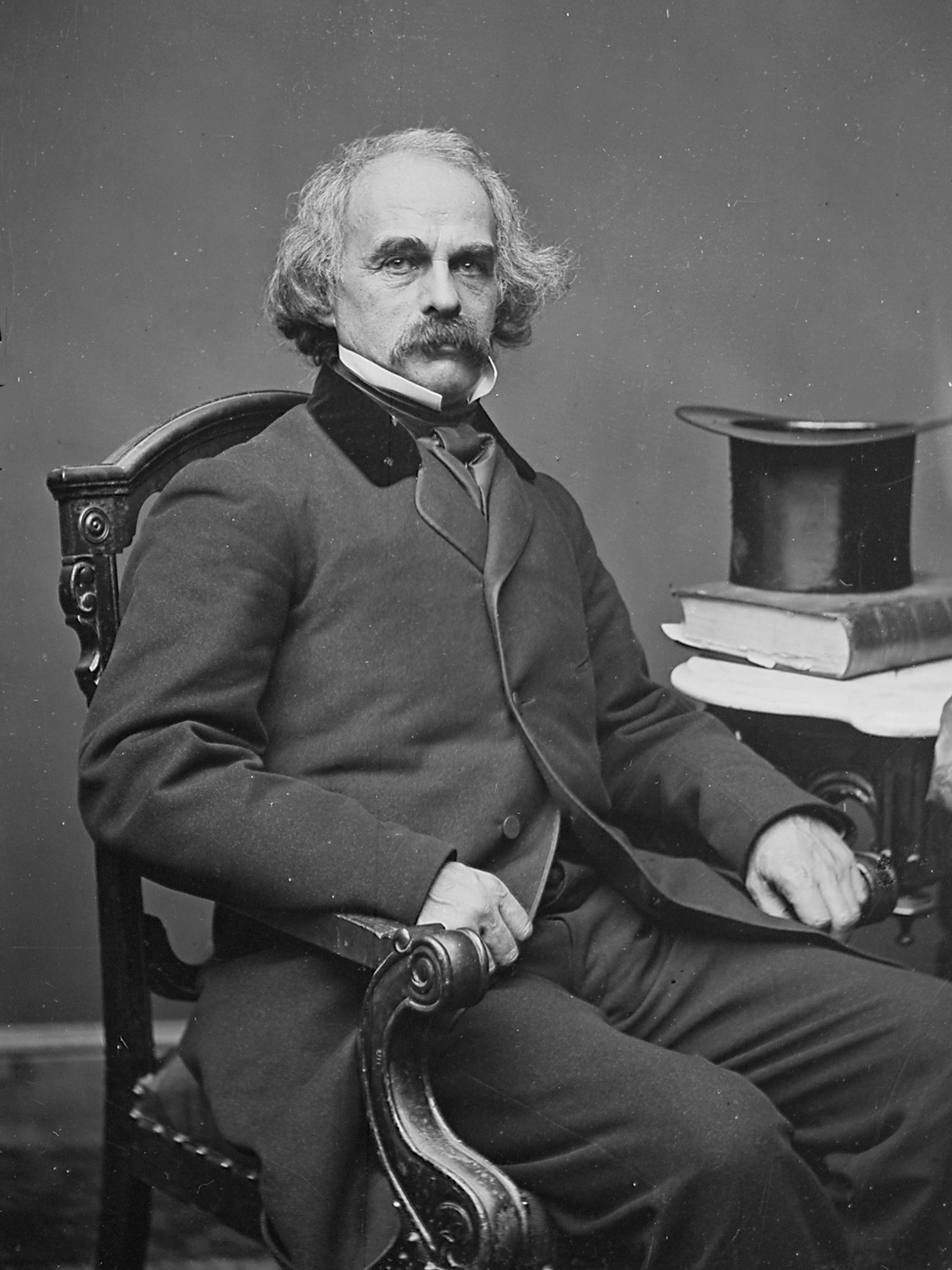
Portrait of Nathaniel Hawthorne
Ready when you are
Start chatting with Nathaniel Hawthorne now.
20 messages free · No credit card · Available in 50+ languages.