


Secondary sourceArtifact23 July 1935
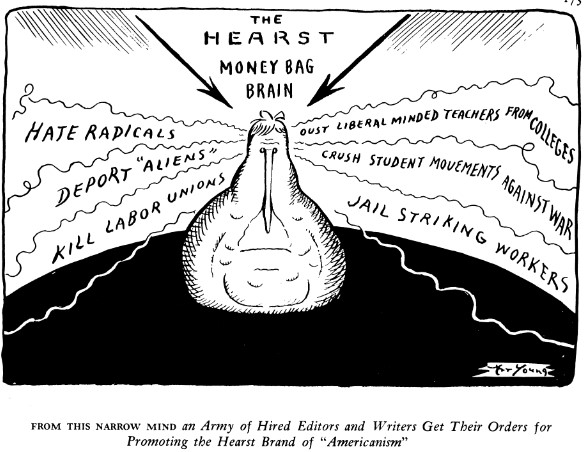
The Hearst Money Bag Brain
Art Young · 23 July 1935
A 1935 political cartoon by Art Young that portrays Hearst as a money bag directing attacks on radicals, labor unions and student movements. It appeared in the magazine New Masses.
Shows how a 1930s critic on the left portrayed Hearst as a rich backer of attacks on labor, radicals and students.
About this source
What it is
This is a 1935 political cartoon by Art Young, published in the magazine New Masses on 23 July 1935. It shows a large money bag shaped like a head sitting on a dark mound. Two arrows point down toward it, and wavy lines carry phrases such as 'Hate Radicals', 'Deport Aliens', 'Kill Labor Unions' and 'Jail striking workers'. A caption refers to hired editors and writers promoting the Hearst brand of Americanism.
Why it matters
The cartoon is an attack by a left-wing magazine on William Randolph Hearst, whose newspapers reached a large American audience in the 1930s. It shows how his critics pictured his influence: as money used to shape public opinion against workers, radicals and students. It is a useful view of his later critics rather than a neutral account of his views.
Look closer
- What objects and words does the artist place around the money bag, and what do they suggest about who the cartoon blames?
- Why might a magazine like New Masses choose a money bag as the symbol of a newspaper publisher?
- What does the cartoon leave out, such as the views Hearst himself expressed in his papers?
This artifact is part of the curated material that grounds the AI version of William Randolph Hearst on Humy.ai — when students ask about related events, the AI can quote it and cite it.
More William Randolph Hearst sources
Browse all 93 →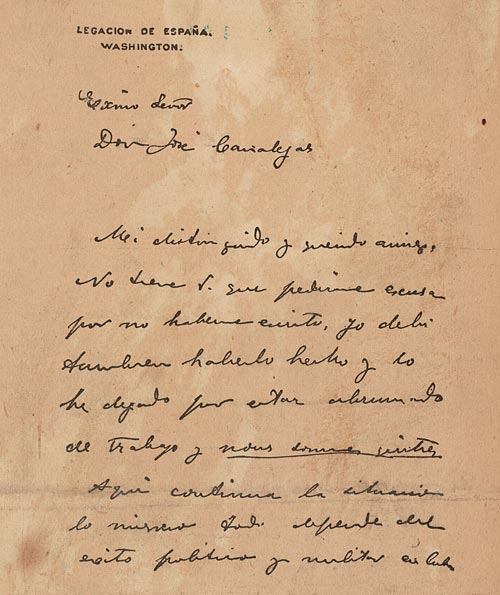 Letter
Primary source
De Lôme Letter
Enrique Dupuy de Lôme · 9 February 1898
 Painting
Primary source
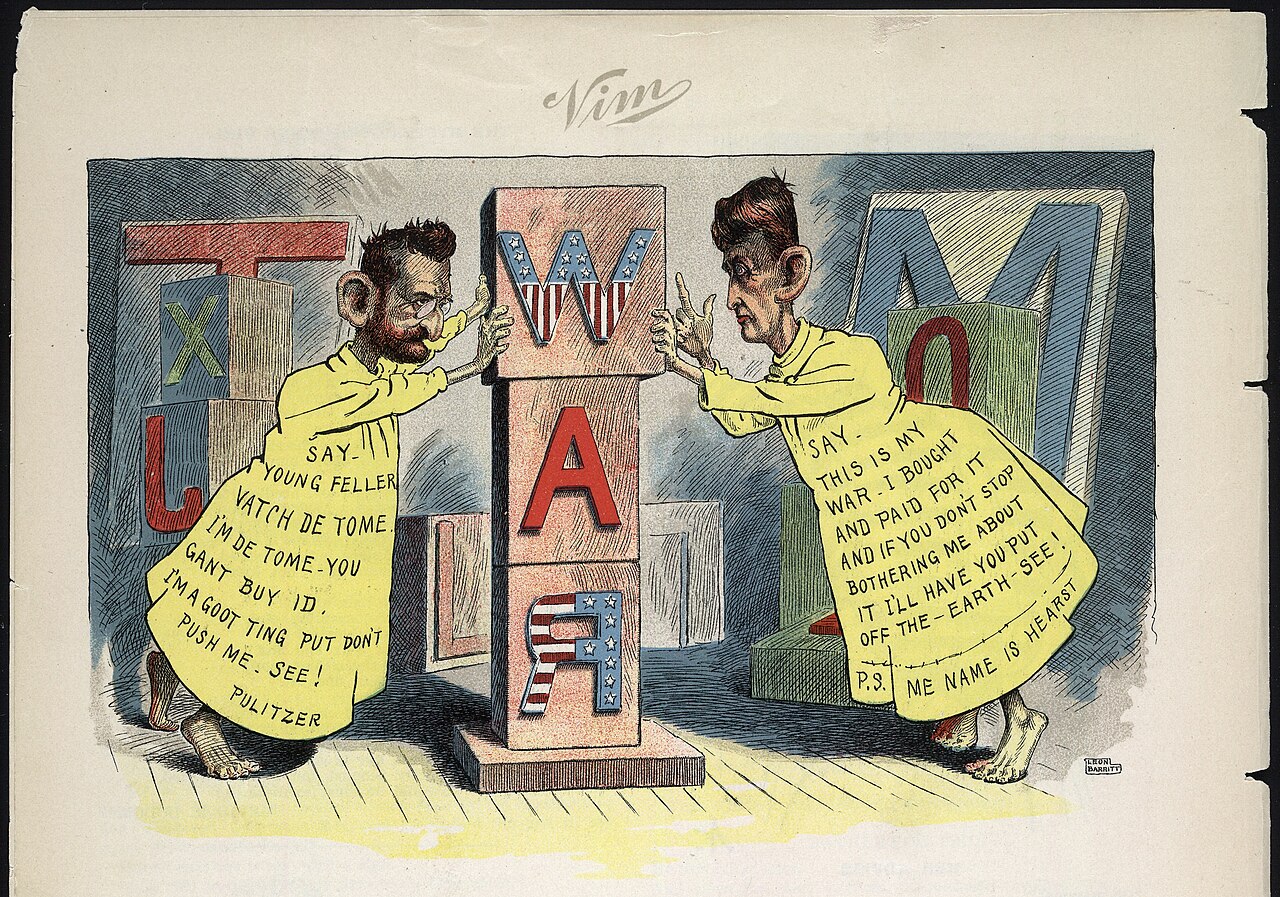
The Big Type War of the Yellow Kids
Leon Barritt · 1898
 Artifact
Primary source
Hearst Castle
Julia Morgan · 1919-1947
 Photograph
Primary source
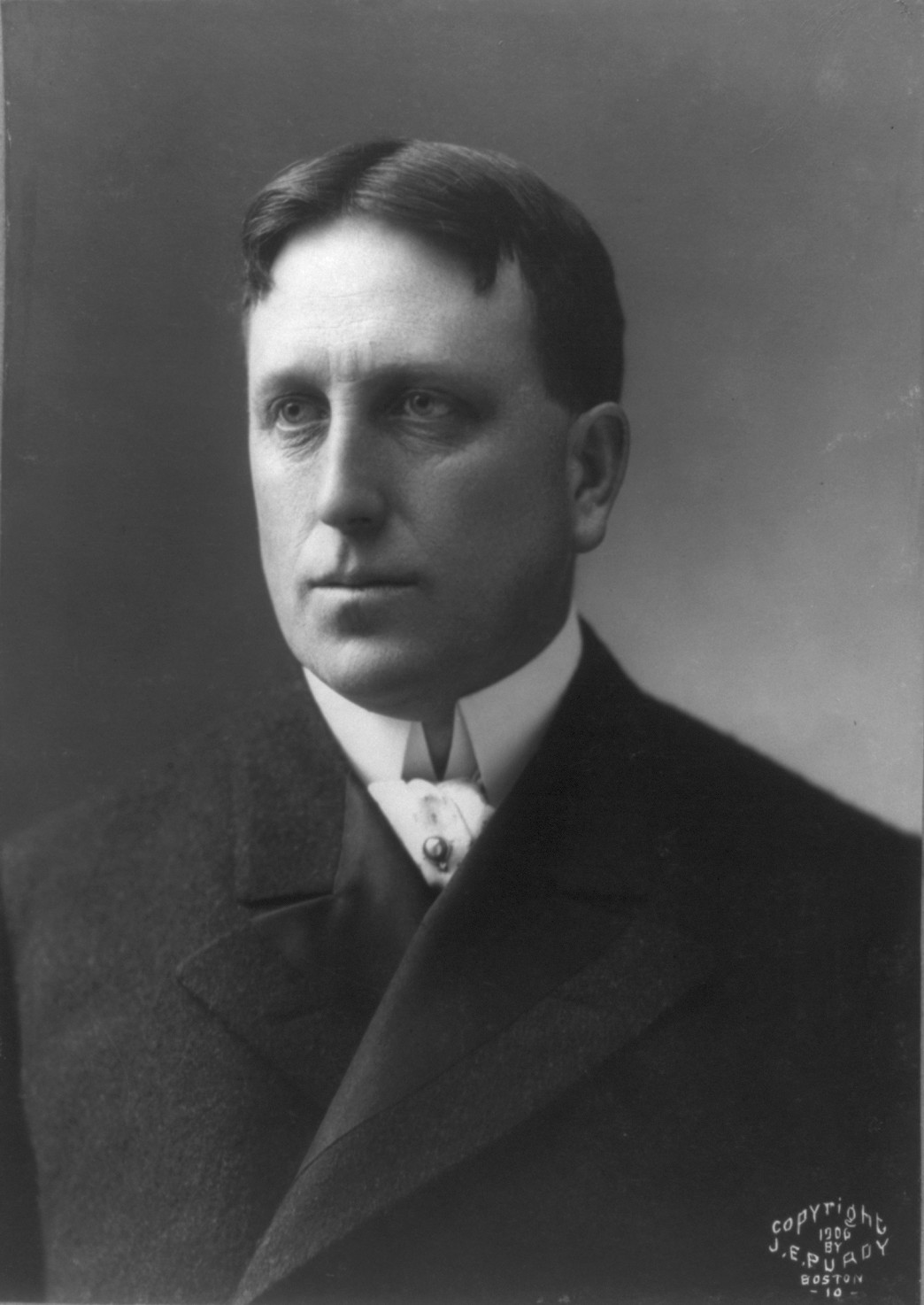
Portrait of William Randolph Hearst
James E. Purdy · 1906
Free account
Read every William Randolph Hearst source
Sign up free →
Ready when you are
Start chatting with William Randolph Hearst now.
20 messages free · No credit card · Available in 50+ languages.