


Primary sourceBook1925
The Heart of a Dog
Mikhail Bulgakov · 1925
A 1925 satirical novella by Mikhail Bulgakov about a dog transformed into a man, mocking the Soviet project to remake humanity.
Bulgakov wrote this satirical novella, which the secret police confiscated for its criticism of Soviet ideology.
Free Humy account · No credit card · 120,912 sources to read
About this source
What it is
A novella written by Mikhail Bulgakov in 1925. It tells the story of a surgeon who transplants human organs into a stray dog, which then slowly becomes a crude and troublesome man. The secret police confiscated the manuscript, and it was not officially published in the Soviet Union until 1987, after circulating secretly for decades.
Why it matters
The story is widely read as an allegory of the Bolshevik revolution and its attempt to forcibly transform people. Its suppression shows how far the Soviet state would go to silence writers whose satire cut too close, and reveals Bulgakov's own scepticism toward the communist project he lived under.
Look closer
- Why might a story about a dog becoming human be a safer way to criticise a government than writing about it directly?
- What does the confiscation of the manuscript tell you about how the Soviet state treated writers?
- How did ordinary readers manage to read the book before it was officially allowed?
This book is part of the curated material that grounds the AI version of Mikhail Bulgakov on Humy.ai — when students ask about related events, the AI can quote it and cite it.
More Mikhail Bulgakov sources
Browse all 89 →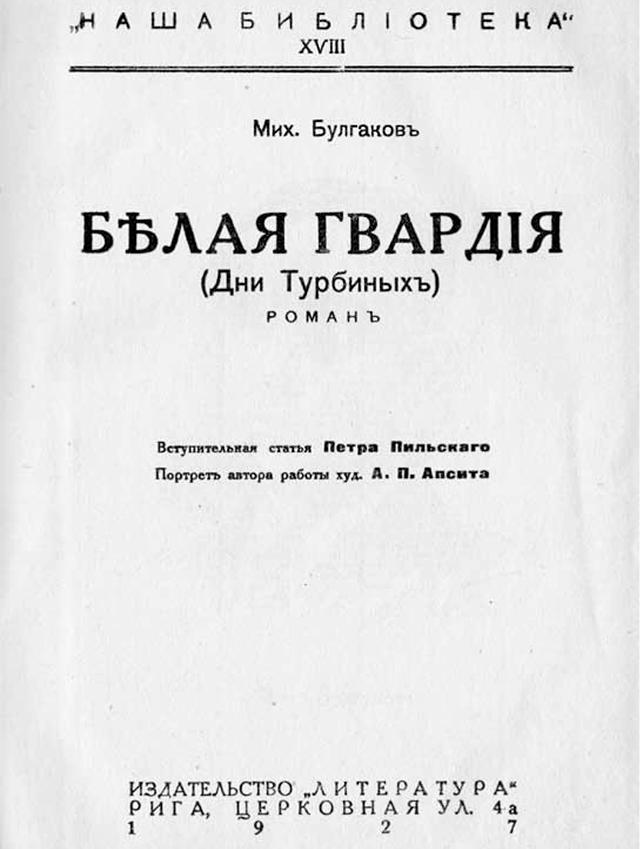 Book
Primary source
The White Guard
Mikhail Bulgakov · 1925 (serialized); 1927 (complete)
 Book
Primary source
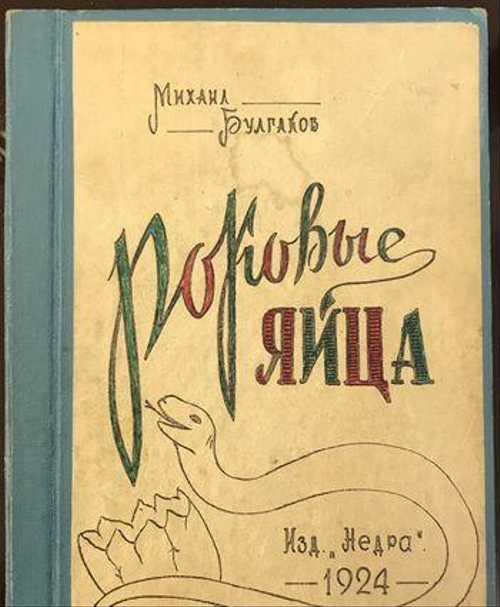
The Fatal Eggs
Mikhail Bulgakov · 1924
 Photograph
Primary source
Mikhail Bulgakov in the 1910s
Unknown · 1910s
 Photograph
Primary source
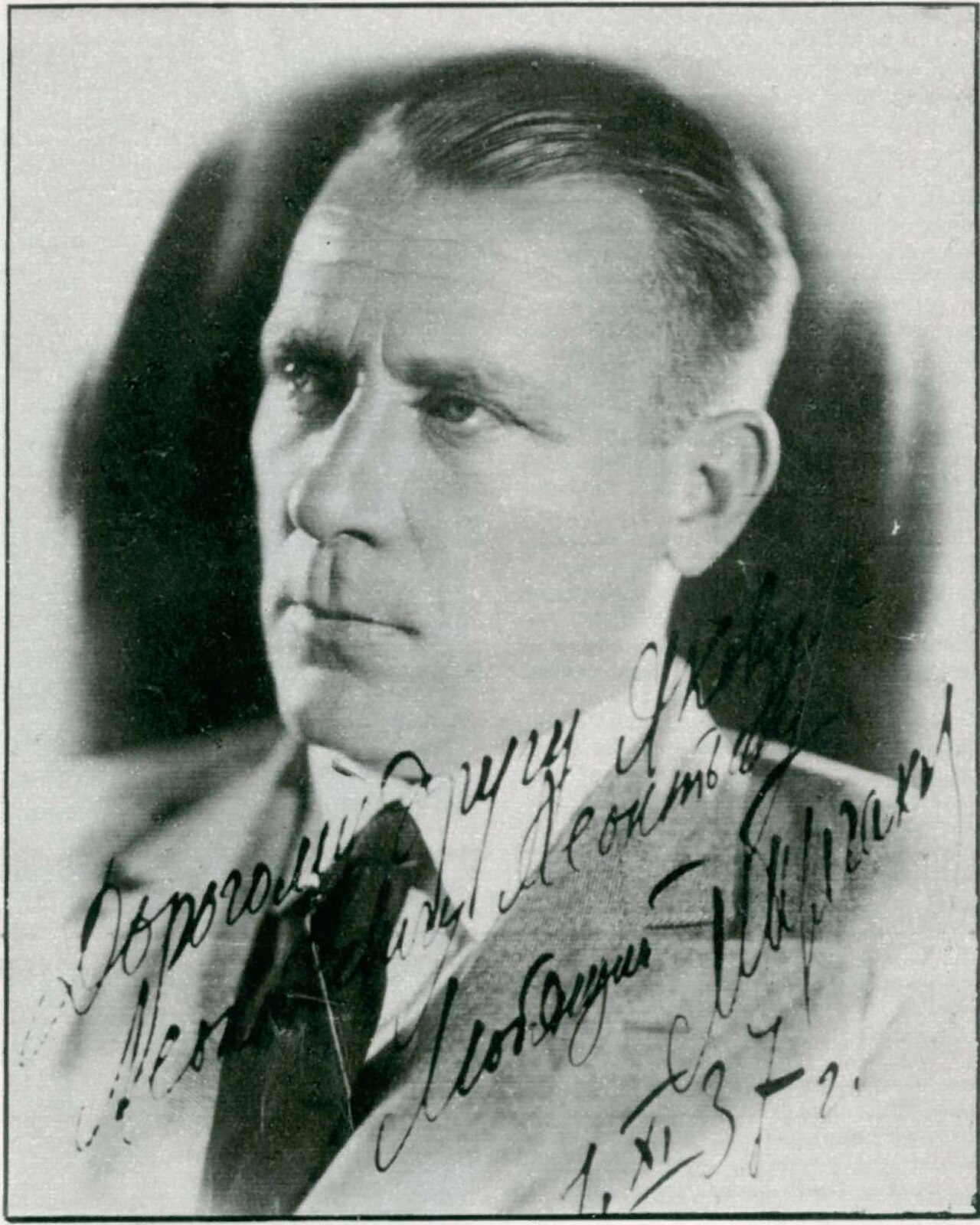
Mikhail Bulgakov, 1937 Portrait
Mikhail Bulgakov · 1937


Free account
Read every Mikhail Bulgakov source
Sign up free →
Ready when you are
Start chatting with Mikhail Bulgakov now.
20 messages free · No credit card · Available in 50+ languages.