


Primary sourcePainting1838 (begun 1833)
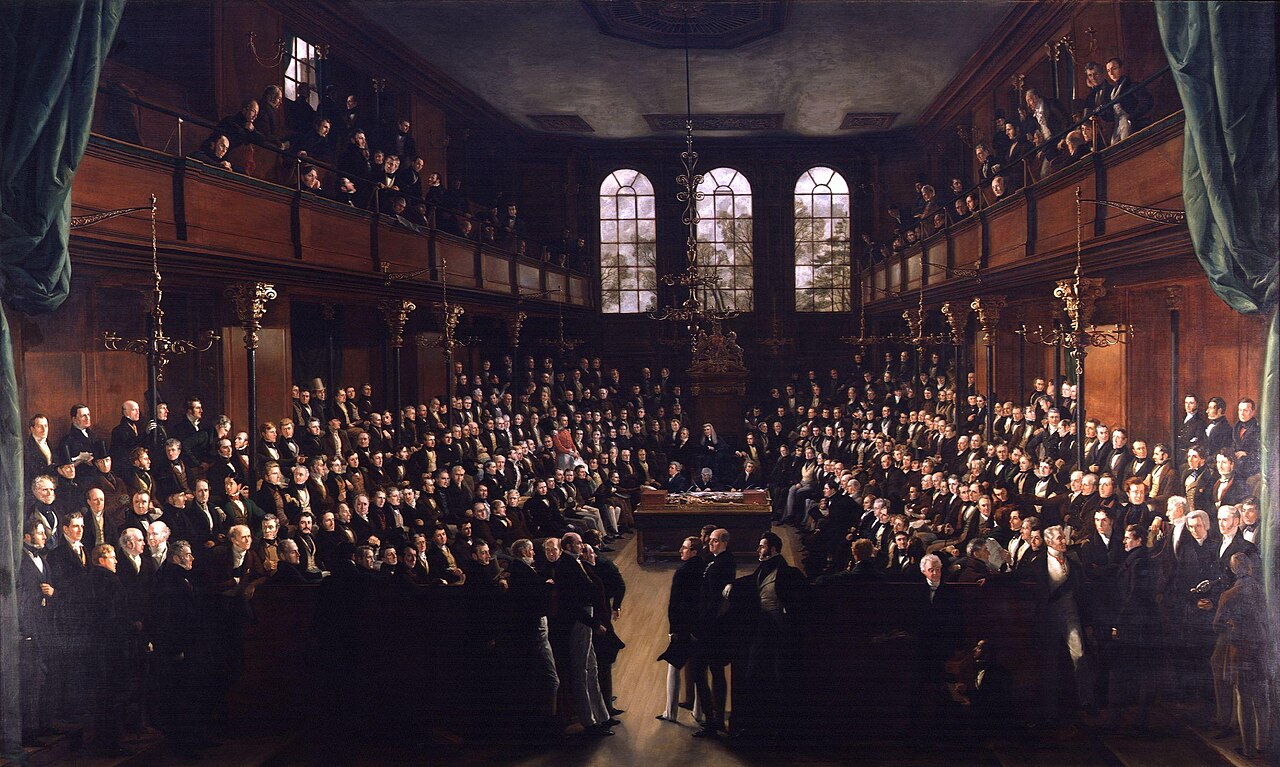
The House of Commons, 1833
George Hayter · 1838 (begun 1833)
A large history painting of the first House of Commons elected after the 1832 Reform Act, which William IV reluctantly helped secure.
The reformed Parliament shown here was made possible by William IV's reluctant agreement to create peers to pass the Reform Act.
About this source
What it is
This is a large history painting by British artist George Hayter, begun in 1833 and finished a decade later. It shows the first meeting of the House of Commons after the Reform Act 1832 and the election that followed. It is held by the National Portrait Gallery, London.
Why it matters
The painting captures a turning point in British political history, when the reformed Parliament brought in a new generation of MPs. It includes many leading politicians of the era, including several future prime ministers. William IV played a crucial, if reluctant, role in making this Parliament possible: he agreed to create new peers if needed to force the Reform Act through the House of Lords.
Look closer
- Why might Hayter have spent so long on this single painting?
- What does the choice to include so many identifiable politicians tell us about how the painting was meant to be used?
- What does the painting leave out about the political struggle that led to this moment?
This painting is part of the curated material that grounds the AI version of William IV on Humy.ai — when students ask about related events, the AI can quote it and cite it.
More William IV sources
Browse all 97 →Primary source
Substance of the Speech of the Duke of Clarence on the Slave Trade
William IV · 5 July 1799
 Letter
Primary source
The Reform Act, 1832: Correspondence of Earl Grey with King William IV
William IV and Charles Grey, 2nd Earl Grey · 1830–1832 (published 1867)
 Painting
Primary source
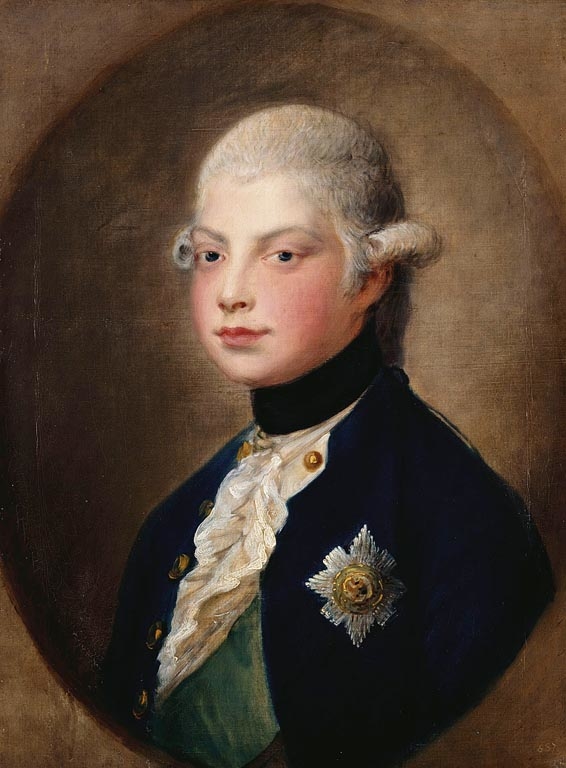
Prince William, later Duke of Clarence
Thomas Gainsborough · 1782
 Painting
Primary source
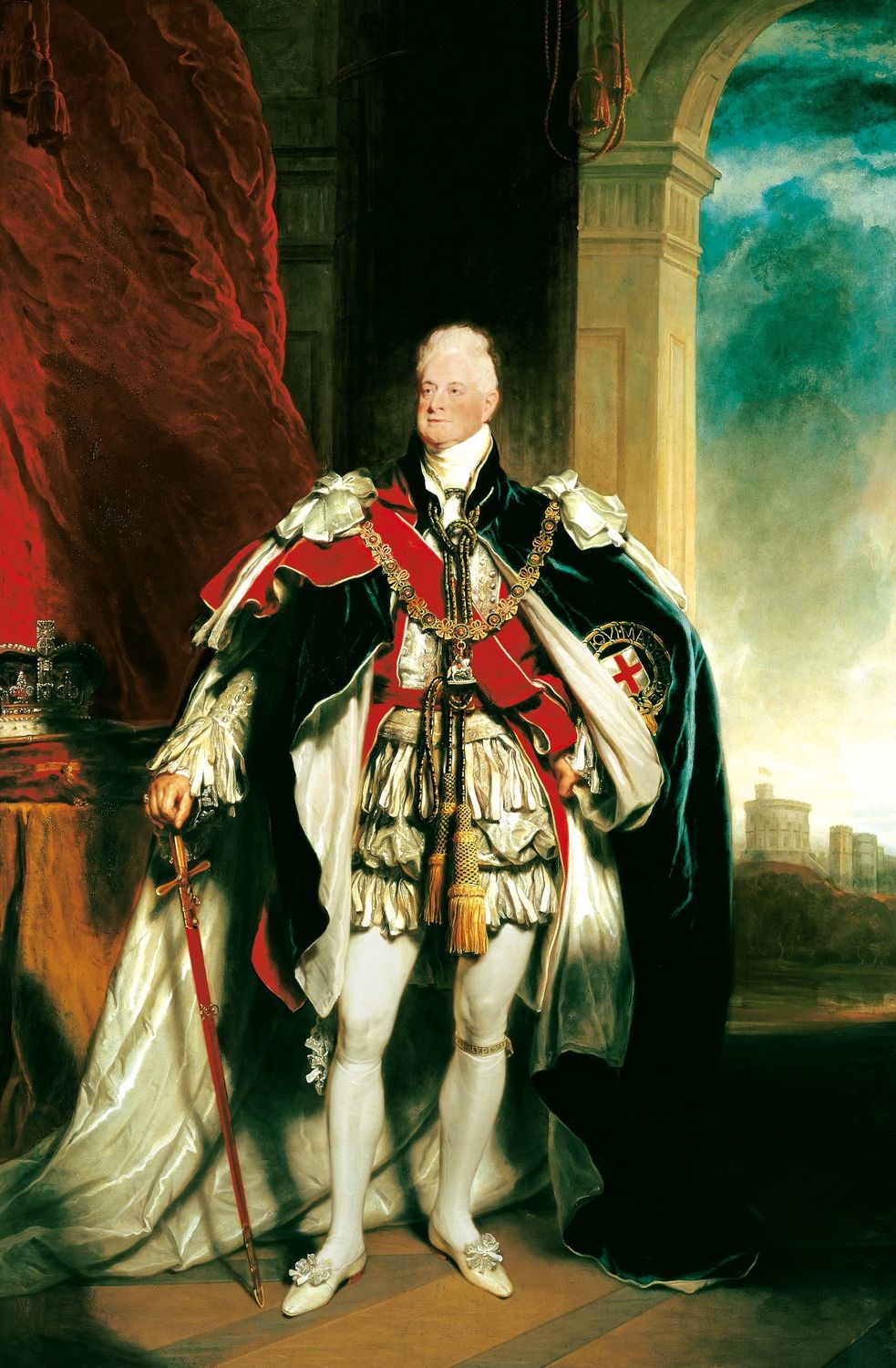
William IV
Martin Archer Shee · 1833

Free account
Read every William IV source
Sign up free →
Ready when you are
Start chatting with William IV now.
20 messages free · No credit card · Available in 50+ languages.