


Primary sourceBook1911 (translation); original Hungarian earlier
The Hungarian Noble
Sándor Petőfi · 1911 (translation); original Hungarian earlier
A satirical poem by Sándor Petőfi mocking idle, indifferent Hungarian aristocrats, shown here in a 1911 English translation.
Petőfi wrote this satire attacking the idle Hungarian aristocracy he despised as a revolutionary poet.
About this source
What it is
This poem by Sándor Petőfi is a biting satire of Hungarian noblemen who lived in comfort while ignoring their country's problems. This English version was translated in 1911 by Nora de Vállyi and Dorothy M. Stuart.
The speaker, voicing the mindset of a lazy, self-satisfied noble, boasts of refusing to work, learn, or pay taxes, caring only for eating and drinking well.
Why it matters
The poem reveals Petőfi's deep contempt for the aristocracy's indifference to the suffering of ordinary Hungarians, a theme central to his political poetry and his role as a voice of the 1848 revolutionary movement. It shows how he used satire as a political weapon.
Look closer
- What specific habits or attitudes of the noble does the poem mock?
- Why might Petőfi have chosen satire rather than direct criticism to make his point?
- How does this poem reflect the social tensions in Hungary before 1848?
This book is part of the curated material that grounds the AI version of Sándor Petőfi on Humy.ai — when students ask about related events, the AI can quote it and cite it.
More Sándor Petőfi sources
Meet the AI Sándor Petőfi →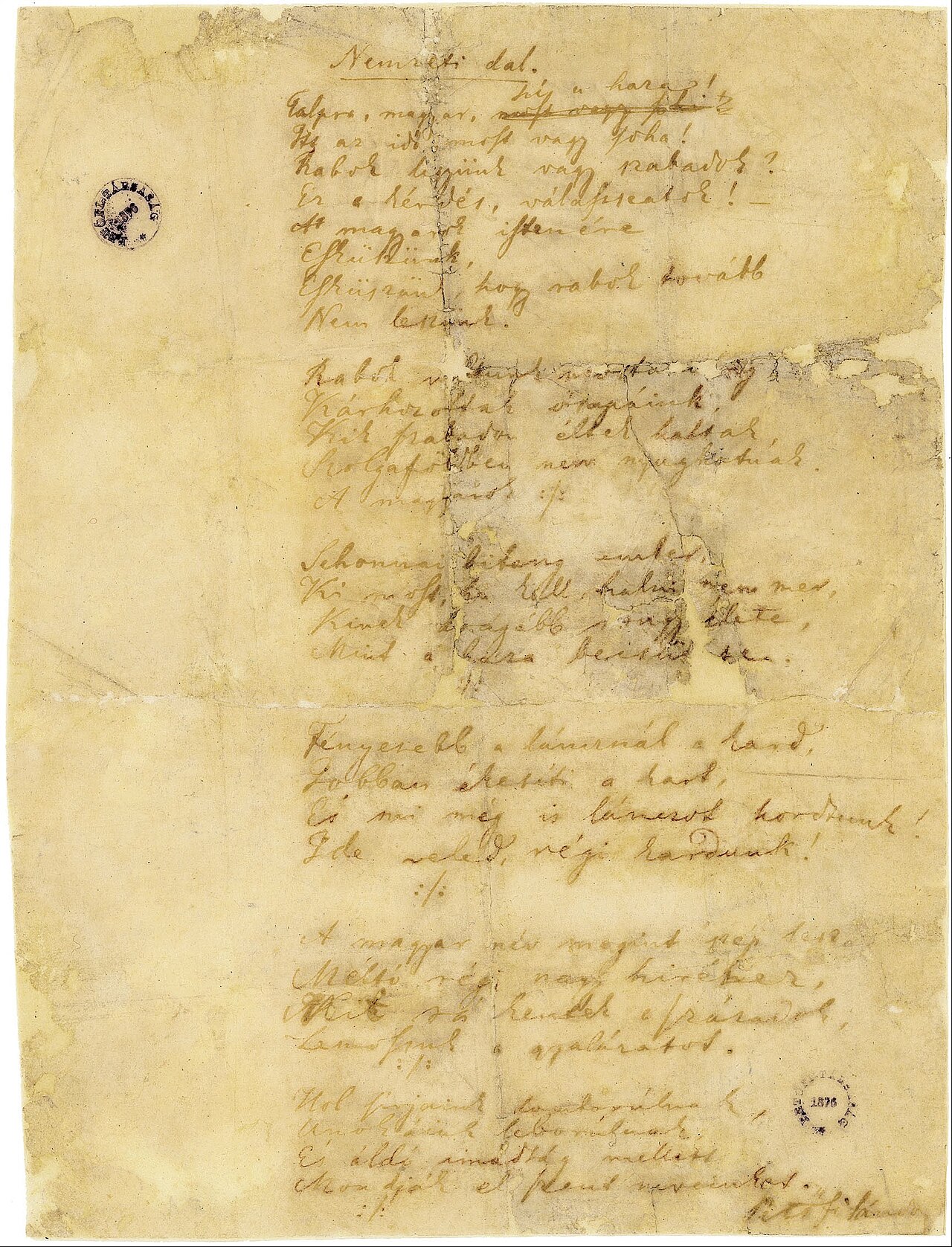 Book
Primary source
Nemzeti dal
Sándor Petőfi · 13 March 1848
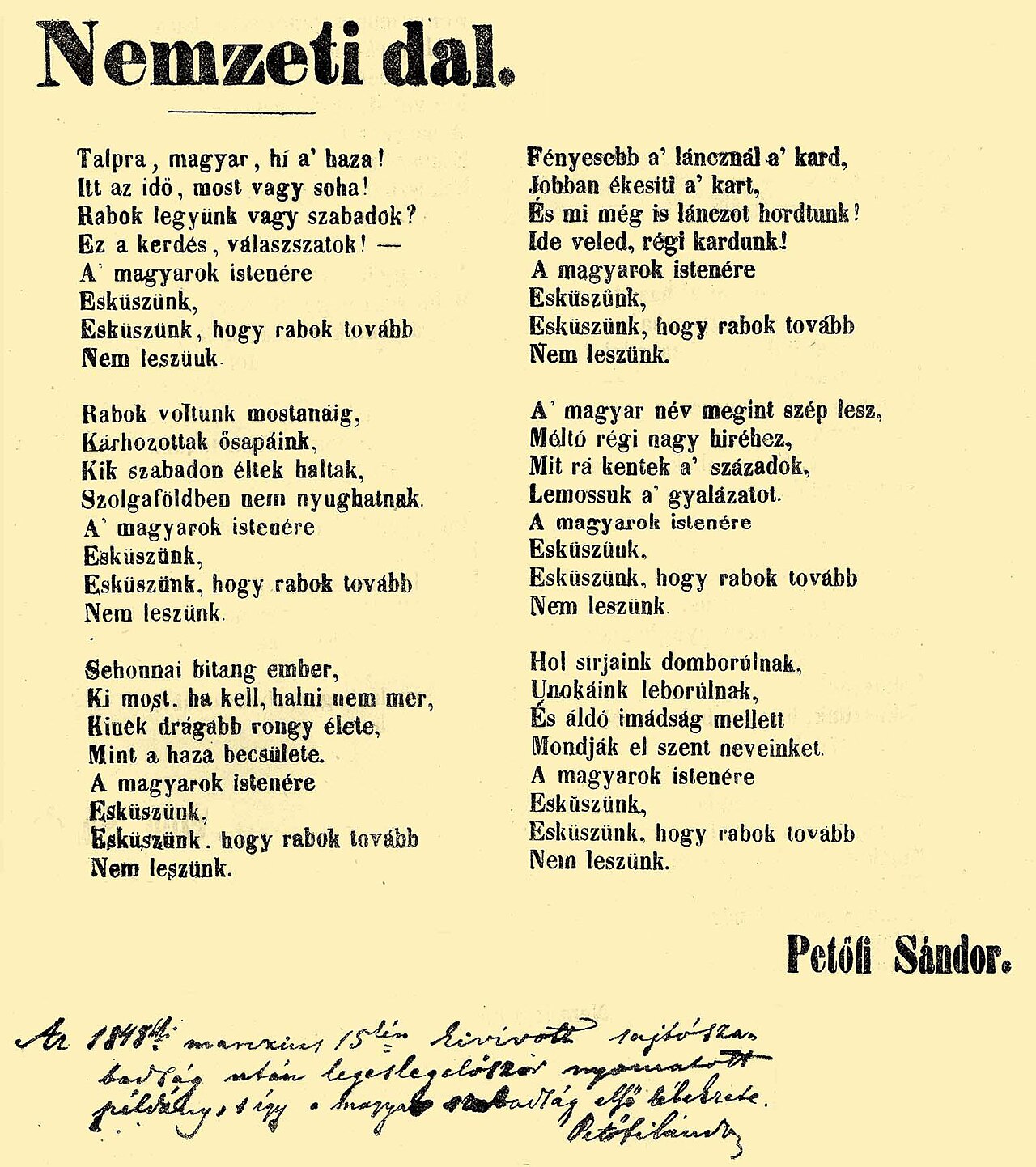 Document
Primary source
Nemzetidal broadside
Sándor Petőfi · 15 March 1848
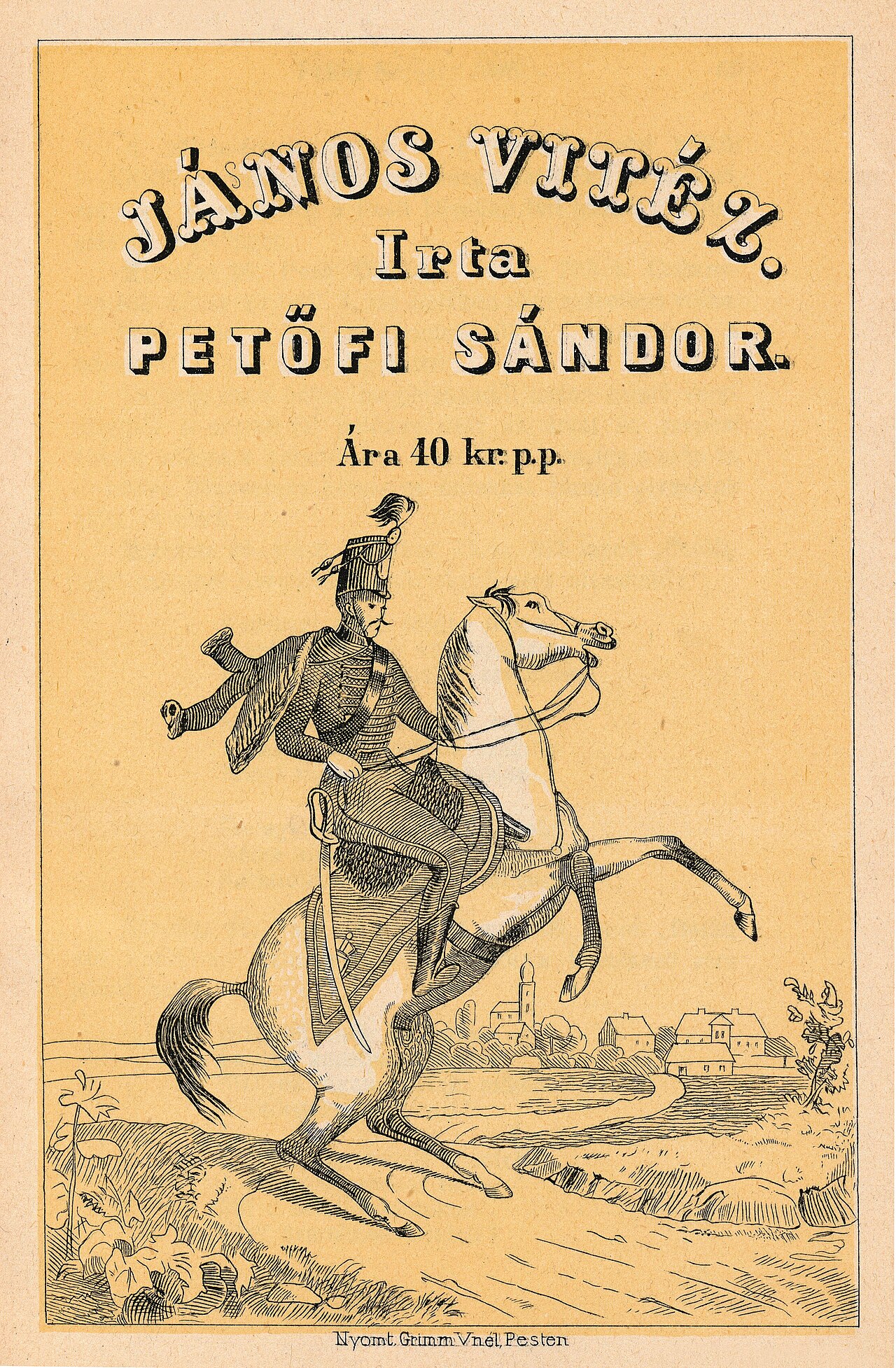 Book
Primary source
János vitéz
Sándor Petőfi · 1845 (written 1844)
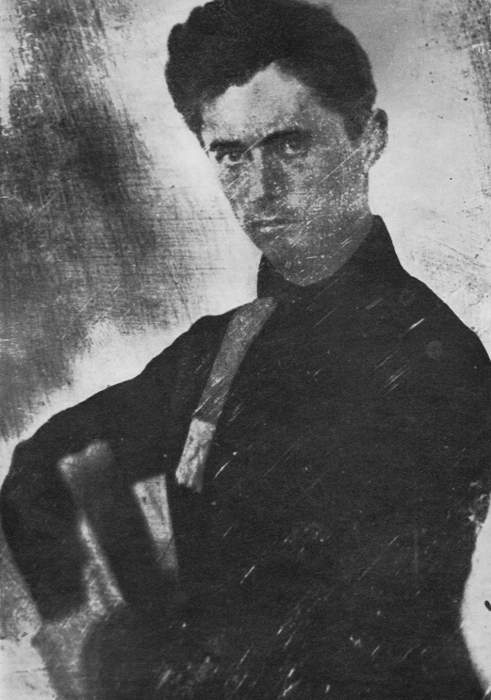 Photograph
Primary source
Sándor Petőfi
Gábor Egressy · 1844
 Painting
Primary source
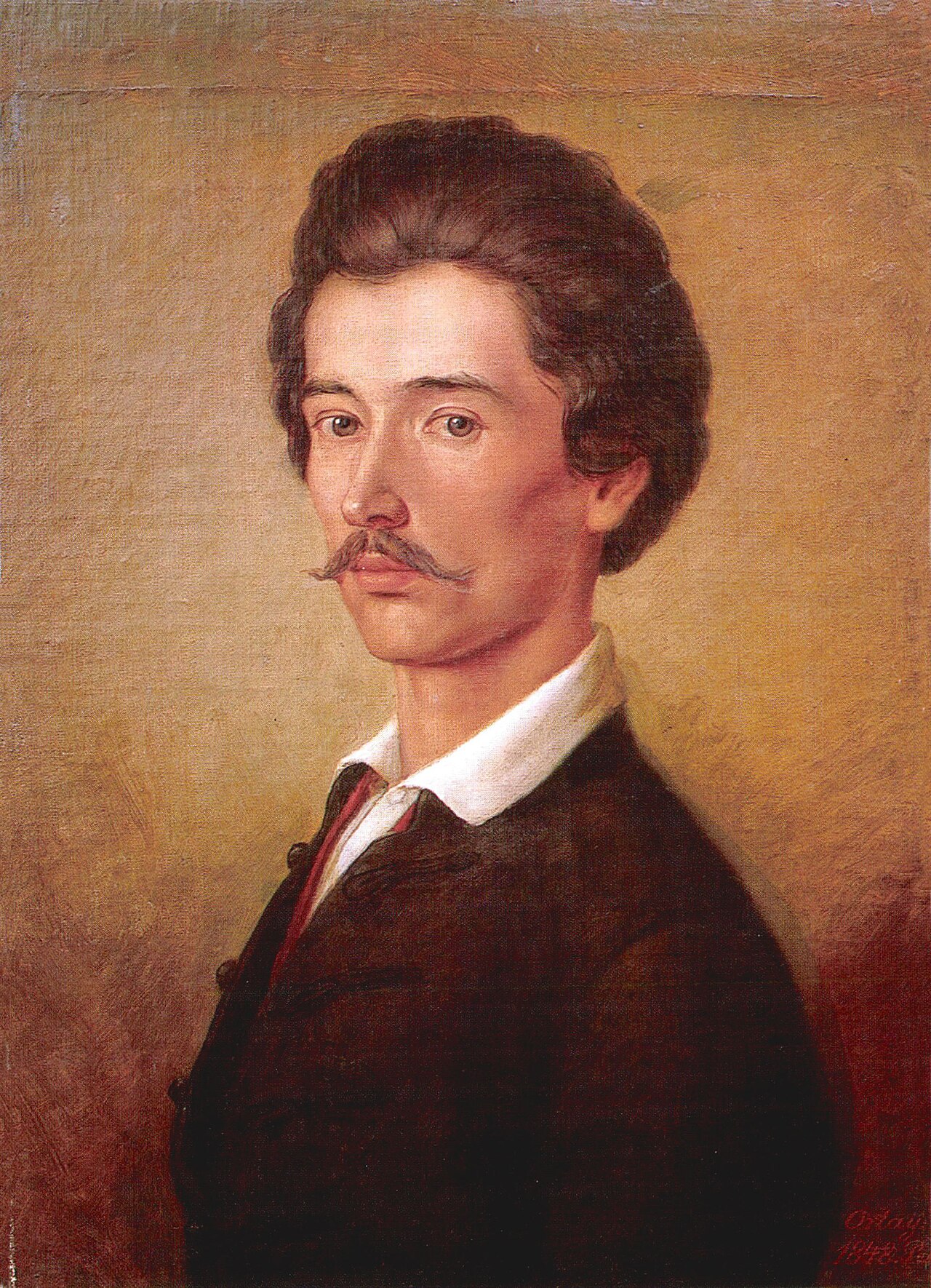
Portrait of Sándor Petőfi
Orlai Petrich Soma
Ready when you are
Start chatting with Sándor Petőfi now.
20 messages free · No credit card · Available in 50+ languages.