


Primary sourcePainting1618
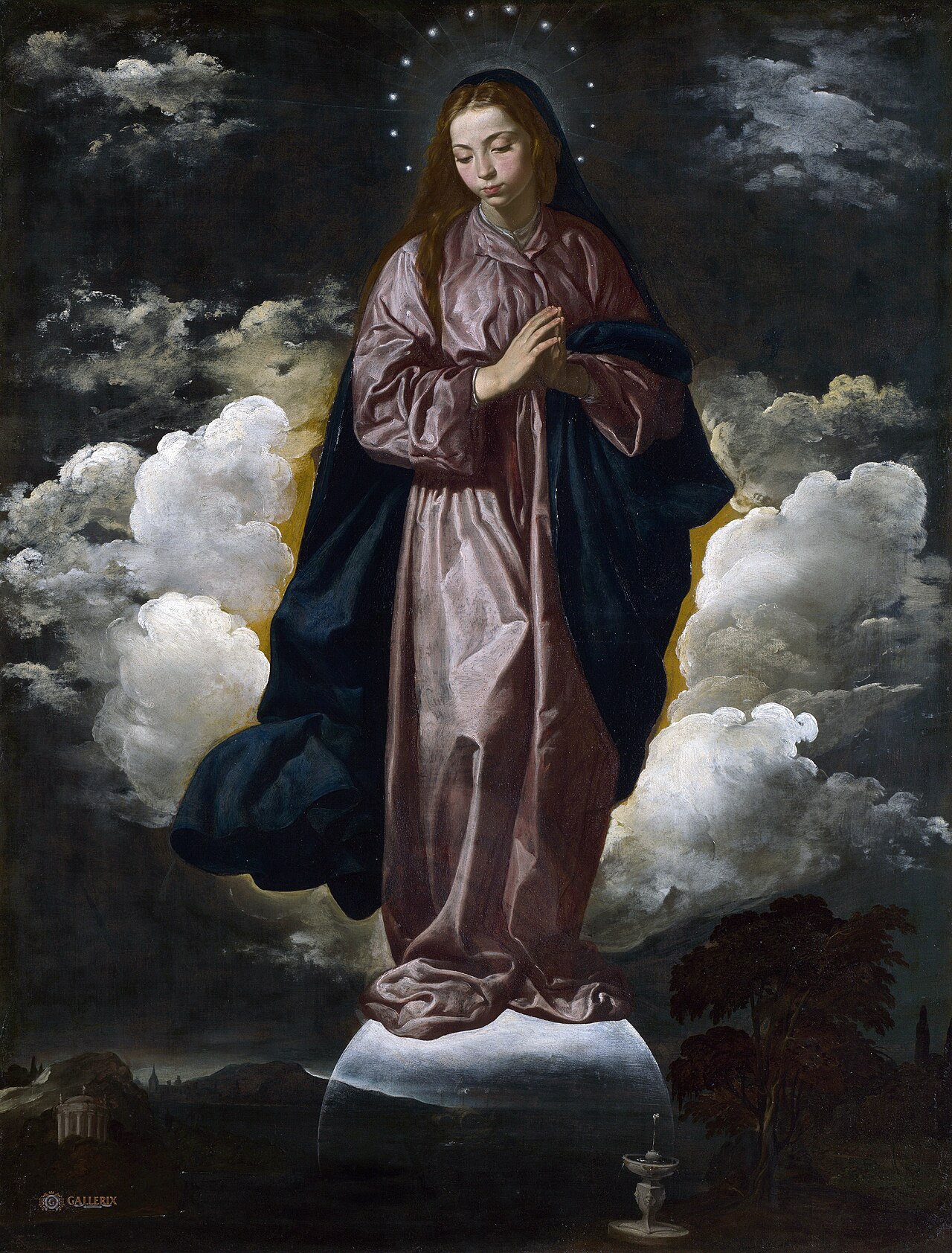
The Immaculate Conception
Diego Velázquez · 1618
An early religious painting by Velázquez depicting the Virgin Mary standing on a crescent moon amid clouds and stars.
An early religious painting showing Velázquez moving beyond his teacher Pacheco's formula.
About this source
What it is
Painted by Diego Velázquez in 1618, this work shows the Virgin Mary with her hands pressed in prayer, standing on a crescent moon surrounded by stars, following the traditional Immaculate Conception imagery. It is held by the National Gallery.
Why it matters
Velázquez painted this early in his career, following a formula taught by his teacher, Francisco Pacheco. But by giving the Virgin the face of what appears to be a local young woman rather than an idealized figure, he showed the realism that would define his later work, even within a traditional religious subject.
Look closer
- How does the Virgin's face compare to how saints are usually shown in religious art of this period?
- What symbols (moon, stars, clouds) can you find, and what do they mean?
- Why might a young painter follow his teacher's formula closely at the start of his career?
This painting is part of the curated material that grounds the AI version of Diego Velázquez on Humy.ai — when students ask about related events, the AI can quote it and cite it.
More Diego Velázquez sources
Browse all 98 →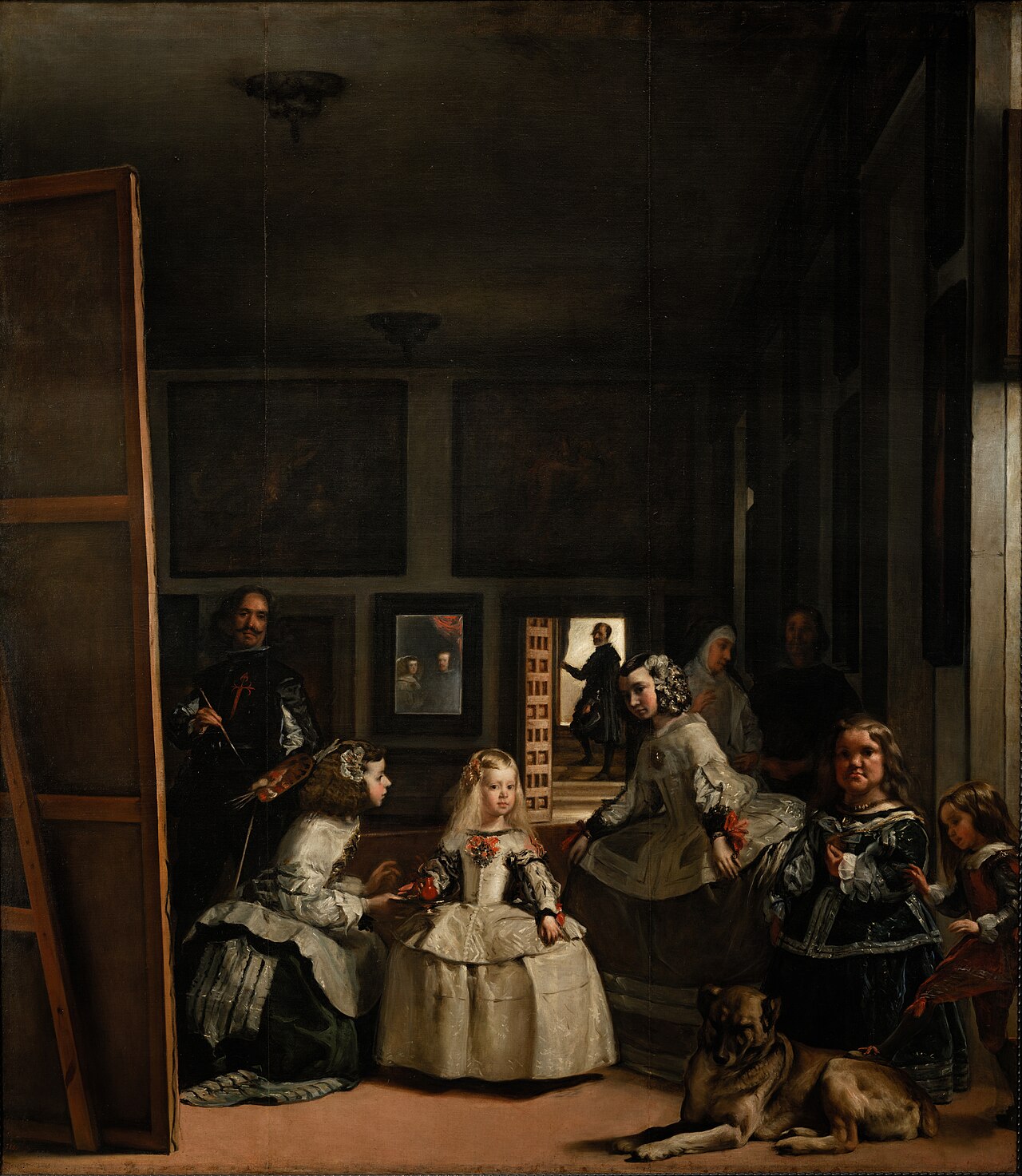 Painting
Primary source
Las Meninas
Diego Velázquez · 1656
 Painting
Primary source
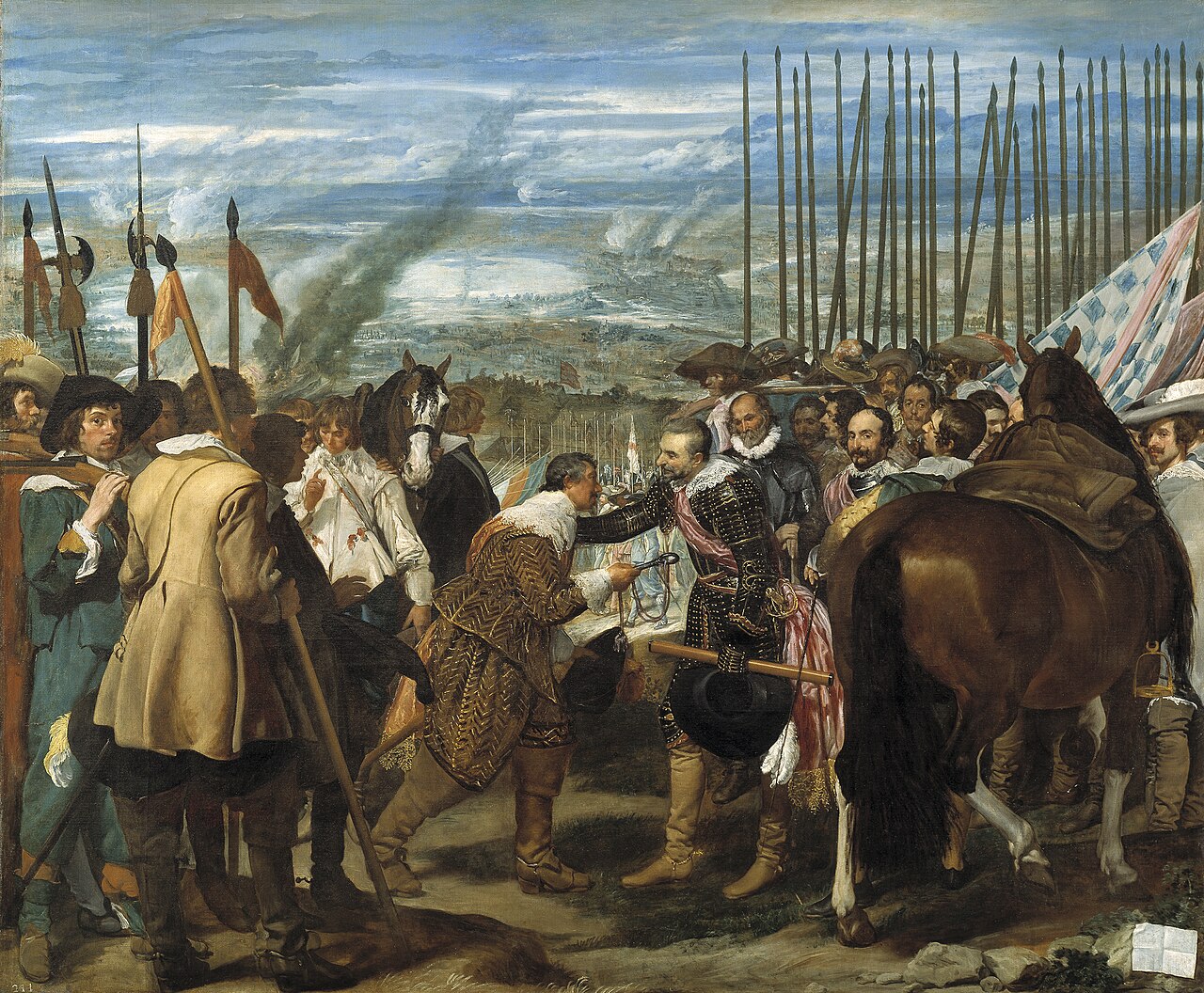
The Surrender of Breda
Diego Velázquez · 1634–1635
 Painting
Primary source
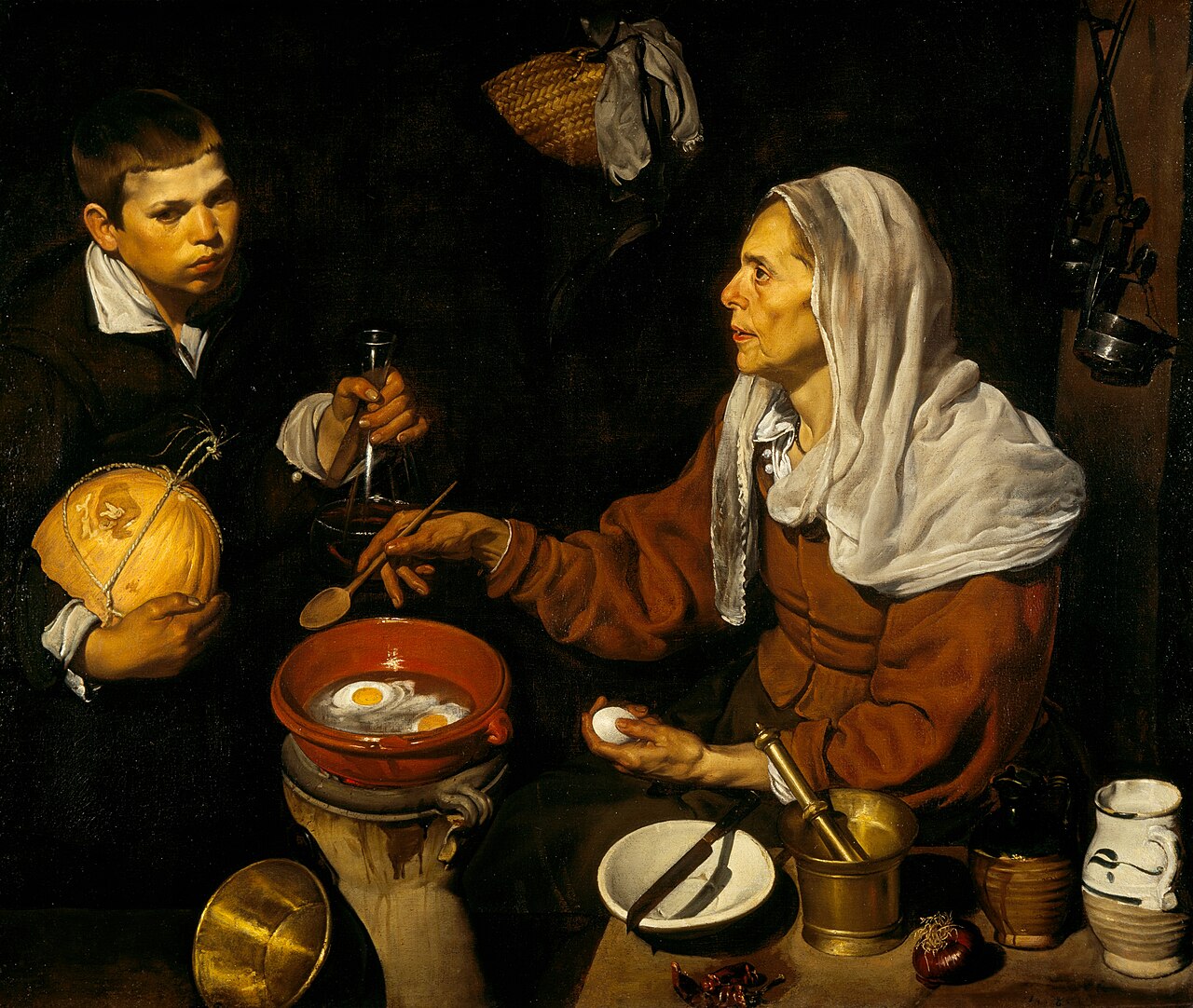
Old Woman Cooking Eggs
Diego Velázquez · c. 1618
 Painting
Primary source
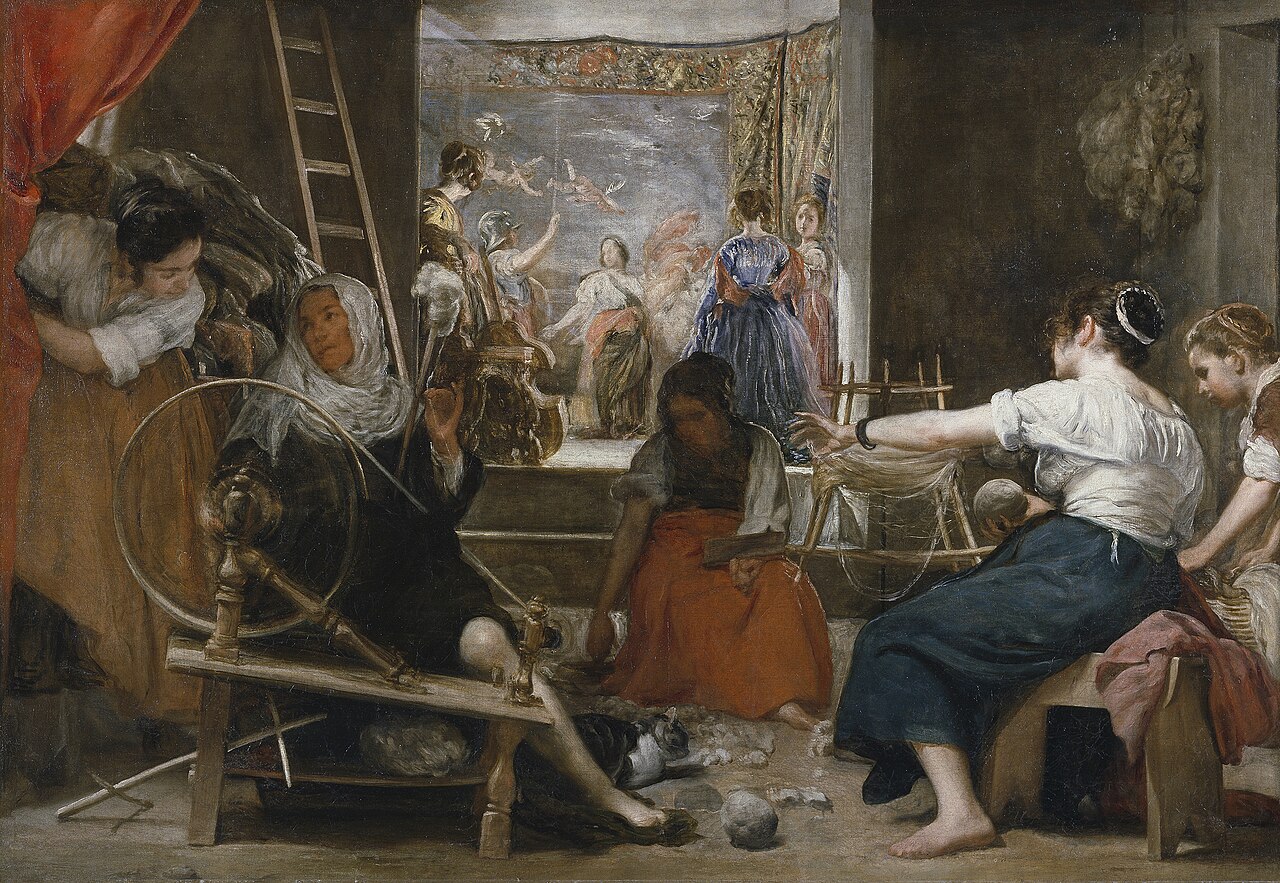
Las Hilanderas
Diego Velázquez · c. 1655–1658
Free account
Read every Diego Velázquez source
Sign up free →
Ready when you are
Start chatting with Diego Velázquez now.
20 messages free · No credit card · Available in 50+ languages.