


Primary sourceBook1833
The Invisible Girl
Mary Shelley · 1833
A Gothic short story by Mary Shelley, first published in the literary annual The Keepsake for 1833.
Mary Shelley wrote this Gothic tale, part of her professional short fiction output during her widowhood.
Free Humy account · No credit card · 120,912 sources to read
About this source
What it is
The Invisible Girl is a Gothic tale written by Mary Shelley, first published in The Keepsake for 1833, a British literary annual. It tells the story of Rosina, secretly engaged to Henry Vernon, who is banished by his father and believed drowned, only to be discovered alive, living as a ghostly figure known locally as the Invisible Girl.
Why it matters
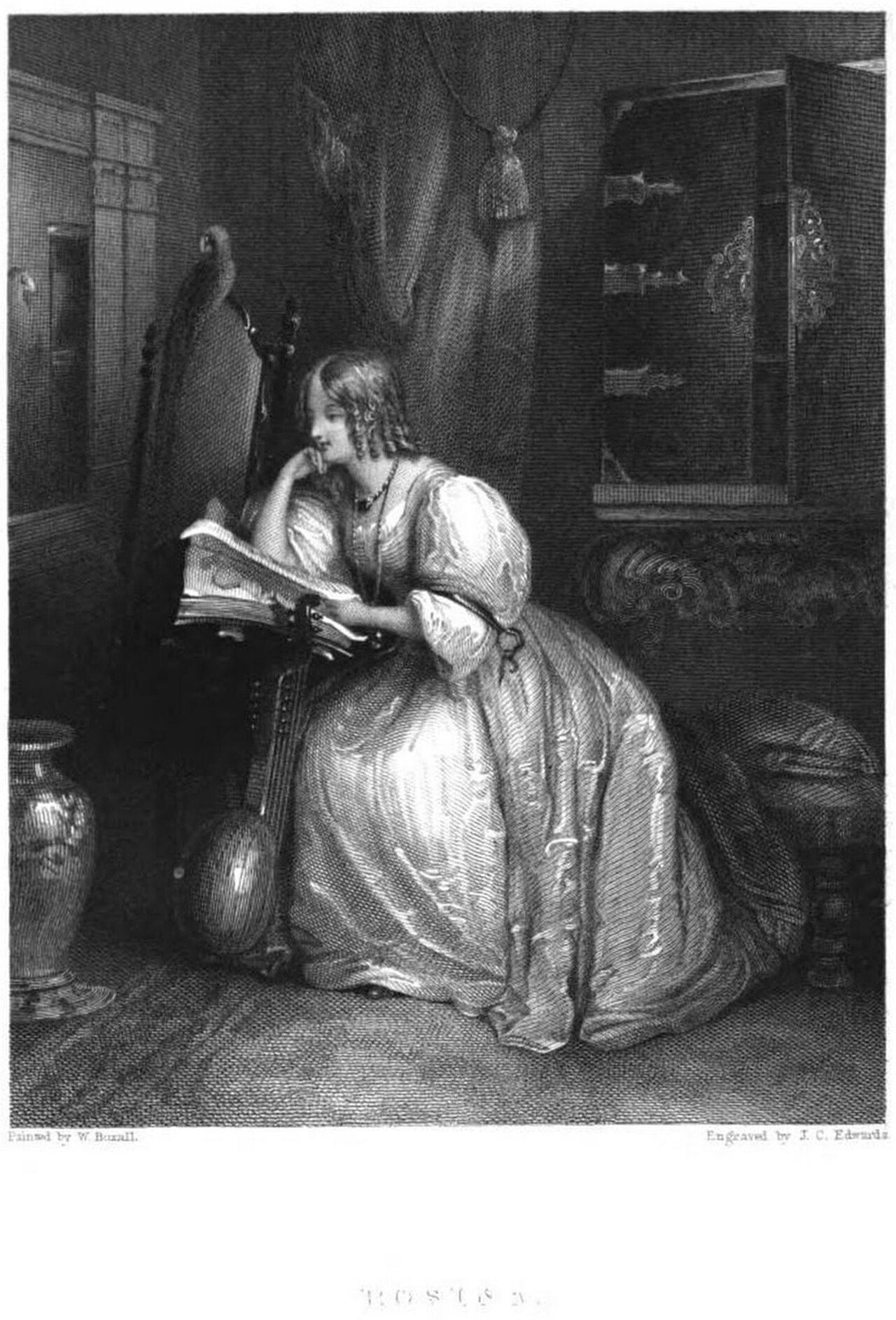
The story shows Mary Shelley's steady professional output of short fiction during her widowhood, writing for annuals that paid well and reached a wide readership. It is a tale of concealment, family cruelty and eventual forgiveness, themes that recur across her work. The original publication included an illustration, painted by William Boxall and engraved by J. C. Edwards, showing the heroine Rosina.
Look closer
- Why might a writer choose to set a love story around hidden identity and a 'ghost' who is not really a ghost?
- What does the illustration add to how readers might have imagined the main character?
- Why did literary annuals like The Keepsake matter to professional women writers in the 1830s?
This book is part of the curated material that grounds the AI version of Mary Shelley on Humy.ai — when students ask about related events, the AI can quote it and cite it.
More Mary Shelley sources
Browse all 88 →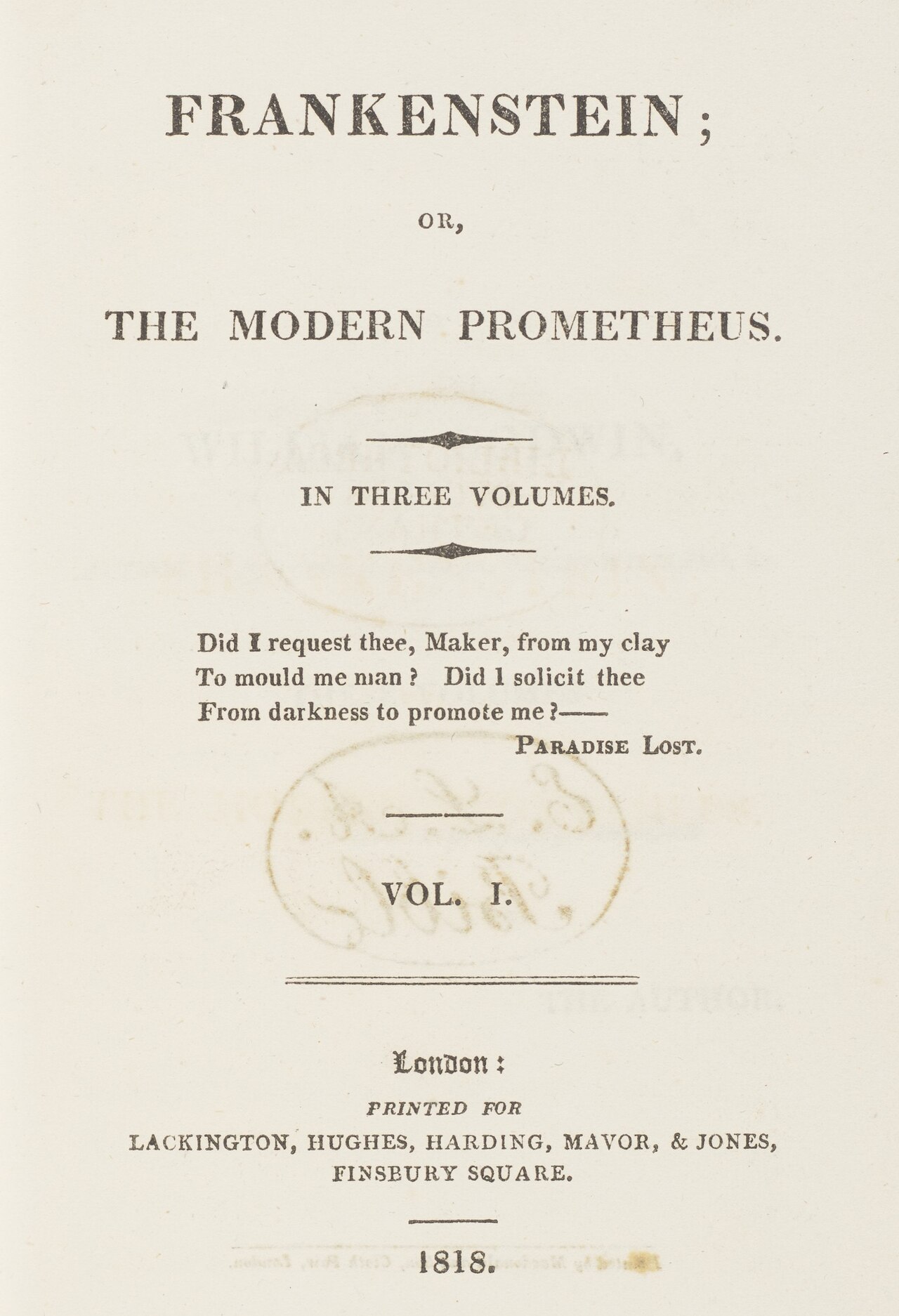 Book
Primary source
Frankenstein; or, The Modern Prometheus
Mary Shelley · 1818
 Document
Primary source
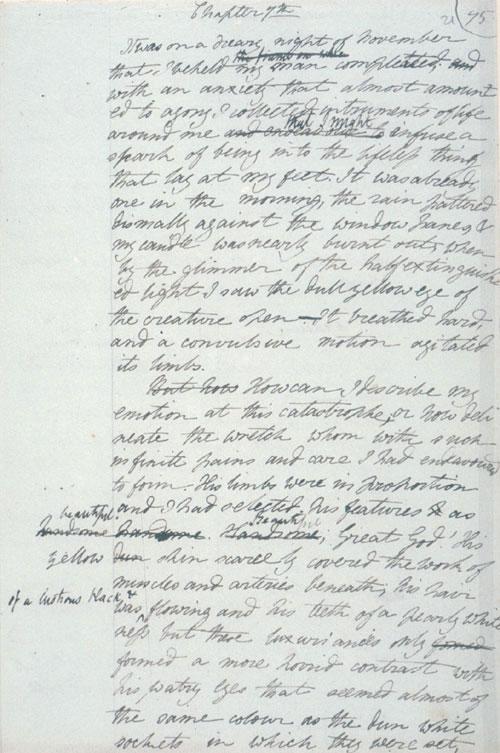
Frankenstein Draft Manuscript
Mary Shelley
Primary source
Frankenstein, or the Modern Prometheus (1831 edition)
Mary Shelley · 1831
 Painting
Primary source
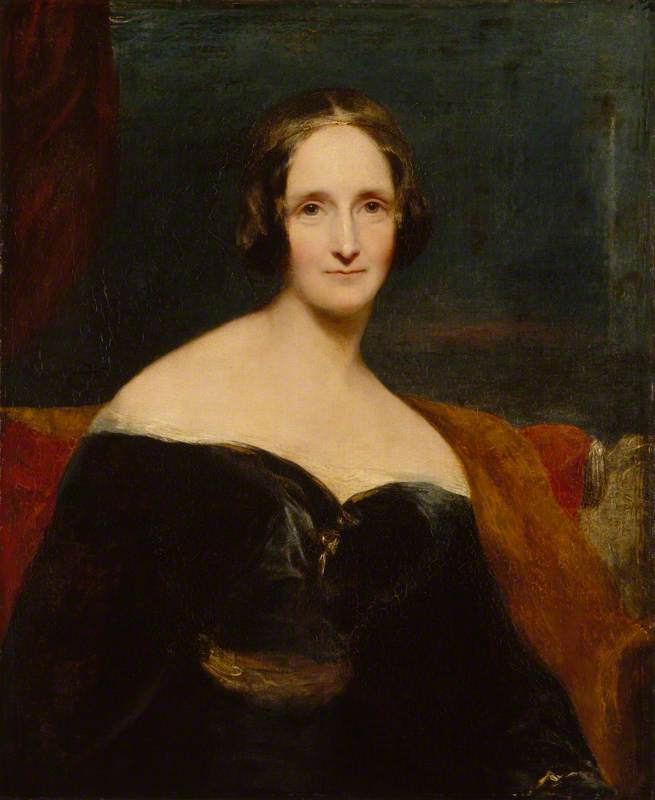
Portrait of Mary Shelley
Richard Rothwell · 1840
Free account
Read every Mary Shelley source
Sign up free →
Ready when you are
Start chatting with Mary Shelley now.
20 messages free · No credit card · Available in 50+ languages.