


Primary sourceBook1789
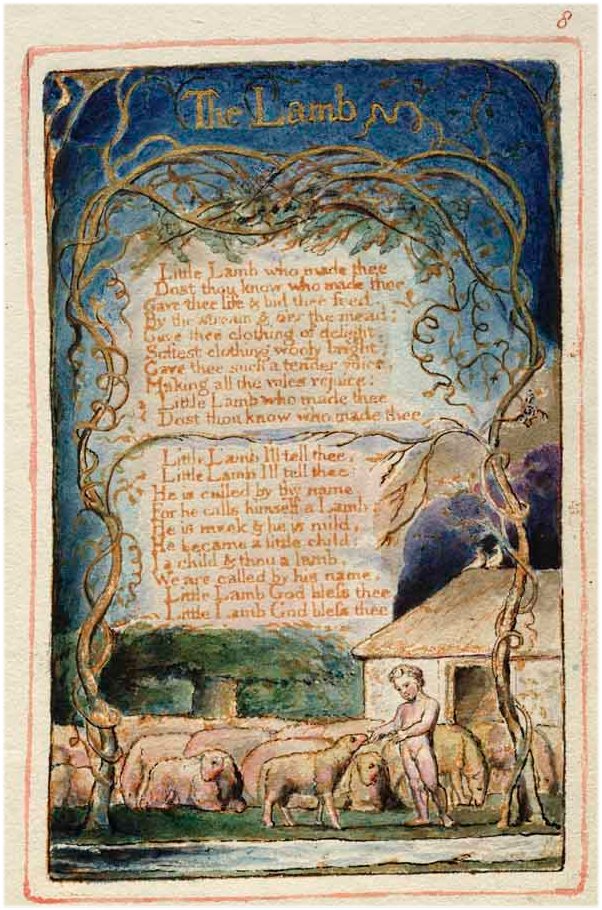
The Lamb
William Blake · 1789
Blake's gentle hymn-like poem from Songs of Innocence, asking a lamb who made it, and answering with a vision of Christ.
A gentle religious poem by Blake, paired with 'The Tyger' to show his theme of innocence versus experience.
About this source
What it is
'The Lamb' is a poem written and illuminated by William Blake, published in Songs of Innocence in 1789. Blake's hand-coloured plate shows a child kneeling beside a lamb in a pastoral scene.
Why it matters
The poem uses simple, song-like language spoken by a child to connect the lamb with Jesus Christ, often called the 'Lamb of God' in the Bible. It is the counterpart to Blake's later poem 'The Tyger', and together the two poems show Blake's central idea that innocence and experience are opposite but connected states of the human soul.
Look closer
- Why might Blake have chosen a child as the speaker of this poem?
- How does the repetition of lines create the feeling of a lullaby?
- What changes when you compare this poem's tone with 'The Tyger'?
This book is part of the curated material that grounds the AI version of William Blake on Humy.ai — when students ask about related events, the AI can quote it and cite it.
More William Blake sources
Browse all 86 →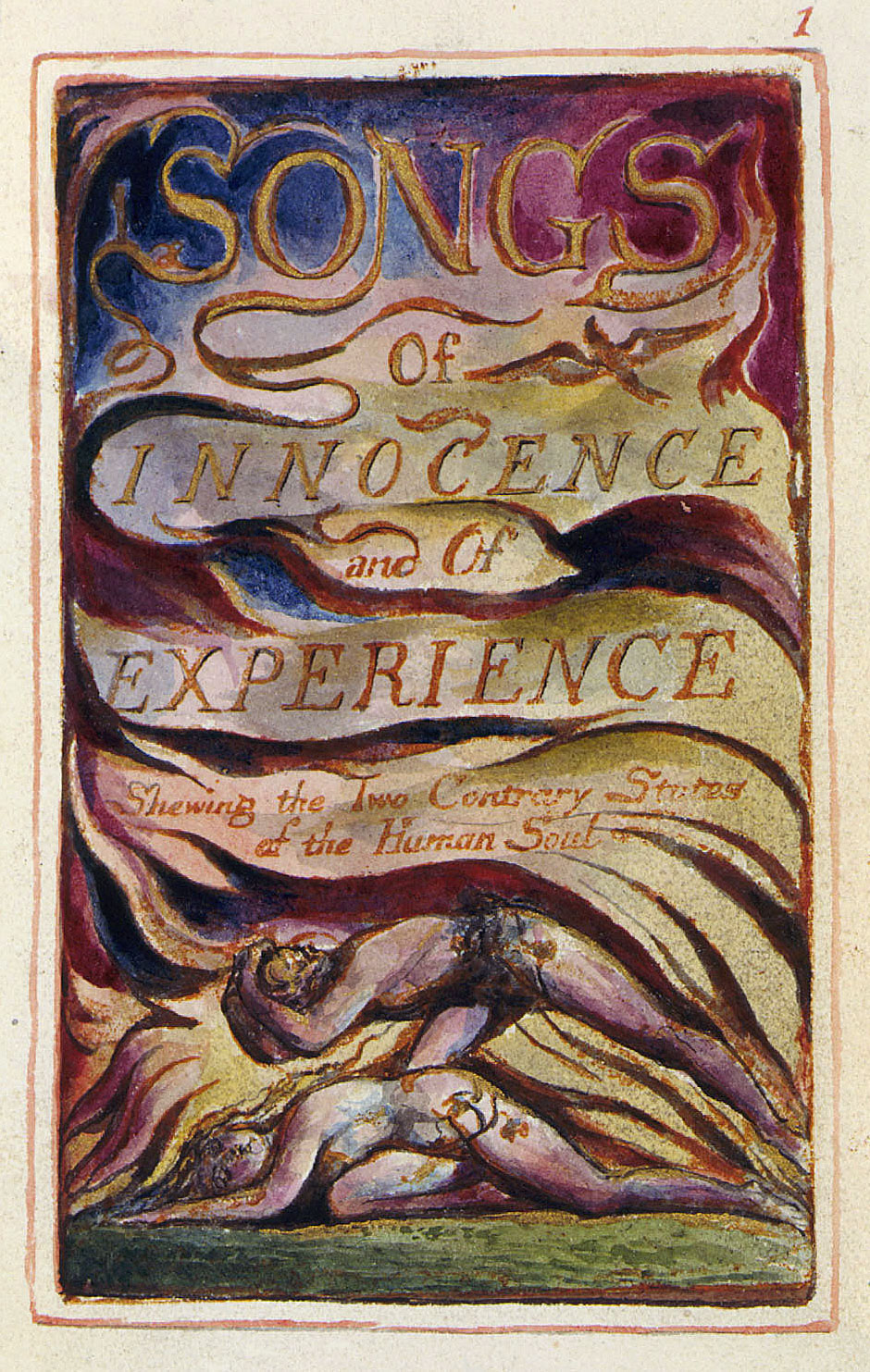 Book
Primary source
Songs of Innocence and of Experience
William Blake · 1789-1794
 Book
Primary source
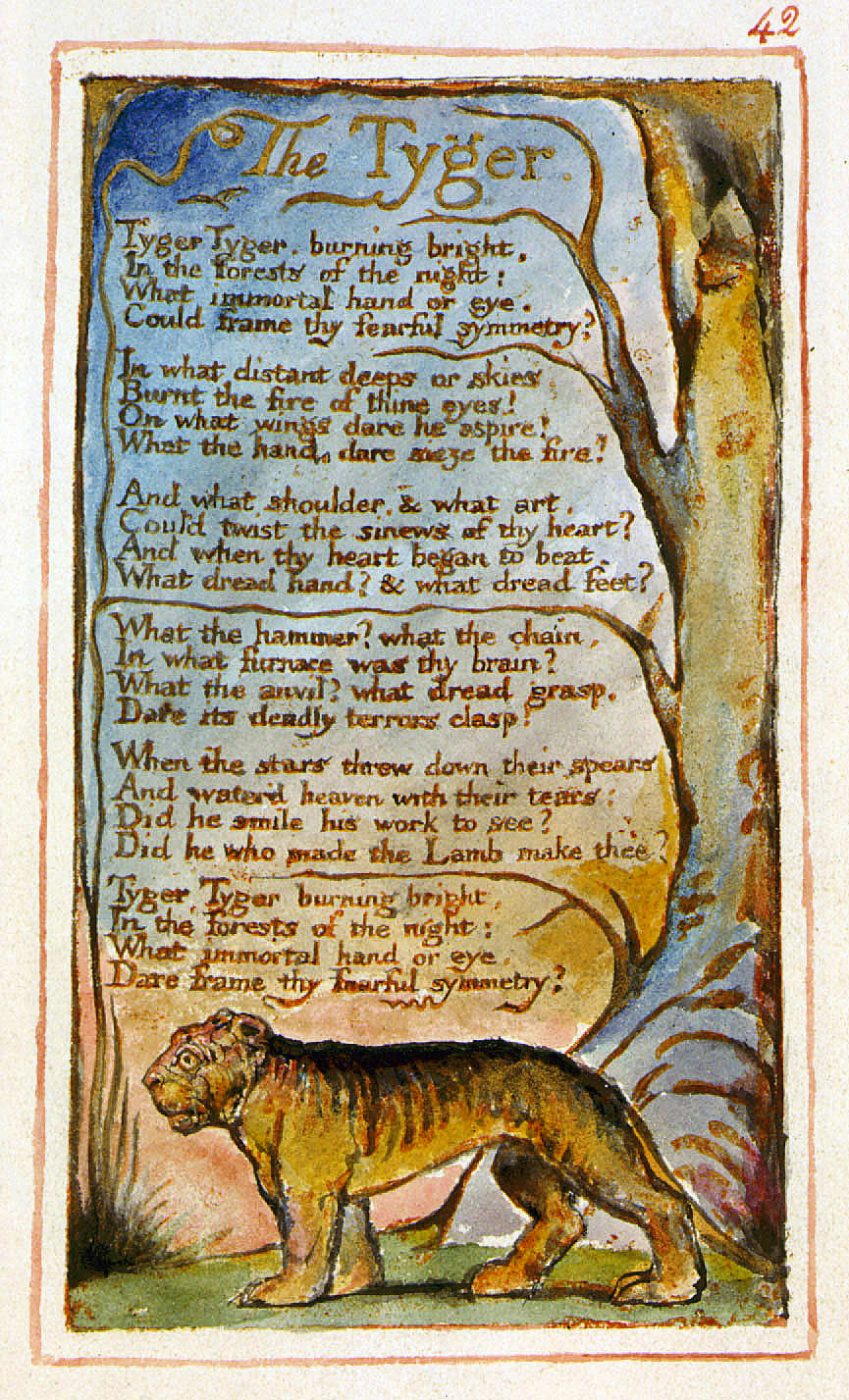
The Tyger
William Blake · 1794
 Book
Primary source
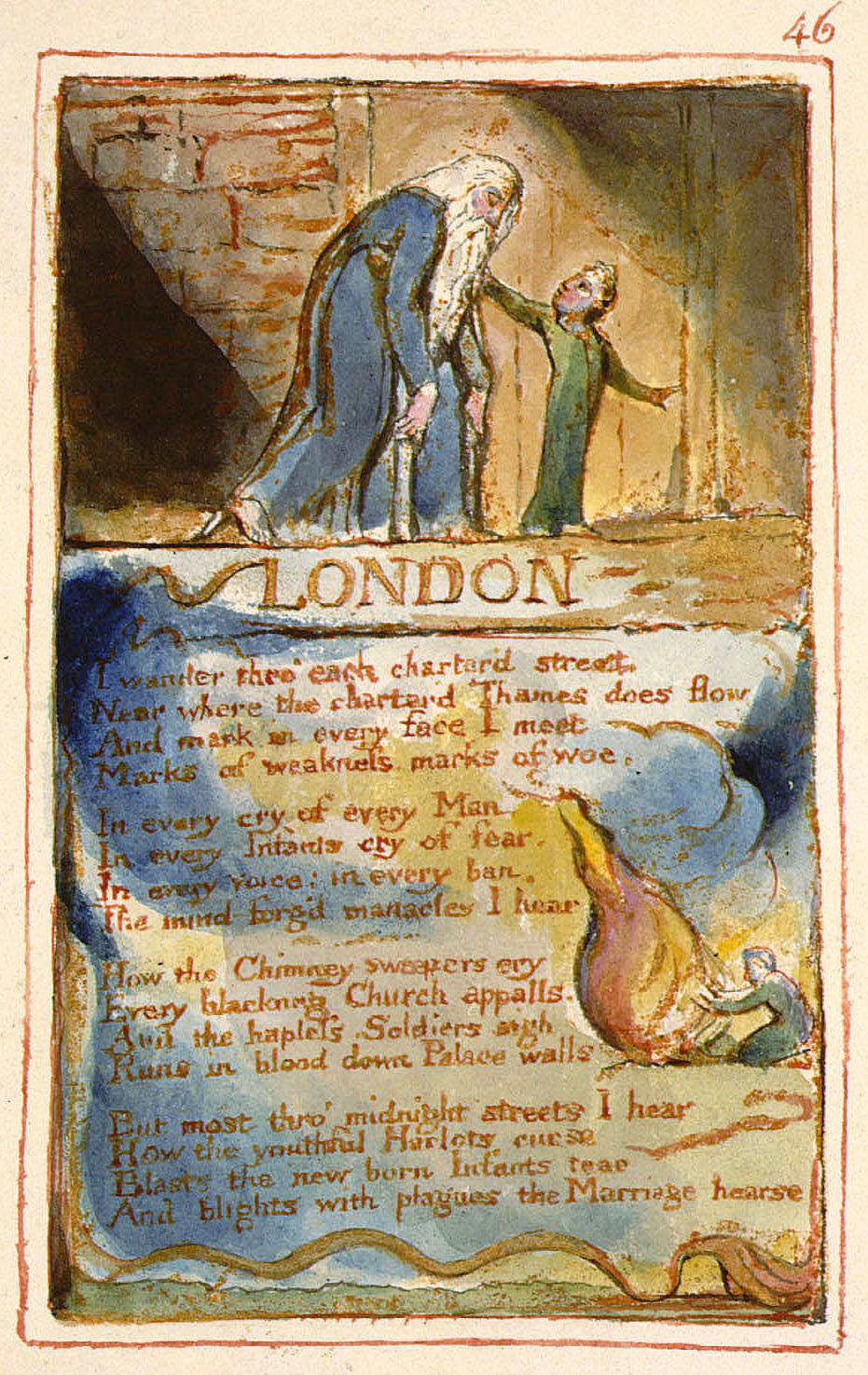
London
William Blake · 1794
 Book
Primary source
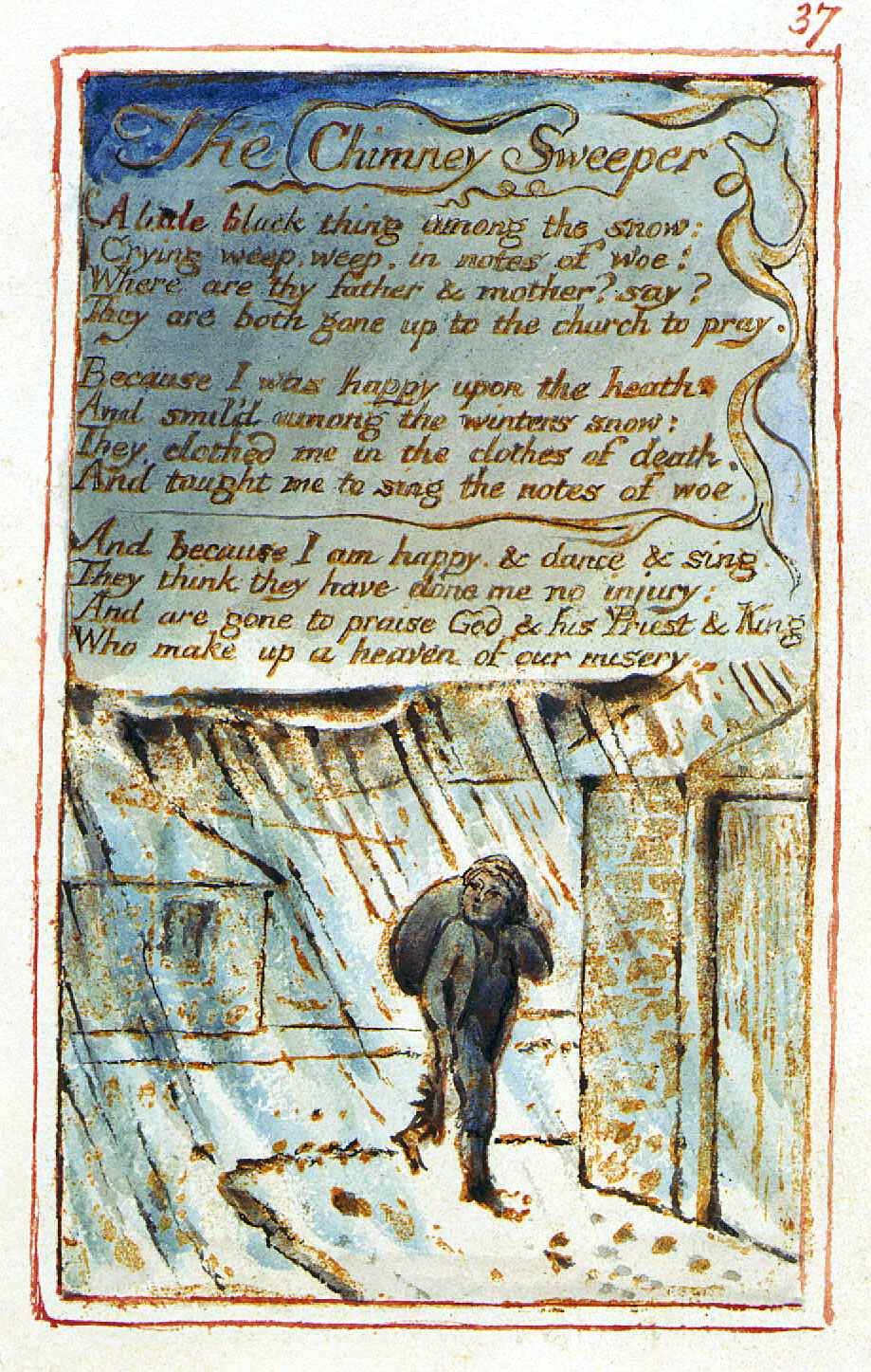
The Chimney Sweeper
William Blake · 1789 and 1794
Free account
Browse every William Blake source
Sign up free →
Ready when you are
Start chatting with William Blake now.
20 messages free · No credit card · Available in 50+ languages.