


Secondary sourcePainting1881
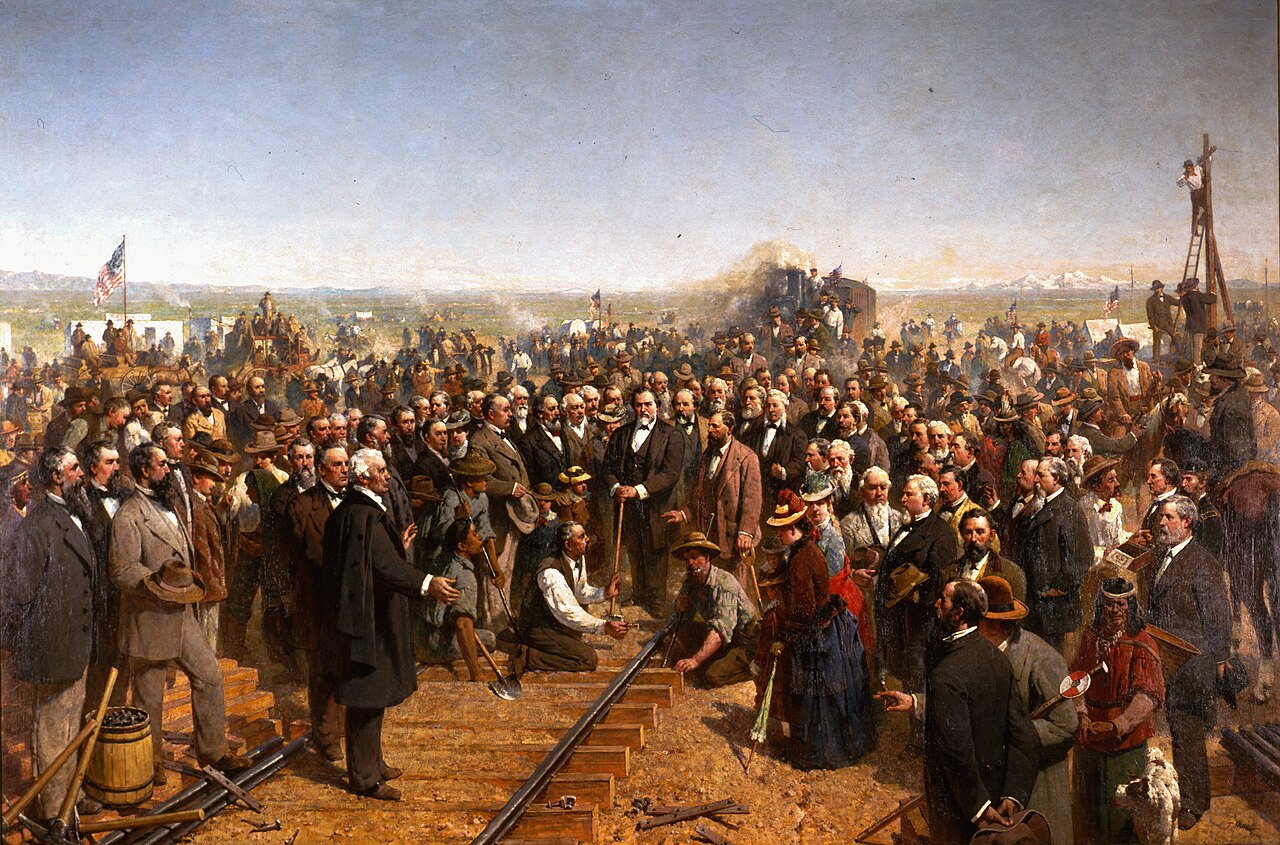
The Last Spike
Thomas Hill · 1881
An 1881 painting of the 1869 ceremony joining the transcontinental railroad, placing Stanford at the center of the event.
Stanford is depicted at the center of the ceremony, reflecting how he wished the historic event to be remembered.
About this source
What it is
This is a large painting by Thomas Hill, completed in 1881, depicting the ceremony at Promontory Summit, Utah, on May 10, 1869, when the rails of the Central Pacific and Union Pacific railroads were joined. It is held at the California State Railroad Museum.
Why it matters
The painting shows the crowd gathered around the tracks with a locomotive in the background, but historians note several men shown, including Collis Huntington, Charles Crocker, Edwin Crocker, Theodore Judah, and Mark Hopkins, were not actually present. Only Leland Stanford and Charles Marsh, both depicted, really attended. The painting shows how Stanford and others wanted the historic moment remembered, rather than exactly as it happened.
Look closer
- Why might an artist include people who were not actually there?
- What does this painting suggest about who wanted credit for the railroad's completion?
- How does comparing the painting with historical fact change how you read it?
This painting is part of the curated material that grounds the AI version of Leland Stanford on Humy.ai — when students ask about related events, the AI can quote it and cite it.
More Leland Stanford sources
Meet the AI Leland Stanford →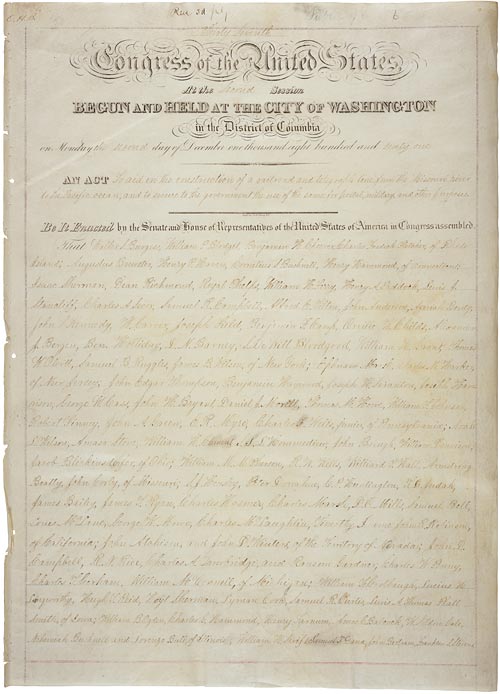 Document
Primary source
Pacific Railway Act
1 July 1862
 Painting
Primary source
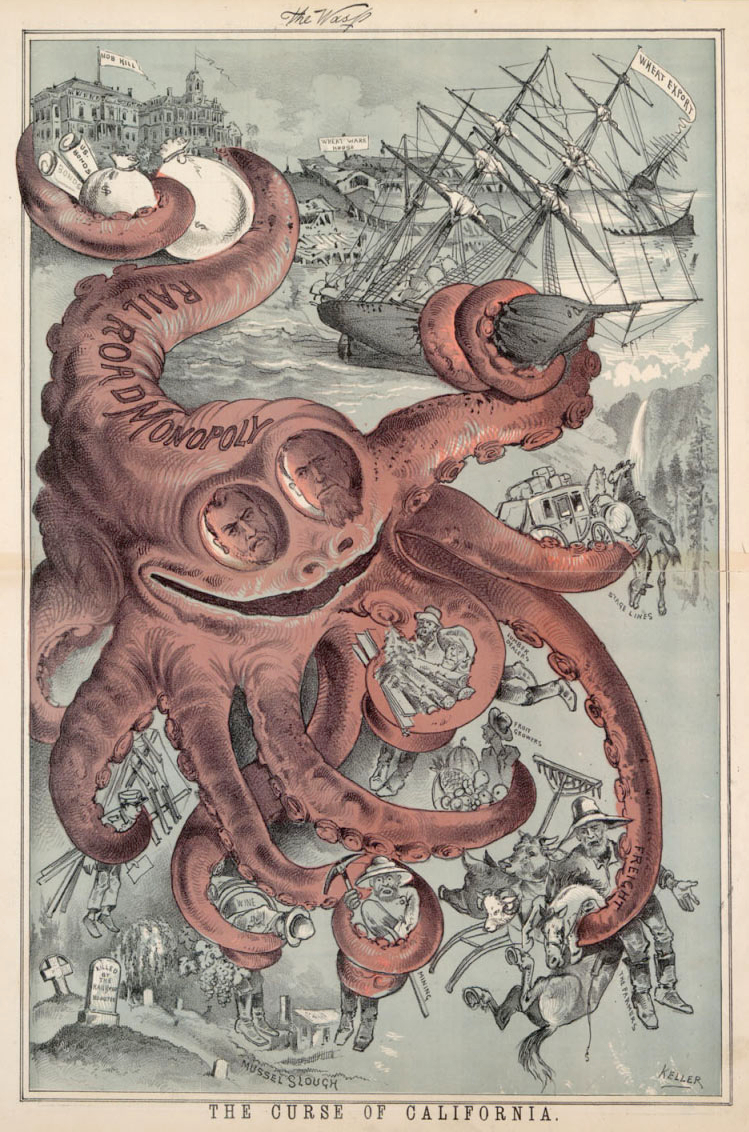
The Curse of California
George Frederick Keller · 1882
 Document
Primary source
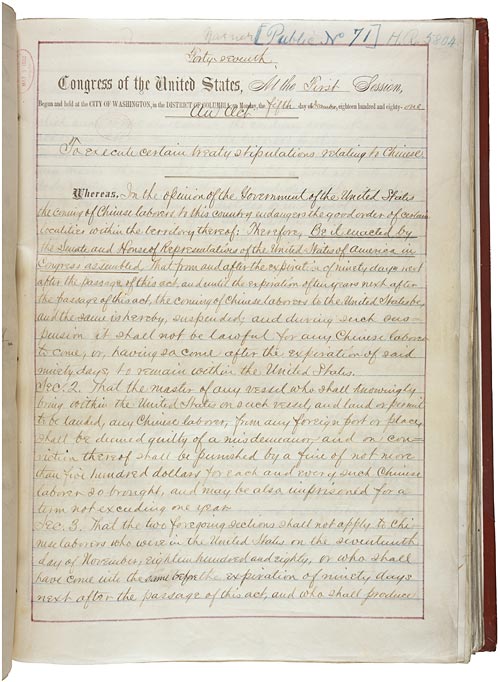
Chinese Exclusion Act
6 May 1882
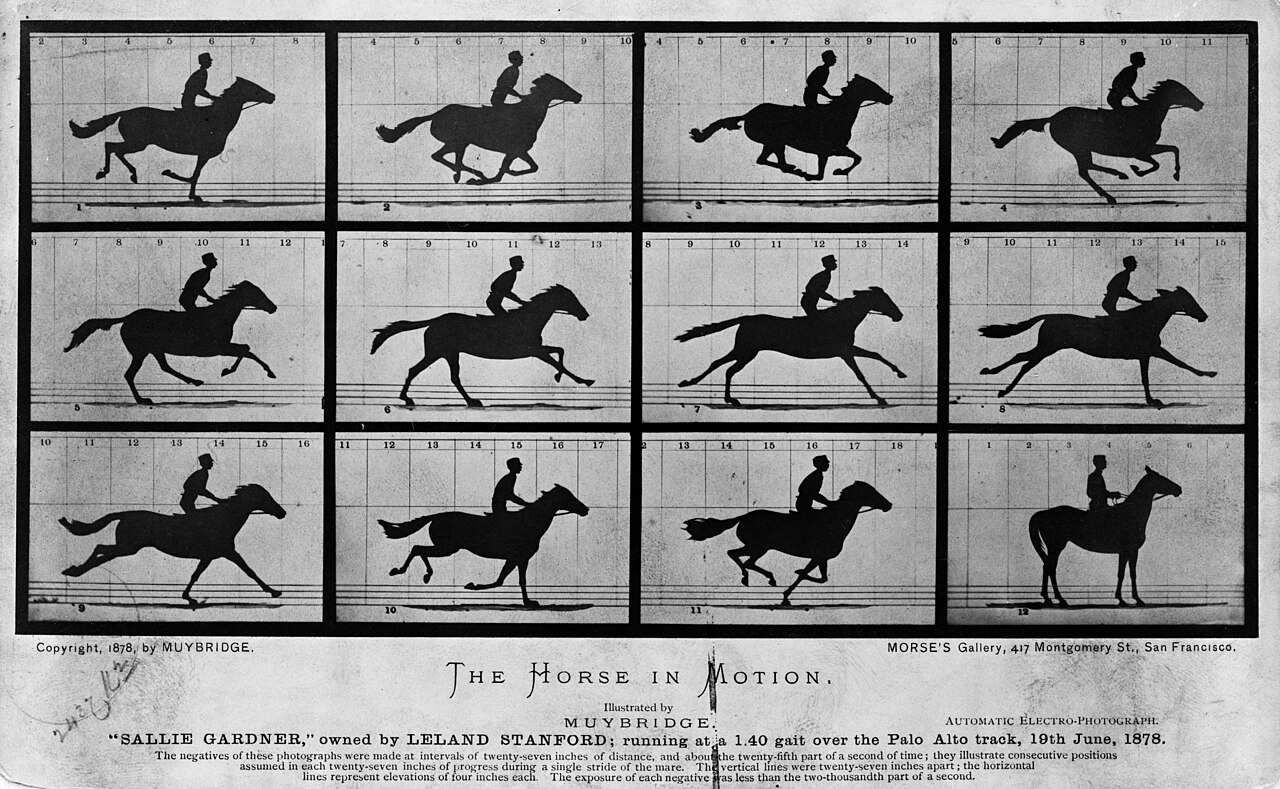 Photograph
Primary source
Sallie Gardner at a Gallop
Eadweard Muybridge · 19 June 1878
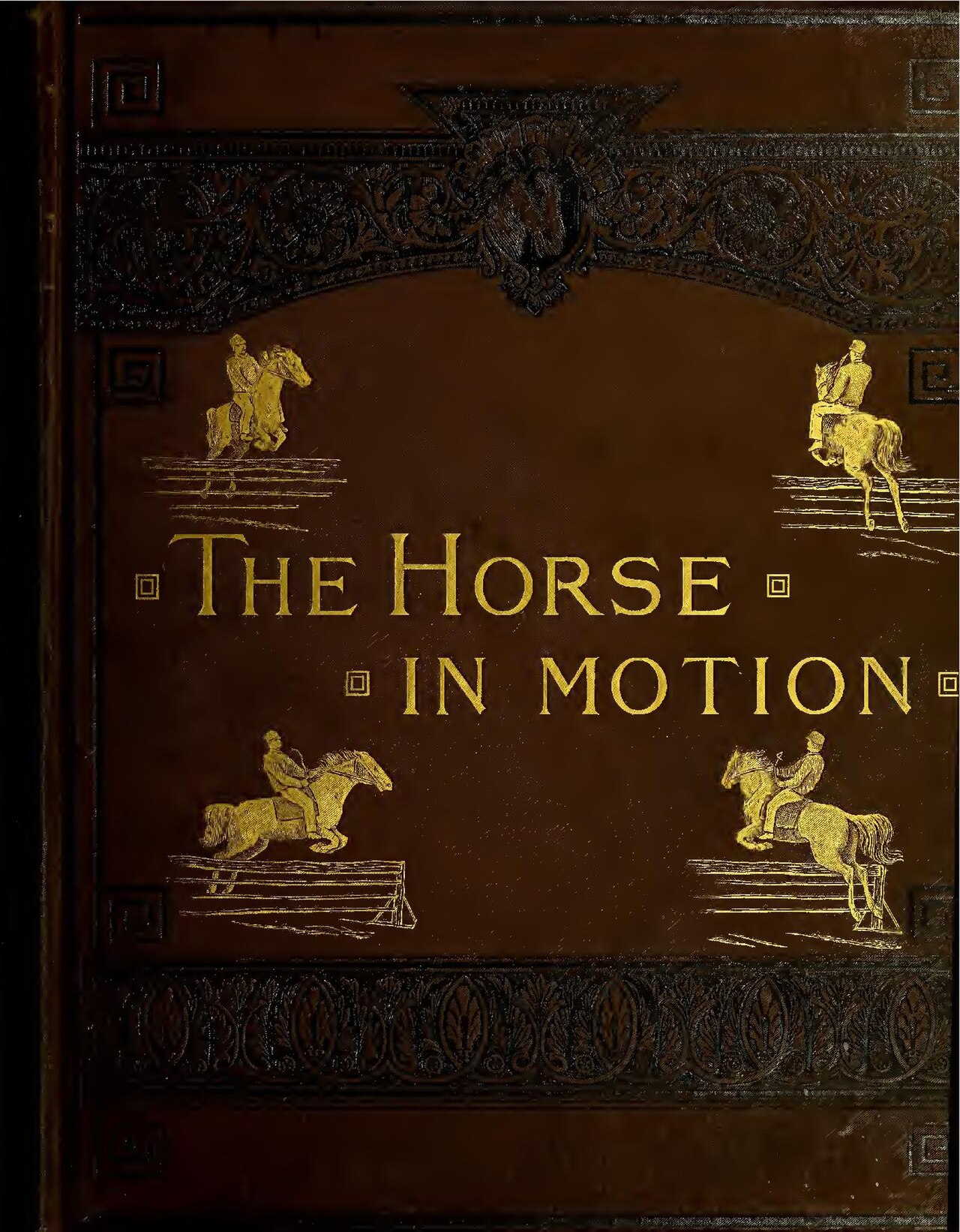 Book
Primary source
The Horse in Motion as Shown by Instantaneous Photography
J. D. B. Stillman · 1882
Ready when you are
Start chatting with Leland Stanford now.
20 messages free · No credit card · Available in 50+ languages.