


Secondary sourceSculpture1913
The Little Mermaid
Edvard Eriksen · 1913
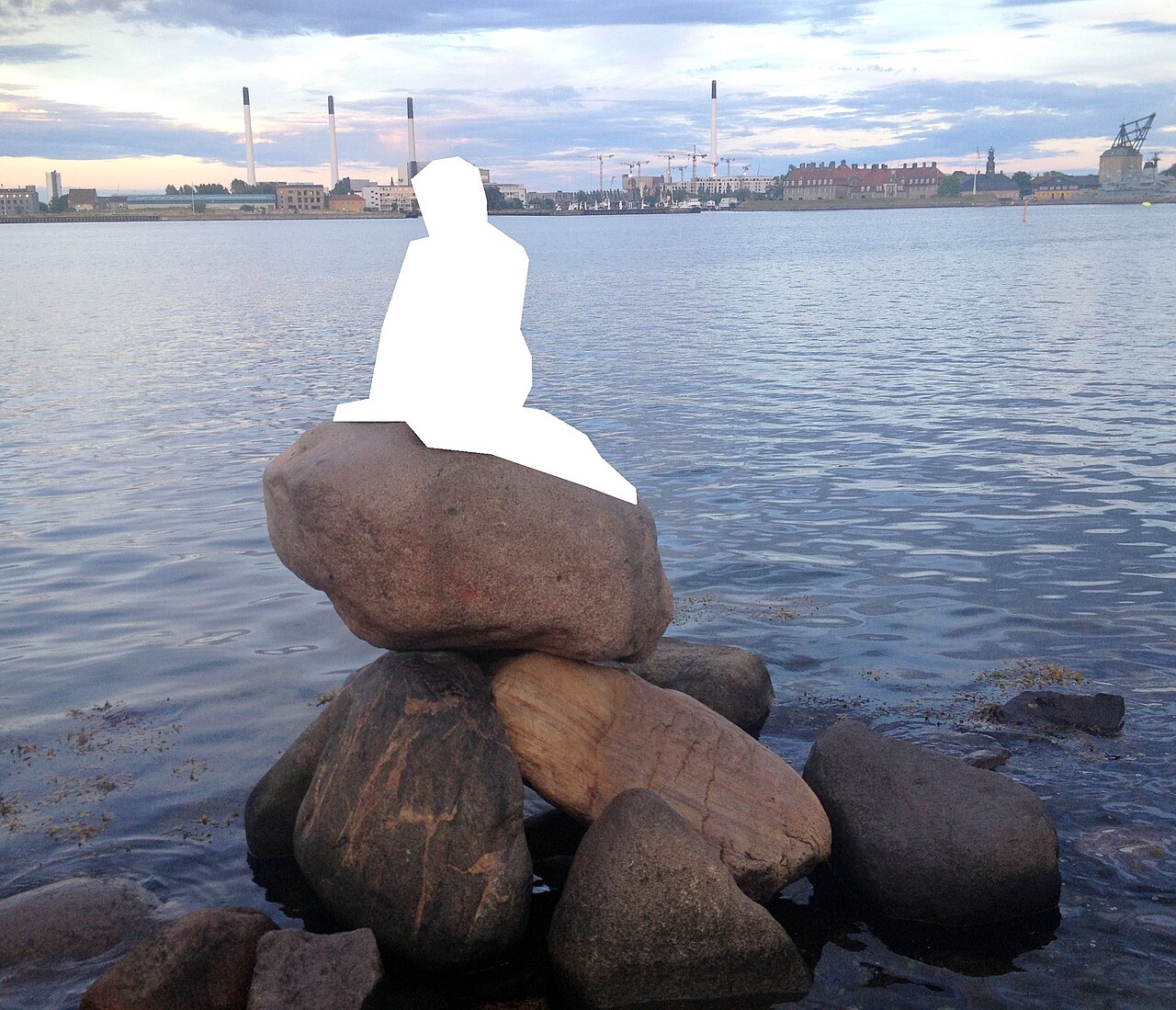
Edvard Eriksen's 1913 bronze statue on the Copenhagen waterfront, based on Andersen's 1837 fairy tale.
A later sculpture inspired by Andersen's fairy tale, which turned his story into a symbol of Copenhagen.
About this source
What it is
The Little Mermaid is a bronze statue by Edvard Eriksen, unveiled on 23 August 1913 on a rock at the Langelinie promenade in Copenhagen. It is 1.25 metres tall. The statue was commissioned by Carl Jacobsen, and the sculptor used his wife, Eline Eriksen, as the model. It is based on Andersen's 1837 fairy tale of the same name.
Why it matters
The statue became a Copenhagen icon and a major tourist attraction. It has been defaced and attacked many times since the 1960s, and it has been moved only officially once, for Expo 2010 in Shanghai. Its story shows how a tale by Andersen became a national symbol that people from many groups now argue over.
Look closer
- What does the statue suggest about the tale, and what does it leave out?
- Why might a small statue become so widely recognised and so often targeted?
- Who decides what a public statue of a writer should mean?
This sculpture is part of the curated material that grounds the AI version of Hans Christian Andersen on Humy.ai — when students ask about related events, the AI can quote it and cite it.
More Hans Christian Andersen sources
Browse all 98 →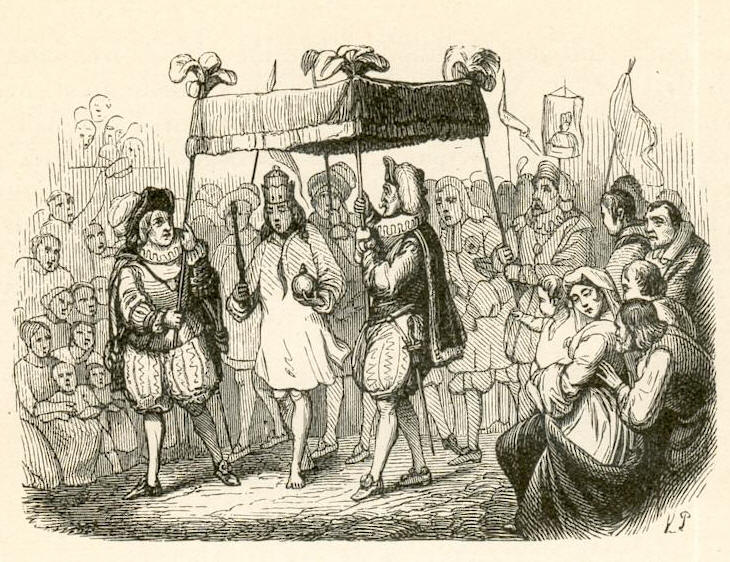 Book
Primary source
The Emperor's New Clothes
Hans Christian Andersen · 1837
 Book
Primary source
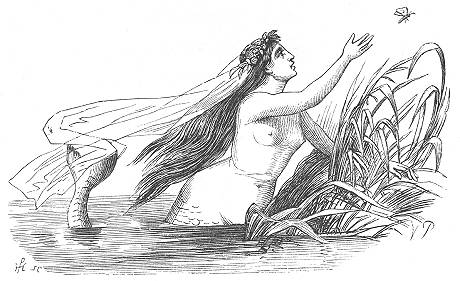
The Little Mermaid
Hans Christian Andersen · 1837
 Book
Primary source
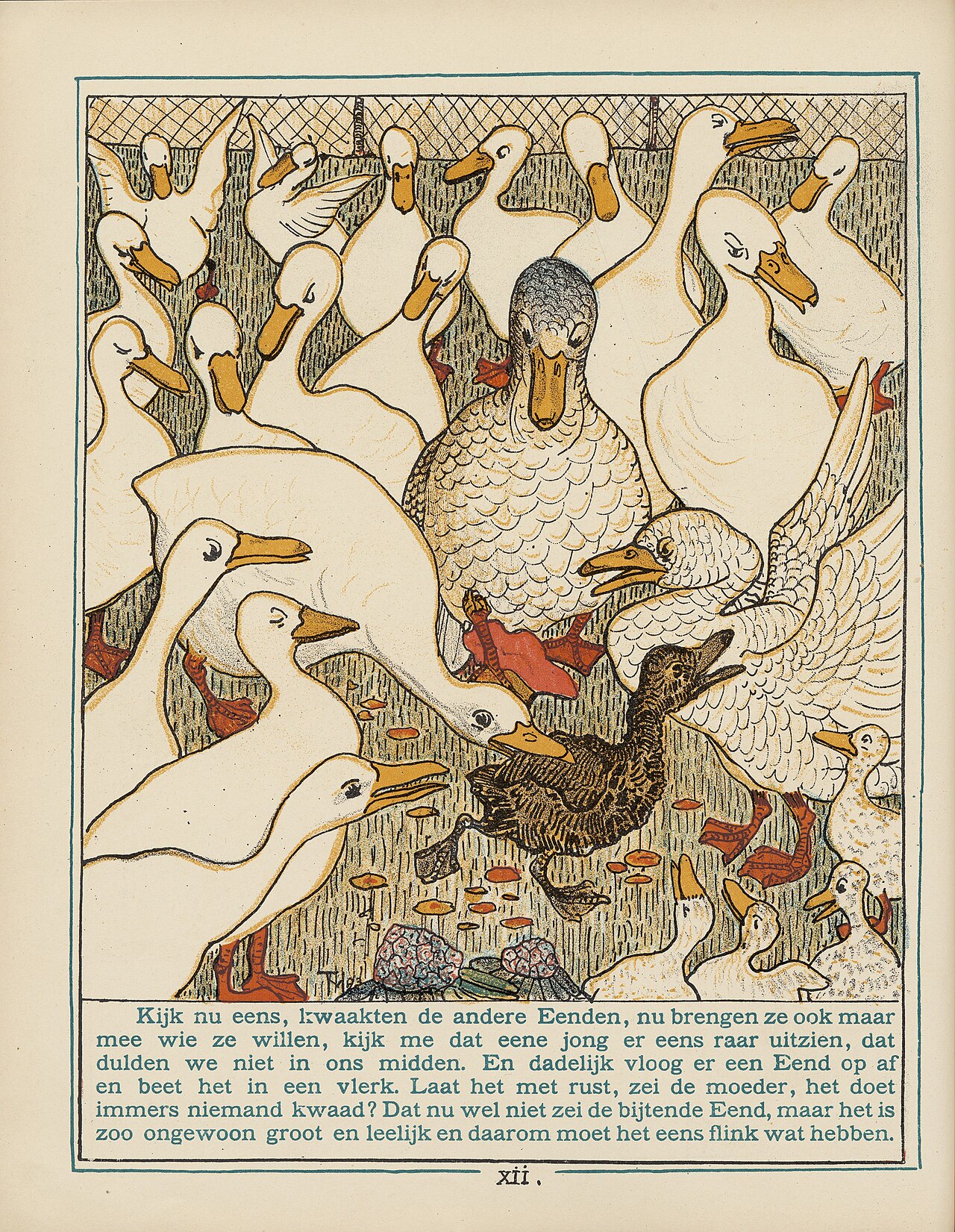
The Ugly Duckling
Hans Christian Andersen · 1843
 Book
Primary source
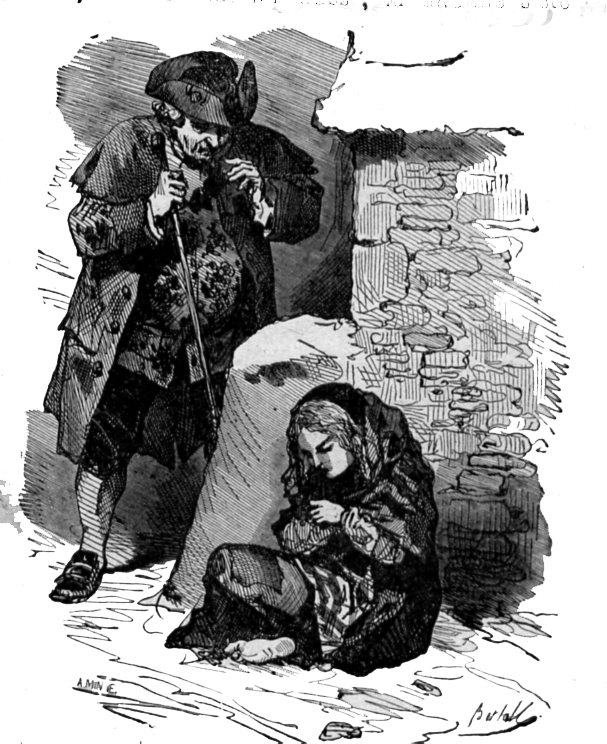
The Little Match Girl
Hans Christian Andersen · 1845
Free account
Read every Hans Christian Andersen source
Sign up free →
Ready when you are
Start chatting with Hans Christian Andersen now.
20 messages free · No credit card · Available in 50+ languages.