


Primary sourceBook1934 (German), 1959 (English)
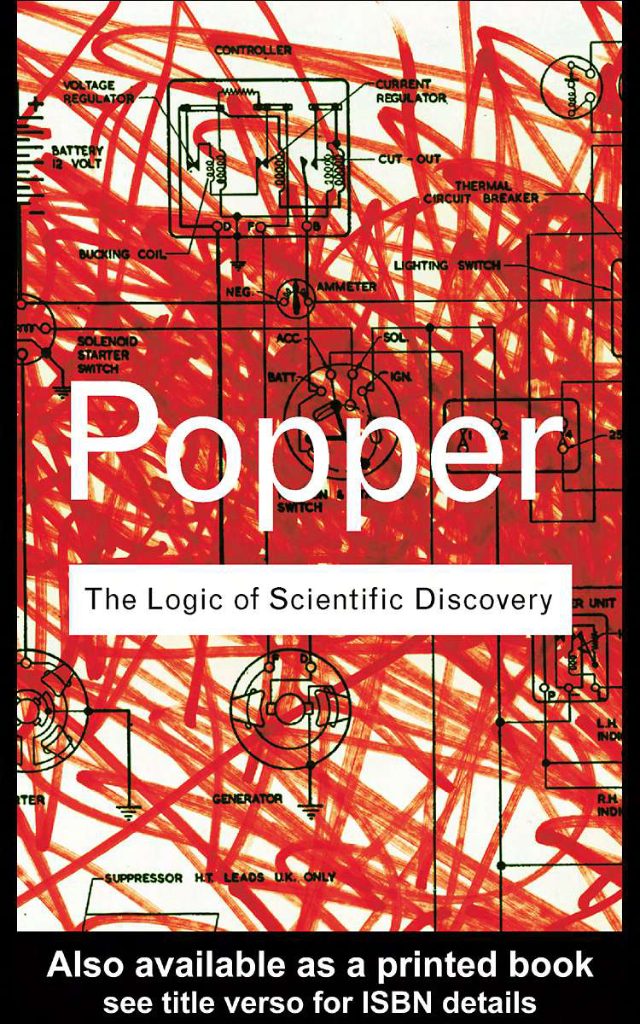
The Logic of Scientific Discovery
Karl Popper · 1934 (German), 1959 (English)
Karl Popper's foundational work arguing that science advances by attempting to disprove theories rather than prove them, introducing falsifiability.
Popper's own landmark book, written by him, setting out the theory of falsifiability that defines his philosophy.
Free Humy account · No credit card · 120,912 sources to read
About this source
What it is
A book written by Karl Popper, first published in German in 1934 as Logik der Forschung and later in English in 1959. The scanned copy available here is held as a digitised text.
Why it matters
Before this book, many thinkers believed science worked by gathering evidence to prove theories true. Popper argued the opposite: science progresses by trying to disprove its own theories, a concept known as falsifiability. This idea reshaped how scientists and philosophers understand the scientific method and remains central to debates about what makes an idea scientific.
Look closer
- Why might trying to disprove a theory be more useful than trying to prove it?
- What kinds of claims would Popper say are not scientific, based on this idea?
- How might Popper's own experiences in the early 20th century have shaped this argument?
This book is part of the curated material that grounds the AI version of Karl Popper on Humy.ai — when students ask about related events, the AI can quote it and cite it.
More Karl Popper sources
Browse all 18 → Document
Primary source
Certificate of Registration of Alien: Karl Raimund Popper
12 September 1939
 Photograph
Primary source
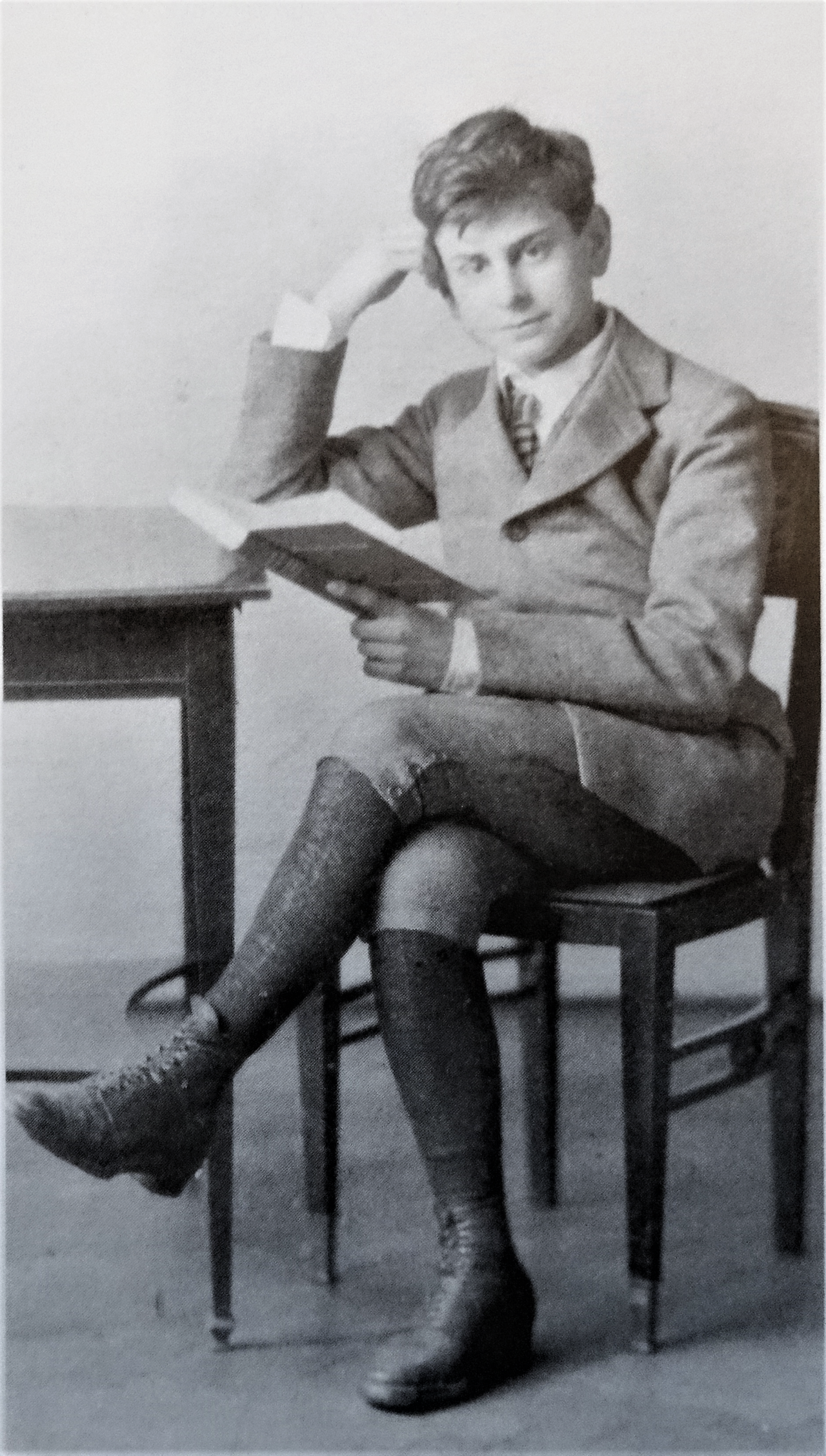
Karl Popper at Fifteen
Unknown (photo by Reame)
 Photograph
Primary source
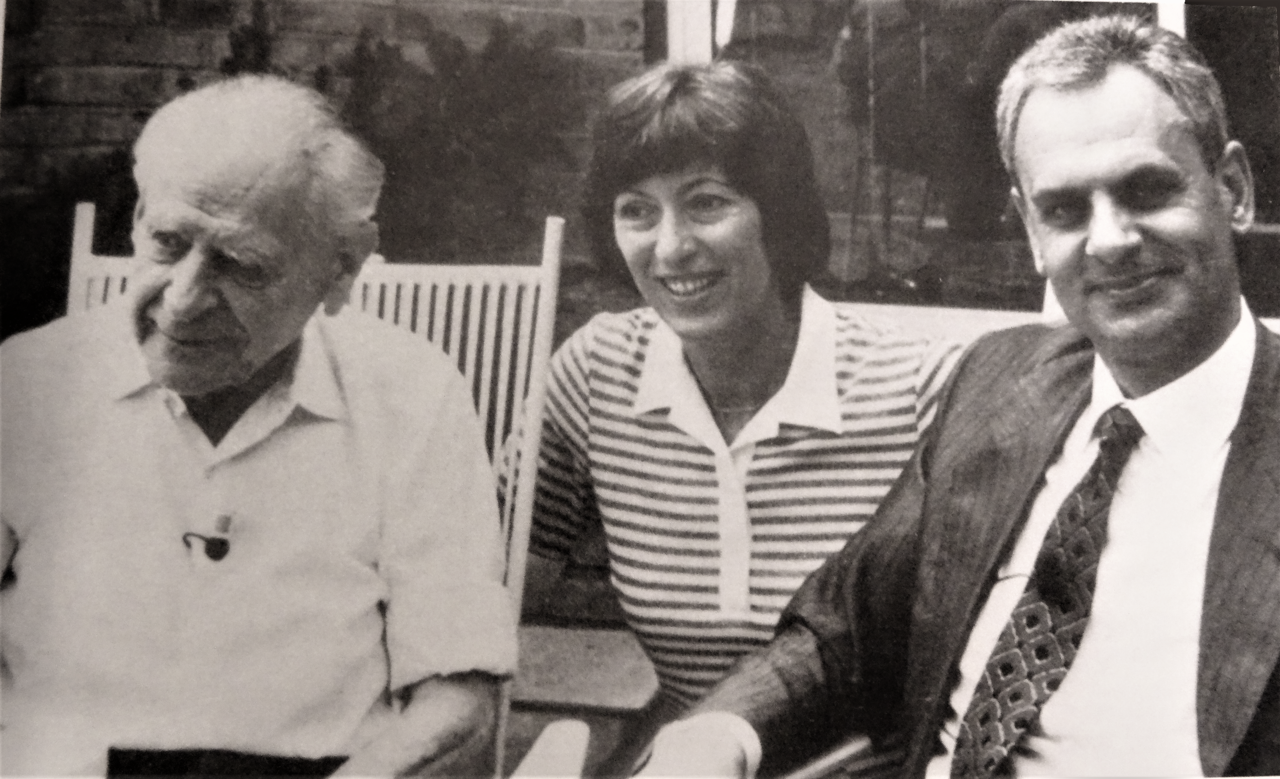
Karl Popper with Melitta Mew and Marcello Pera at Kenley
Reame · 1986
 Photograph
Primary source
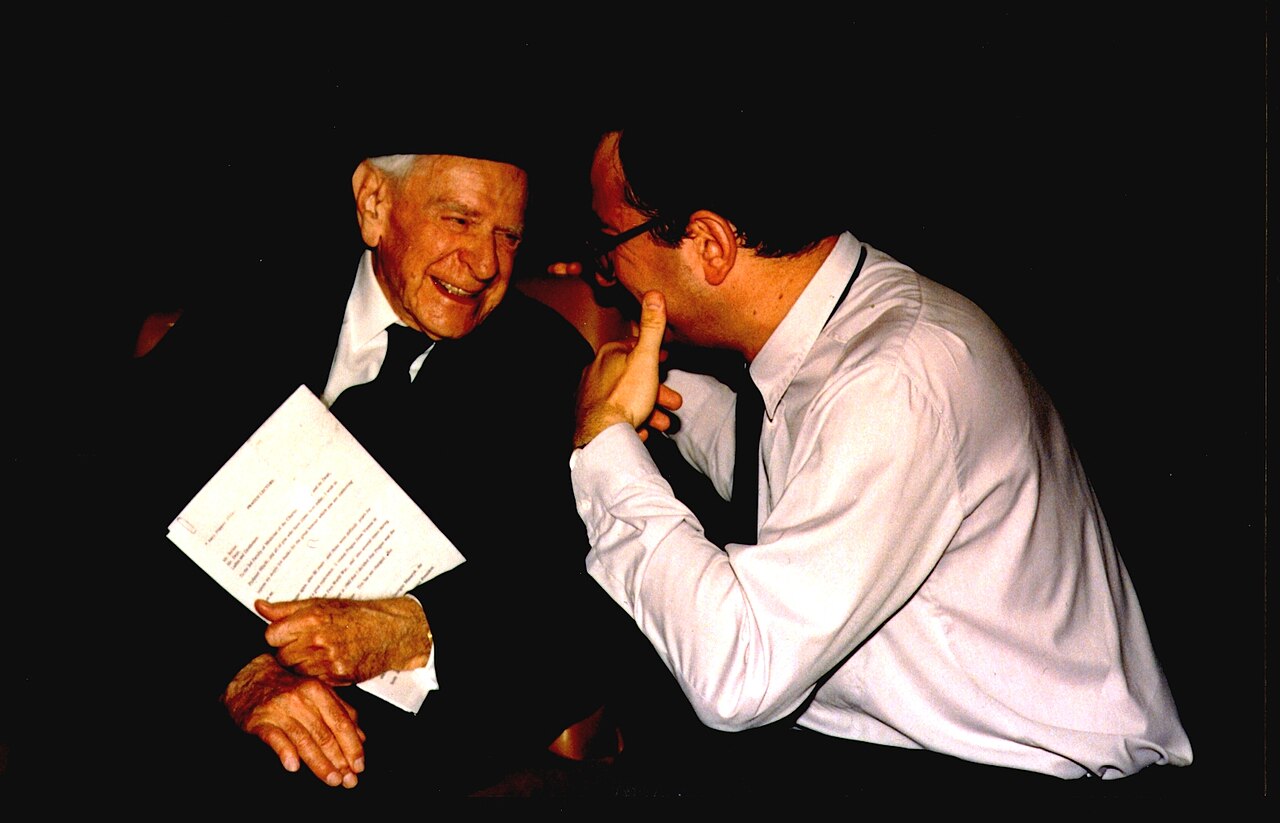
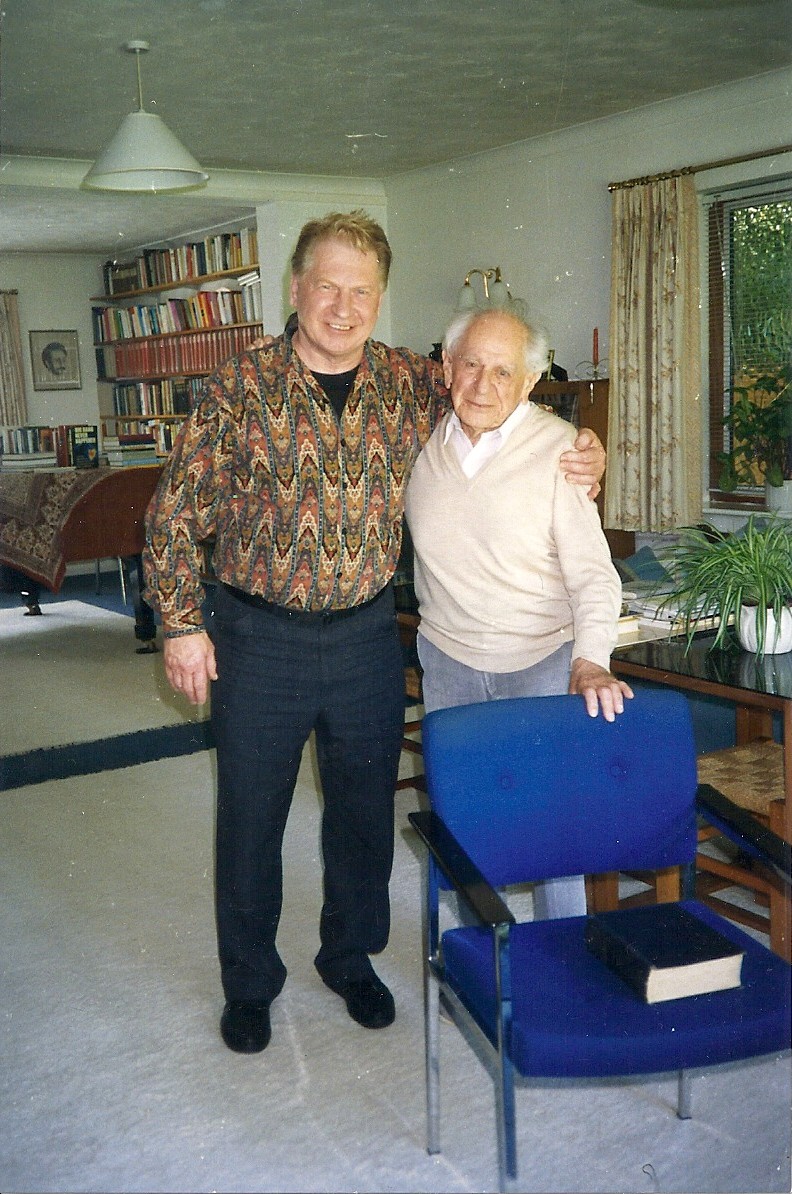
Karl Popper and Cyril Höschl
Arnošt Pasler
Free account
Read every Karl Popper source
Sign up free →
Ready when you are
Start chatting with Karl Popper now.
20 messages free · No credit card · Available in 50+ languages.