


Secondary sourceBook1924
The Lotus Dome (appendix to A Handbook of Indian Art)
1924
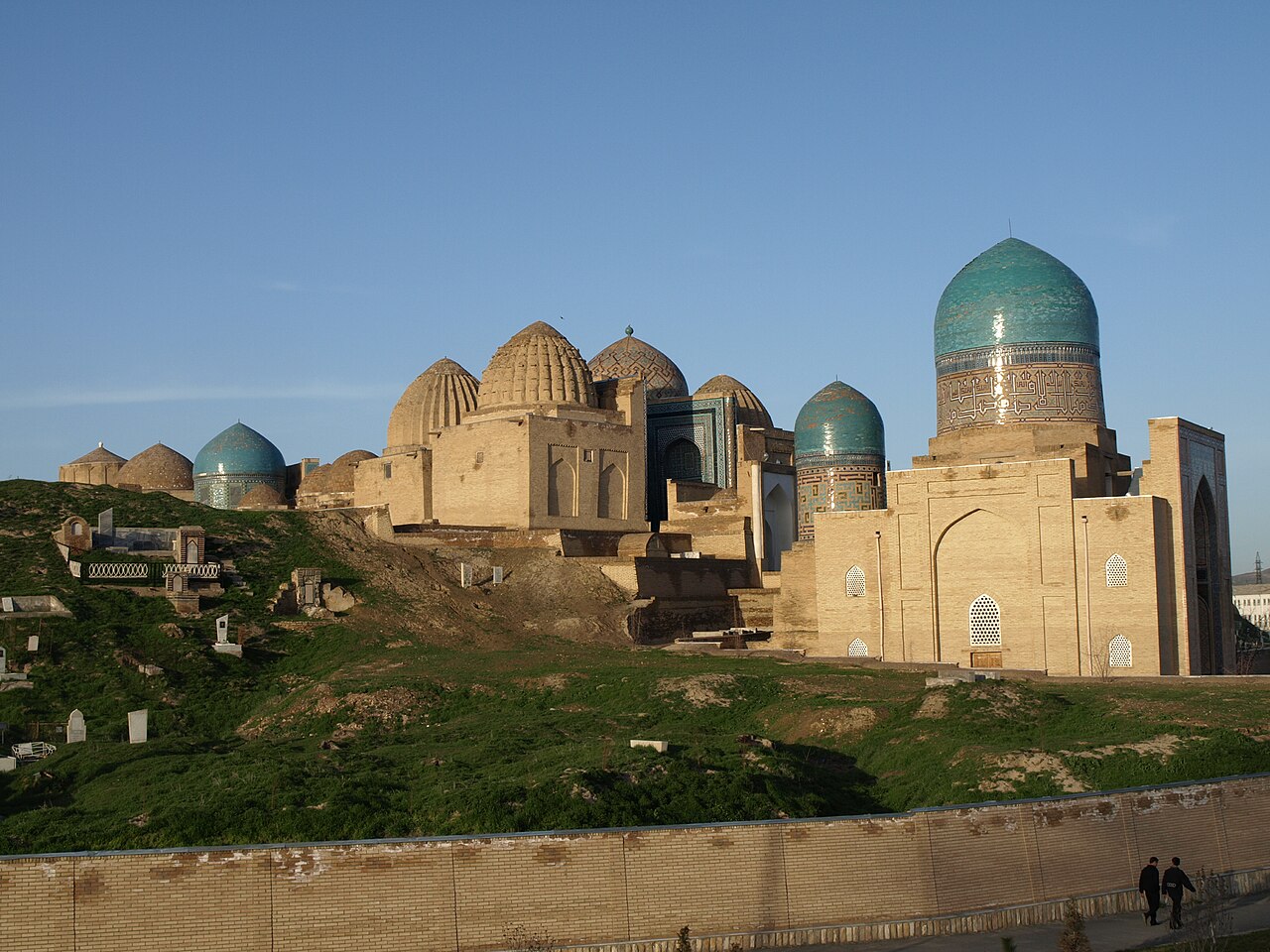
A 1924 appendix on Indian art that discusses the lotus dome and mentions Timur's Samarkand buildings in a debate about where the dome's design came from.
Discusses Timur's Samarkand buildings only as part of a scholarly argument about architecture, not as a record from his own time.
Free Humy account · No credit card · 120,912 sources to read
About this source
What it is
This is an appendix titled 'The Lotus Dome' in a 1924 book on Indian art. The English text is available as a transcription on Wikisource. It discusses the symbolism of the lotus in Indian art and criticizes architectural terms such as 'horse-shoe' arch and 'bulbous' dome, which the author calls misleading.
Why it matters
The appendix describes a scholarly debate about where the lotus dome came from. K. A. C. Cresswell, in the Indian Antiquary for July 1915, tried to disprove an Indian origin by arguing that Timur had his craftsmen at Samarkand follow the great wooden dome of the Umayyad Mosque at Damascus. The appendix shows how a 1924 writer responded to this claim. It is a later work, not a record made in Timur's time, so it tells us how scholars of the twentieth century read his buildings.
Look closer
- What evidence does the author use to argue for an Indian origin of the lotus dome?
- Why does the author criticize the terms used by Fergusson, and what does that tell you about how scholars describe buildings?
- Whose voice is missing here, and how would a source from Timur's own court change the picture?
This book is part of the curated material that grounds the AI version of Timur on Humy.ai — when students ask about related events, the AI can quote it and cite it.
More Timur sources
Browse all 68 →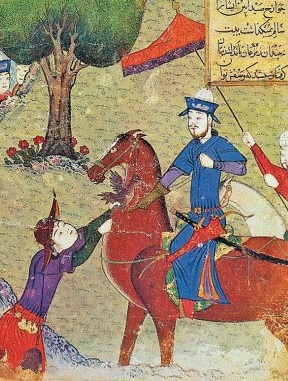 Painting
Secondary source
Timur Hunting
1436 CE (AH 839)
 Painting
Secondary source
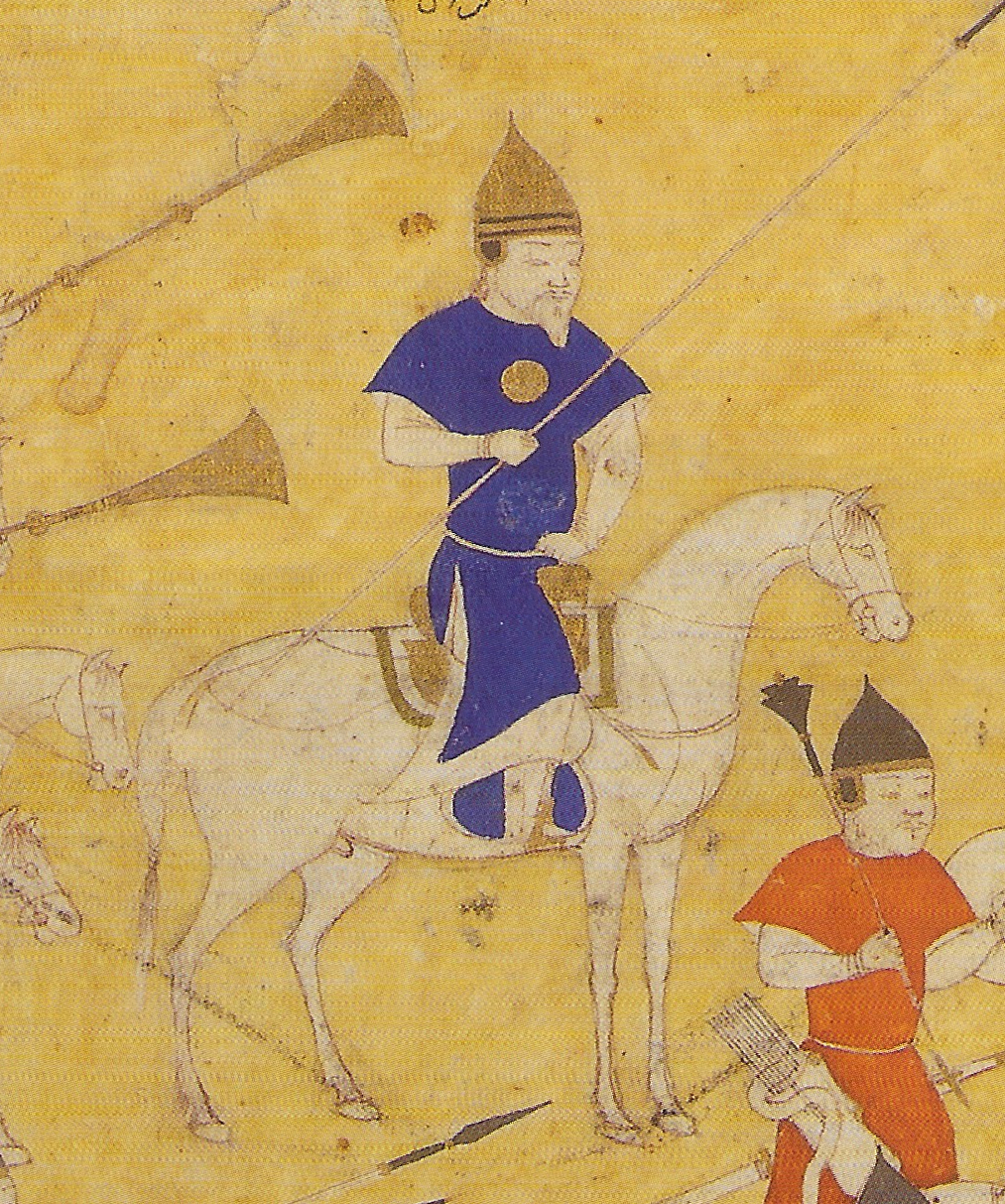
Timur on Horse: Battle Between Timur and Toqtamish Khan
1420-1440
 Painting
Secondary source
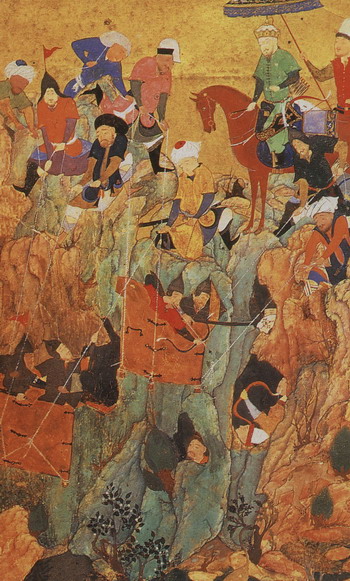
Timur's Army Attacks Nerges, Georgia
Kamal ud-Din Behzad · spring 1396 (depicted); 16th century (painted)
 Painting
Secondary source
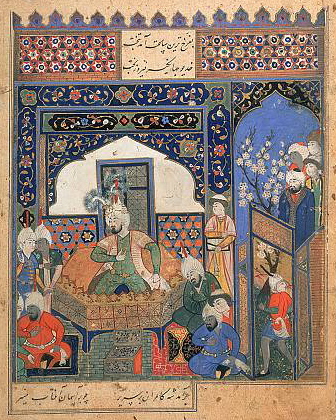
Timur Enthroned at Balkh, Afghanistan
Free account
Read every Timur source
Sign up free →
Ready when you are
Start chatting with Timur now.
20 messages free · No credit card · Available in 50+ languages.