


Primary sourceBook1902
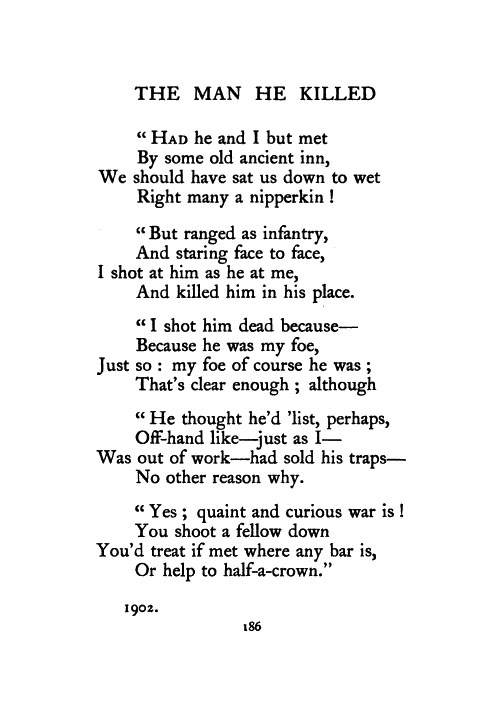
The Man He Killed
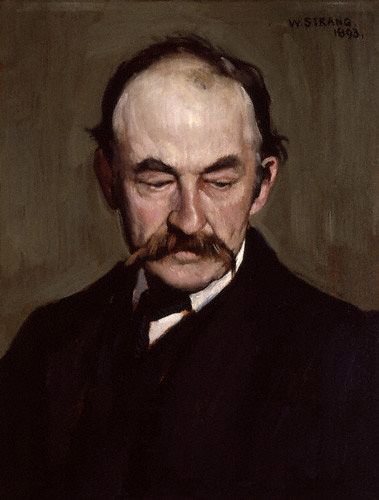
Thomas Hardy · 1902
A 1902 poem by Thomas Hardy in which a soldier questions why he killed an enemy he might otherwise have befriended.
Hardy wrote this anti-war dramatic monologue, reflecting his sceptical view of the Boer War.
Free Humy account · No credit card · 118,535 sources to read
About this source
What it is
A poem written by Thomas Hardy in 1902, during the era of the Boer War. It later appeared in his collection Time's Laughingstocks, published by Macmillan. The poem takes the form of a soldier speaking in his own voice about killing a man in battle.
Why it matters
Through the voice of an ordinary soldier, Hardy questions the logic of war: the soldier can find no real reason for killing his 'foe' except that they happened to meet as enemies, and admits that under different circumstances they might have been friends. The poem reflects Hardy's sceptical, anti-war outlook at a time when Britain was engaged in colonial conflict.
Look closer
- Why does the soldier keep correcting and qualifying himself as he speaks?
- What does the poem suggest about how ordinary men ended up as soldiers?
- How does using a simple, conversational voice make the poem's point about war more powerful?
This book is part of the curated material that grounds the AI version of Thomas Hardy on Humy.ai — when students ask about related events, the AI can quote it and cite it.
More Thomas Hardy sources
Browse all 99 →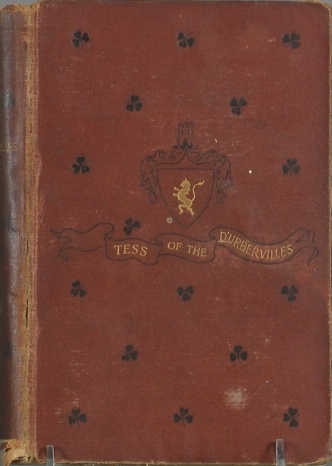 Book
Primary source
Tess of the d'Urbervilles
Thomas Hardy · 1891
 Book
Primary source
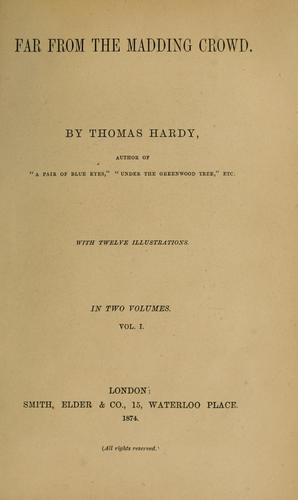
Far from the Madding Crowd
Thomas Hardy · 1874
 Book
Primary source
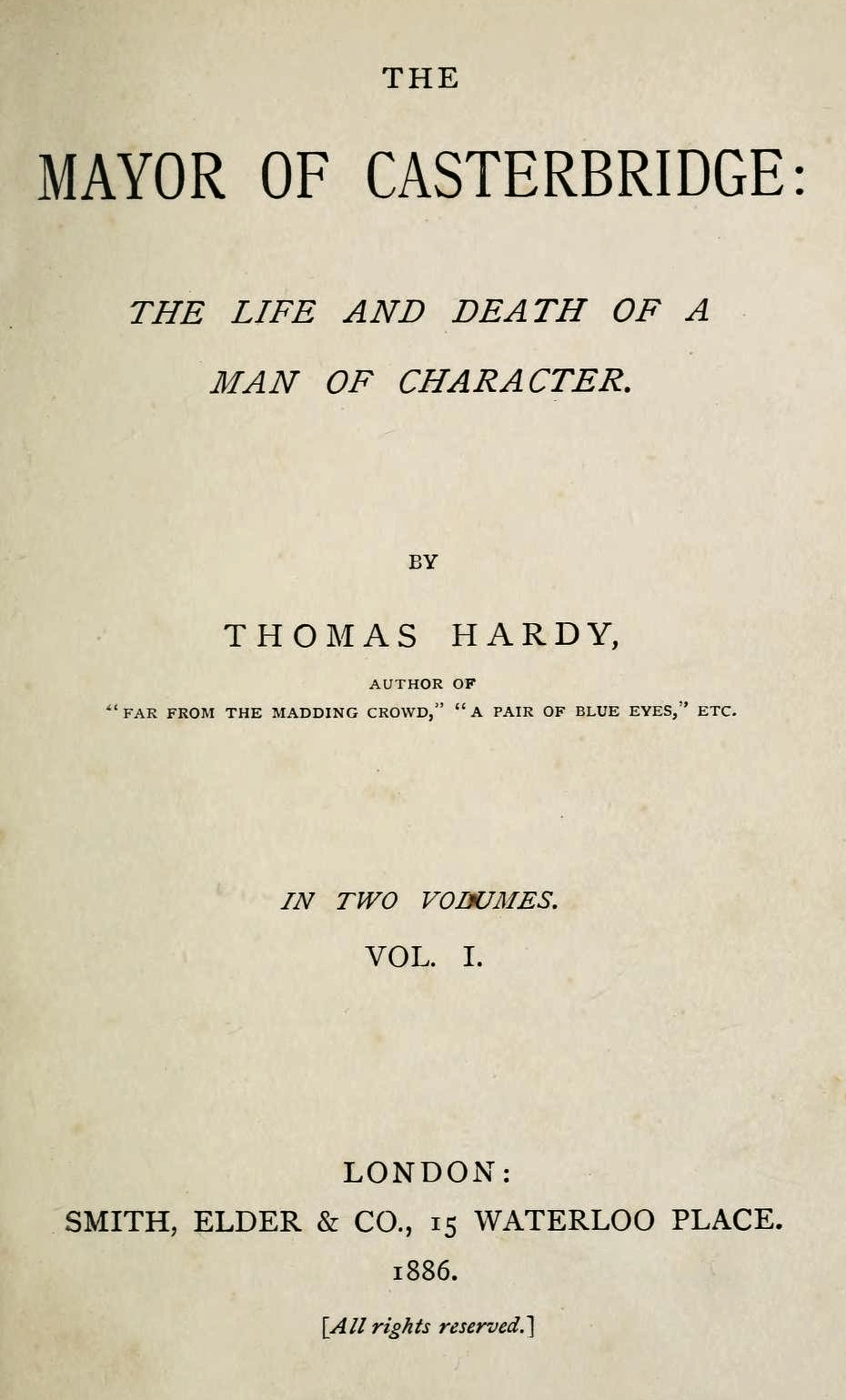
The Mayor of Casterbridge
Thomas Hardy · 1886
 Book
Primary source
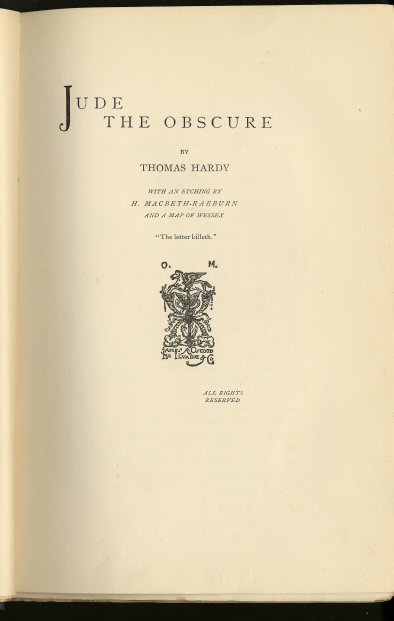
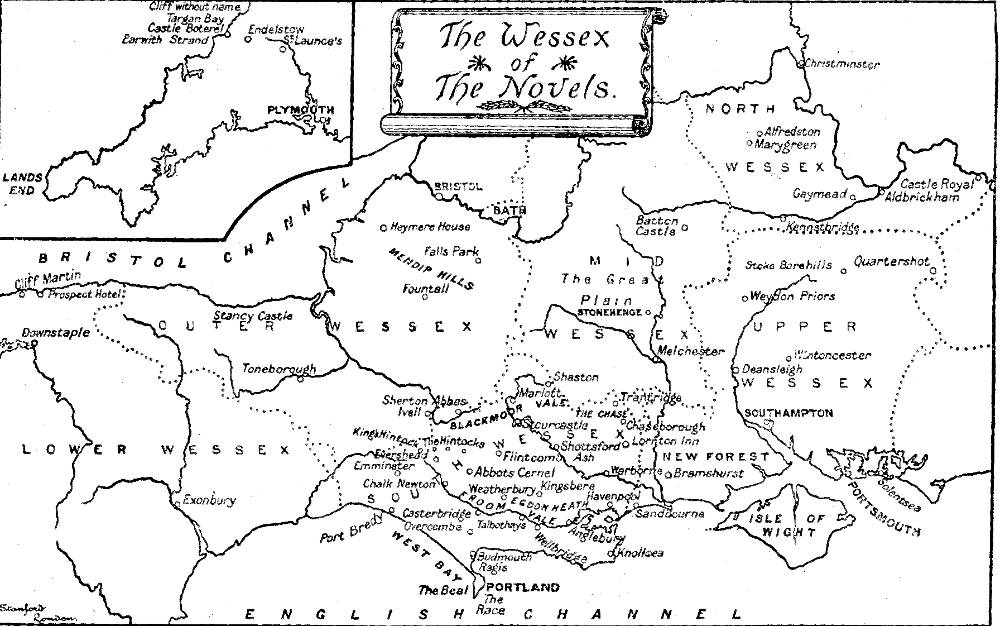
Jude the Obscure
Thomas Hardy · 1895

Free account
Read every Thomas Hardy source
Sign up free →
Ready when you are
Start chatting with Thomas Hardy now.
20 messages free · No credit card · Available in 50+ languages.