


Primary sourceBook1917
The Mark on the Wall
Virginia Woolf · 1917
Woolf's first published short story, a 1917 stream-of-consciousness sketch triggered by a narrator noticing a mark on a wall.
Woolf wrote this early story, a breakthrough into the stream-of-consciousness style that defined her later novels.
Free Humy account · No credit card · 118,535 sources to read
About this source
What it is
'The Mark on the Wall' is a short story by Virginia Woolf, first published in 1917 in a collection called Two Stories, printed by Virginia and her husband Leonard Woolf. It is written as a first-person 'stream of consciousness' monologue, in which a narrator muses on the workings of the mind after noticing a mark on a wall.
Why it matters
This story is considered Woolf's breakthrough into modernist form, moving away from traditional plot-driven narrative toward exploring thought itself. It has been widely studied as an example of introspective writing and shows the Woolfs' early experiments as both writers and publishers.
Look closer
- Why might Woolf use something as ordinary as a mark on a wall to explore how the mind works?
- What does the story's lack of a traditional plot ask of the reader?
- How does writing 'in the moment' about thoughts differ from telling a conventional story?
This book is part of the curated material that grounds the AI version of Virginia Woolf on Humy.ai — when students ask about related events, the AI can quote it and cite it.
More Virginia Woolf sources
Browse all 77 →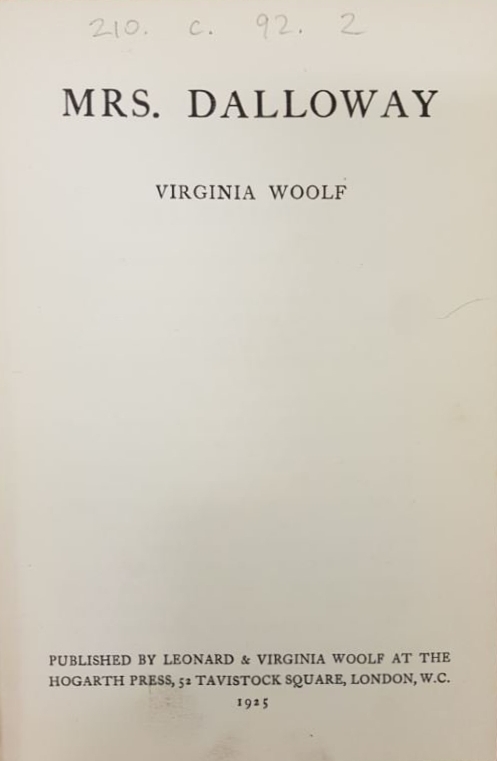 Book
Primary source
Mrs Dalloway
Virginia Woolf · 1925
 Book
Primary source
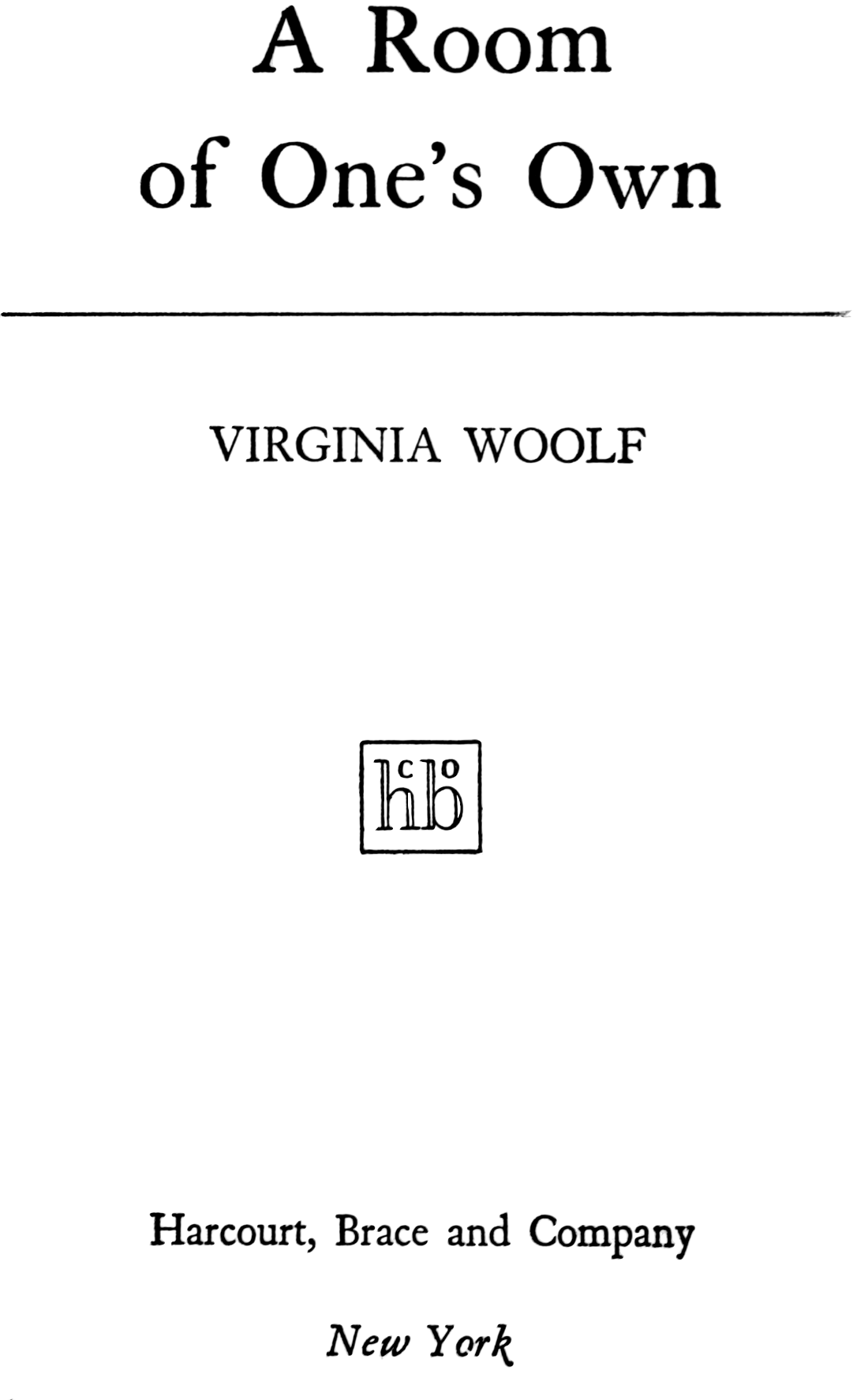
A Room of One's Own
Virginia Woolf · 1929
Primary source
Virginia Woolf suicide note
Virginia Woolf · March 1941
 Photograph
Primary source
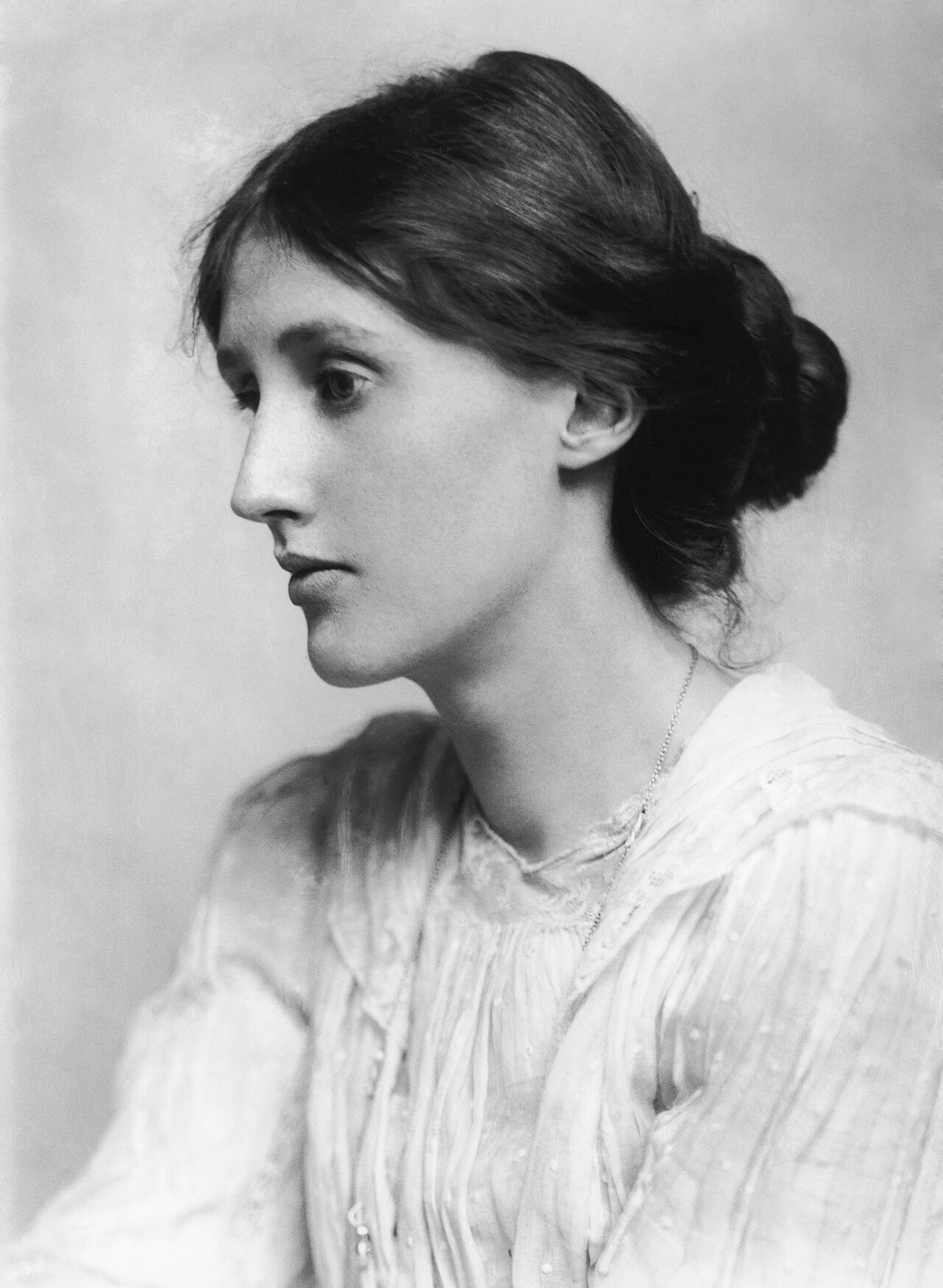
Virginia Woolf in 1902
George Charles Beresford · 1902

Free account
Read every Virginia Woolf source
Sign up free →
Ready when you are
Start chatting with Virginia Woolf now.
20 messages free · No credit card · Available in 50+ languages.