


Primary sourceBook
The Metaphysics of Fine Art
Arthur Schopenhauer
Schopenhauer's philosophical chapter on aesthetics, exploring how beauty can be enjoyed without relation to personal will.
This chapter presents Schopenhauer's own theory of aesthetics as part of his wider philosophical system.
Free Humy account · No credit card · 120,912 sources to read
About this source
What it is
This chapter, part of Arthur Schopenhauer's larger work The World as Will and Representation, addresses the philosophy of art and beauty, asking how pleasure in beauty can exist apart from personal desire.
Why it matters
This text is central to understanding Schopenhauer's aesthetics, a key part of his broader philosophical system distinguishing the will from pure perception. It reveals how his metaphysics extended into art theory, influencing later thinkers.
Look closer
- What problem does Schopenhauer try to solve about pleasure and beauty?
- How does he define the 'Beautiful' using Platonic ideas?
- Why might separating aesthetic pleasure from personal will be an important philosophical move?
This book is part of the curated material that grounds the AI version of Arthur Schopenhauer on Humy.ai — when students ask about related events, the AI can quote it and cite it.
More Arthur Schopenhauer sources
Browse all 94 →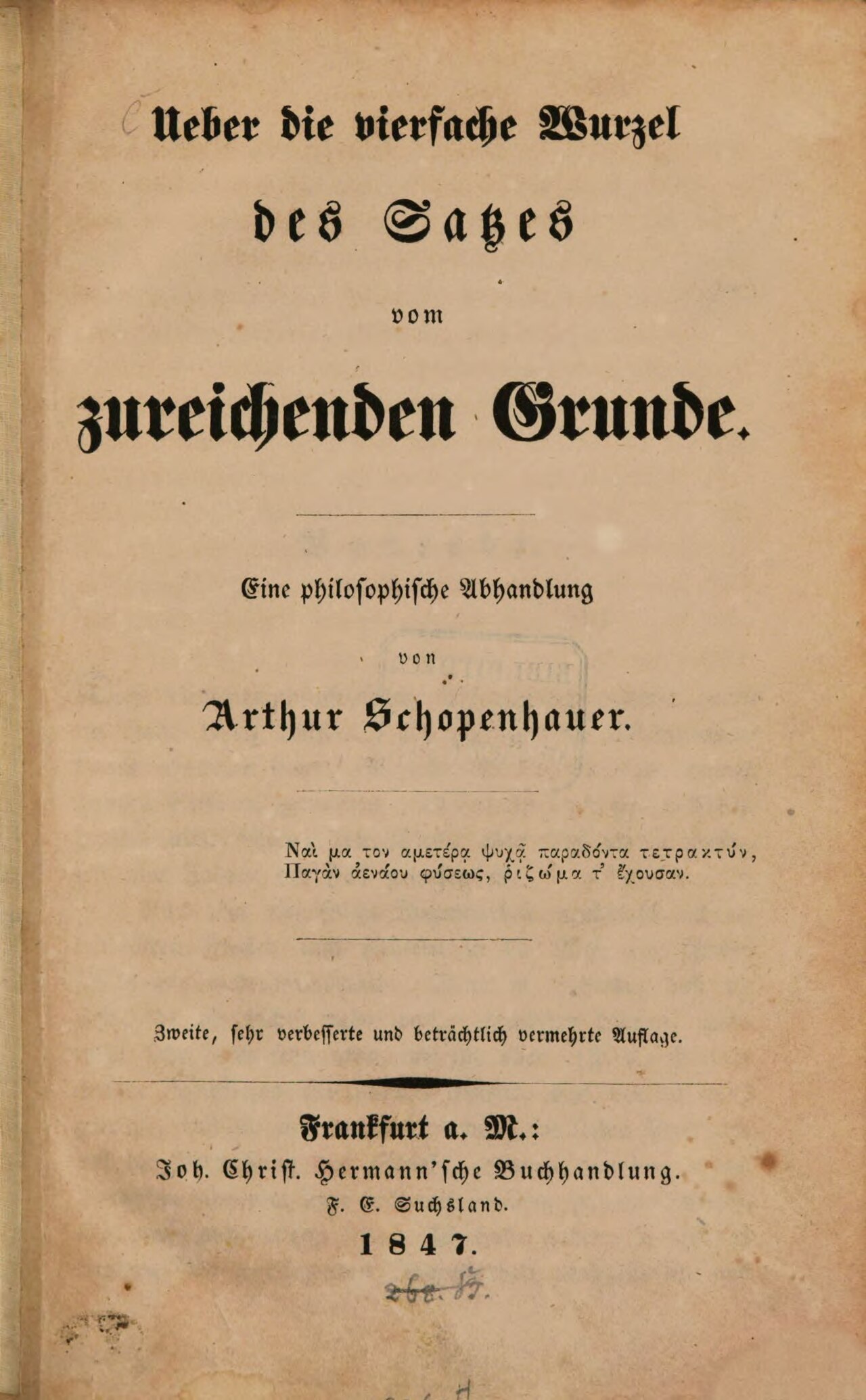 Book
Primary source
On the Fourfold Root of the Principle of Sufficient Reason
Arthur Schopenhauer · 1813, revised 1847
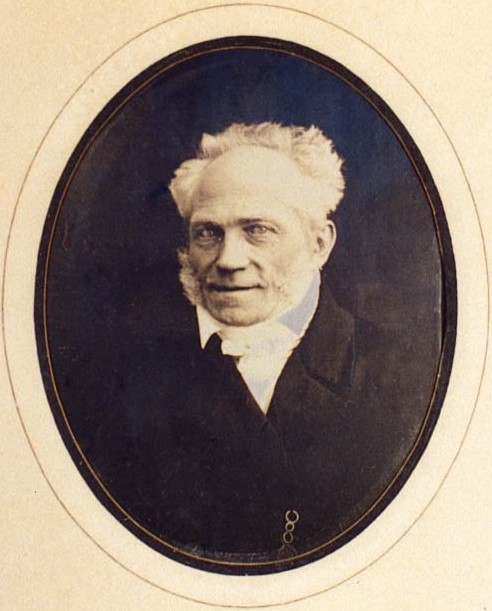
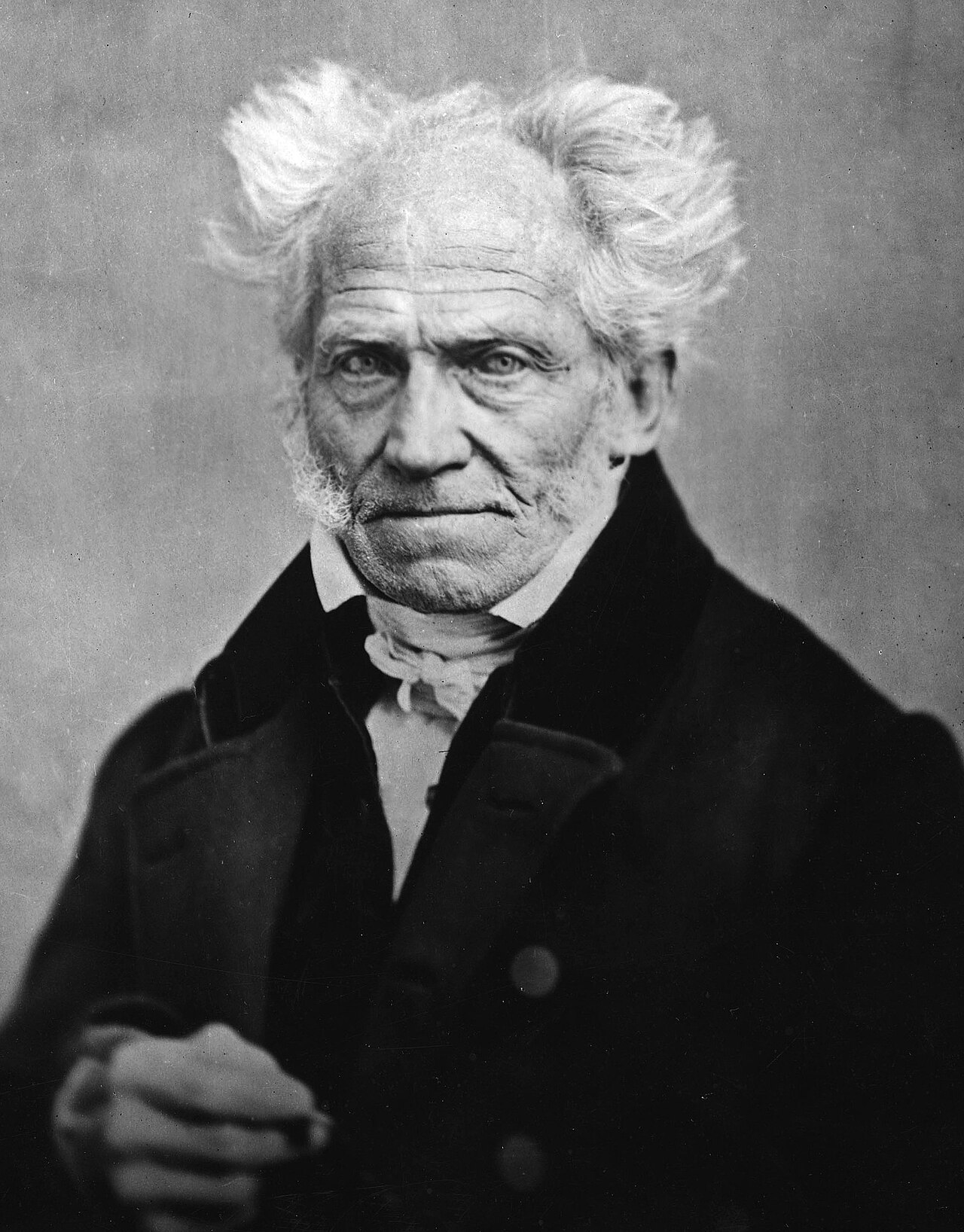 Photograph
Primary source
Portrait of Arthur Schopenhauer
Johann Schäfer · 1859
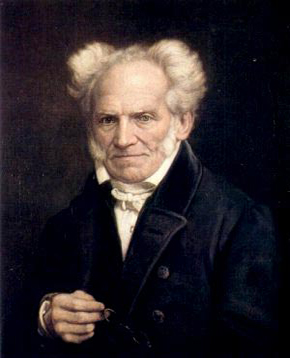
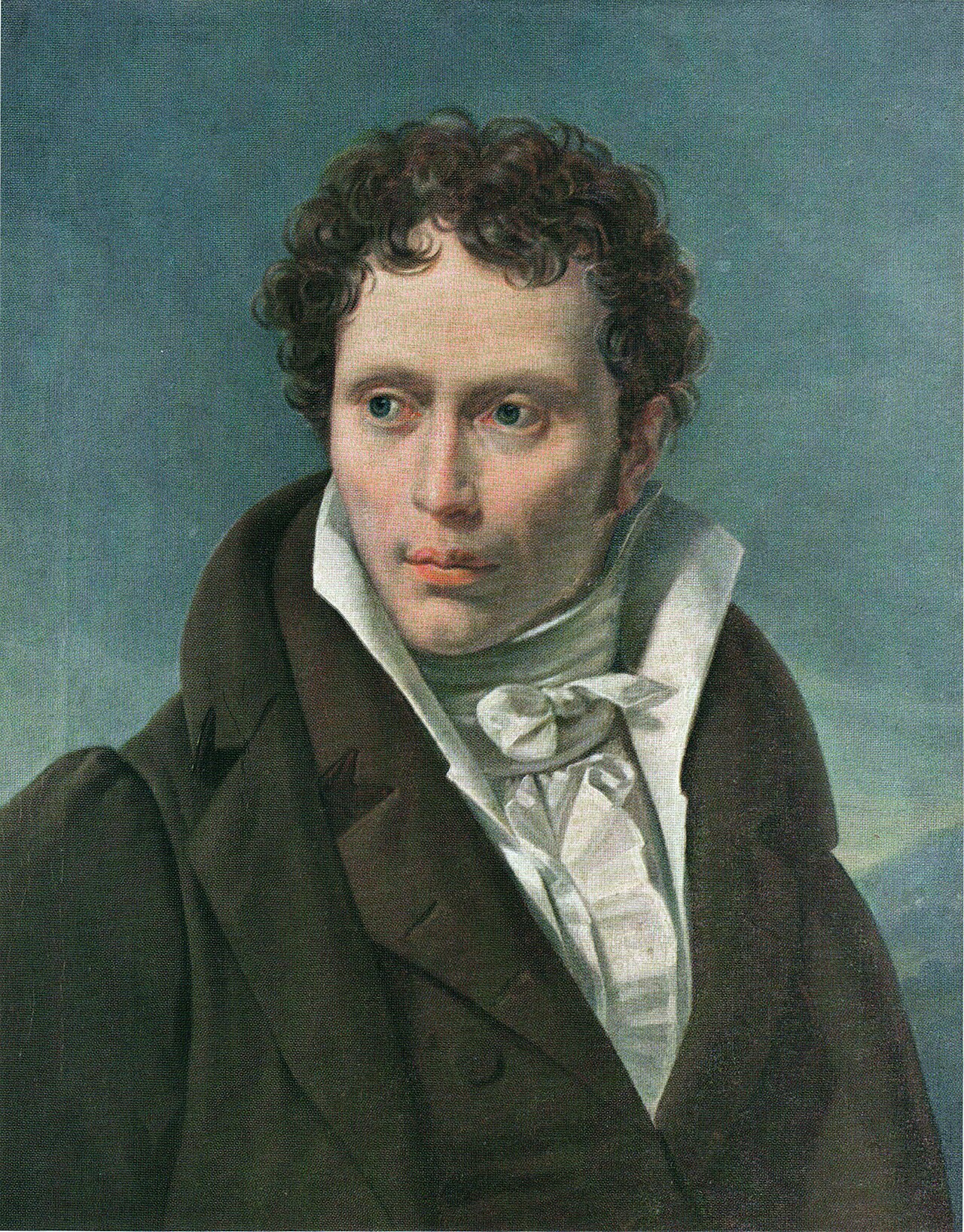 Painting
Primary source
Arthur Schopenhauer Portrait by Ludwig Sigismund Ruhl
Ludwig Sigismund Ruhl · 1815
Primary source
On the Basis of Morality
Arthur Schopenhauer · 1839, published 1840/41
Free account
Read every Arthur Schopenhauer source
Sign up free →
Ready when you are
Start chatting with Arthur Schopenhauer now.
20 messages free · No credit card · Available in 50+ languages.