


Primary sourceArtifactc. 1519
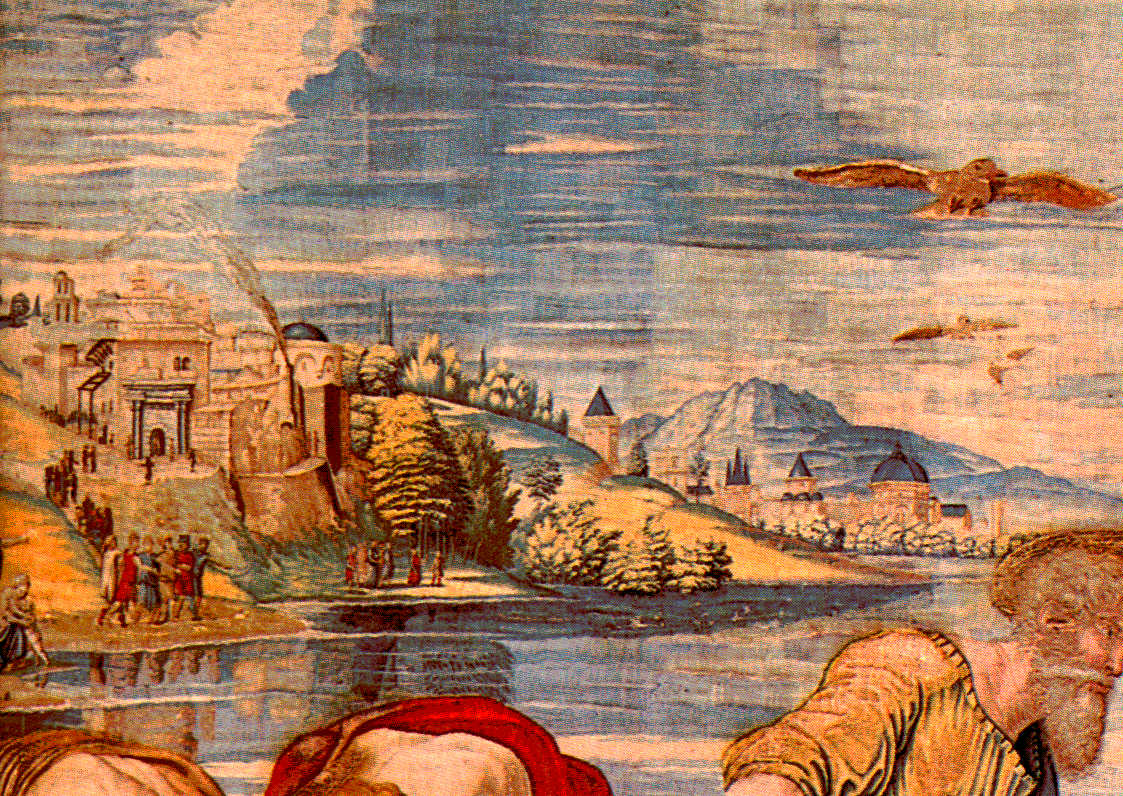
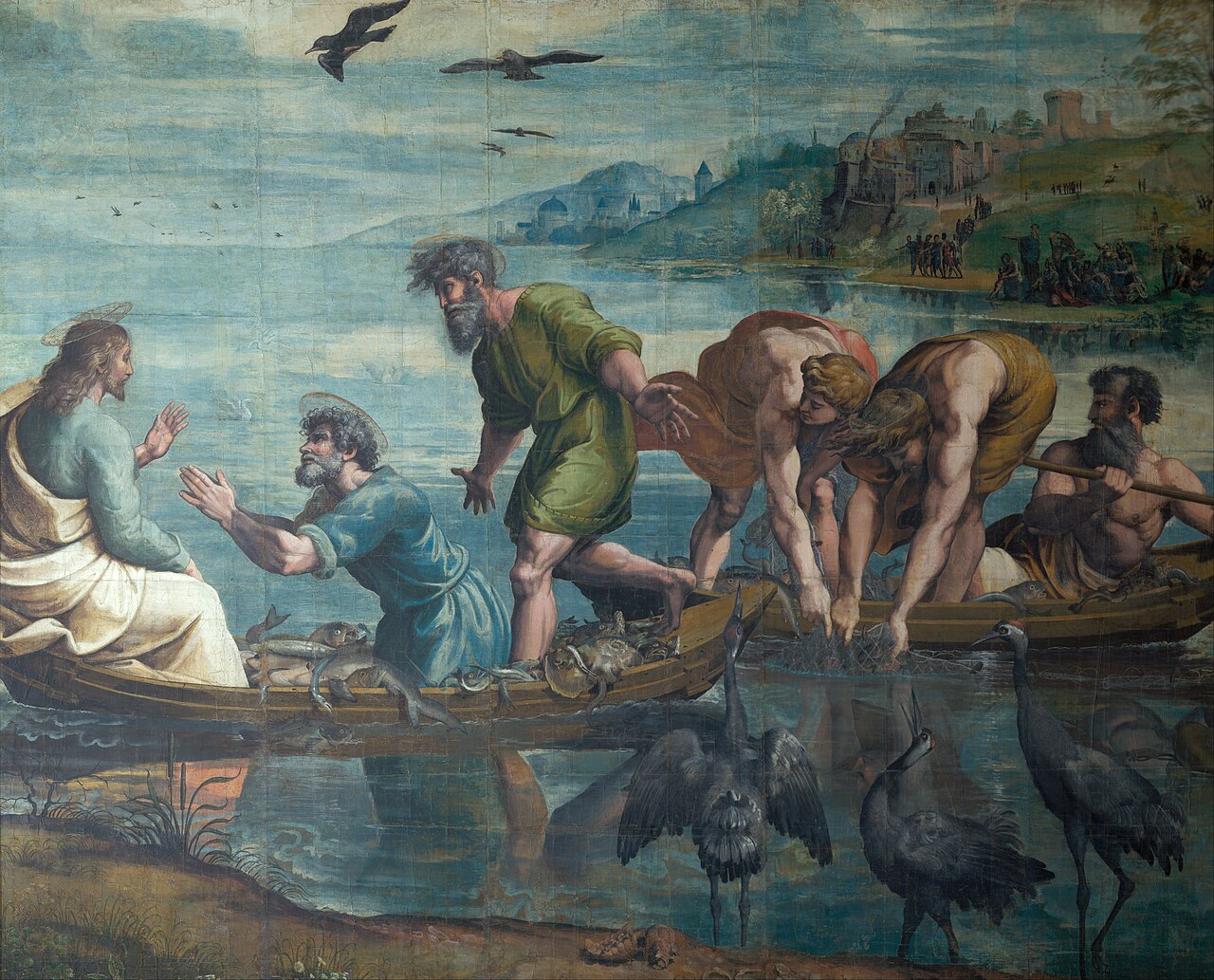
The Miraculous Draught of Fishes tapestry
Pieter van Aelst workshop, after Raphael · c. 1519
A tapestry woven in Brussels after Raphael's design, made for Leo X's commission from the first Acts of the Apostles series.
Shows a tapestry made for a series Leo X commissioned, so it links him to the decoration program of the Sistine Chapel.
About this source
What it is
This is a tapestry woven in the workshop of Pieter van Aelst in Flanders, after designs by Raphael and his assistants. The Commons record says it was made in 1517 to 1519 and is part of the first series of tapestries from Raphael's cartoons. The media description shown here is of a landscape with a walled town, travellers on a path, a river or lake, distant domed buildings and mountains, and a bird in the sky, so the image may not match the scene the record names.
Why it matters
Leo X commissioned these tapestries to decorate the lower walls of the Sistine Chapel. The project connects the pope to Raphael and to Flemish weavers, showing how the Renaissance court drew on craftsmen across Europe. The record is a summary, so its full history should be checked against other sources.
Look closer
- What landscape details do you see, and how do they fit a story about fishing?
- Why might a tapestry be used to decorate a chapel wall?
- What does a woven copy lose or change from the original design?
This artifact is part of the curated material that grounds the AI version of Pope Leo X on Humy.ai — when students ask about related events, the AI can quote it and cite it.
More Pope Leo X sources
Browse all 91 →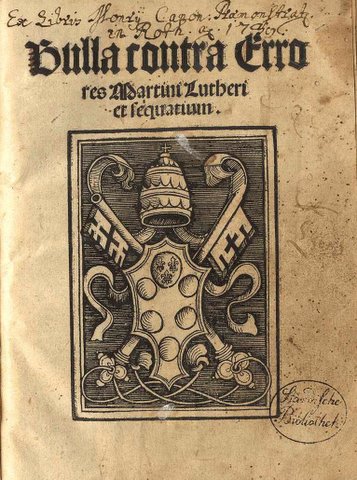 Document
Primary source
Exsurge Domine
Leo X · 15 June 1520
 Document
Primary source
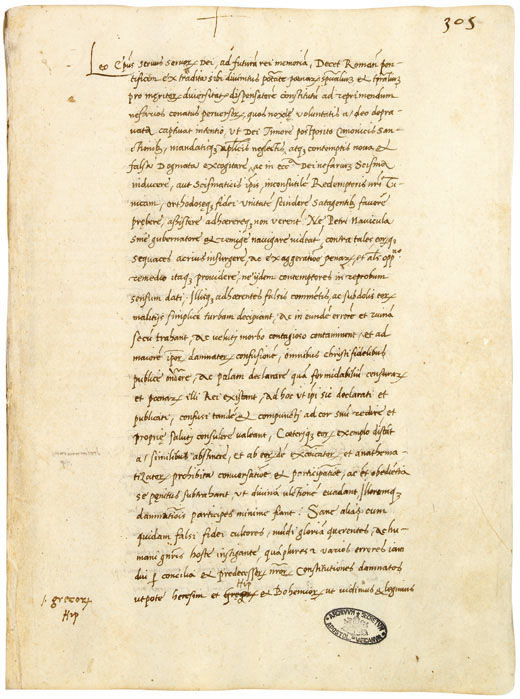
Decet Romanum Pontificem
Leo X · 3 January 1521
 Painting
Primary source
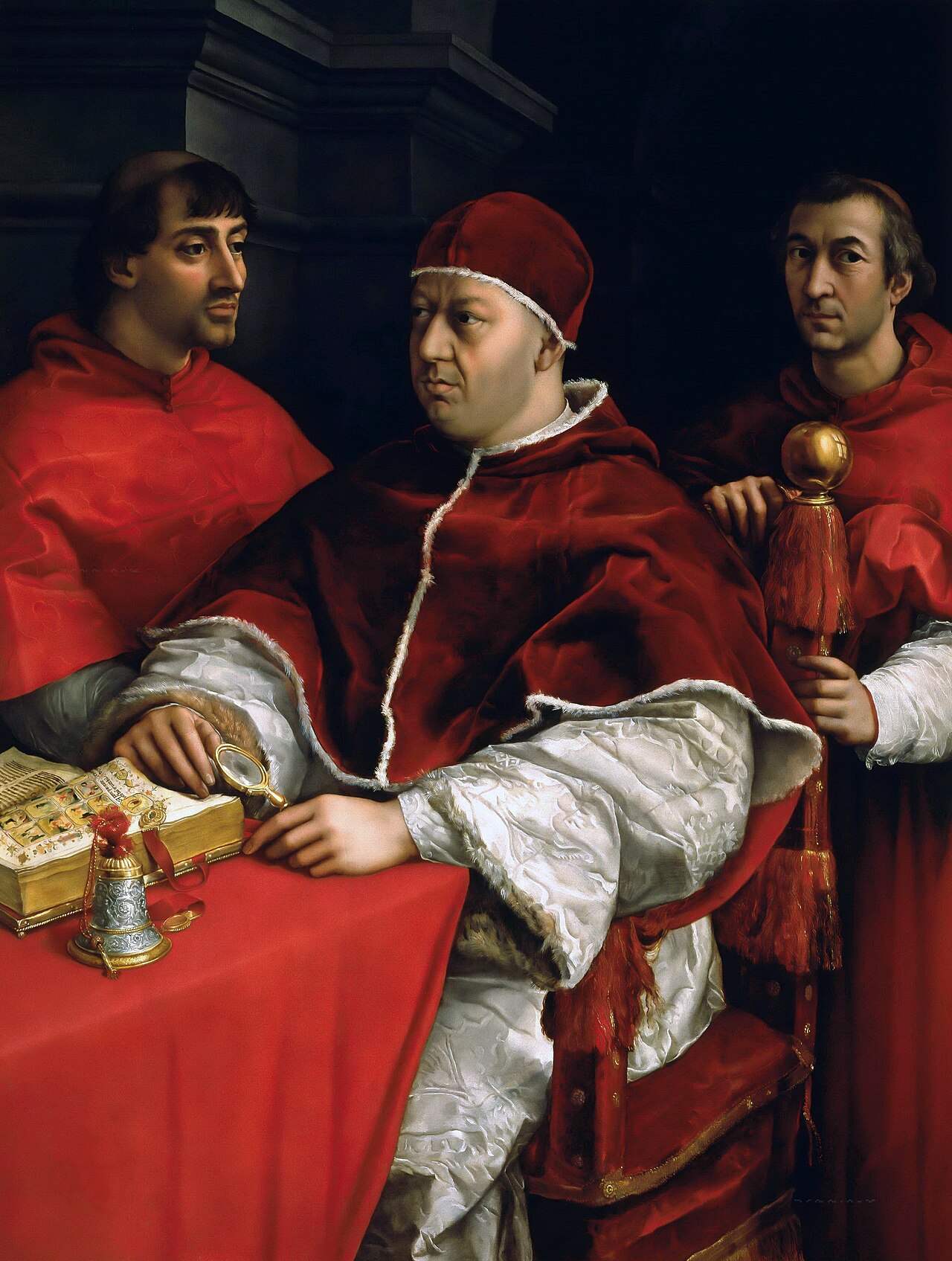
Portrait of Leo X with Two Cardinals
Raphael · c. 1518-1520
 Document
Primary source
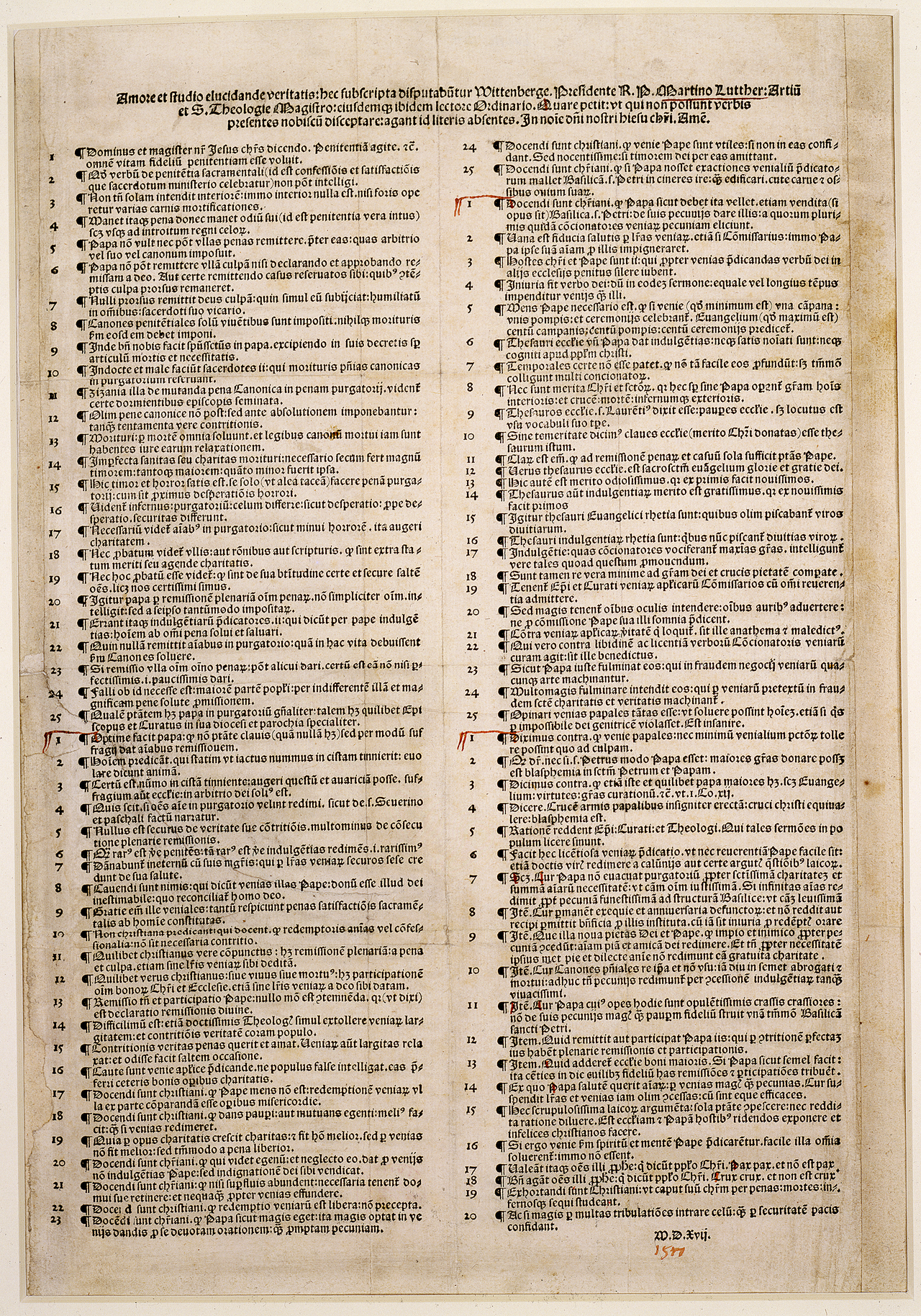
Ninety-five Theses
Martin Luther · 1517
Free account
Read every Pope Leo X source
Sign up free →
Ready when you are
Start chatting with Pope Leo X now.
20 messages free · No credit card · Available in 50+ languages.