


Secondary sourcePhotograph1857
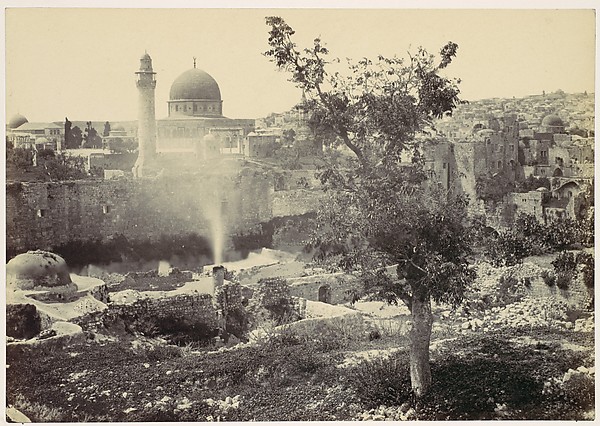
The Mosque of Omar, Jerusalem
Francis Frith · 1857
An 1857 photograph of the mosque in Jerusalem traditionally connected to Caliph Umar's conquest of the city.
Depicts the mosque popularly named for Umar, commemorating his historic conquest of Jerusalem.
About this source
What it is
This albumen print photograph was made by Francis Frith in 1857 from a glass negative. It depicts the Temple Mount in Jerusalem, showing a domed mosque with a tall minaret behind a high stone wall, with a fountain, a tree, and the surrounding city visible. It is held at The Metropolitan Museum of Art.
Why it matters
The site shown was popularly called the "Mosque of Omar" after Umar ibn al-Khattab, whose armies took Jerusalem during his caliphate. Victorian photographers like Frith produced such images for a Western audience fascinated by biblical and religious history, often attaching famous names to sites to make them more meaningful to viewers, even when the buildings postdated the historical figure.
Why it matters
Look closer
- What details in the photograph suggest it was taken for travelers or religious tourists rather than scholars?
- Why do you think the mosque was linked to Umar's name in popular memory?
- What can and cannot a photograph like this tell us about events centuries earlier?
This photograph is part of the curated material that grounds the AI version of Caliph Umar ibn al-Khattab on Humy.ai — when students ask about related events, the AI can quote it and cite it.
More Caliph Umar ibn al-Khattab sources
Browse all 54 →Secondary source
Umar's Assurance
637-638
 Book
Secondary source
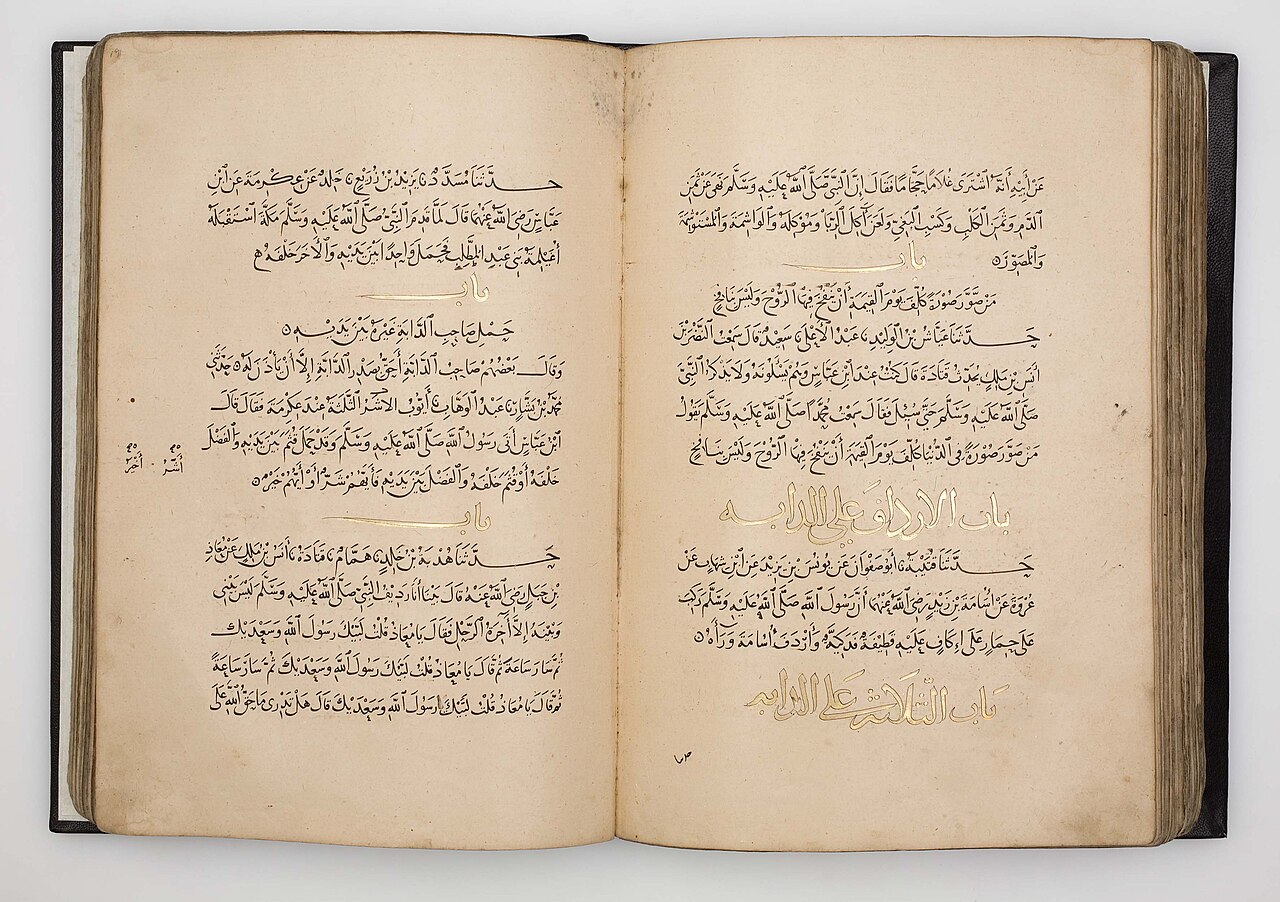
Sahih al-Bukhari
Muhammad ibn Isma'il al-Bukhari · c. 846 CE
 Book
Primary source
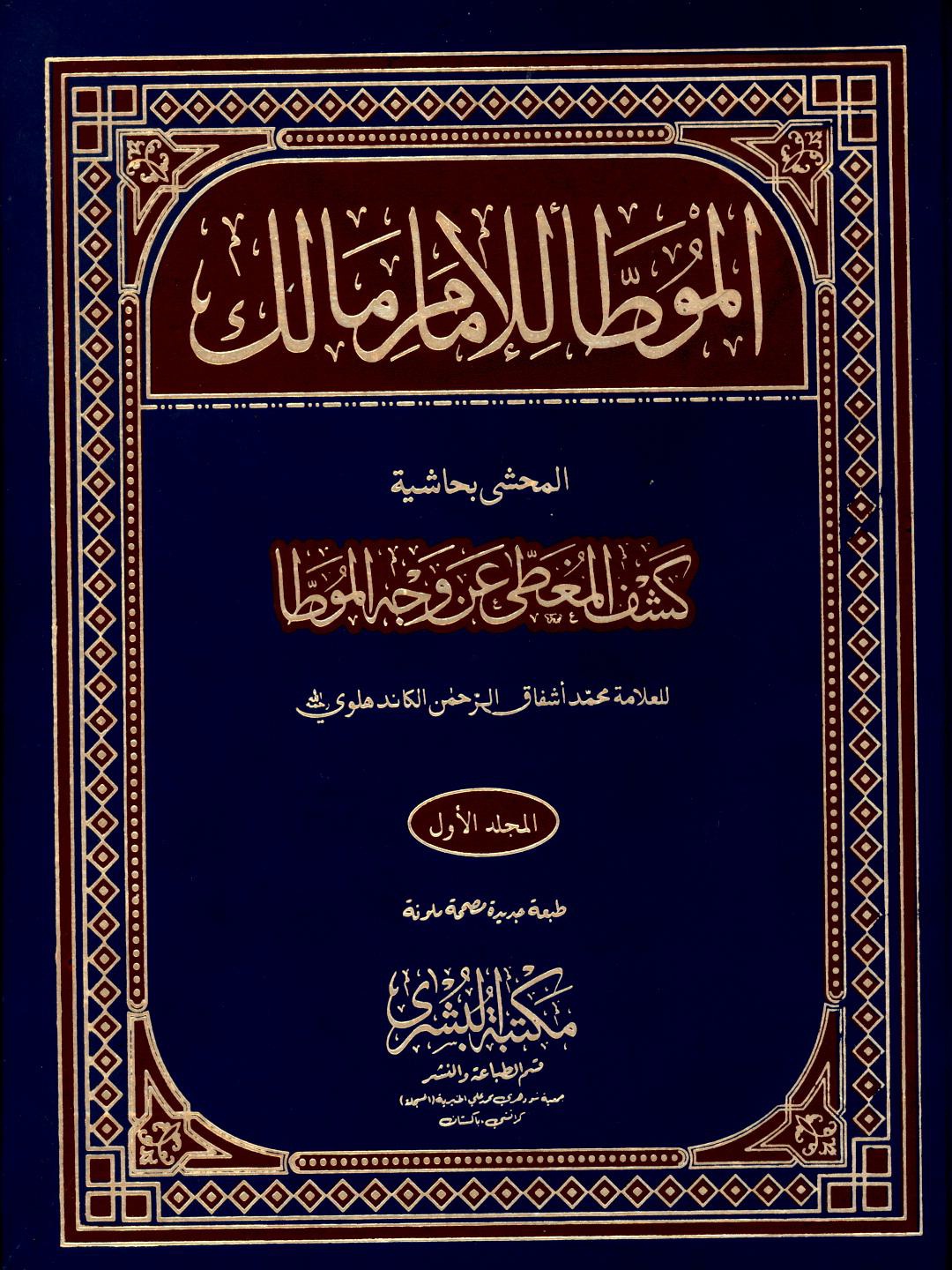
al-Muwatta
Malik ibn Anas · 8th century
 Book
Secondary source
Futuh al-Buldan
Al-Baladhuri · 9th century
Free account
Read every Caliph Umar ibn al-Khattab source
Sign up free →
Ready when you are
Start chatting with Caliph Umar ibn al-Khattab now.
20 messages free · No credit card · Available in 50+ languages.