


Primary sourcePainting1642
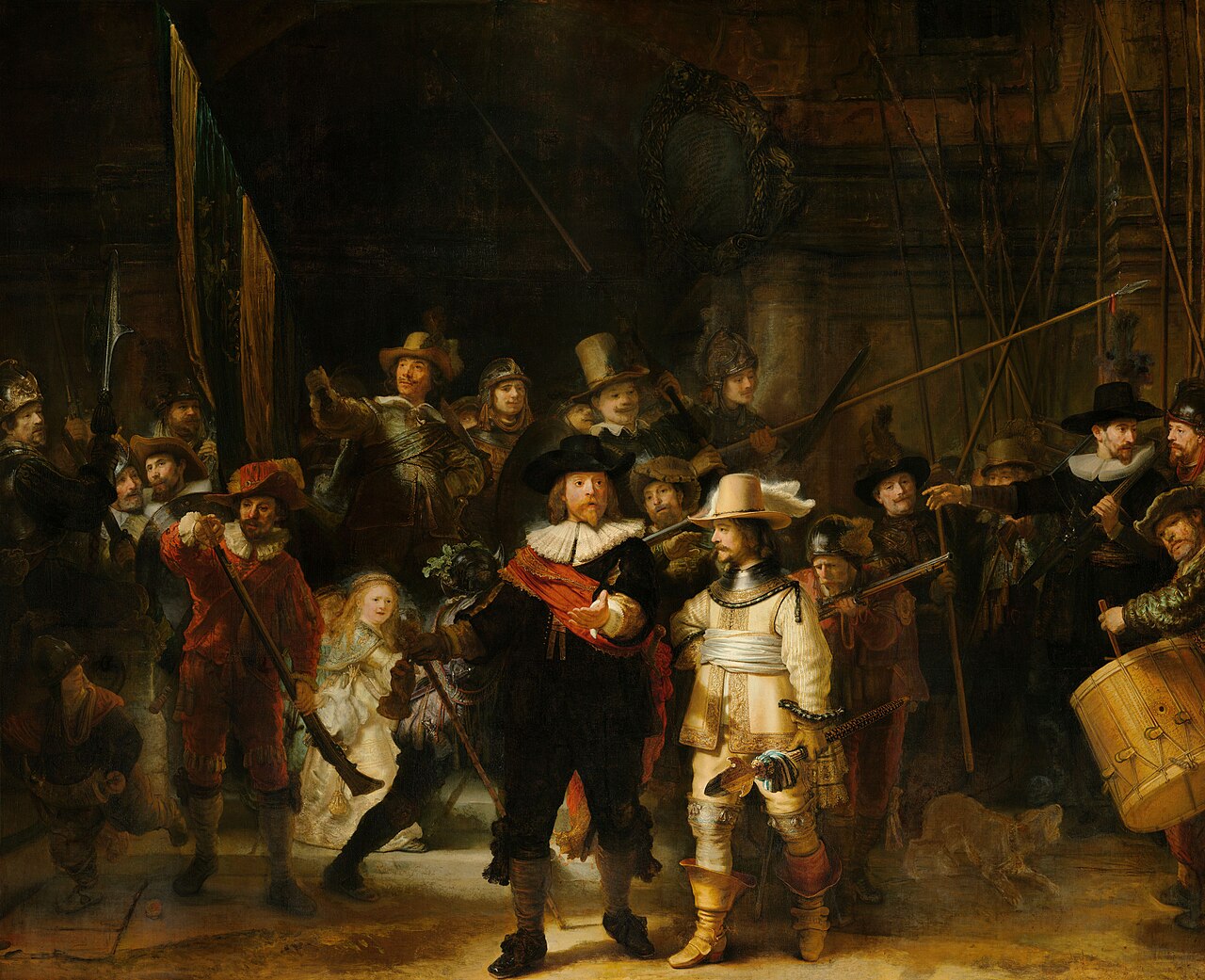
The Night Watch
Rembrandt · 1642
Rembrandt's large 1642 militia group portrait, famed for transforming a civic-guard commission into a dramatic scene of light and movement.
Rembrandt painted this as his most famous commissioned group portrait, showing his innovative approach to civic portraiture.
About this source
What it is
A large painting made by Rembrandt in 1642, showing an Amsterdam civic-guard company led by Captain Frans Banninck Cocq and his lieutenant Willem van Ruytenburch. It was commissioned by the militia members themselves and is held by the Amsterdam Museum, though it is displayed at the Rijksmuseum.
Why it matters
Most group portraits of militia companies were stiff rows of faces. Rembrandt instead painted the men as if caught in motion, using light and shadow to create drama. The painting shows his ambition and success at the height of the Dutch Golden Age, and the pride of the guild members who each paid to appear in it.
Look closer
- Why might the militiamen have wanted to look dramatic rather than simply posed?
- What details (such as the girl with a chicken) seem odd or symbolic, and why might Rembrandt have included them?
- The painting was later trimmed down — what does this tell us about how later owners valued the work compared to how we value it today?
This painting is part of the curated material that grounds the AI version of Rembrandt on Humy.ai — when students ask about related events, the AI can quote it and cite it.
More Rembrandt sources
Browse all 96 →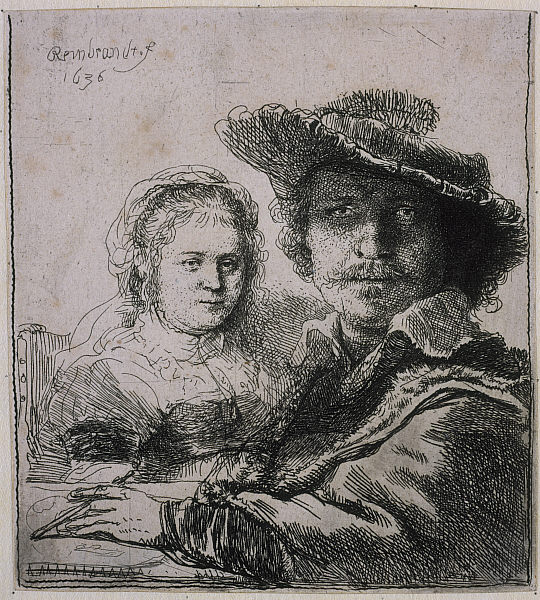 Painting
Primary source
Self-Portrait with Saskia
Rembrandt van Rijn · 1636
 Painting
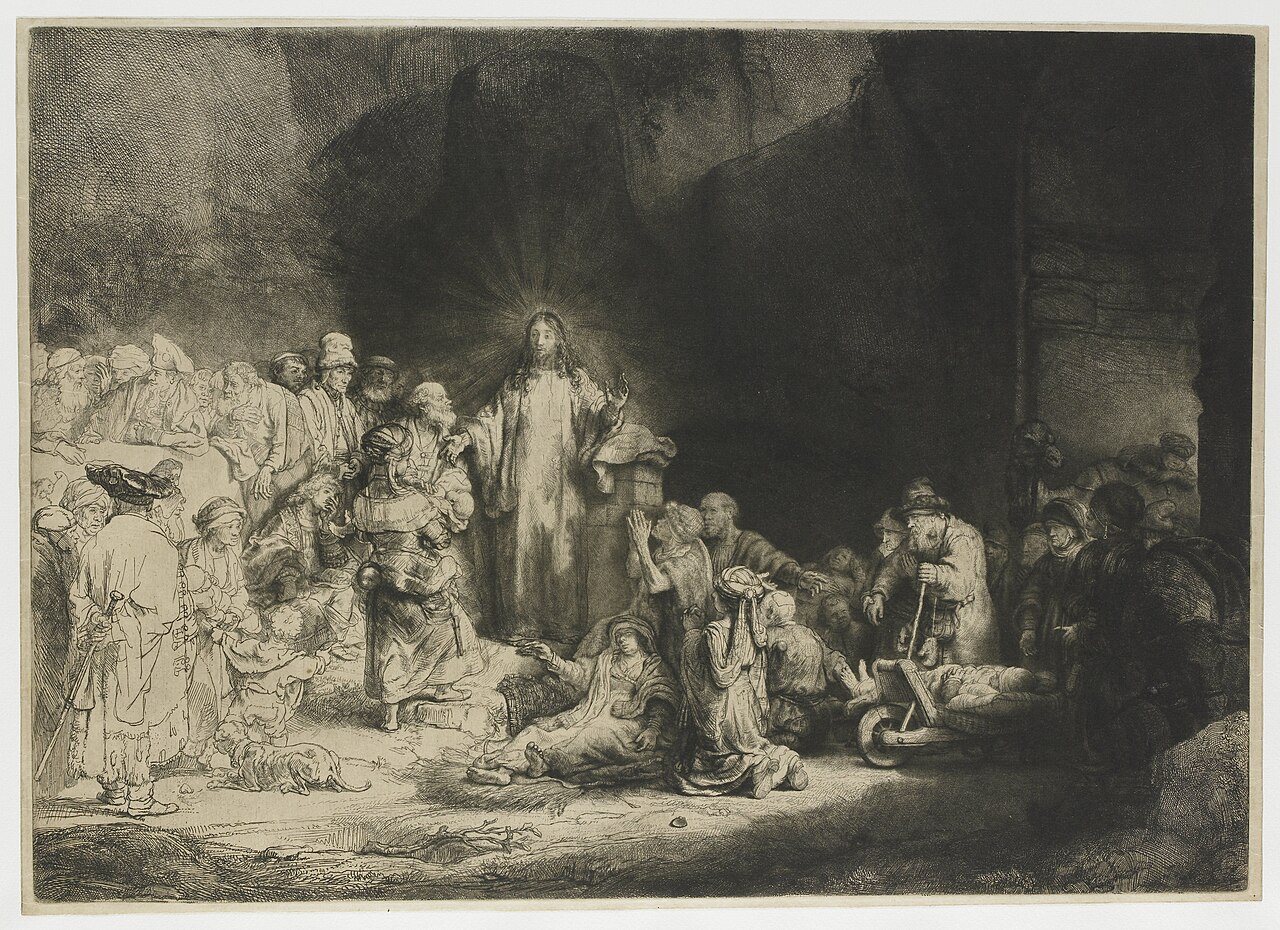
Secondary source
Christ Healing the Sick (Hundred Guilder Print)
Rembrandt · c. 1647-1649
 Painting
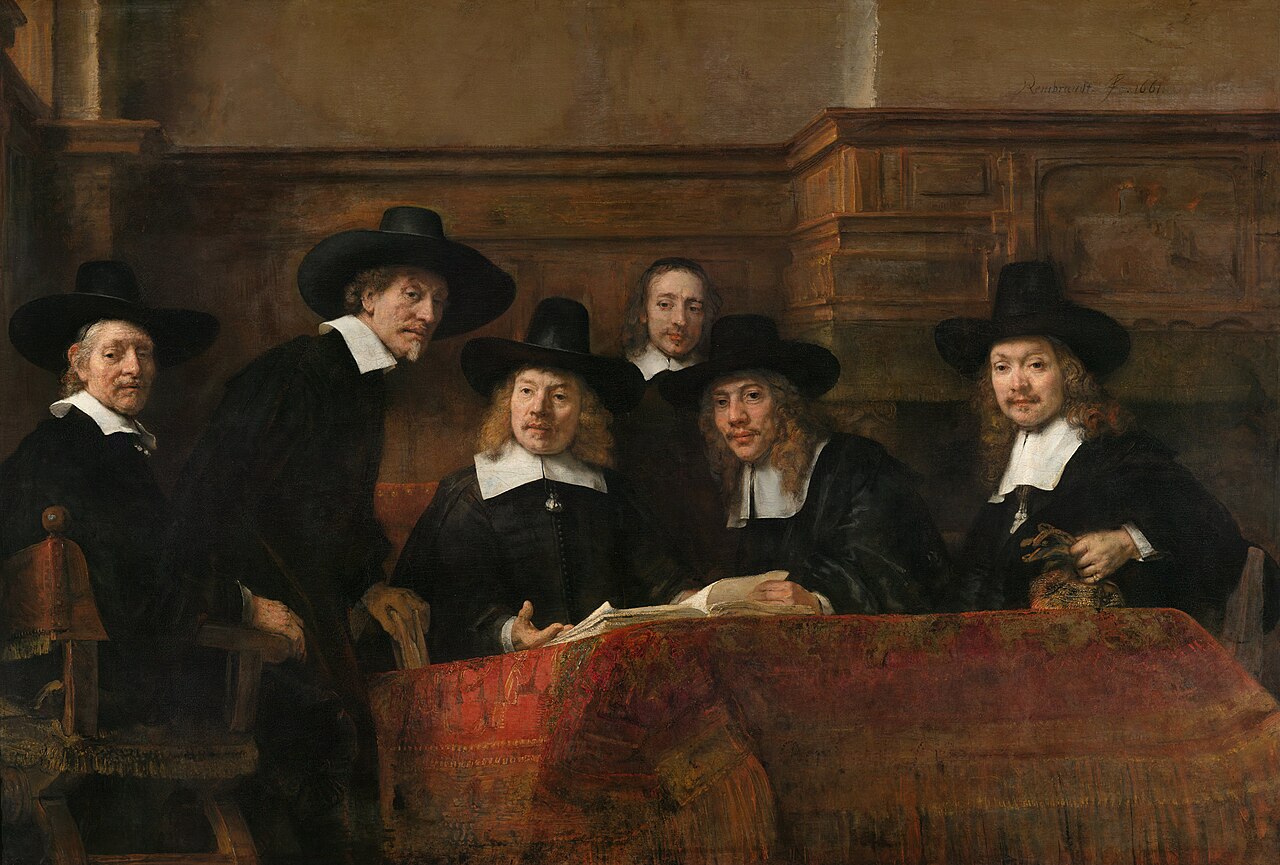
Primary source
Syndics of the Drapers' Guild
Rembrandt · 1662
 Painting
Primary source
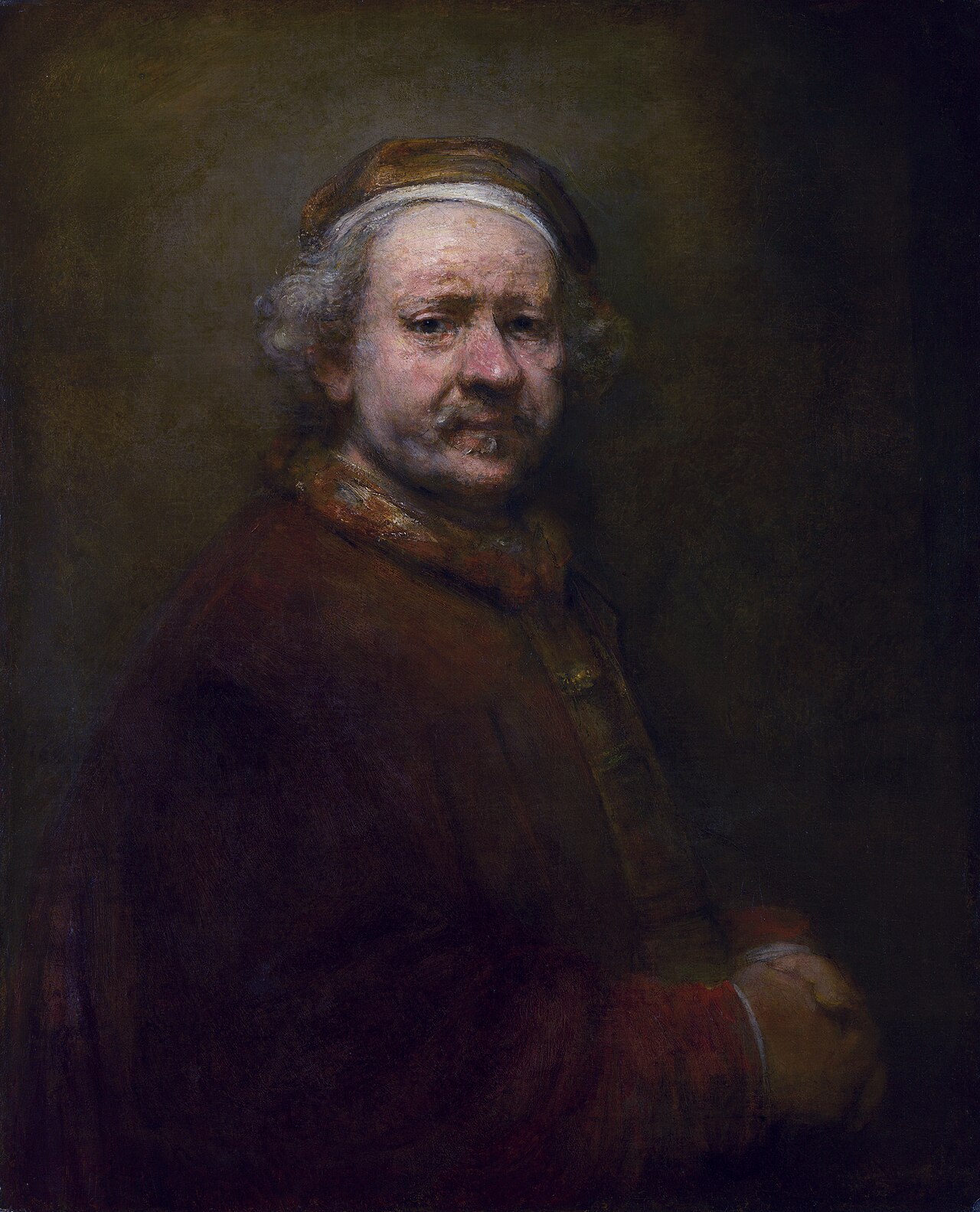
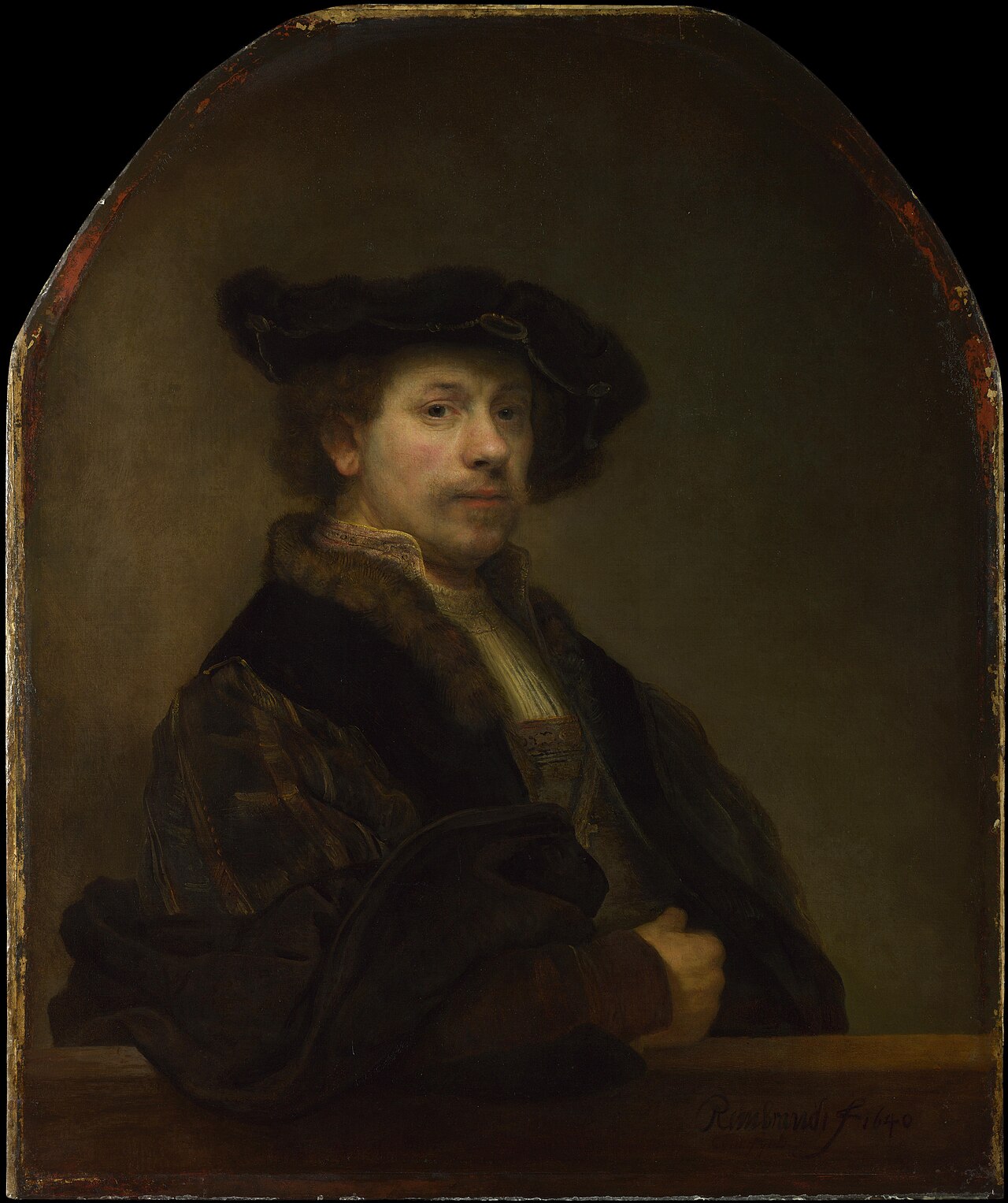
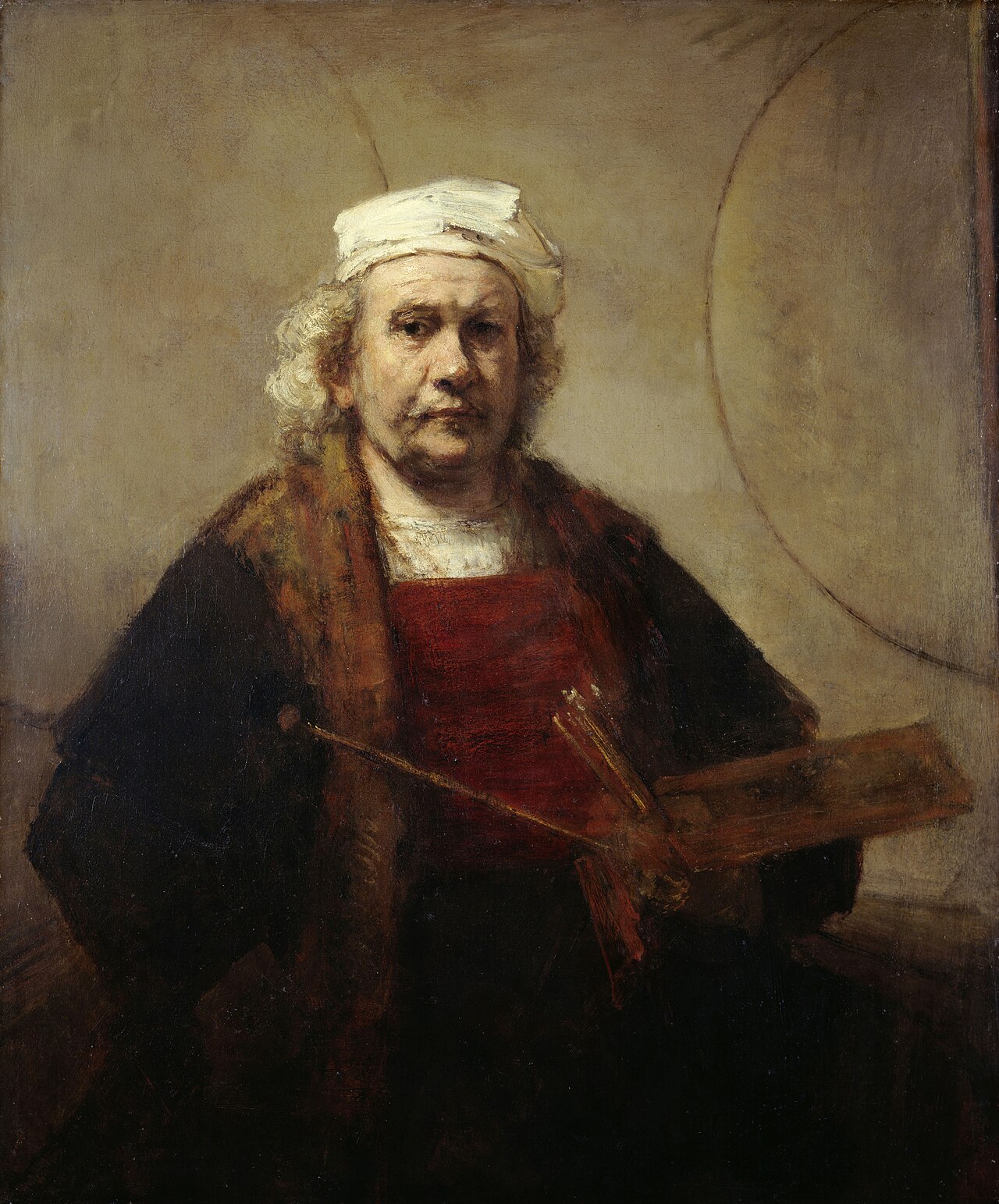
Self-Portrait at the Age of 63
Rembrandt · 1669
Free account
Read every Rembrandt source
Sign up free →
Ready when you are
Start chatting with Rembrandt now.
20 messages free · No credit card · Available in 50+ languages.