


Primary sourcePainting1850
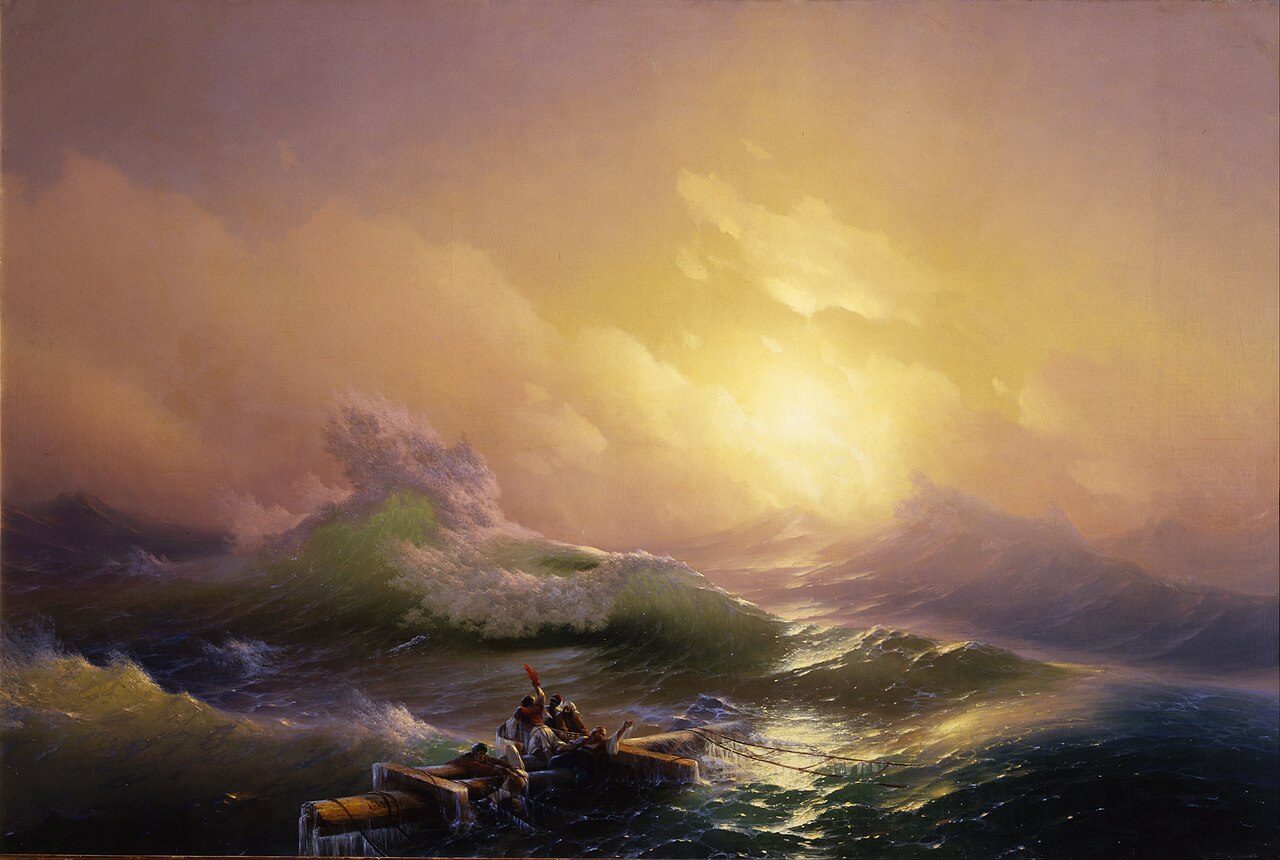
The Ninth Wave
Ivan Aivazovsky · 1850
Aivazovsky's most famous painting, showing shipwreck survivors clinging to a mast as a huge dawn-lit wave bears down on them.
Aivazovsky's most celebrated painting, showing his mastery of dramatic sea and light effects.
About this source
What it is
This is an 1850 oil painting by the Russian marine painter Ivan Aivazovsky. It is kept in the Russian Museum and is considered his best-known work.
Why it matters
The painting shows the sea after a night storm, with survivors clinging to wreckage shaped like a cross, a symbol of hope and salvation. Its warm colours soften the sea's menace, suggesting the people might survive. The title comes from an old sailing belief that the ninth wave in a storm is the largest and most dangerous. The work shows Aivazovsky's skill at combining drama, light and emotion to turn a shipwreck into both a terrifying and beautiful scene.
Look closer
- Why might the artist have chosen warm, glowing light instead of dark, cold colours for such a dangerous scene?
- What might the cross-shaped wreckage be meant to symbolise?
- How does the painting make you feel about the survivors' chances?
This painting is part of the curated material that grounds the AI version of Ivan Aivazovsky on Humy.ai — when students ask about related events, the AI can quote it and cite it.
More Ivan Aivazovsky sources
Browse all 96 →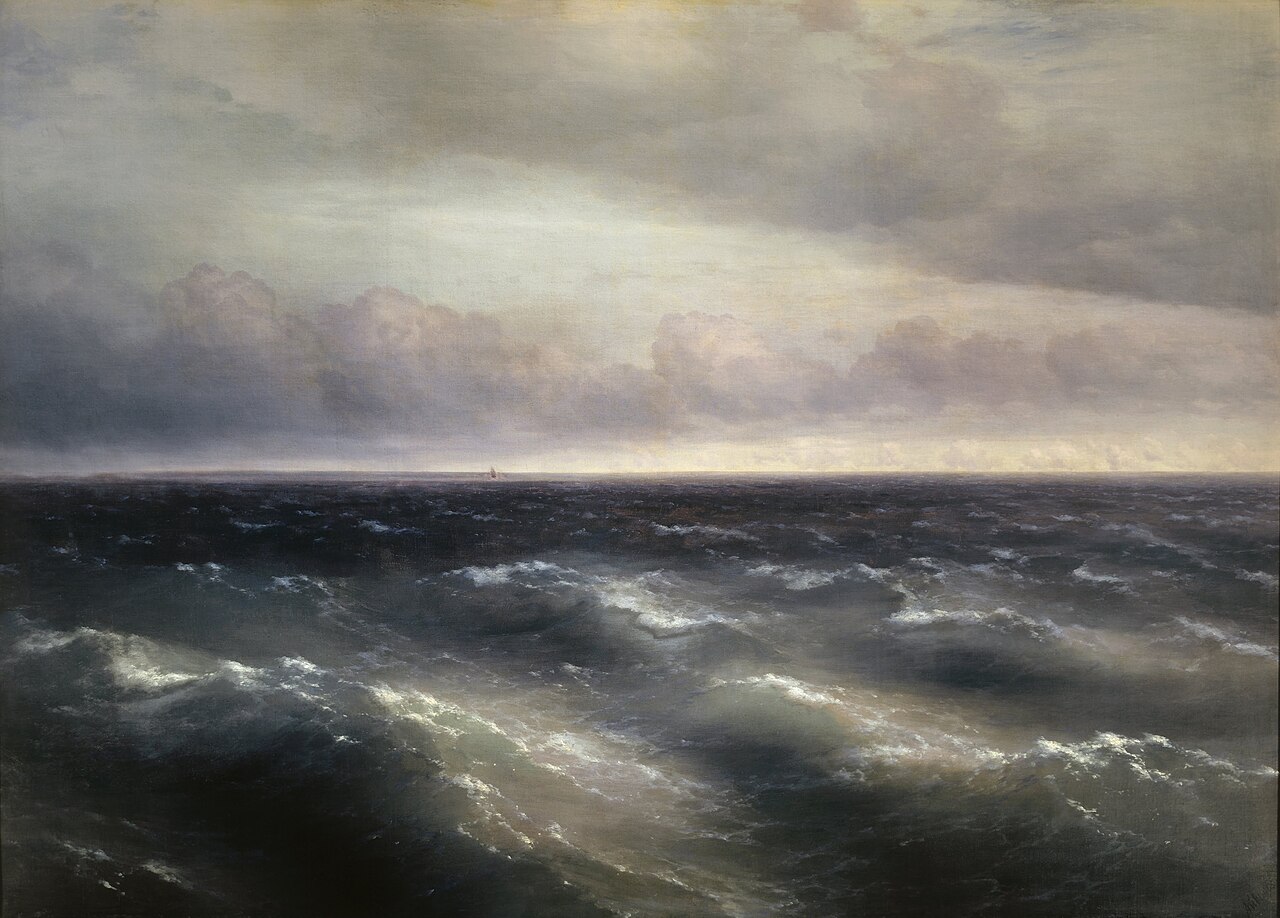 Painting
Primary source
The Black Sea
Ivan Aivazovsky · 1881
 Painting
Primary source
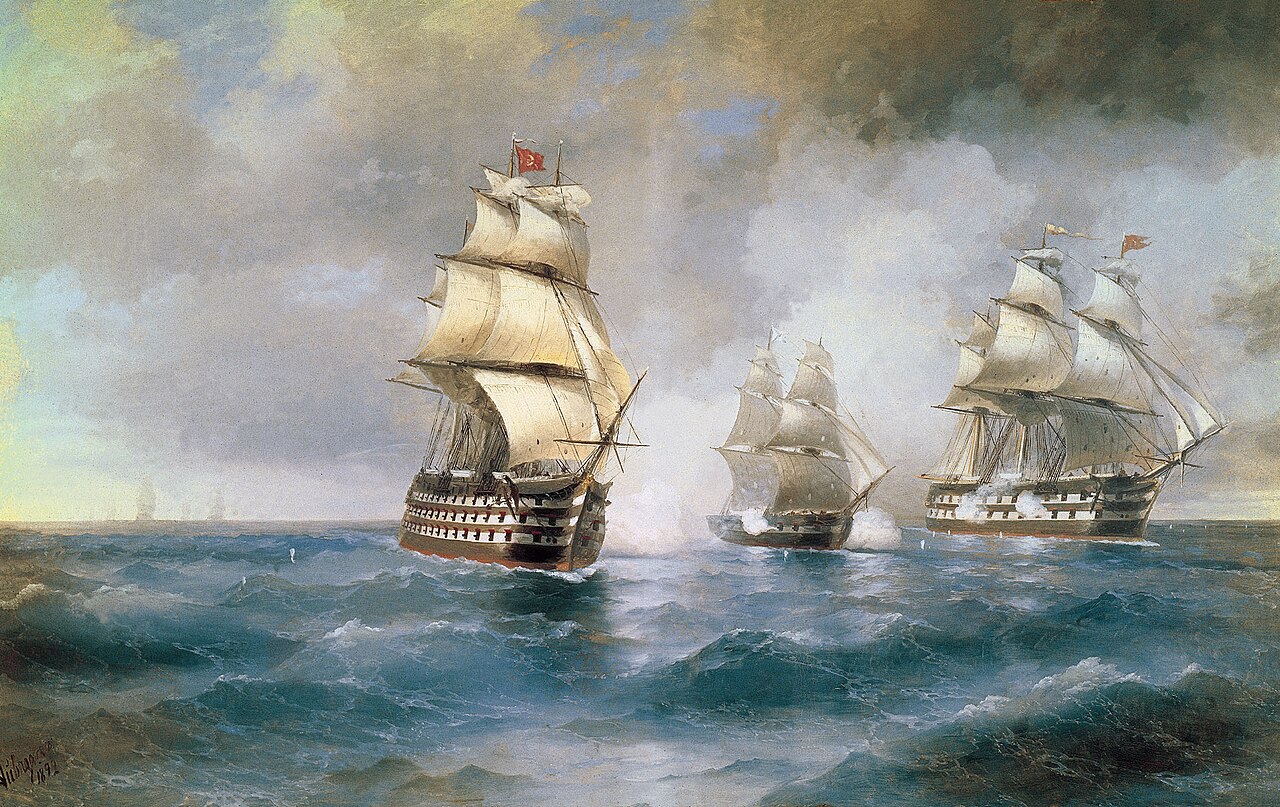
Brig "Mercury" Attacked by Two Turkish Ships
Ivan Aivazovsky · 1892
 Painting
Primary source
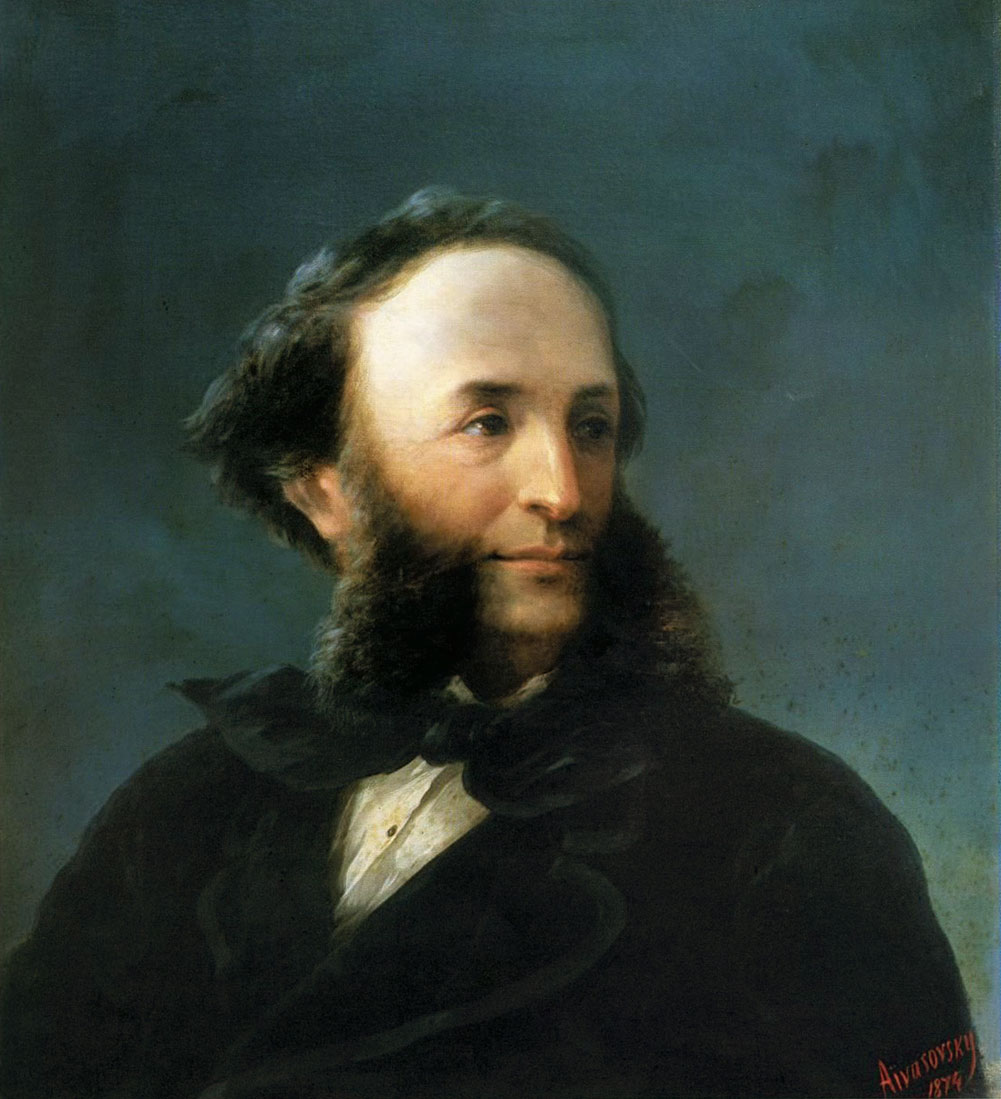
Self-portrait
Ivan Aivazovsky · 1874
 Painting
Primary source
Portrait of Ivan Konstantinovich Aivazovsky, 1841
Alexey Vassilievich Tyranov · 1841
Free account
Read every Ivan Aivazovsky source
Sign up free →
Ready when you are
Start chatting with Ivan Aivazovsky now.
20 messages free · No credit card · Available in 50+ languages.