


Primary sourceBook1910
The Notebooks of Malte Laurids Brigge
Rainer Maria Rilke · 1910
A German LibriVox audio recording of Rilke's 1910 novel-like work in diary form. It is his only novel, and a volunteer reads it aloud.
This is Rilke's only novel-like work and a key text from his years in Paris, when he worked with Rodin.
Free Humy account · No credit card · 120,912 sources to read
About this source
What it is
This is an audio recording of Die Aufzeichnungen des Malte Laurids Brigge, published in 1910. The work is written as a diary of a young Danish poet living in Paris. It consists of 72 entries, many of which read like prose poems and follow one another with few links. Rilke himself called it a prose book and never a novel. The reading is by a LibriVox volunteer, not by Rilke.
Why it matters
The book shows Rilke's interest in fear, illness, poverty and the city. It was written in the years when he lived in Paris and worked near Rodin. Its fragmentary form reflects the modern literature of its time. Readers can see how Rilke wrote about the isolation of the individual in a large city.
Look closer
- How does the diary form change what the reader learns about the narrator?
- What scenes of suffering does the narrator describe, and why might Rilke have chosen to show them?
- What does the book leave out about the narrator's life, and how does that affect your reading?
This book is part of the curated material that grounds the AI version of Rainer Maria Rilke on Humy.ai — when students ask about related events, the AI can quote it and cite it.
More Rainer Maria Rilke sources
Browse all 87 →Primary source
The Panther
Rainer Maria Rilke · 1902
 Book
Primary source
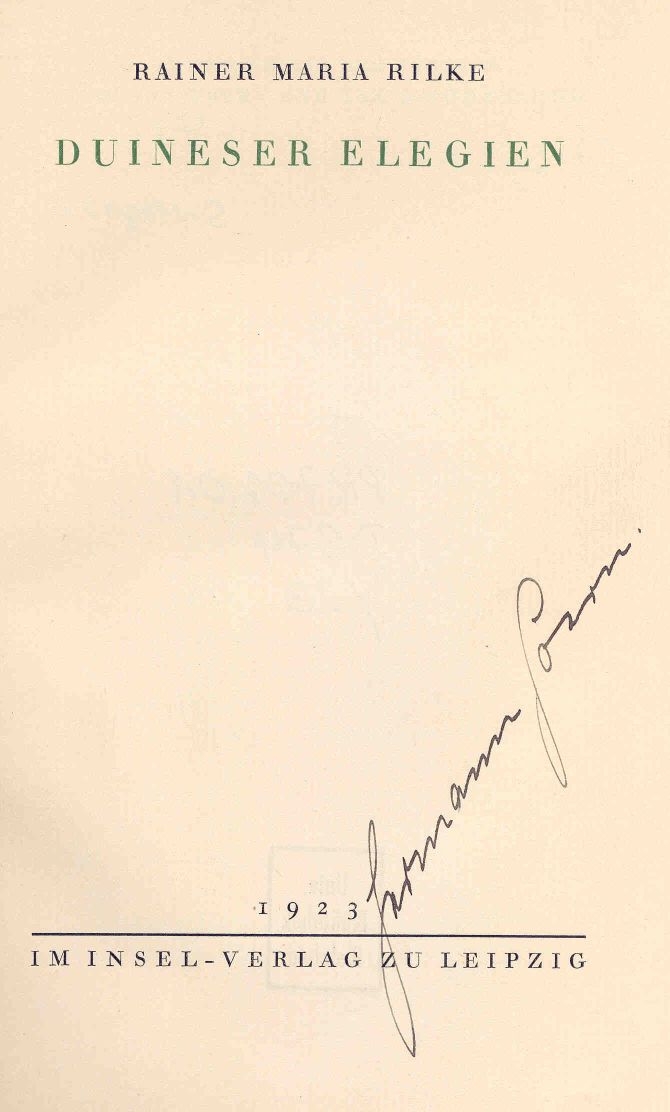
Duino Elegies
Rainer Maria Rilke · 1923
 Book
Primary source
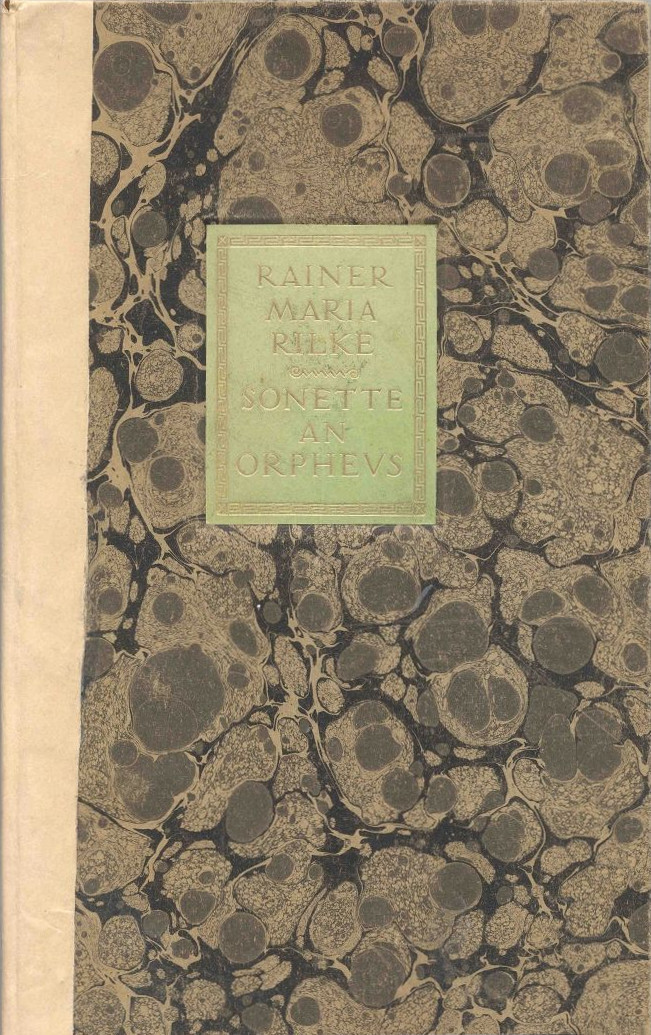
Sonnets to Orpheus
Rainer Maria Rilke · 1923
Primary source
Autumnal Day
Rainer Maria Rilke · 1902
Free account
Read every Rainer Maria Rilke source
Sign up free →
Ready when you are
Start chatting with Rainer Maria Rilke now.
20 messages free · No credit card · Available in 50+ languages.