


Primary sourcePainting1620
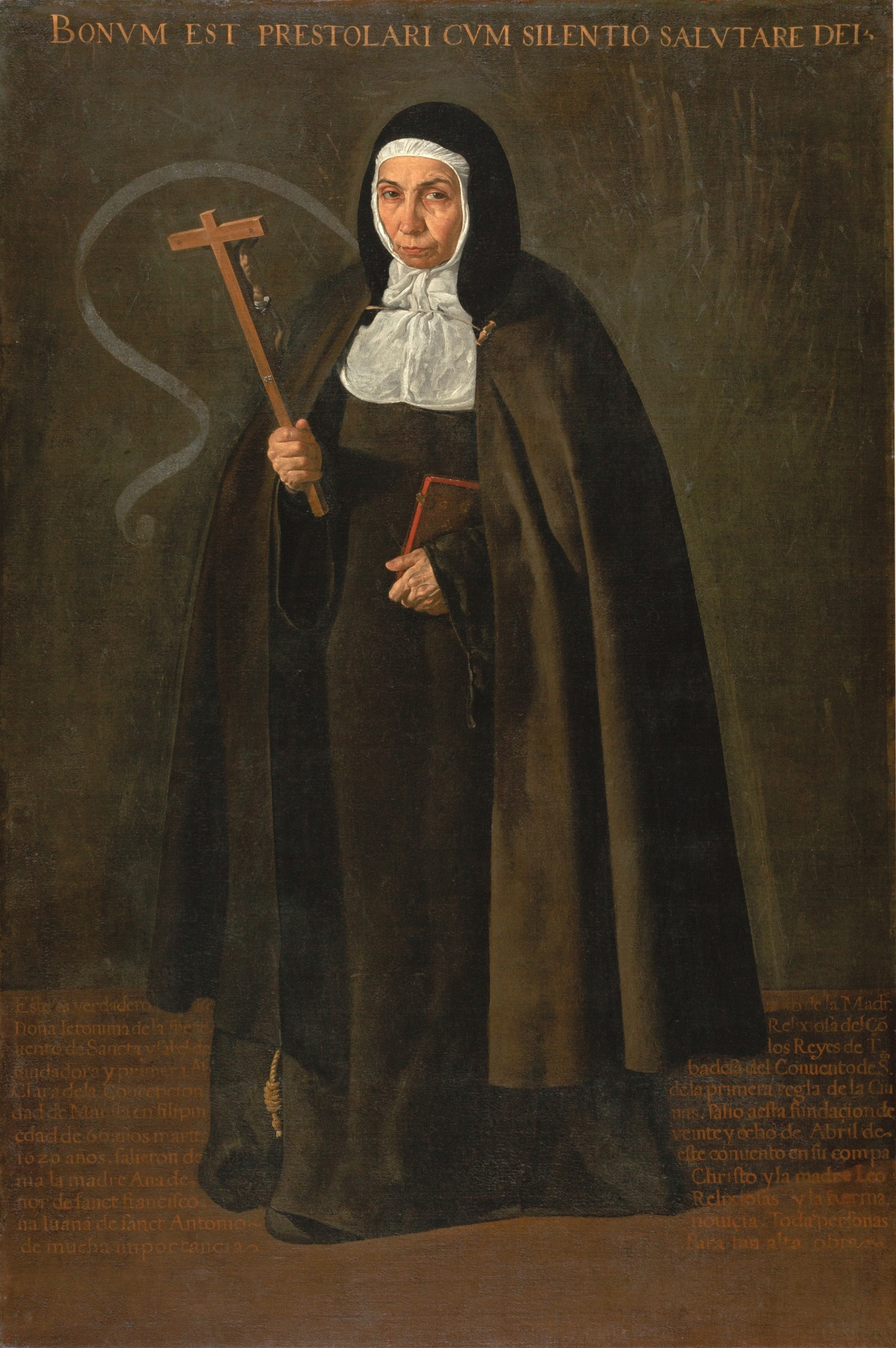
The Nun Jerónima de la Fuente
Diego Velázquez · 1620
Velázquez's earliest full-length portrait, showing the nun Jerónima de la Fuente before she sailed to found a convent in Manila.
One of Velázquez's earliest and most important works, showing his early style and his link to a celebrated religious figure.
About this source
What it is
A full-length oil portrait painted by Diego Velázquez in 1620, now in the Museo del Prado. It shows the nun Jerónima de la Fuente holding a crucifix and a small book, with Latin and Spanish inscriptions describing her mission to found a convent in Manila.
Why it matters
Painted when Velázquez was young and still little known, the portrait benefited from Jerónima's own fame, since she was far more renowned at the time than the painter. It shows his early realist style, influenced by his father-in-law Pacheco and by Caravaggio's dramatic lighting, and his skill at combining physical truth with an image of sainthood.
Look closer
- What do the inscriptions around the figure tell us that the image alone does not?
- Historians note the painting leaves out Jerónima's documented self-mortification and scars — why might that have been a choice?
- How does the lighting and pose make her look authoritative?
This painting is part of the curated material that grounds the AI version of Diego Velázquez on Humy.ai — when students ask about related events, the AI can quote it and cite it.
More Diego Velázquez sources
Browse all 98 →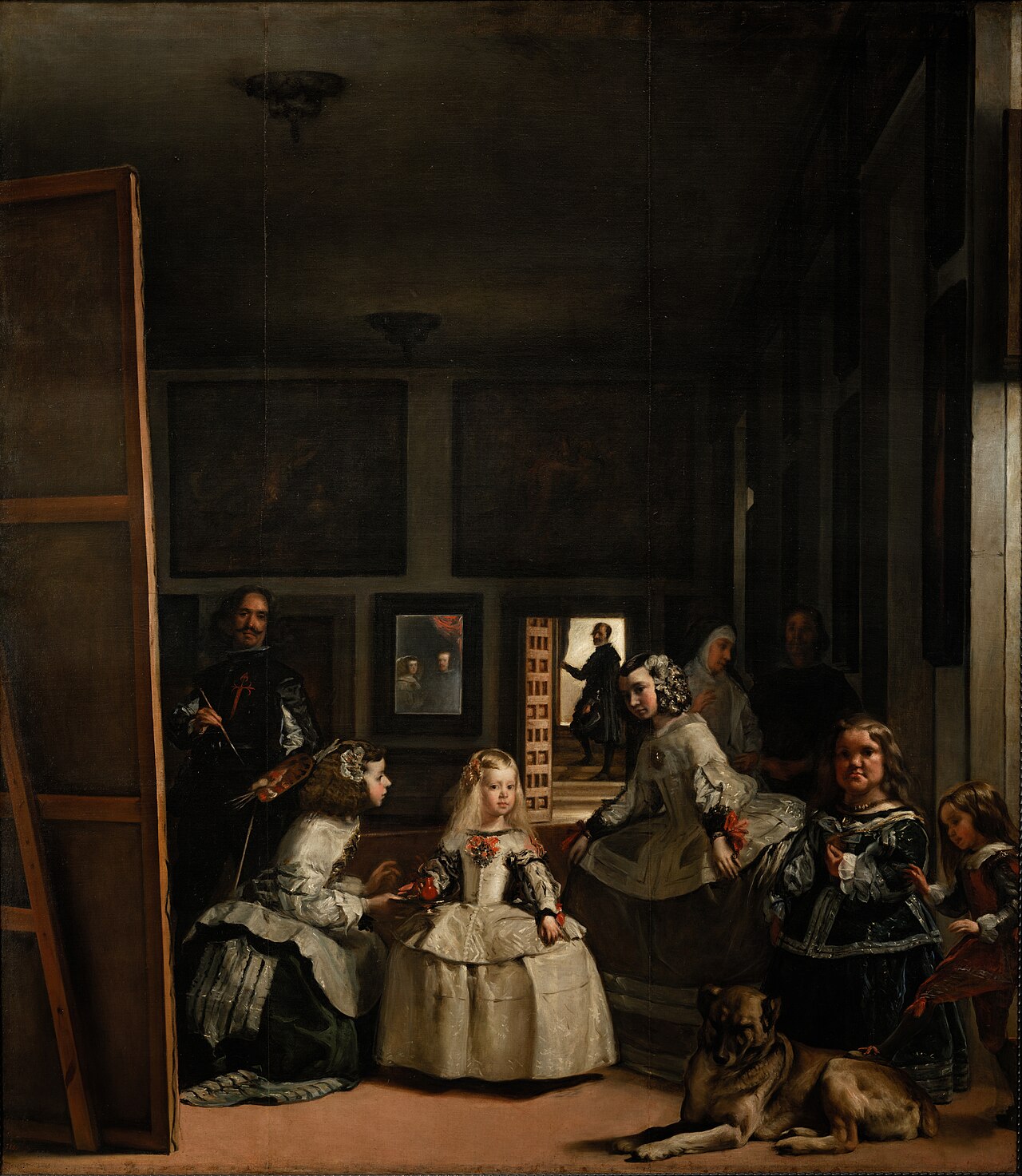 Painting
Primary source
Las Meninas
Diego Velázquez · 1656
 Painting
Primary source
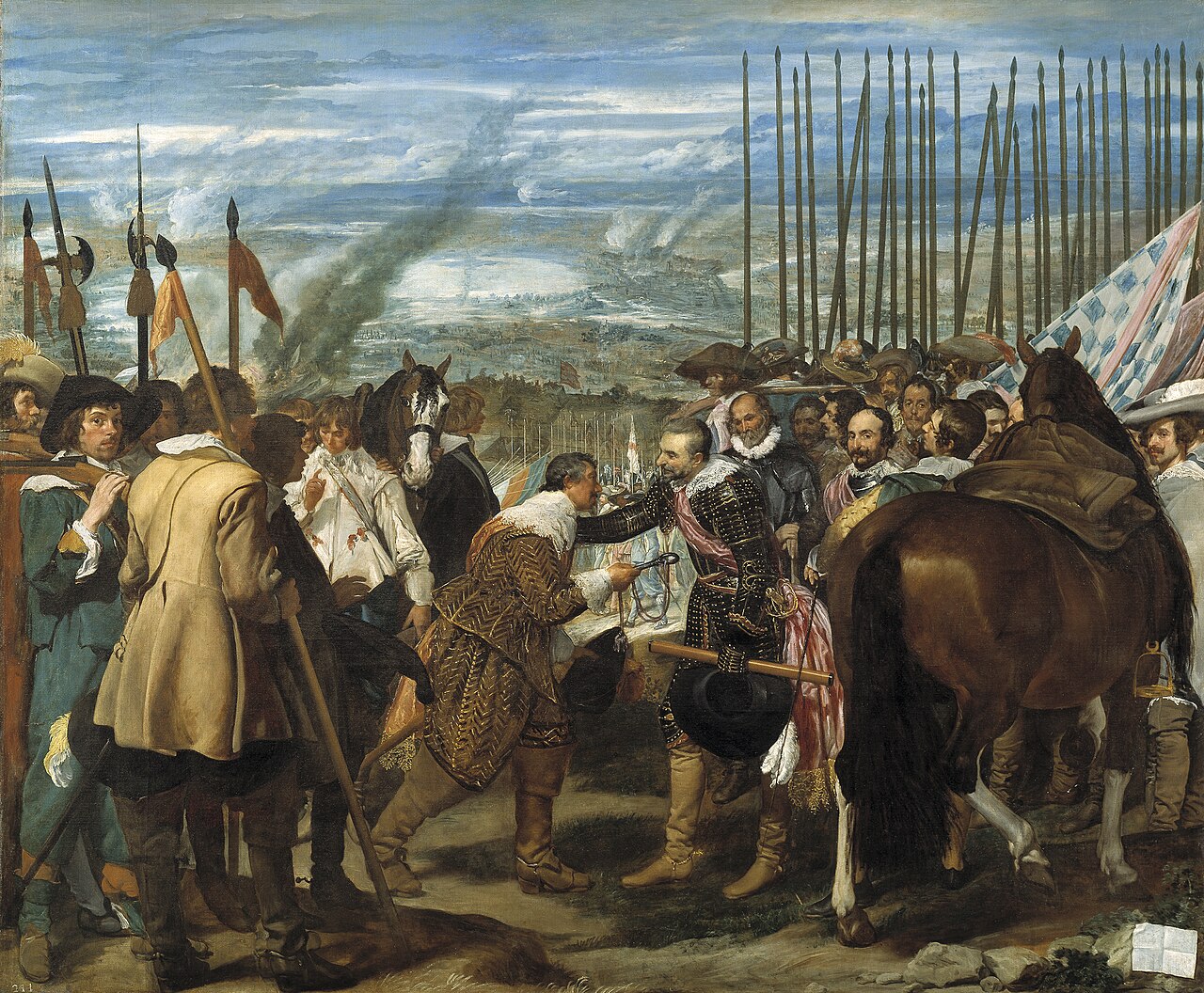
The Surrender of Breda
Diego Velázquez · 1634–1635
 Painting
Primary source
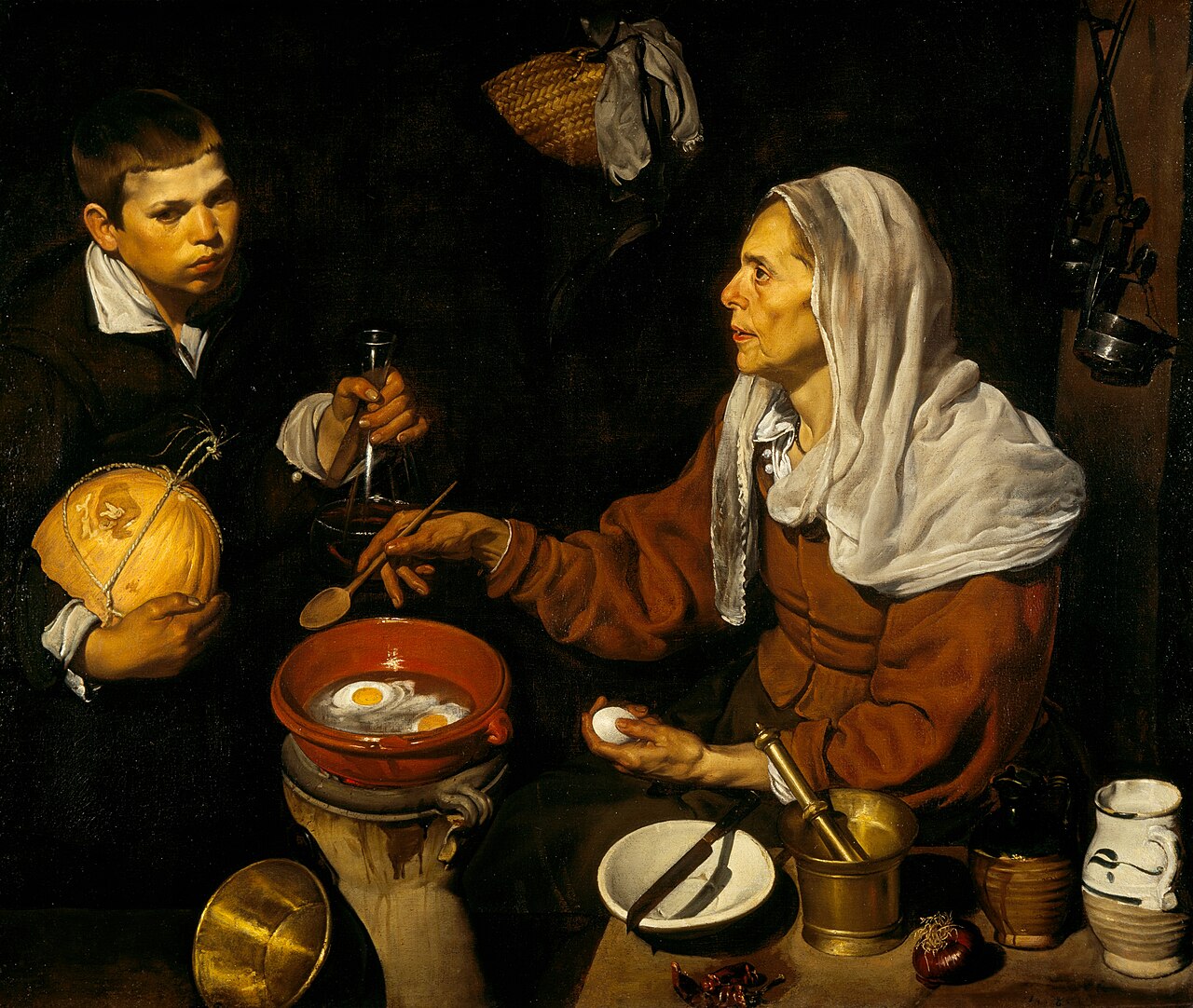
Old Woman Cooking Eggs
Diego Velázquez · c. 1618
 Painting
Primary source
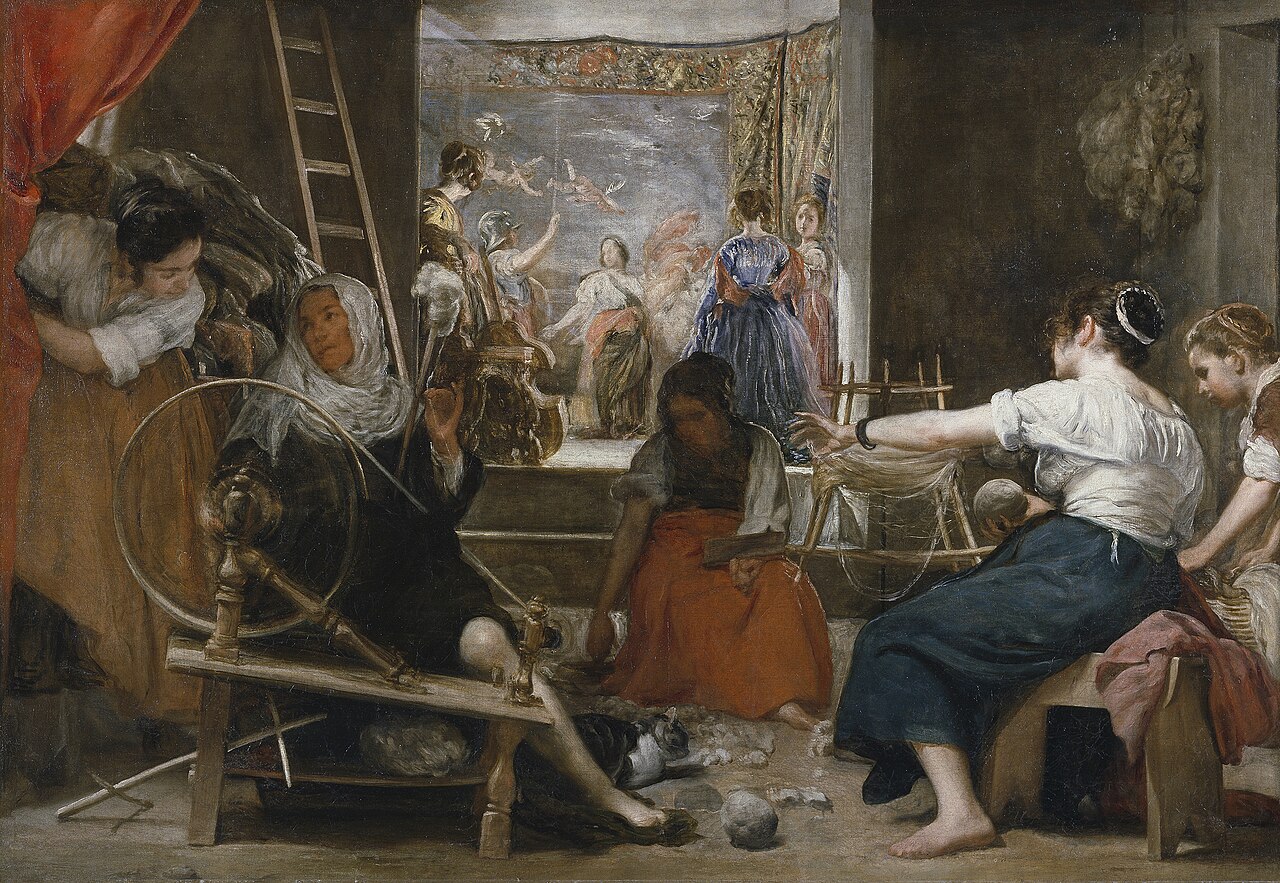
Las Hilanderas
Diego Velázquez · c. 1655–1658
Free account
Read every Diego Velázquez source
Sign up free →
Ready when you are
Start chatting with Diego Velázquez now.
20 messages free · No credit card · Available in 50+ languages.