


Secondary sourcePhotograph1834–1839
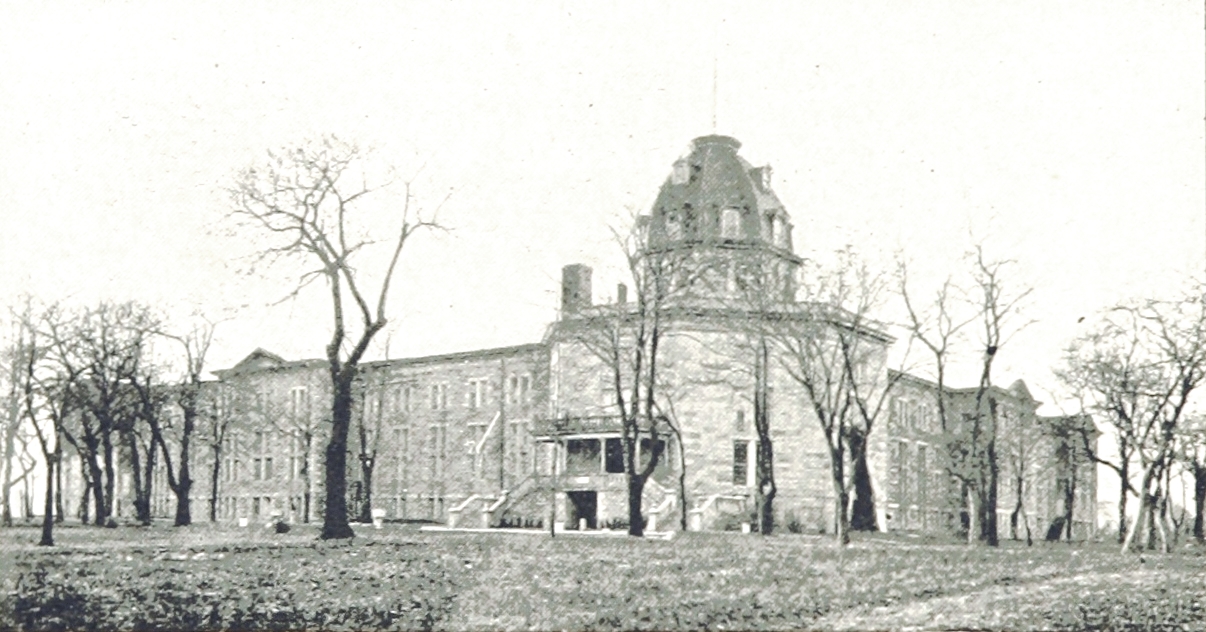
The Octagon, New York City Lunatic Asylum, Blackwell's Island
Alexander Jackson Davis · 1834–1839
The surviving rotunda entrance of the asylum on Blackwell's Island where Nellie Bly was secretly committed in 1887.
This is the asylum building where Bly was secretly committed for her undercover investigation.
About this source
What it is
This building, known as the Octagon, was designed by architect Alexander Jackson Davis and built between 1834 and 1839 as the main entrance to the New York City Lunatic Asylum on Blackwell's Island, now Roosevelt Island.
Why it matters
This was the institution that journalist Nellie Bly investigated undercover in 1887, feigning insanity to be admitted and document the abuse and neglect of patients there. The building is the physical site behind her famous exposé, Ten Days in a Mad-House.
Look closer
- What does the grand architecture of the entrance suggest about how the institution wanted to present itself to the public?
- Why might conditions inside differ so much from the building's imposing exterior?
- What does the survival of only this part of the asylum tell you about how such places are remembered?
This photograph is part of the curated material that grounds the AI version of Nellie Bly on Humy.ai — when students ask about related events, the AI can quote it and cite it.
More Nellie Bly sources
Meet the AI Nellie Bly → Book
Secondary source
Around the World in Eighty Days
Jules Verne · 1872
 Book
Primary source
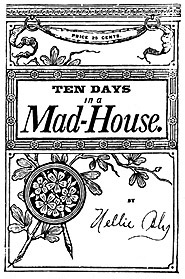
Ten Days in a Mad-House
Nellie Bly · 1887
 Photograph
Primary source
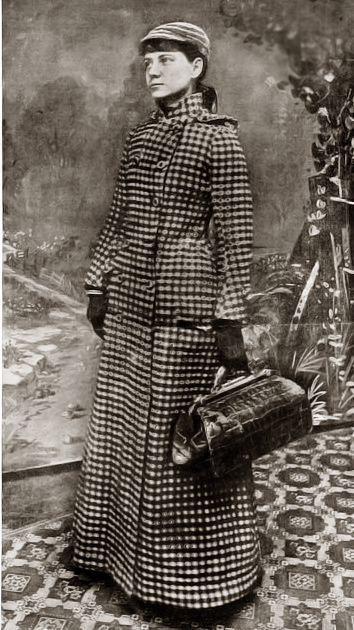
Nellie Bly, Journalist
1889
 Document
Primary source
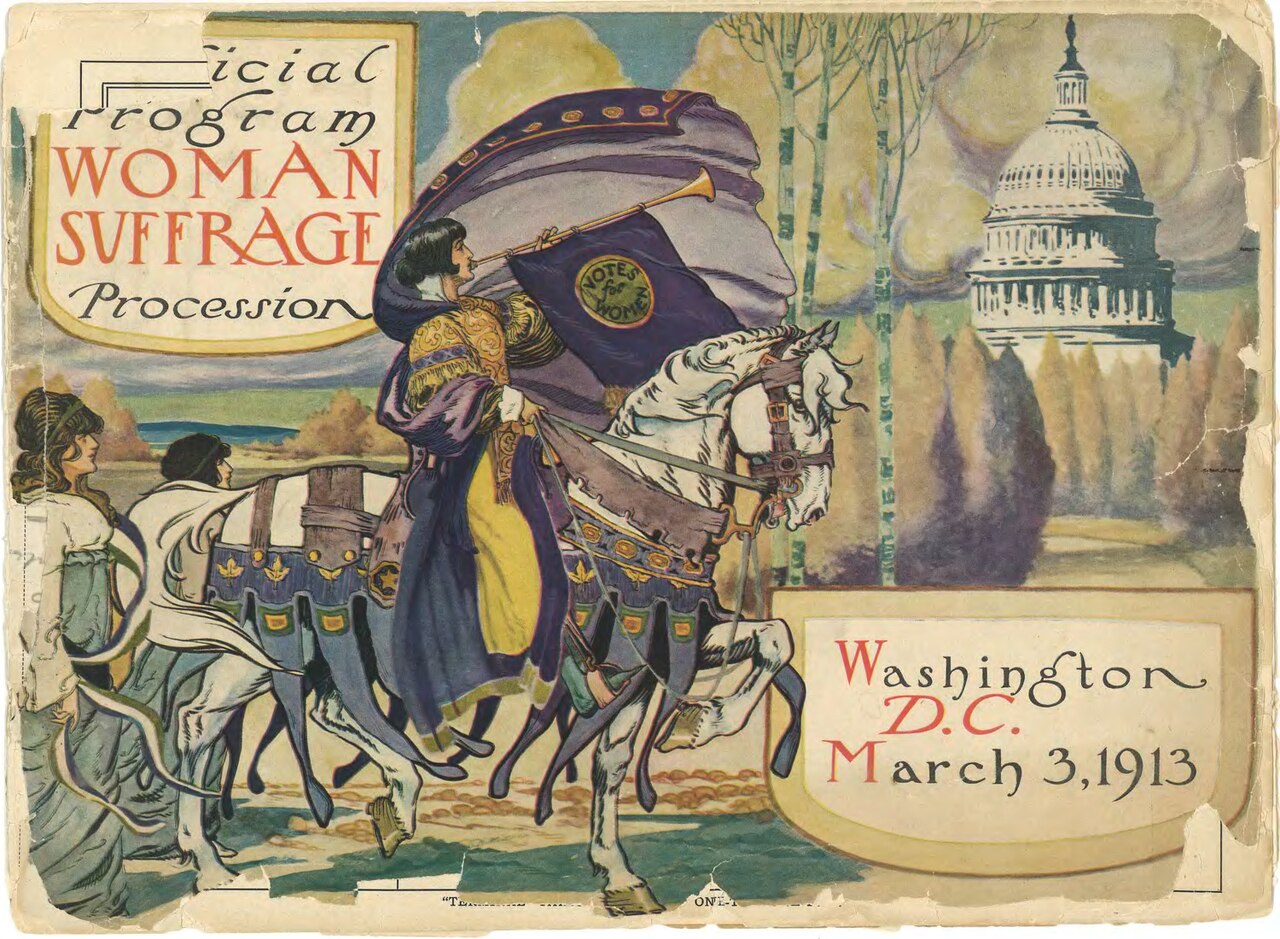
Official Program, Woman Suffrage Procession, Washington, March 3, 1913
National American Woman Suffrage Association · 3 March 1913
 Photograph
Primary source
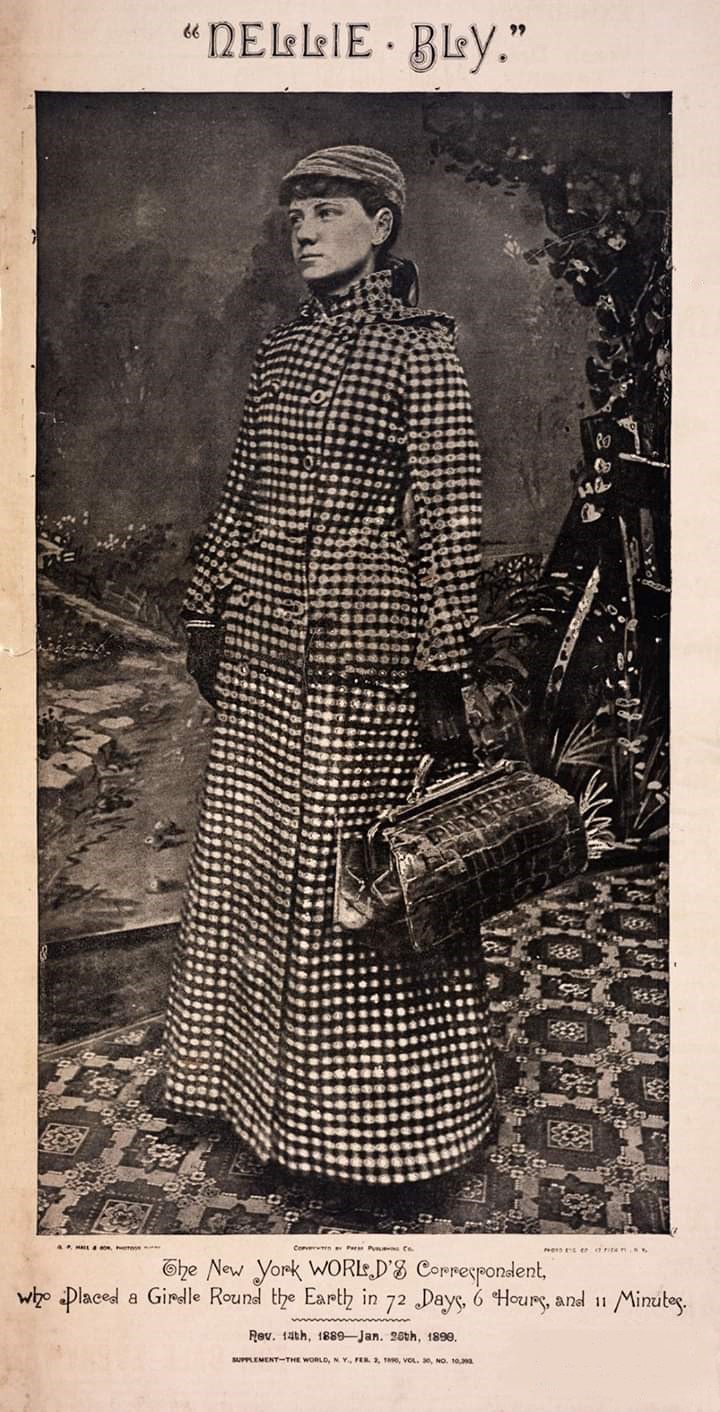
Nellie Bly, The New York Correspondent
1889
Ready when you are
Start chatting with Nellie Bly now.
20 messages free · No credit card · Available in 50+ languages.