


Primary sourceNewspaper article1899
The Origin of Tragedy According to Nietzsche
Jean Morel · 1899
A French article by Jean Morel, published in L'Ermitage in 1899, that explains Nietzsche's early book The Birth of Tragedy. Nietzsche was still alive when it appeared.
Written while Nietzsche lived, this article shows how his first major book was read and explained in France, and it places his early work at the start of his thought.
About this source
What it is
This is a French article titled 'Les origines de la tragédie selon Nietzsche', written by Jean Morel and published in the periodical L'Ermitage in 1899. It is a commentary on The Birth of Tragedy, the book Nietzsche published in 1871. Nietzsche was still alive when the article appeared; he died in August 1900.
The article opens by saying that Nietzsche's early works have not yet received enough attention, and that they show the roots of his later thinking. It then turns to the question that starts The Birth of Tragedy: why a people thought to be happy, the Greeks, created art, and whether their calm gods hid a deep pessimism.
Why it matters
The article shows how French readers were discussing Nietzsche's ideas while he was still writing. It also shows one reader trying to explain Nietzsche's view of Greek culture to others. The author connects Nietzsche's study of the ancient Greeks with his judgments on modern culture, which he says rested on that study.
Look closer
- Why does the author say Nietzsche's early works matter for understanding his later thought?
- What question does the article say Nietzsche began with, and why might it seem surprising about a people thought to be happy?
- Who wrote this commentary, and what might a reader in 1899 have wanted to learn from it?
This newspaper article is part of the curated material that grounds the AI version of Friedrich Nietzsche on Humy.ai — when students ask about related events, the AI can quote it and cite it.
More Friedrich Nietzsche sources
Meet the AI Friedrich Nietzsche →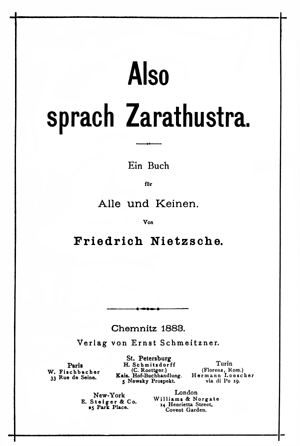 Book
Primary source
Thus Spoke Zarathustra
Friedrich Nietzsche · 1883-1885
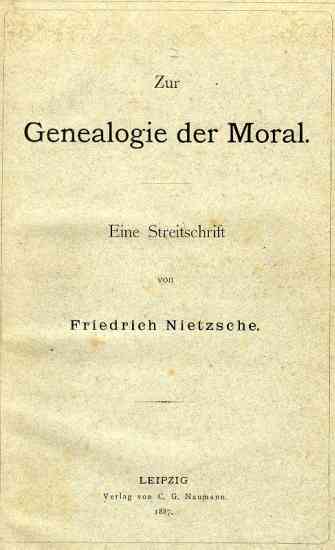 Book
Primary source
On the Genealogy of Morality
Friedrich Nietzsche · 1887
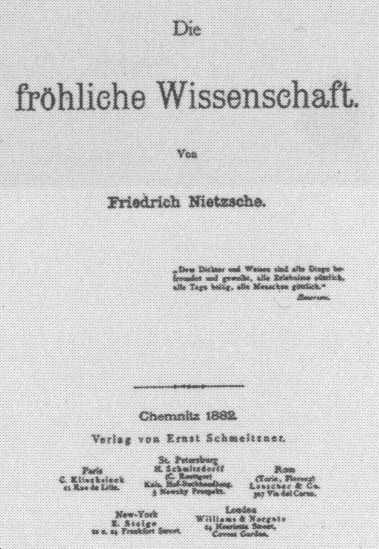 Book
Primary source
The Gay Science
Friedrich Nietzsche · 1882
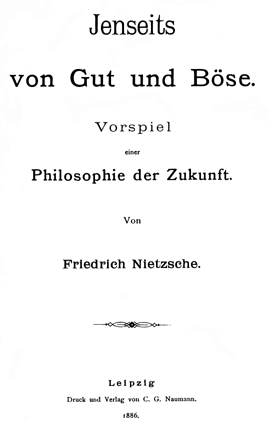 Book
Primary source
Beyond Good and Evil
Friedrich Nietzsche · 1886
 Book
Primary source
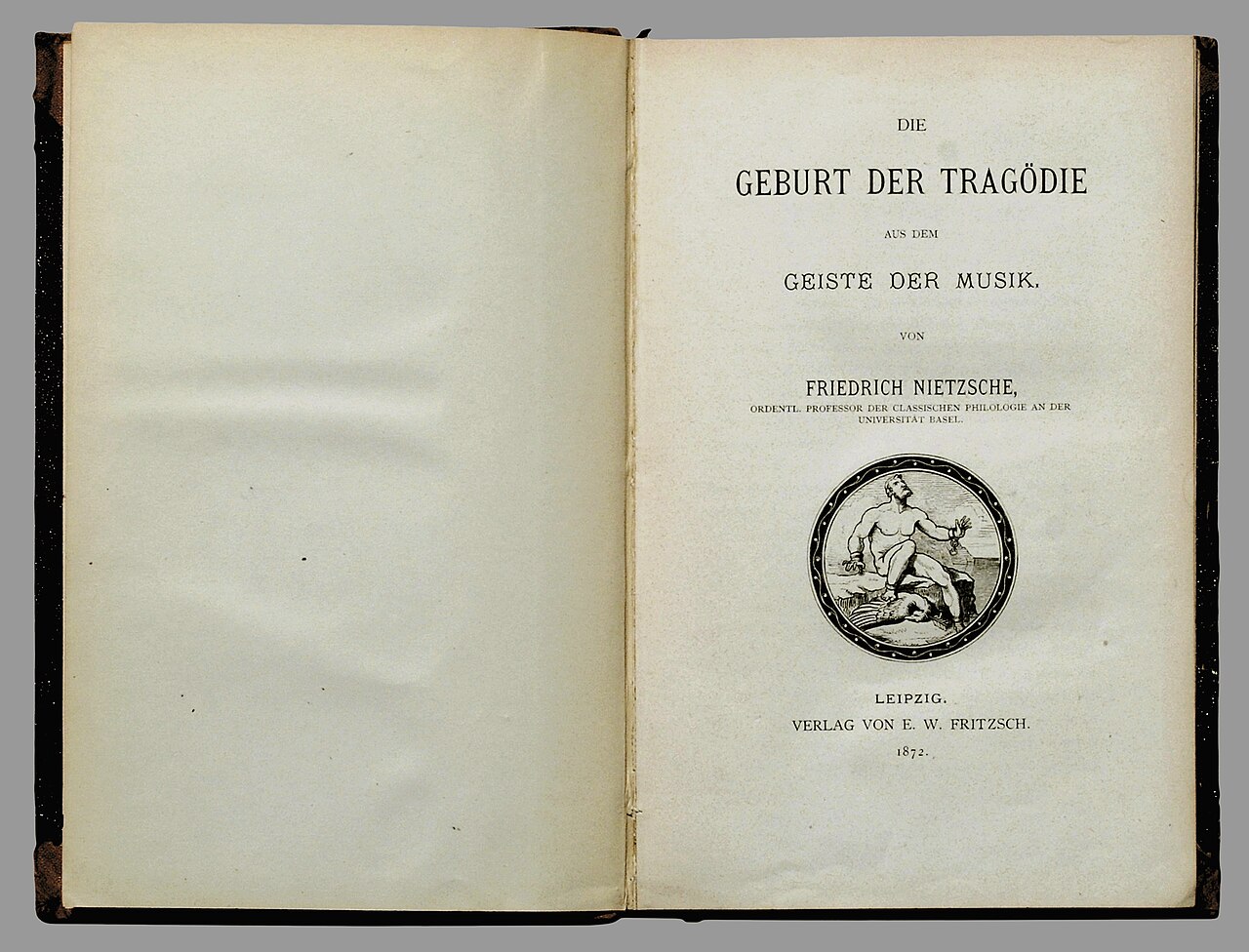
The Birth of Tragedy
Friedrich Nietzsche · 1872
Ready when you are
Start chatting with Friedrich Nietzsche now.
20 messages free · No credit card · Available in 50+ languages.