


Primary sourceBook1825 (journey); published in the Crimean Sonnets
The Pass Across the Abyss in the Tschufut-Kale
Adam Mickiewicz · 1825 (journey); published in the Crimean Sonnets
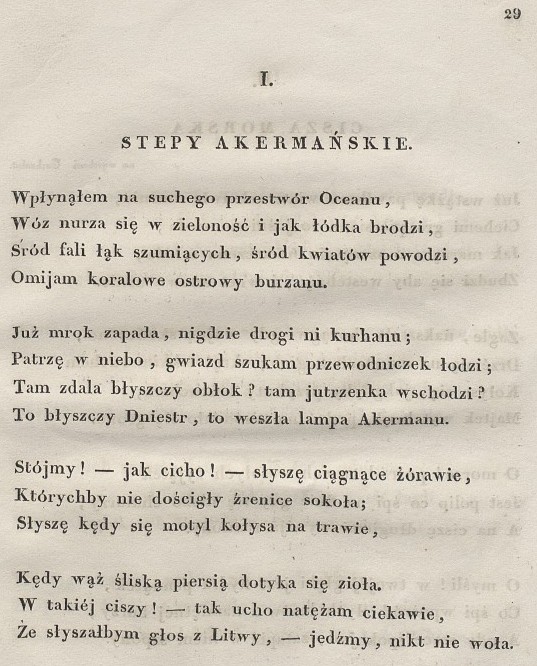
A sonnet by Mickiewicz in dialogue form describing a dangerous mountain crossing in Crimea, part of his Crimean Sonnets.
A sonnet by Mickiewicz inspired by his dangerous 1825 crossing of a mountain pass during his Crimean journey in exile.
Free Humy account · No credit card · 120,912 sources to read
About this source
What it is
A poem by Adam Mickiewicz, part of his Crimean Sonnets, written as a dialogue between a guide (Mirza) and a pilgrim crossing a dangerous mountain pass at Tschufut-Kale in Crimea.
Why it matters
Composed after Mickiewicz's 1825 journey through Crimea during his exile from Poland, the poem reflects the Romantic fascination with sublime, dangerous landscapes and the limits of human expression when faced with overwhelming experience. It reveals Mickiewicz's skill in turning travel and personal danger into poetic form.
Look closer
- Why does the poet use a dialogue between two speakers instead of a single voice?
- What feelings does the poem suggest about facing danger and the unknown?
- Why might the pilgrim say his tongue cannot describe what he saw?
This book is part of the curated material that grounds the AI version of Adam Mickiewicz on Humy.ai — when students ask about related events, the AI can quote it and cite it.
More Adam Mickiewicz sources
Browse all 95 →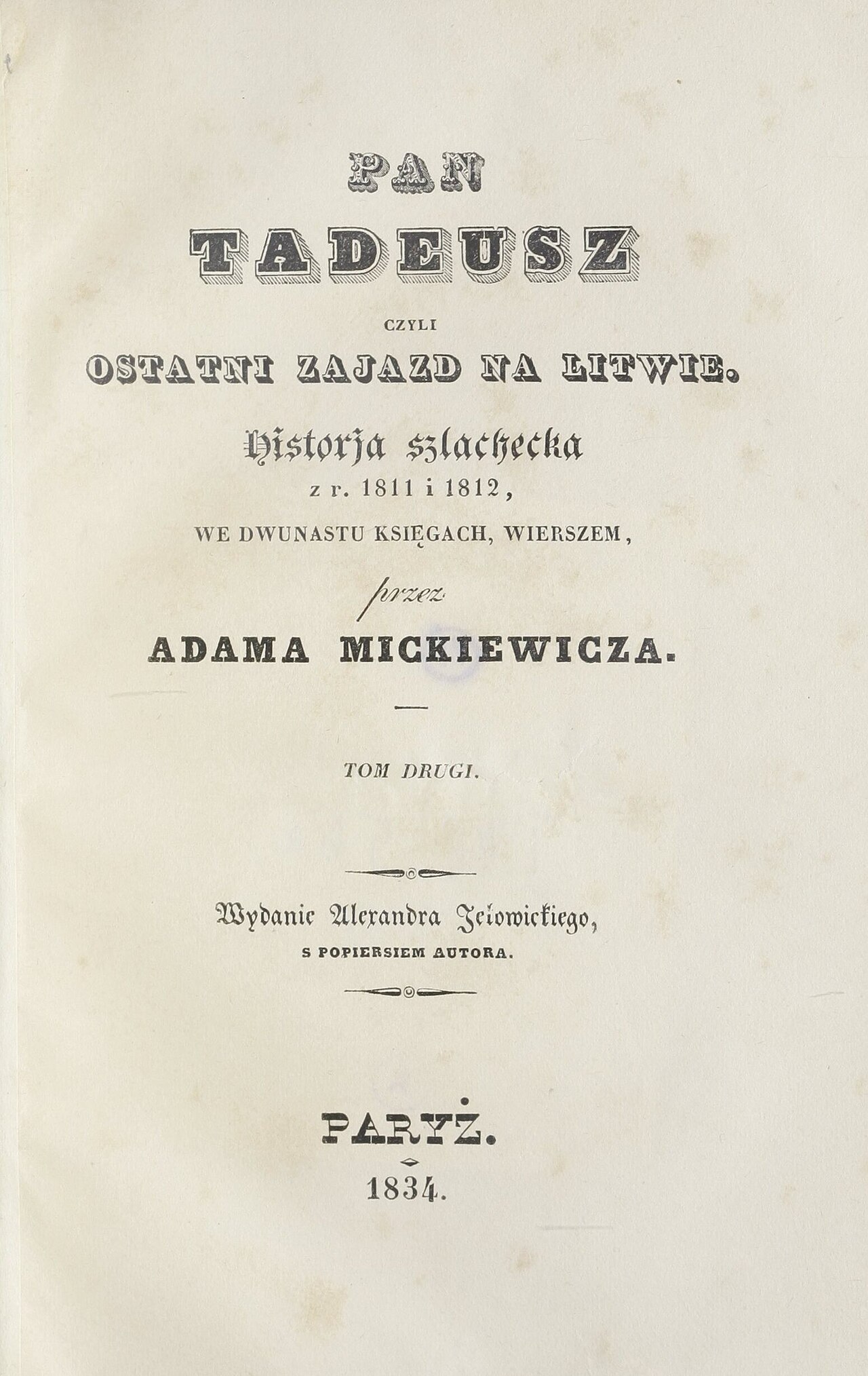 Book
Primary source
Pan Tadeusz
Adam Mickiewicz · 28 June 1834
 Book
Primary source
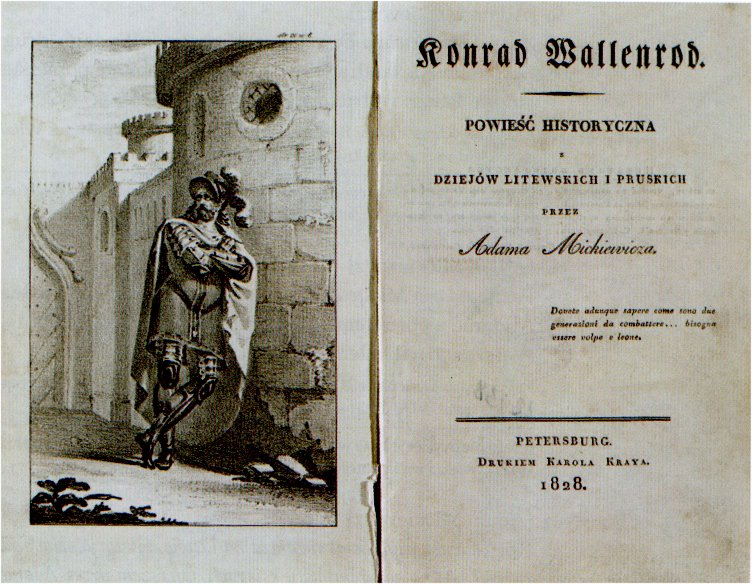
Konrad Wallenrod
Adam Mickiewicz · 1828
 Book
Primary source
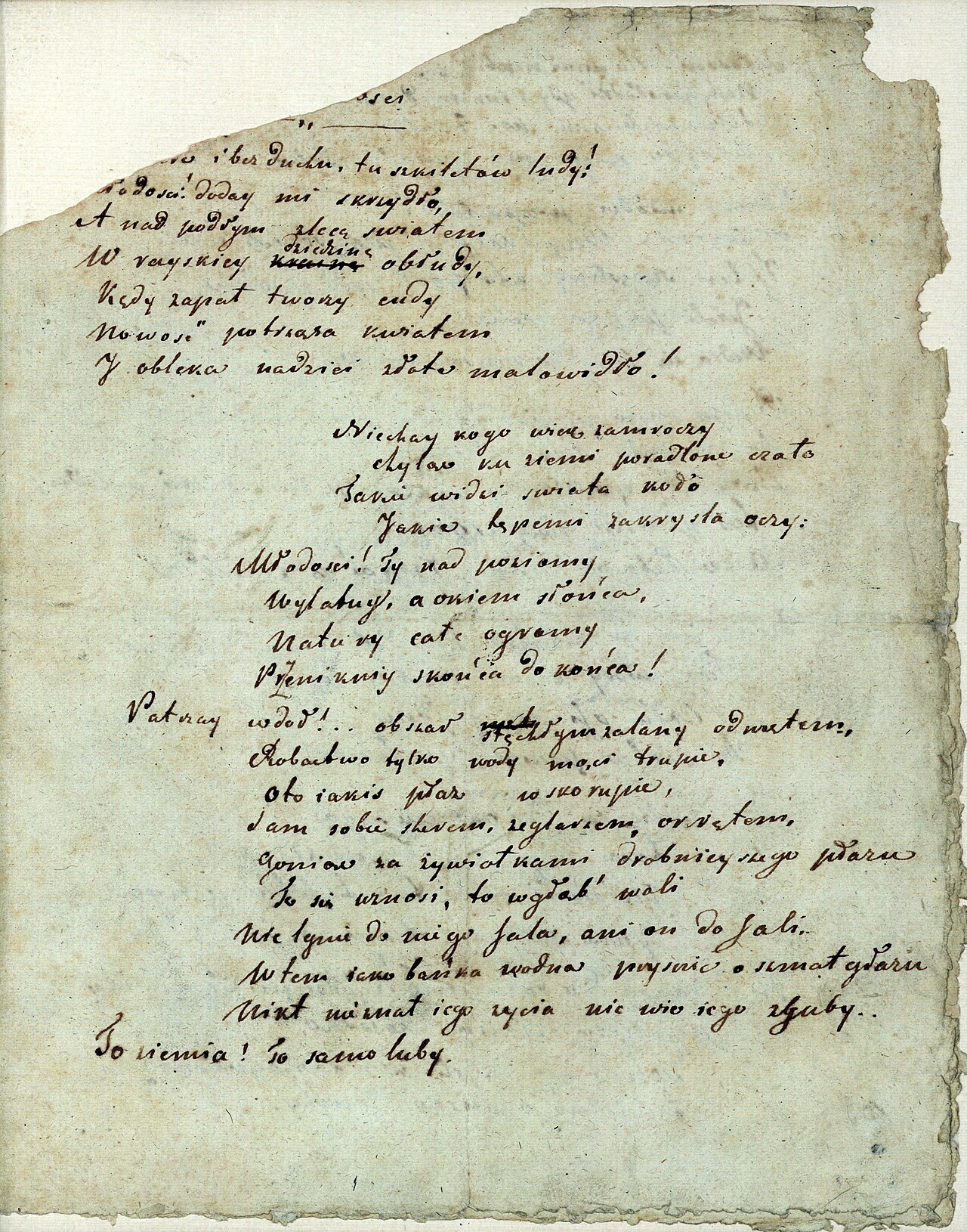
Ode to Youth
Adam Mickiewicz · 1820
 Book
Primary source
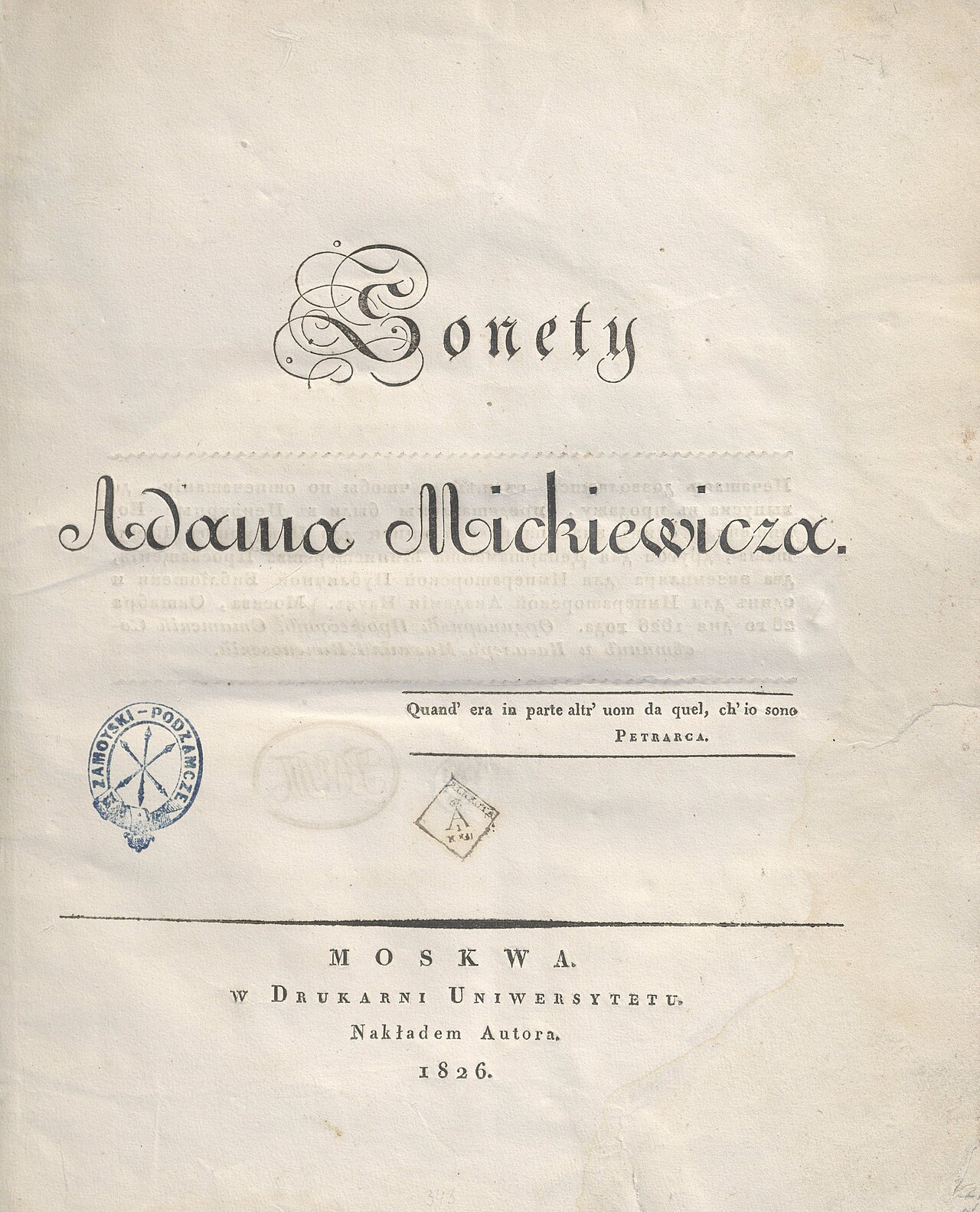
Sonnets from the Crimea
Adam Mickiewicz · 1826
Free account
Read every Adam Mickiewicz source
Sign up free →
Ready when you are
Start chatting with Adam Mickiewicz now.
20 messages free · No credit card · Available in 50+ languages.