


Primary sourceDocument1670
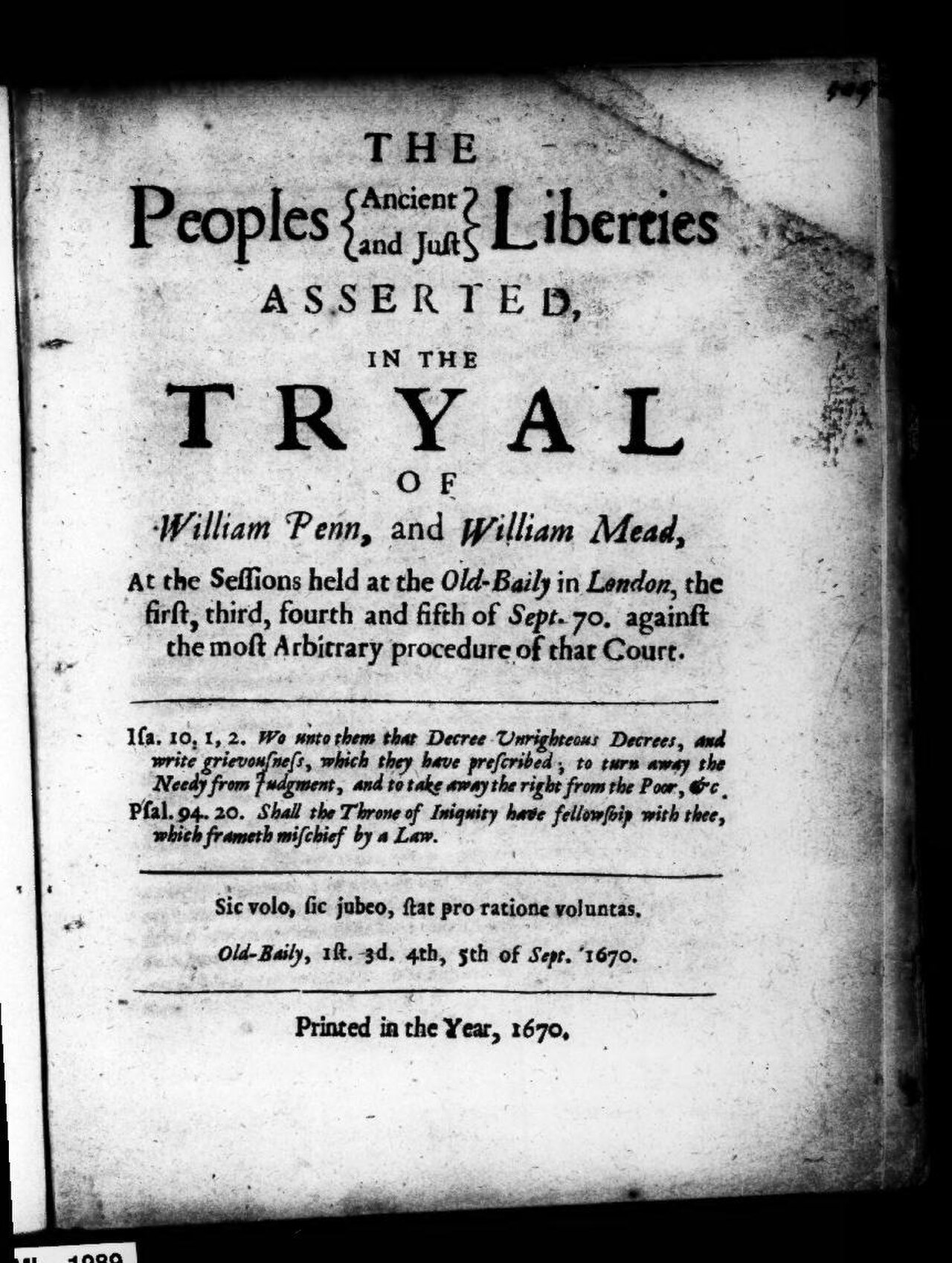
The People's Ancient and Just Liberties Asserted
William Penn and William Mead · 1670
A 1670 account by Penn and William Mead of their trial for preaching, in which the jury refused to convict them despite pressure from the court.
Penn co-authored this account of his own trial, a landmark moment in his fight for religious liberty and legal rights.
About this source
What it is
This 1670 pamphlet, published in London, records the trial of William Penn and William Mead, who were prosecuted for unlawful preaching. It was written by Penn and Mead themselves and is held by the British Library.
Why it matters
At the trial, the jury refused to find Penn guilty and found Mead not guilty at all, even though the court tried to pressure them. The jurors were punished for their verdict, but one juror, Edward Bushel, challenged his imprisonment and won, in a ruling known as Bushel's Case. Together, Penn's trial and its aftermath became a landmark for the independence of juries in English law.
Look closer
- Why might Penn and Mead have wanted to publish their own account of the trial?
- What does the jury's refusal to convict tell you about the risks jurors could face?
- How does this document connect ideas of religious freedom with legal rights?
This document is part of the curated material that grounds the AI version of William Penn on Humy.ai — when students ask about related events, the AI can quote it and cite it.
More William Penn sources
Meet the AI William Penn →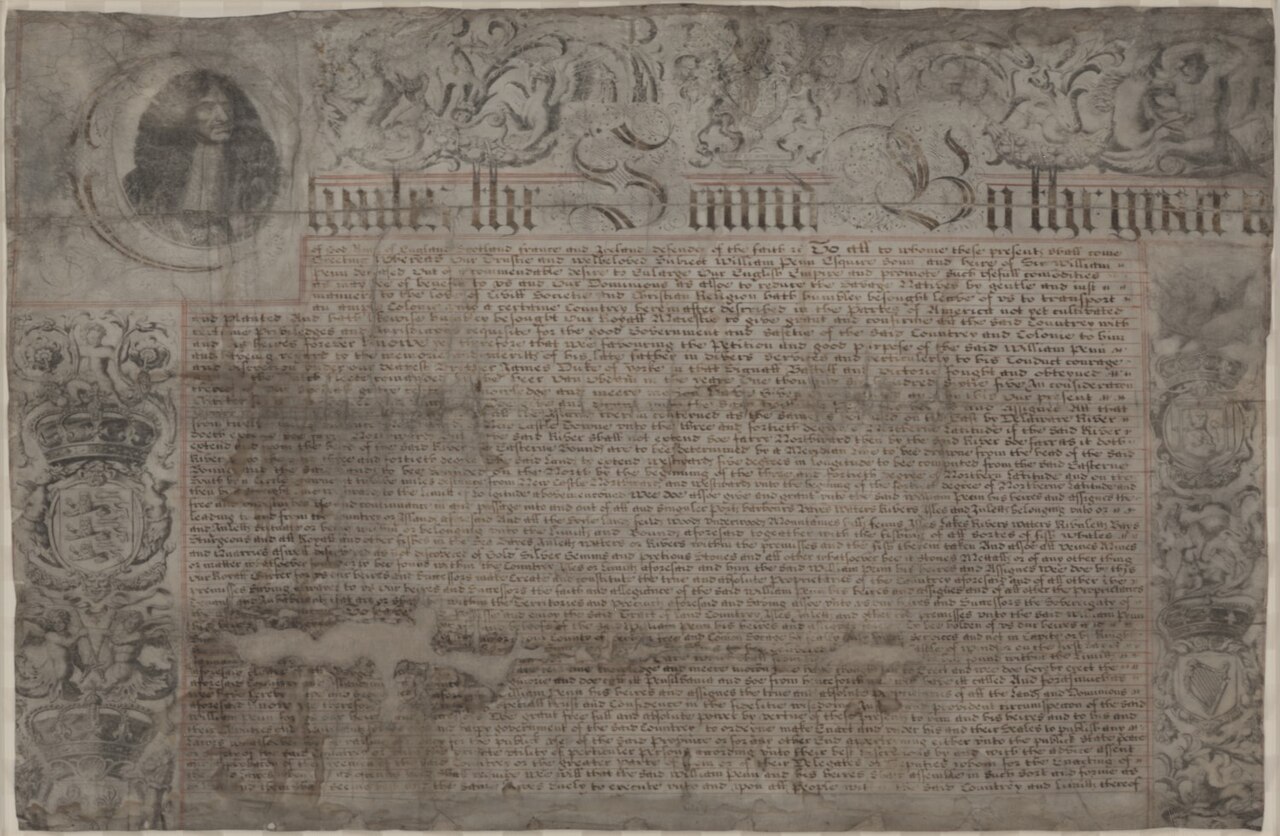 Document
Primary source
Charter for the Province of Pennsylvania
King Charles II of England · 4 March 1681
 Document
Primary source
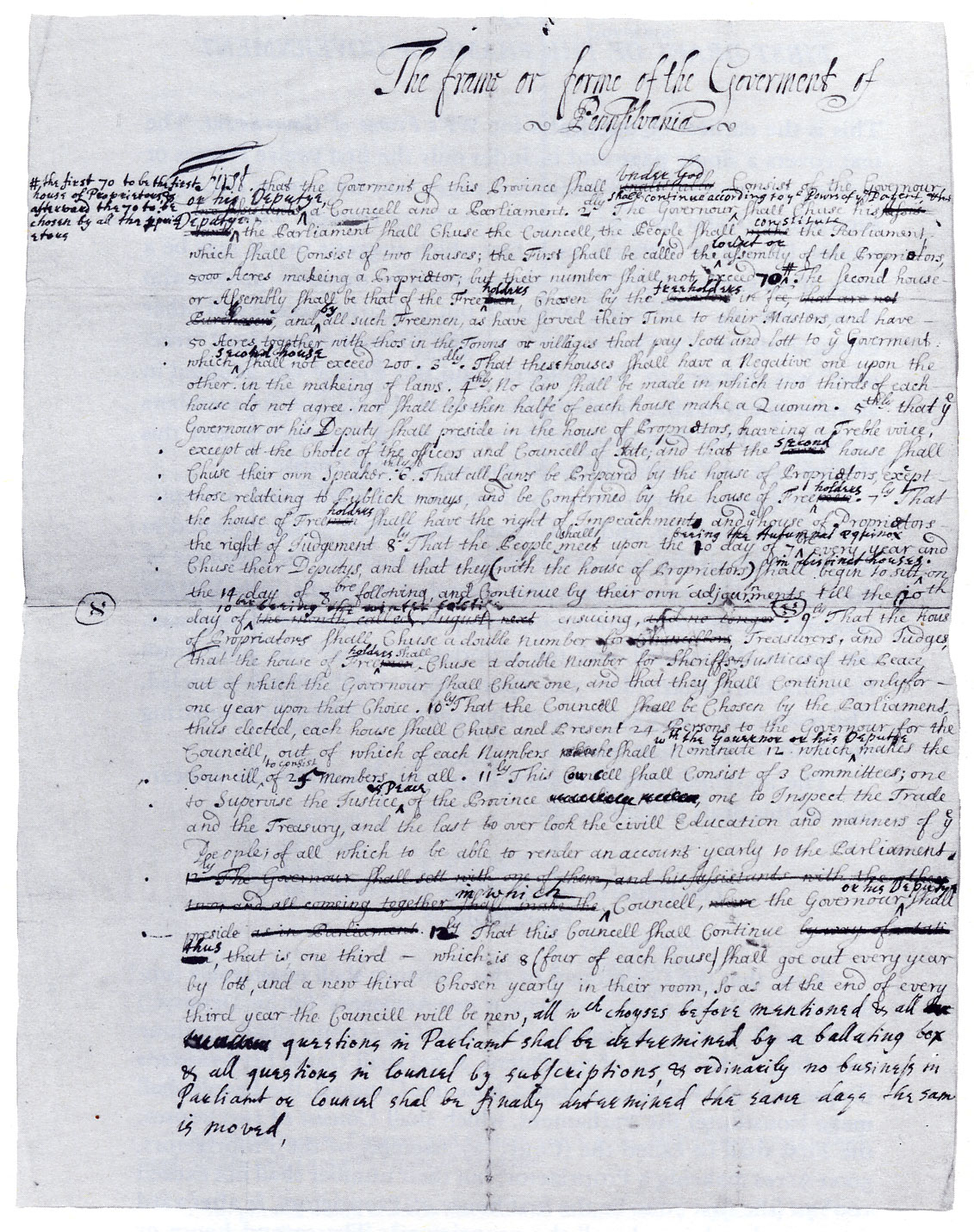
Frame of Government of Pennsylvania
William Penn · 1682
 Document
Primary source
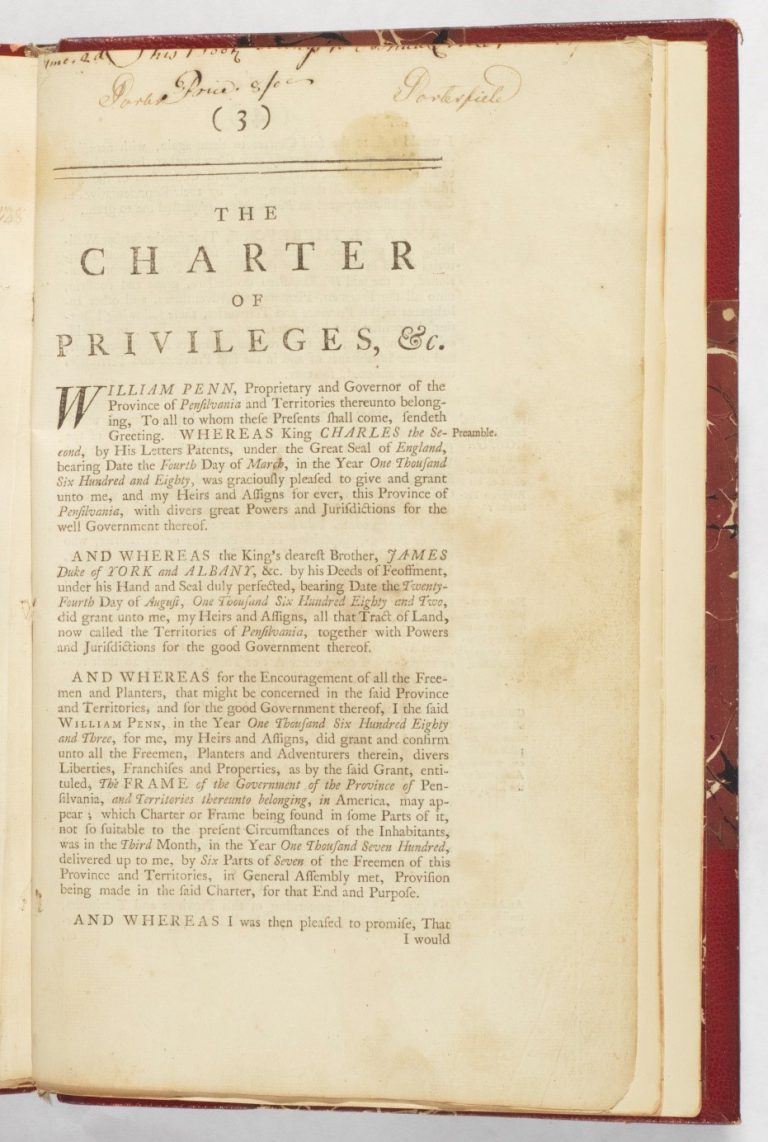
Charter of Privileges
William Penn · 28 October 1701
 Artifact
Primary source
Wampum Belt Presented to William Penn at the Great Treaty
 Artifact
Primary source
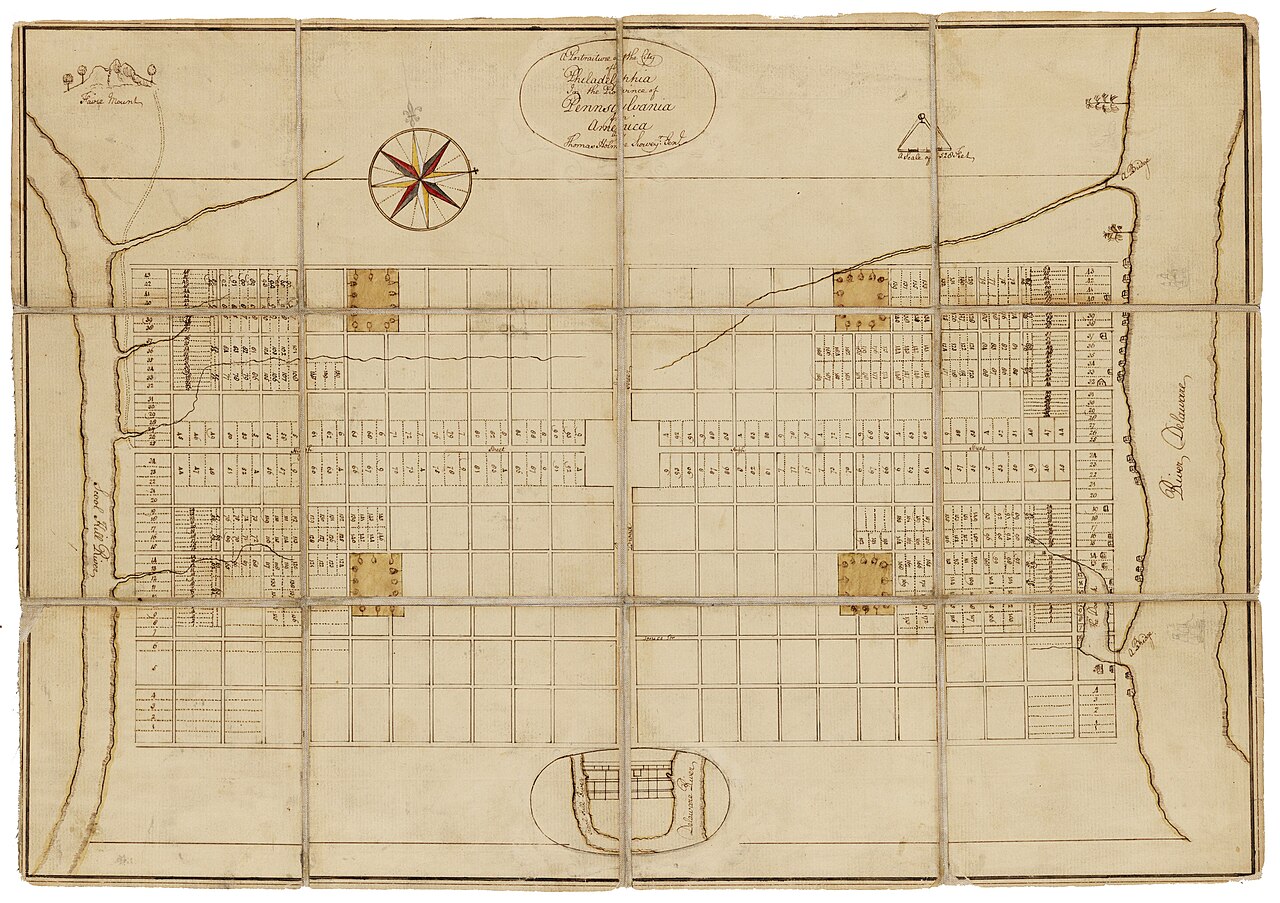
A Portraiture of the City of Philadelphia
Thomas Holme · 1683
Ready when you are
Start chatting with William Penn now.
20 messages free · No credit card · Available in 50+ languages.