


Primary sourceBook
The Plague in Florence
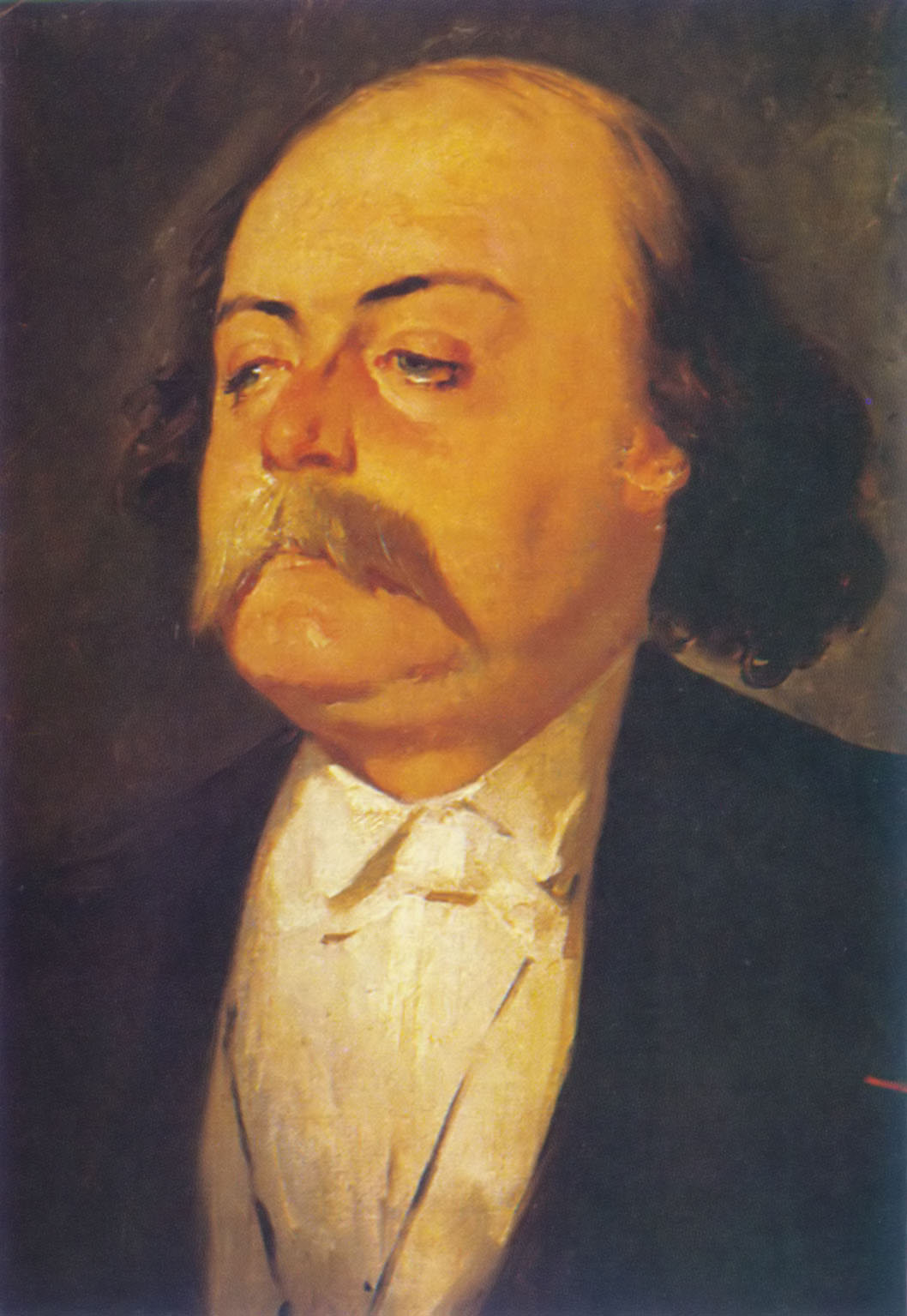
Gustave Flaubert
The Plague in Florence is a short novel by Gustave Flaubert, written when he was a teenager. It is a tale of fratricidal jealousy and dark, macabre imagination.
An early tale written by Flaubert as a teenager, showing the dark imagination he had before his mature novels.
Free Humy account · No credit card · 120,288 sources to read
About this source
What it is
The Plague in Florence is a novel by Gustave Flaubert (1821–1880). Its opening text is in French and begins with an epigraph from Alexandre Dumas, followed by a story set in Florence about an old woman named Beatricia who tells fortunes and sells drugs in the poorest part of the city. The text is a long written work, and the facts give no exact date of writing.
Why it matters
The work is an early piece of writing, made when Flaubert was a teenager. It shows the romantic and macabre imagination that would later appear in his mature novels. Reading it alongside his later books lets students see how his interests in violence, jealousy and the lives of poor people developed over time.
Look closer
- What does the story tell us about its main characters before the plot begins?
- How does the opening epigraph from Dumas shape the reader's expectations?
- What does a teenage writer's imagination reveal, and what might a teacher want to check before reading it aloud?
This book is part of the curated material that grounds the AI version of Gustave Flaubert on Humy.ai — when students ask about related events, the AI can quote it and cite it.
More Gustave Flaubert sources
Browse all 95 →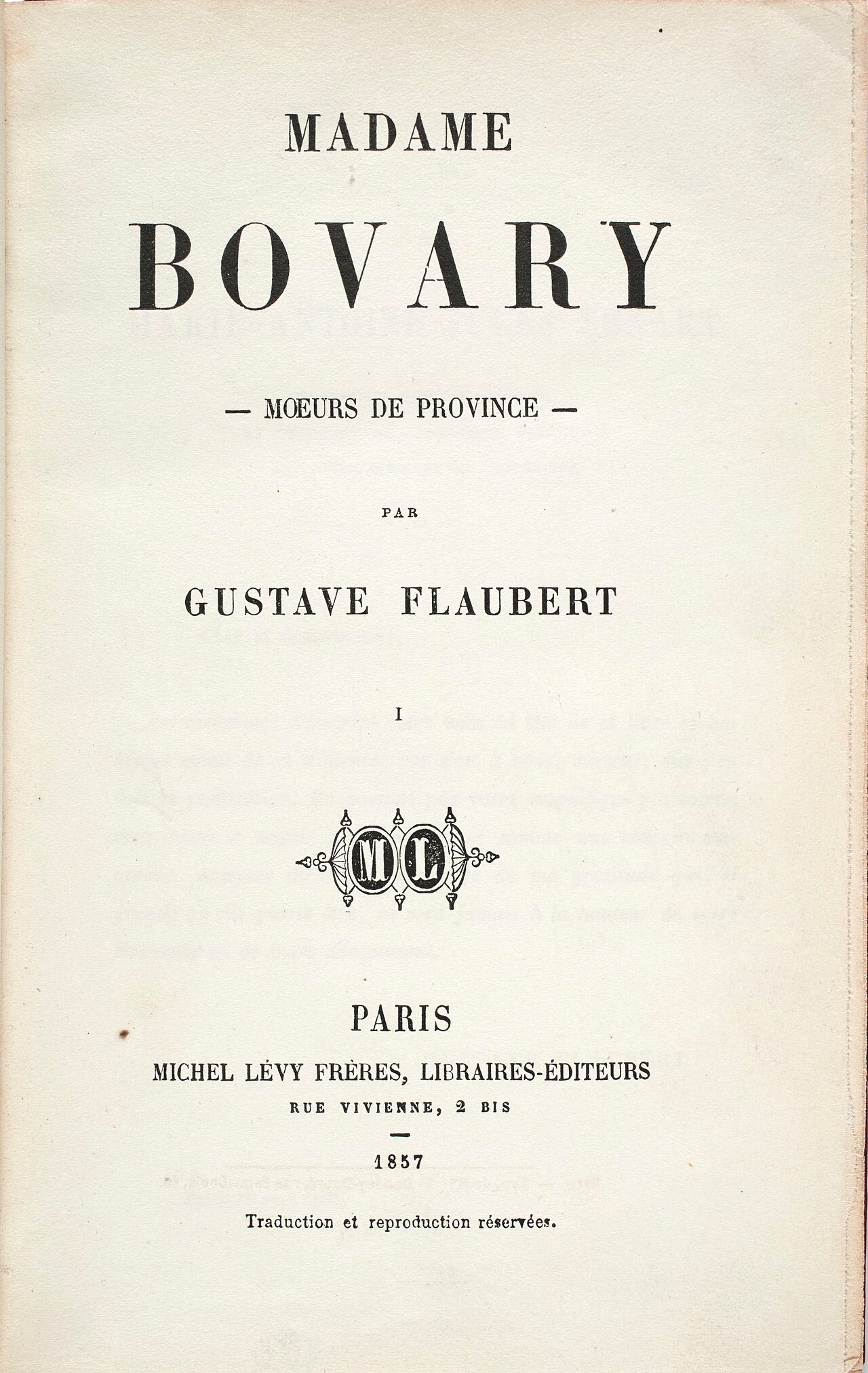 Book
Primary source
Madame Bovary
Gustave Flaubert · 1856-1857
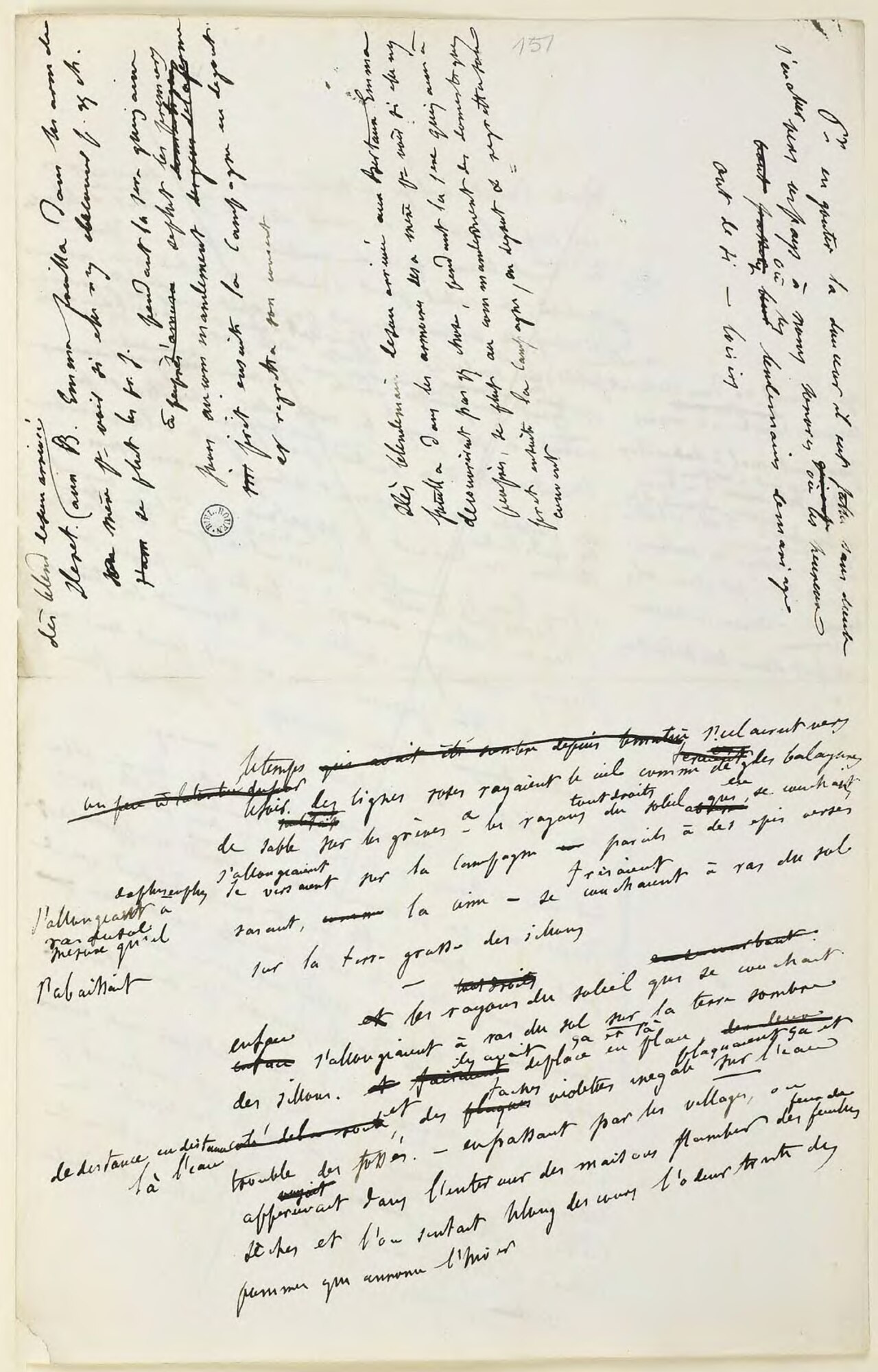 Document
Primary source
Manuscripts and drafts of Madame Bovary
Gustave Flaubert · 1851–1856
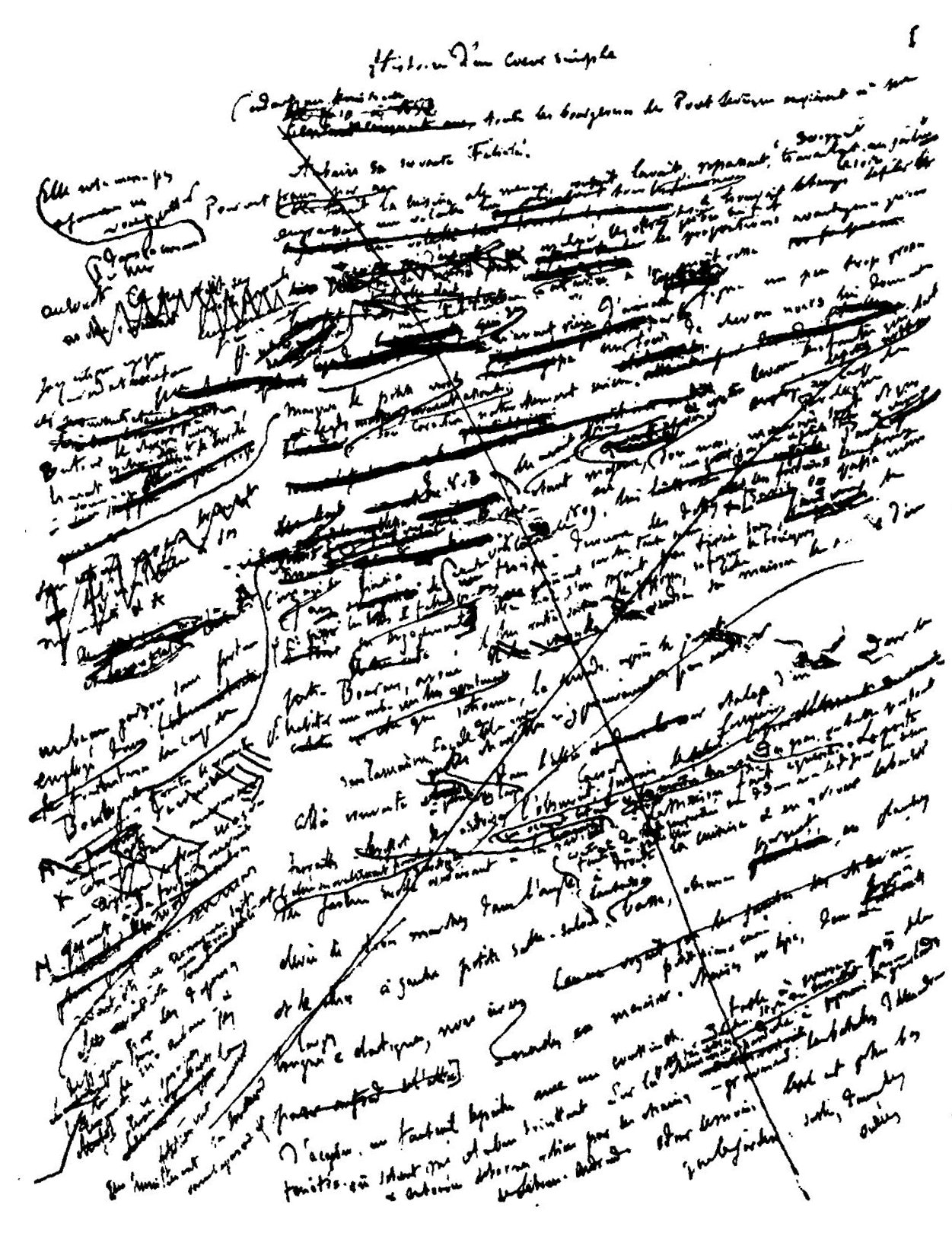
Primary source
A Simple Heart
Gustave Flaubert
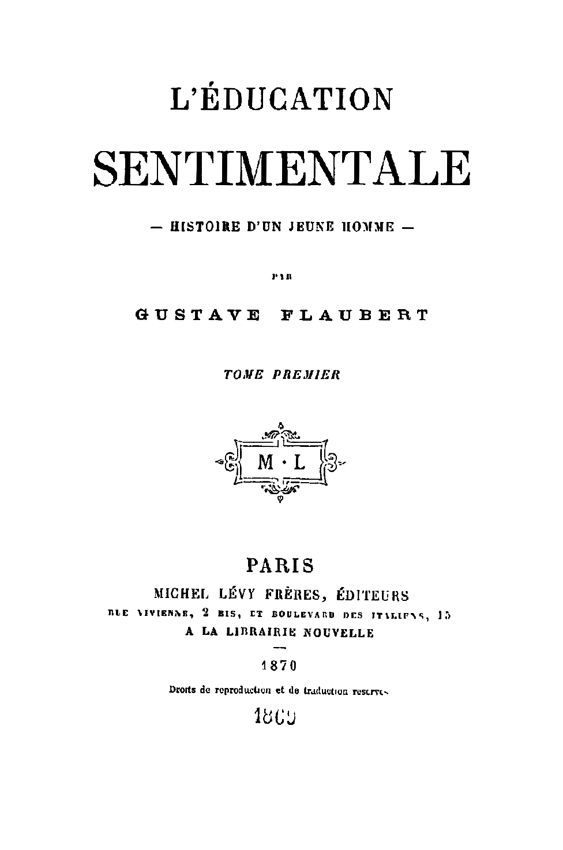
 Book
Primary source
Three Tales
Gustave Flaubert · 1877
Free account
Read every Gustave Flaubert source
Sign up free →
Ready when you are
Start chatting with Gustave Flaubert now.
20 messages free · No credit card · Available in 50+ languages.