


Primary sourcePaintingApril-May 1885
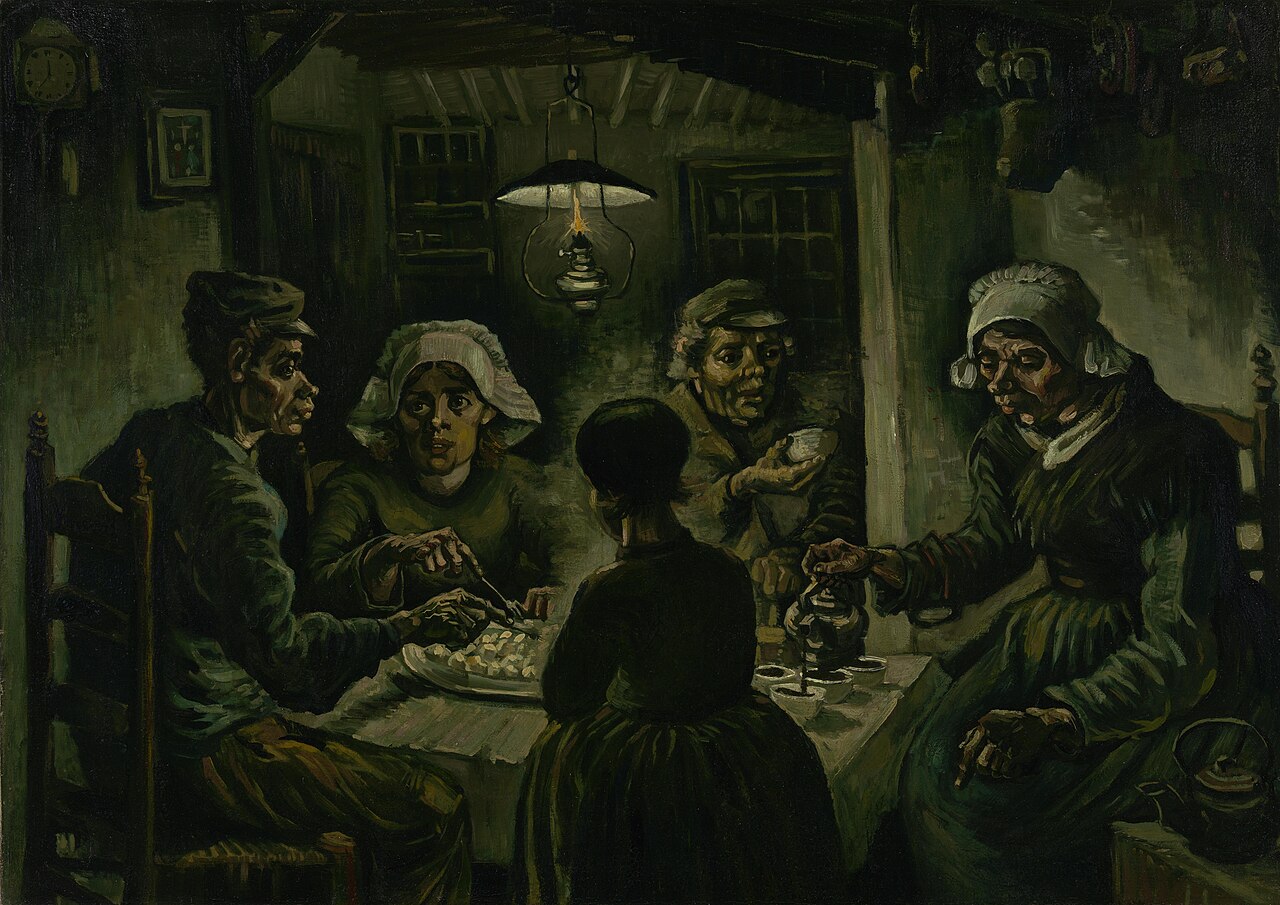
The Potato Eaters
Vincent van Gogh · April-May 1885
Van Gogh's dark, early masterpiece showing a peasant family eating potatoes by lamplight, painted in Nuenen in 1885.
Van Gogh's own painting and letters show his early artistic ambitions and his social view of peasant life.
About this source
What it is
An oil painting by Vincent van Gogh, made in April and May 1885 in Nuenen, Netherlands, where he was living with his parents. It is held by the Van Gogh Museum in Amsterdam, with a related oil sketch in the Kröller-Müller Museum and lithograph versions elsewhere.
Why it matters
Van Gogh's first ambitious figure painting, it shows his early commitment to depicting the harsh, honest lives of peasants and labourers rather than idealised rural scenes. In letters to his brother Theo, he explained he wanted viewers to see that the family had earned their food through their own hard labour. He considered it his best work for years, even though his friend Anthon van Rappard criticised it harshly at the time.
Look closer
- What details in the lamp-lit scene suggest hard physical work and poverty?
- Why might Van Gogh have chosen dark, coarse colours instead of a 'pretty' style?
- How does knowing his own explanation in his letters change the way you read the painting?
This painting is part of the curated material that grounds the AI version of Vincent van Gogh on Humy.ai — when students ask about related events, the AI can quote it and cite it.
More Vincent van Gogh sources
Meet the AI Vincent van Gogh →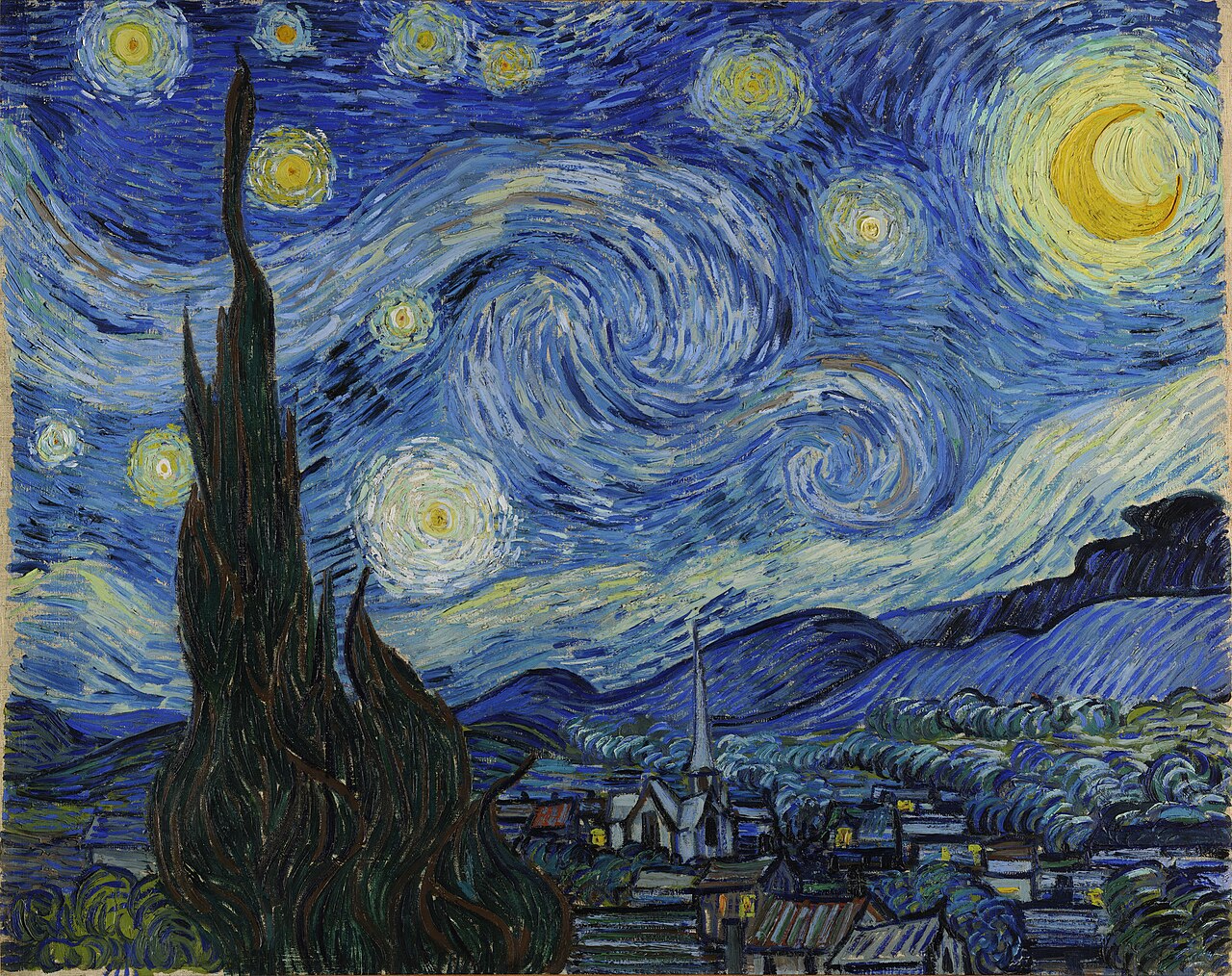 Painting
Primary source
The Starry Night
Vincent van Gogh · June 1889
 Painting
Primary source
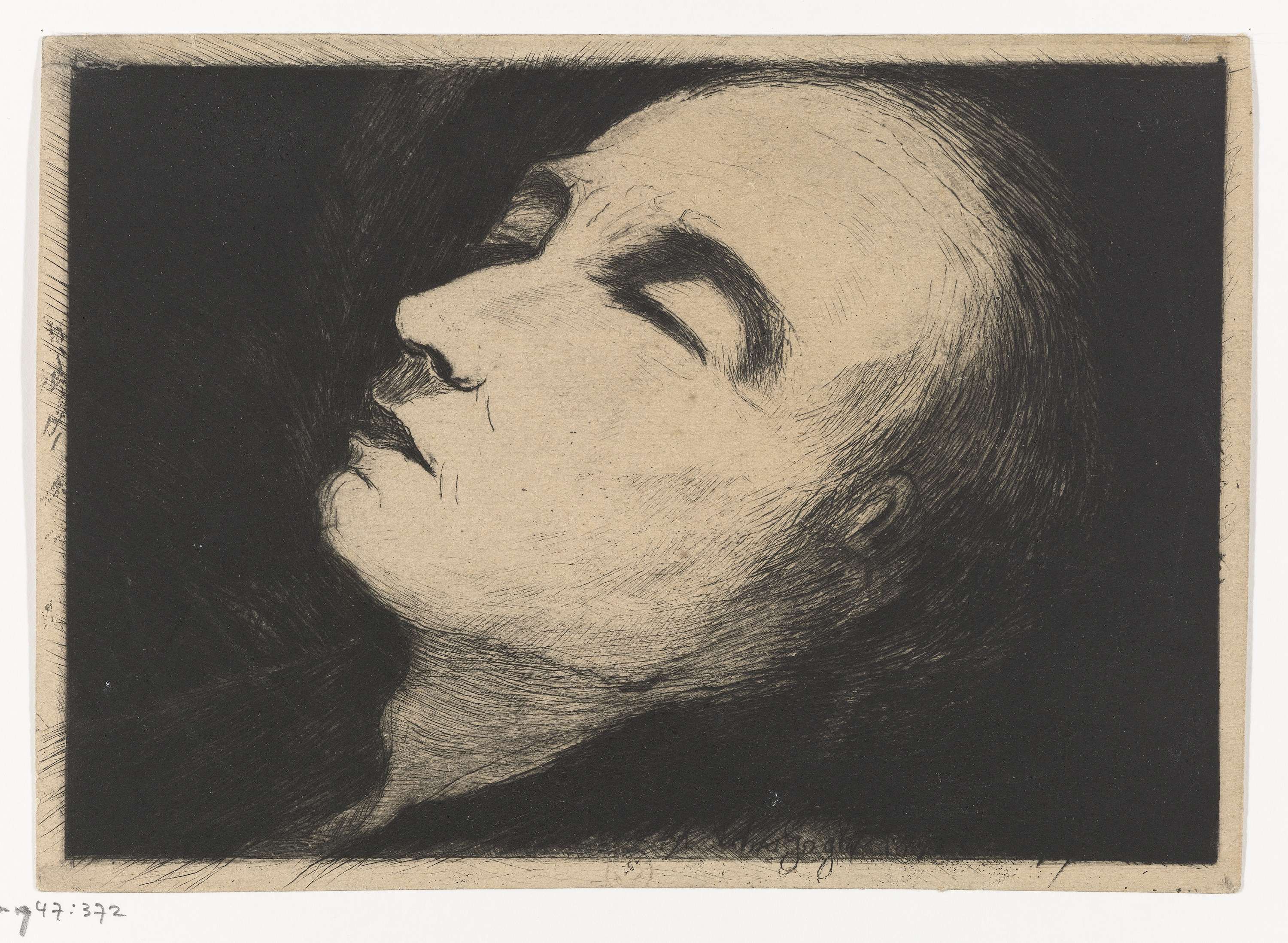
Vincent van Gogh, 29 July 1890
29 July 1890
 Letter
Primary source
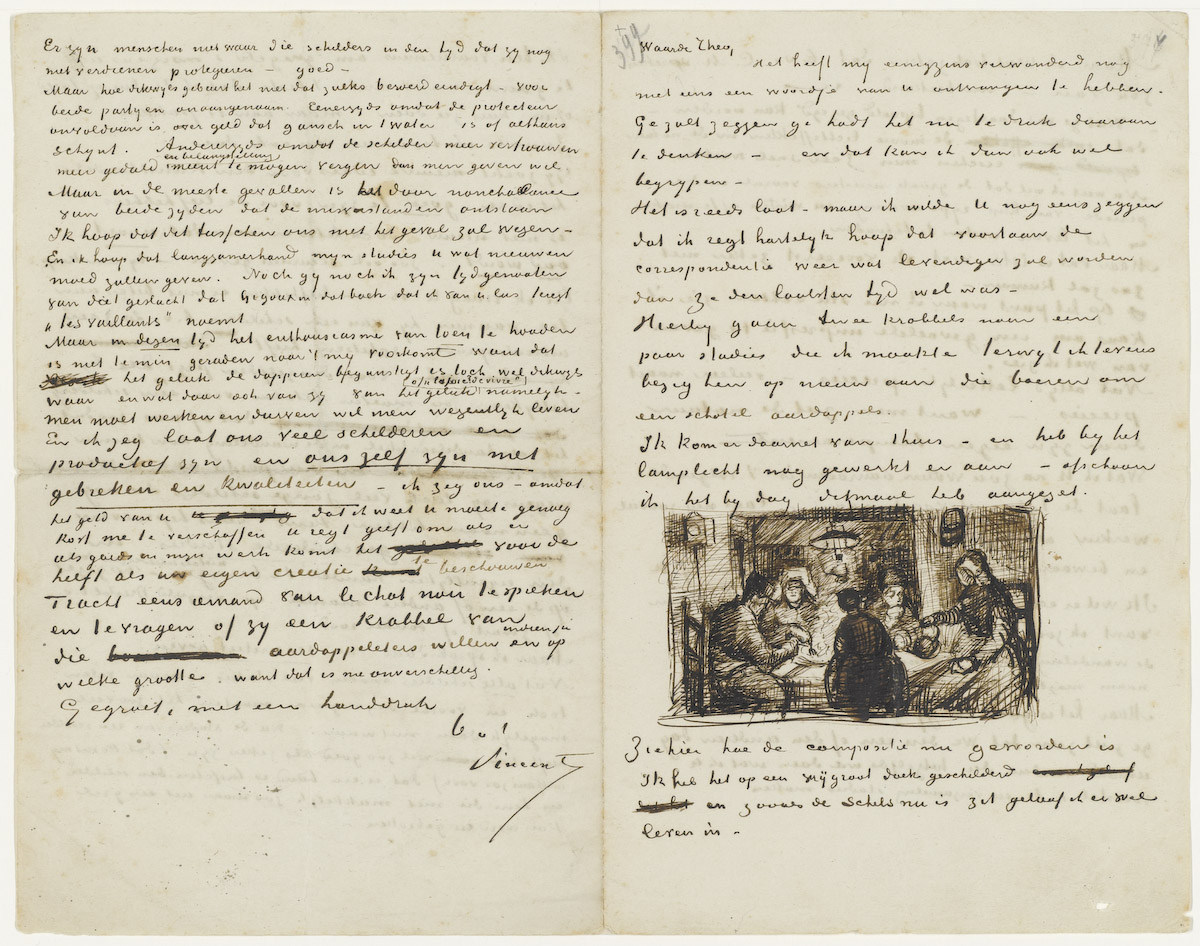
The Letters of Vincent van Gogh
Vincent van Gogh · 1872-1890, published 1914
 Painting
Primary source
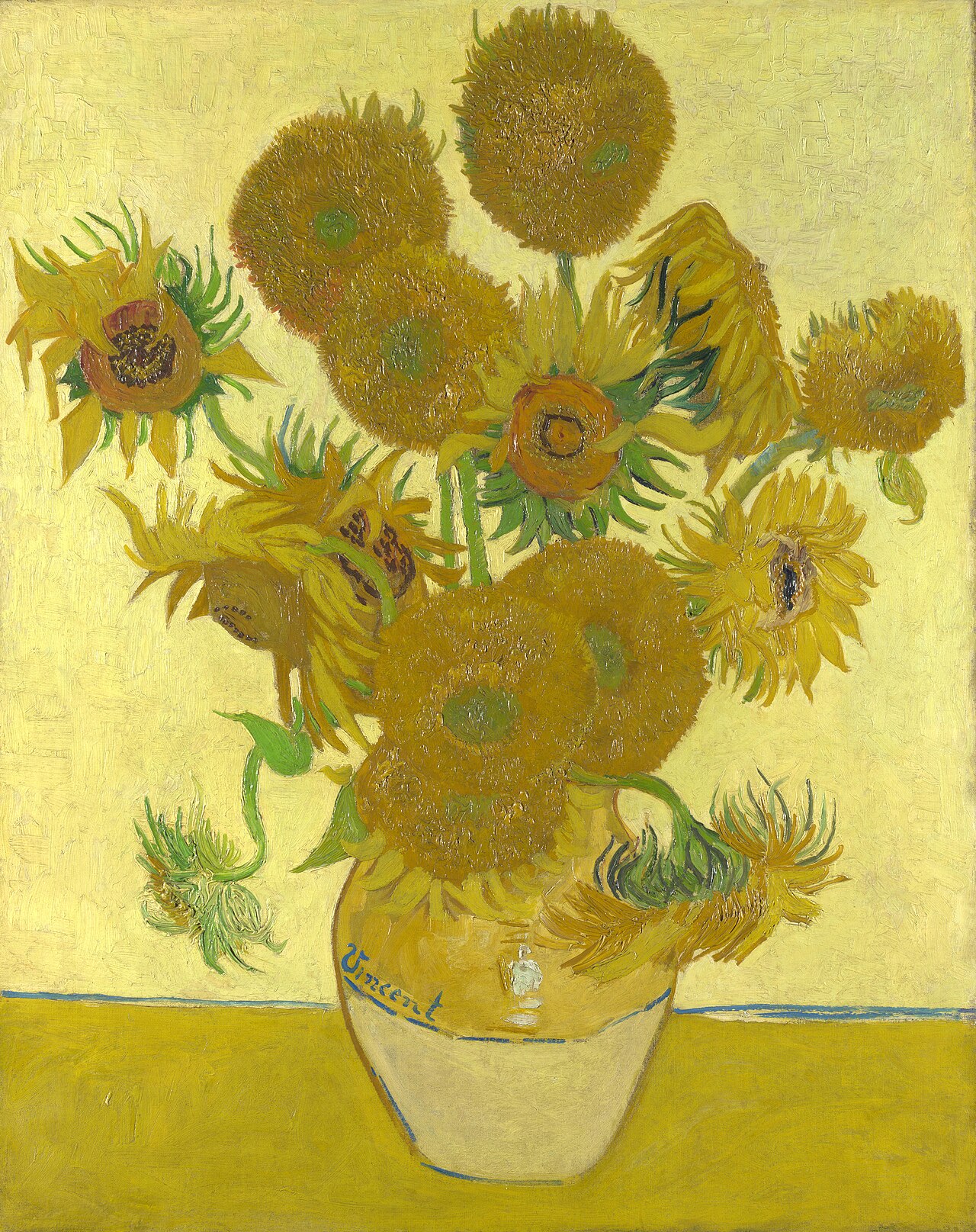
Sunflowers
Vincent van Gogh · 1888
 Artifact
Primary source
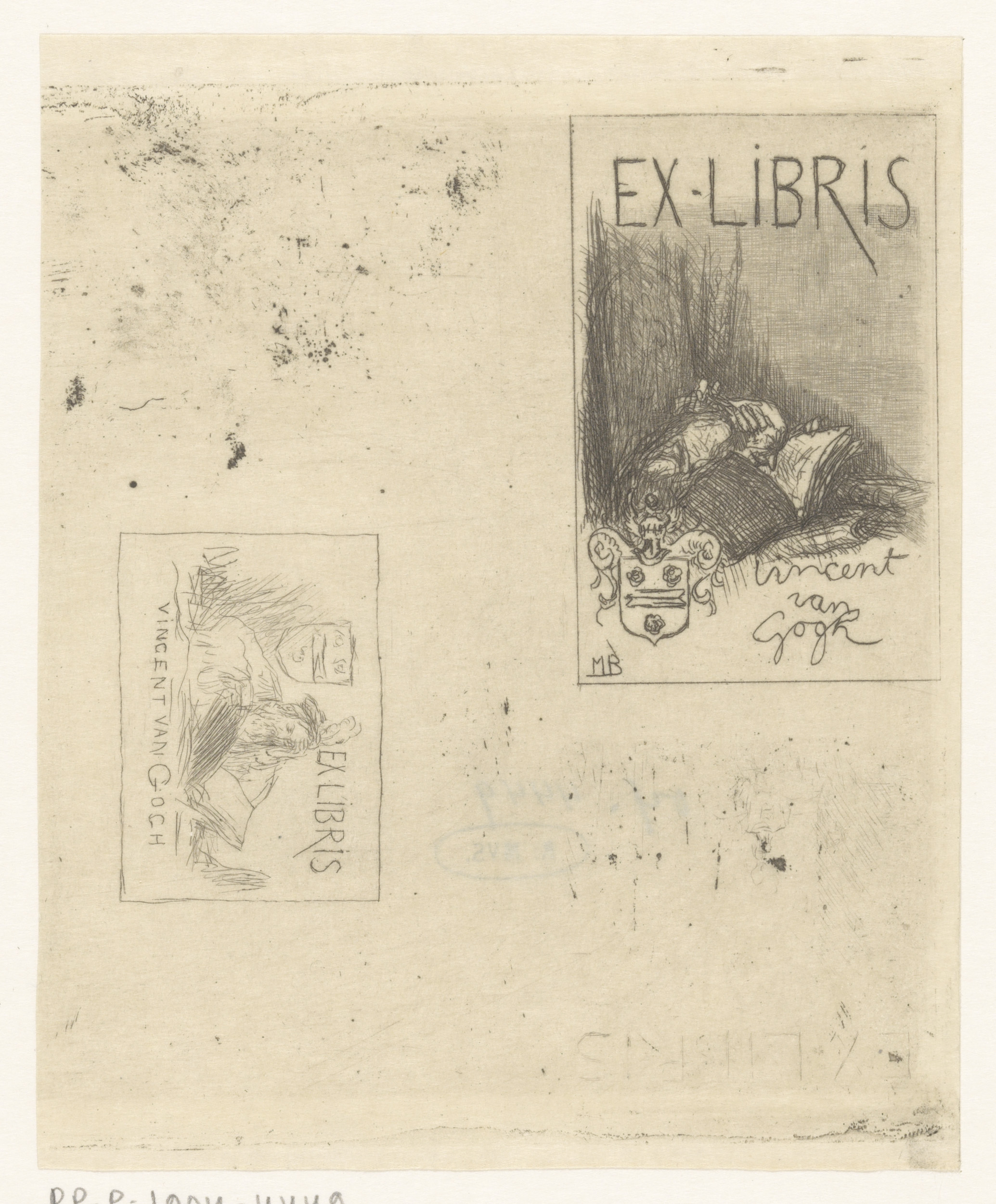
Two Bookplates for Vincent van Gogh
Ready when you are
Start chatting with Vincent van Gogh now.
20 messages free · No credit card · Available in 50+ languages.