


Primary sourceBook1886
The Power of Darkness
Leo Tolstoy · 1886
A five-act tragedy by Tolstoy about a peasant's seduction, murder, and eventual confession, banned in Russia until 1902.
Tolstoy's banned peasant tragedy, showing his work as a dramatist of village life and moral themes.
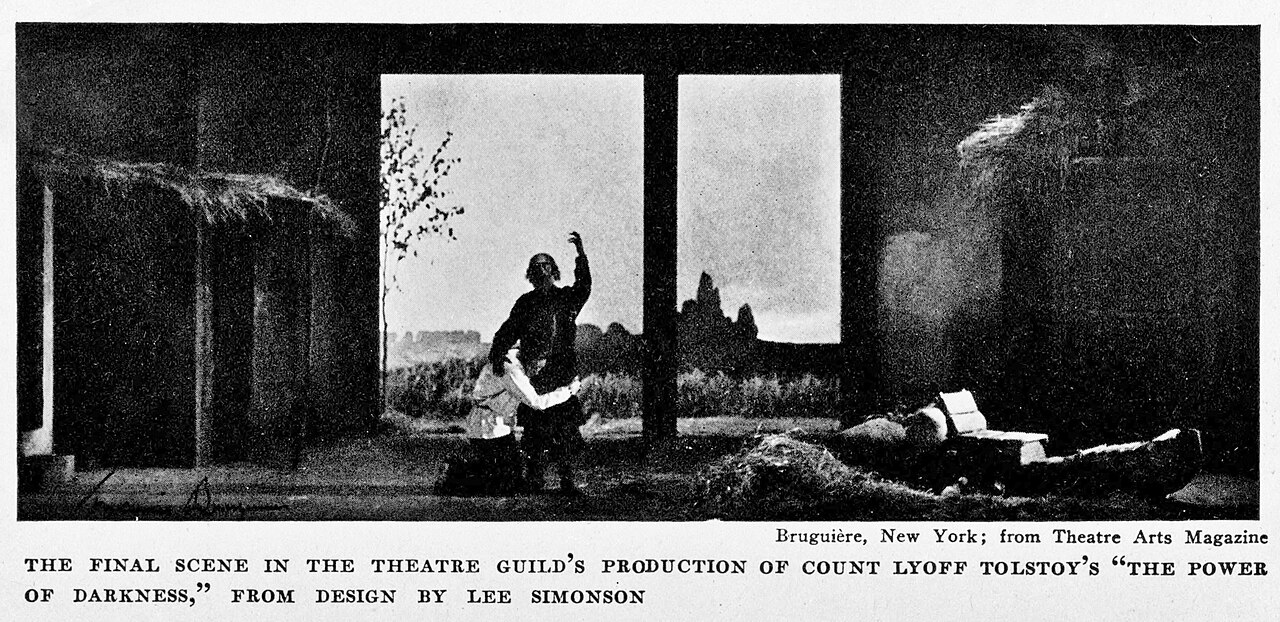
About this source
What it is
A five-act drama written by Leo Tolstoy in 1886. It tells the story of a peasant farmhand, Nikita, who seduces and abandons a young woman, has an affair with his master's wife and stepdaughter, and is drawn into poisoning and murder before finally confessing.
Why it matters
The play was banned in Russia for years because of its unflinching depiction of peasant life and sin, yet it was staged unofficially and later performed across Europe and America by figures such as Constantin Stanislavski and Jacob Adler. It shows Tolstoy's skill as a dramatist and his concern with moral redemption even for a confessed criminal.
Look closer
- Why might the Russian authorities have wanted to ban this play?
- What does the photograph of the stage set tell you about how the play was staged?
- Why does Tolstoy give his villain a path to confession and redemption?
This book is part of the curated material that grounds the AI version of Leo Tolstoy on Humy.ai — when students ask about related events, the AI can quote it and cite it.
More Leo Tolstoy sources
Meet the AI Leo Tolstoy →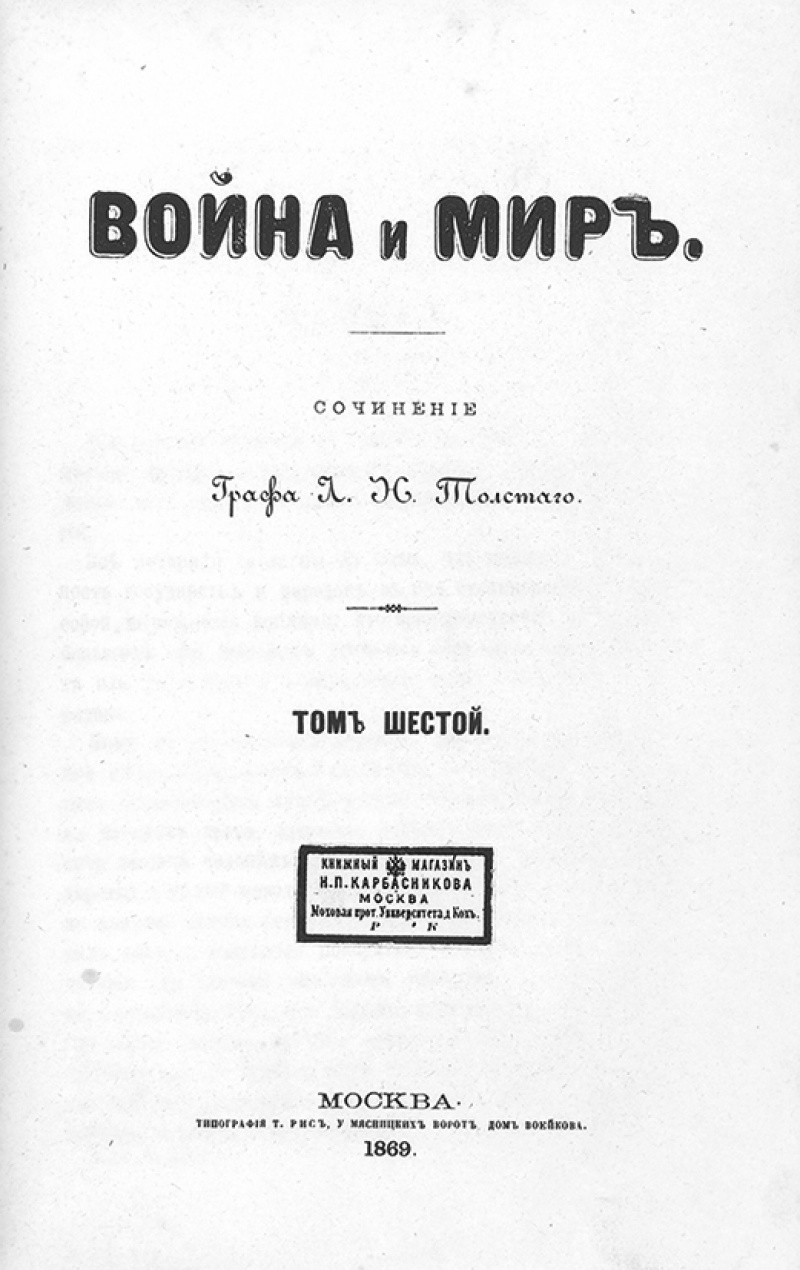 Book
Primary source
War and Peace
Leo Tolstoy · 1863–1869
 Photograph
Secondary source
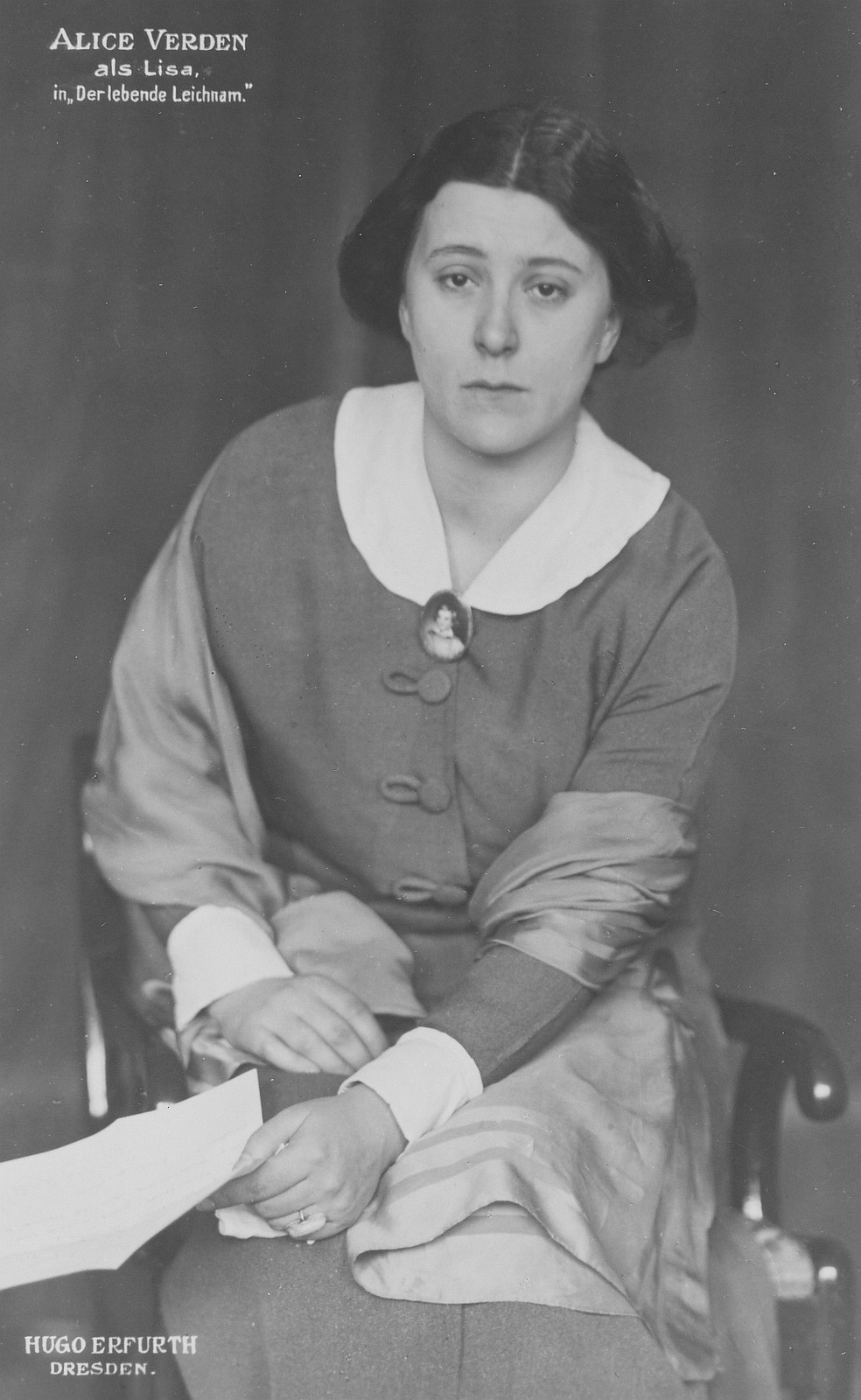
Alice Verden as Lisa in The Living Corpse
Hugo Erfurth · 23 December 1913
 Book
Primary source
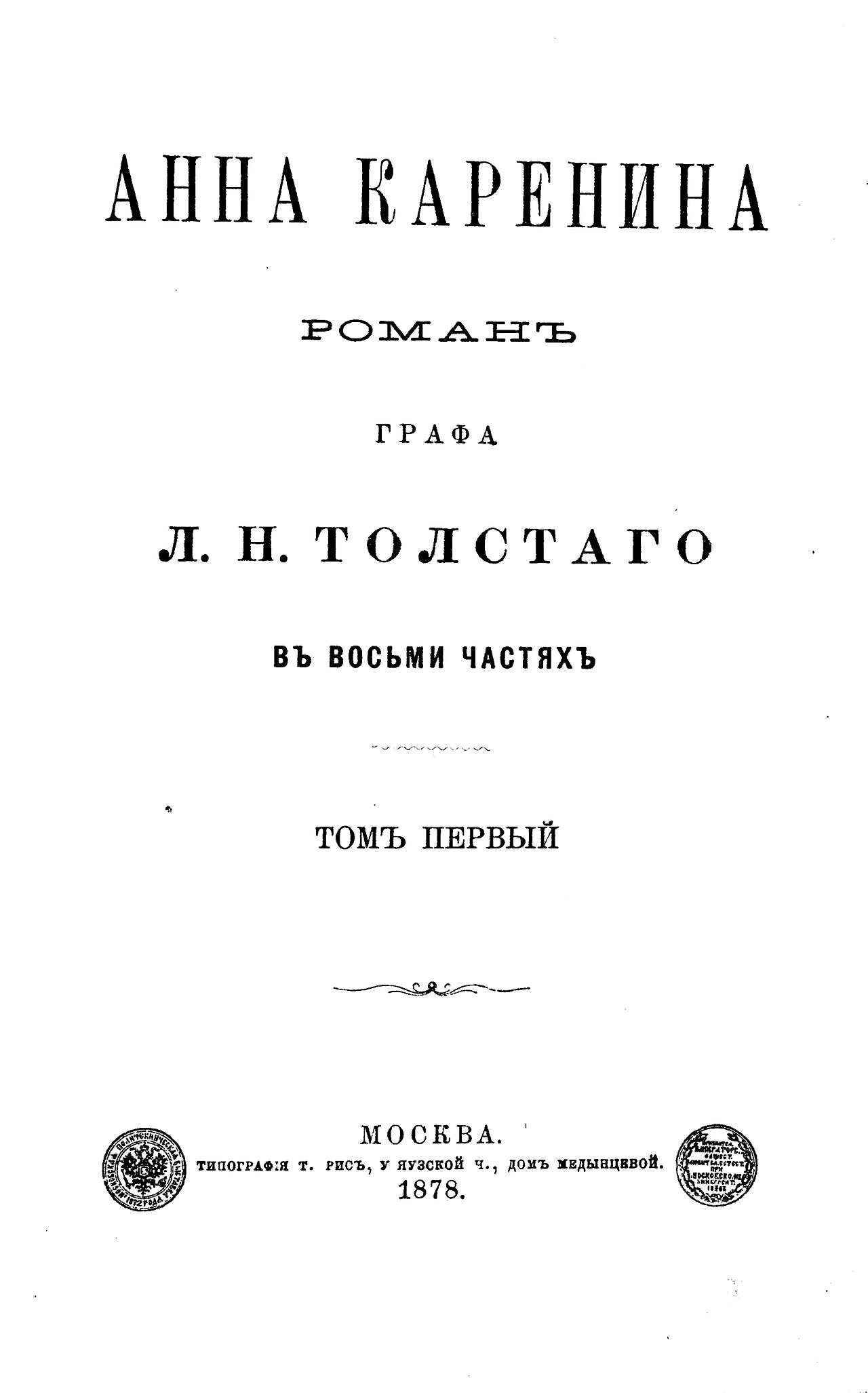
Anna Karenina
Leo Tolstoy · 1875–1878
 Book
Primary source
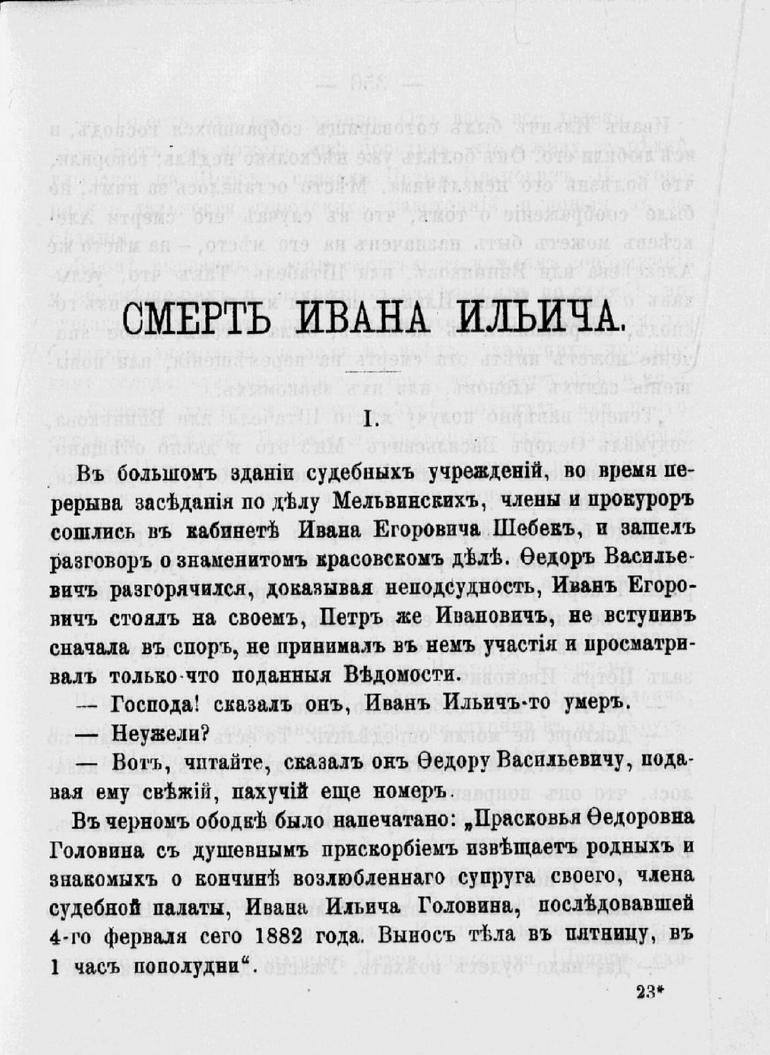
The Death of Ivan Ilyich
Leo Tolstoy · 1886 (written 1882)
Primary source
A Confession
Leo Tolstoy · written 1879–1880, published 1882
Ready when you are
Start chatting with Leo Tolstoy now.
20 messages free · No credit card · Available in 50+ languages.