


Primary sourceBook1835
The Princess and the Pea
Hans Christian Andersen · 1835
A fairy tale by Hans Christian Andersen about a princess tested by a pea hidden under many mattresses, first published in 1835.
Andersen wrote this tale in 1835, retelling a childhood folktale in his own distinctive style.
Free Humy account · No credit card · 120,912 sources to read
About this source
What it is
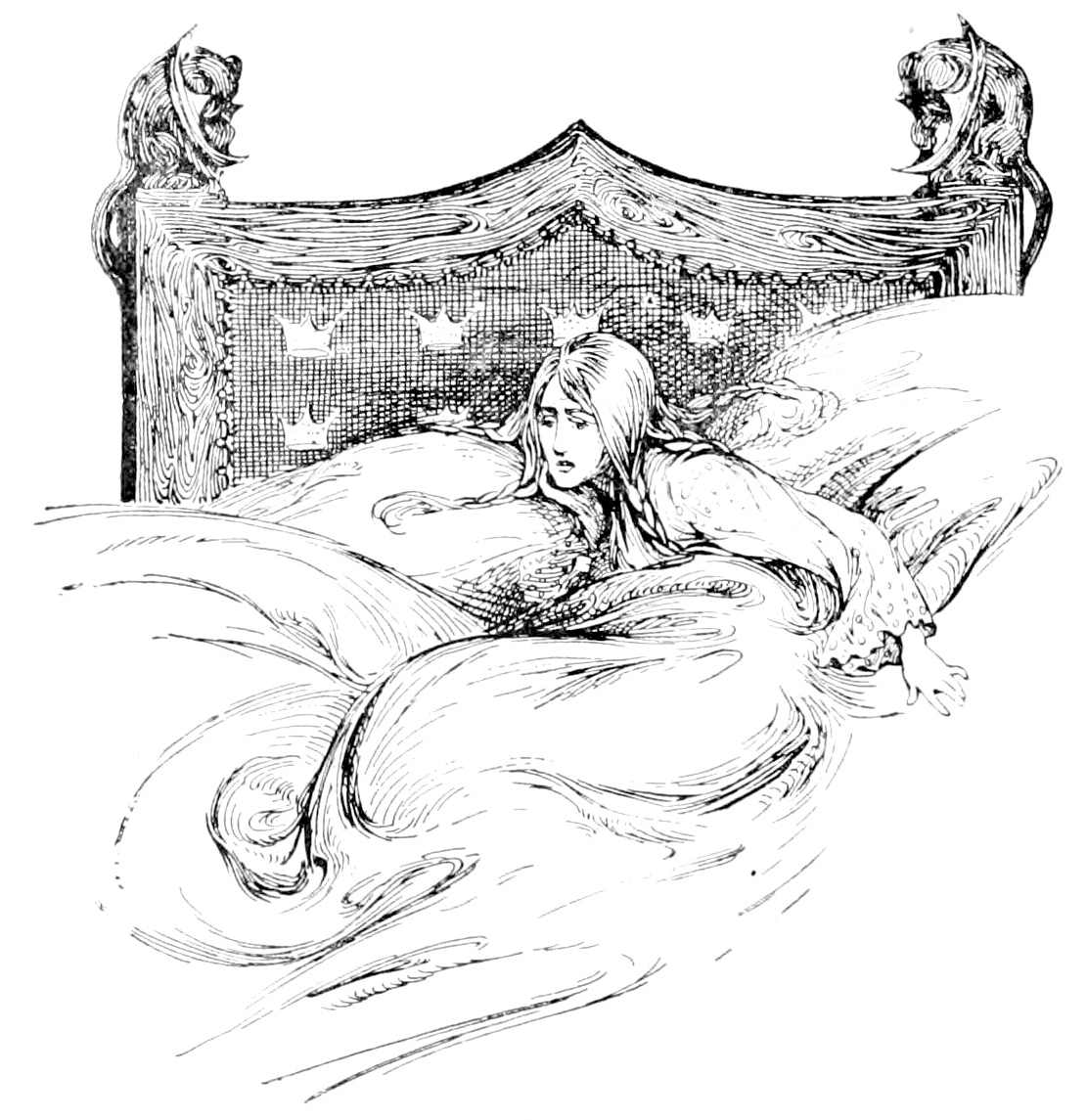
"The Princess and the Pea" is a literary fairy tale by Hans Christian Andersen, first published on 8 May 1835 in Copenhagen along with three other tales. It tells of a princess whose true identity is proven when she feels a pea placed beneath twenty mattresses and featherbeds.
Why it matters
The story drew on a folktale Andersen knew from childhood, but his ironic, conversational retelling was considered shocking by some critics in 1835. Scholars have noted that the story reflects Andersen's own complicated relationship with the upper classes he both admired and satirized. It remains one of his most widely adapted tales.
Look closer
- Why might the test of "true" royalty rely on physical sensitivity rather than behavior or appearance?
- What does the illustration of the princess's worried face in the elaborate bed add to the story?
- How might Andersen's own experiences with wealthy patrons have shaped his portrayal of royalty here?
This book is part of the curated material that grounds the AI version of Hans Christian Andersen on Humy.ai — when students ask about related events, the AI can quote it and cite it.
More Hans Christian Andersen sources
Browse all 98 →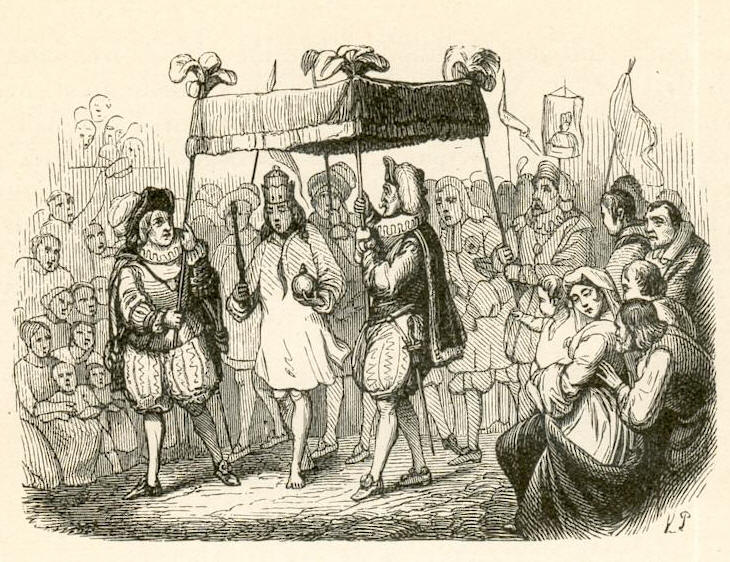 Book
Primary source
The Emperor's New Clothes
Hans Christian Andersen · 1837
 Book
Primary source
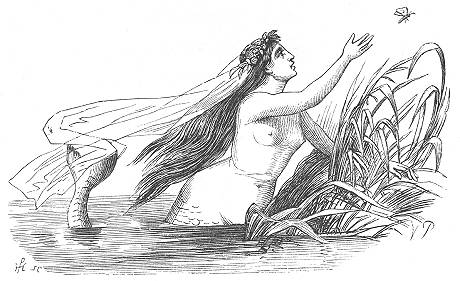
The Little Mermaid
Hans Christian Andersen · 1837
 Book
Primary source
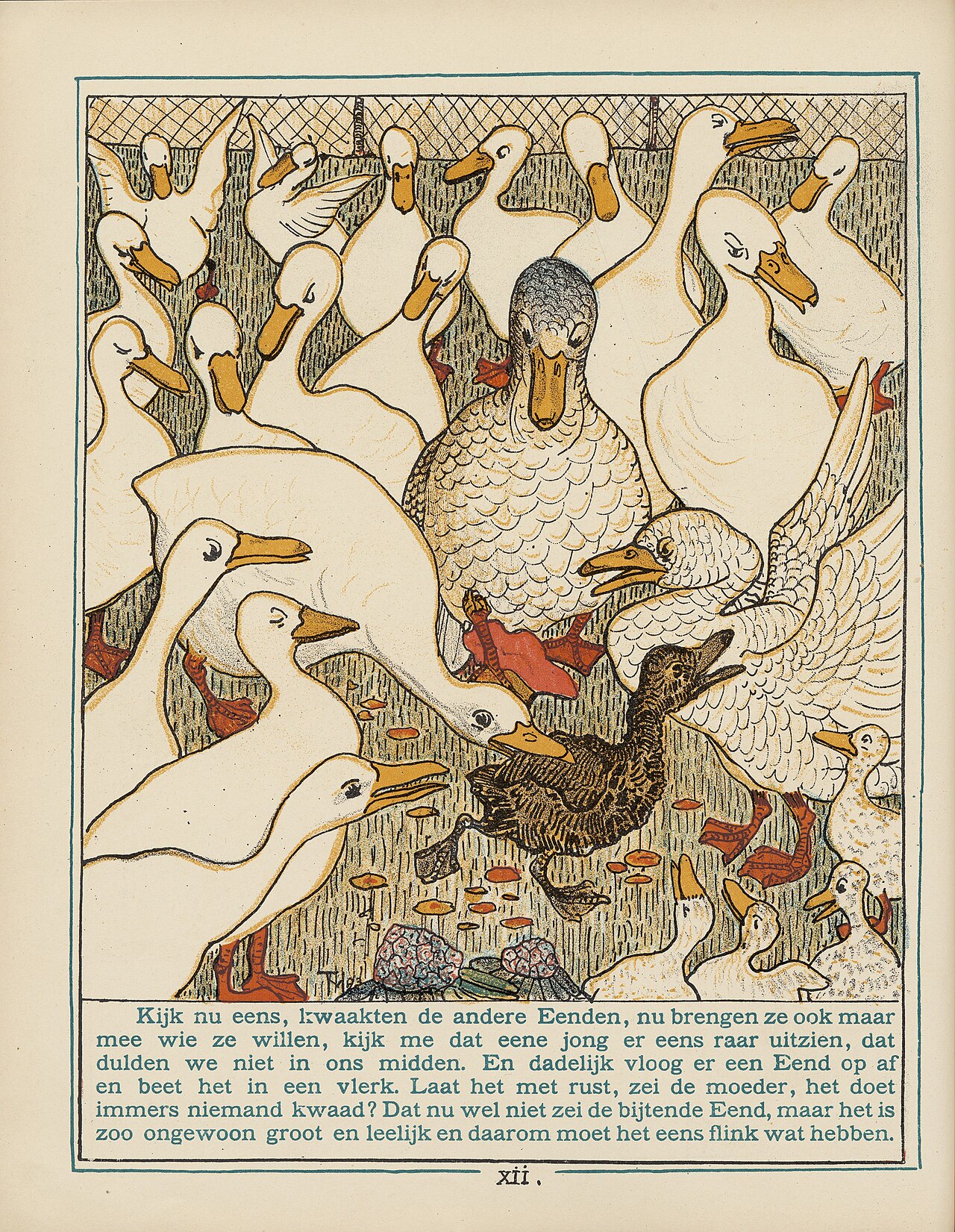
The Ugly Duckling
Hans Christian Andersen · 1843
 Book
Primary source
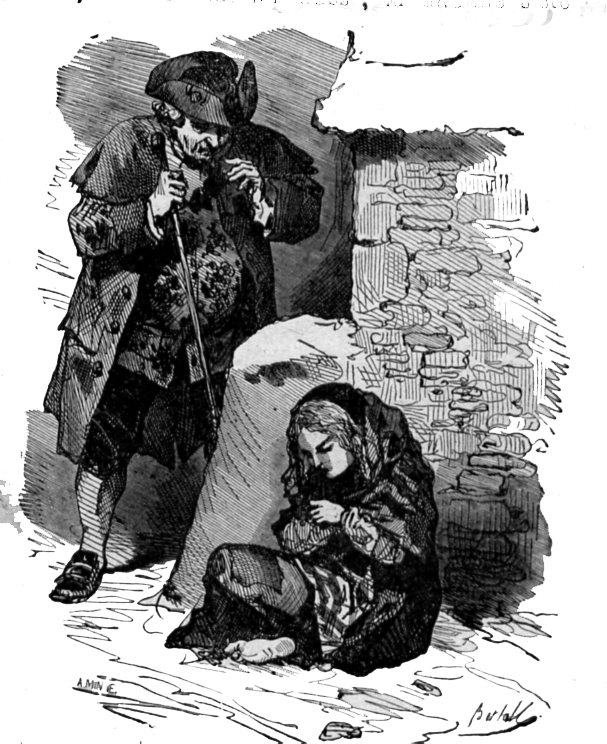
The Little Match Girl
Hans Christian Andersen · 1845
Free account
Read every Hans Christian Andersen source
Sign up free →
Ready when you are
Start chatting with Hans Christian Andersen now.
20 messages free · No credit card · Available in 50+ languages.