


Secondary sourceBook1909
The Promise of American Life, Chapter IV
1909
Chapter IV of a 1909 book, 'Slavery and American Nationality', which describes Stephen Douglas as the leading advocate of popular sovereignty.
Presents Douglas as the ablest exponent of popular sovereignty, the idea at the center of his slavery politics.
About this source
What it is
This is Chapter IV of the 1909 book 'The Promise of American Life'. The chapter is titled 'Slavery and American Nationality'. It argues that the Whig and Democratic parties were not equal to the problem of slavery. It describes popular sovereignty as a theory whose ablest exponent was Stephen Douglas, and says that about 1850 he became the official leader of the Western Democracy.
Why it matters
The chapter is a later analysis of the pre-Civil War years. It connects Douglas's theory to the wider crisis over slavery, which the author describes as a radical and perilous issue. The text shows how a writer in 1909 judged the political choices of the 1850s, and how the theory of popular sovereignty was seen as failing to settle the question of slavery.
Look closer
- What does the author mean by saying that the parties' ideas were insufficient for the problem of slavery?
- Why might a 1909 writer give Douglas's theory more attention than the people it affected?
- Which groups in the 1850s does the chapter leave out of its account of the slavery debate?
This book is part of the curated material that grounds the AI version of Stephen A. Douglas on Humy.ai — when students ask about related events, the AI can quote it and cite it.
More Stephen A. Douglas sources
Meet the AI Stephen A. Douglas →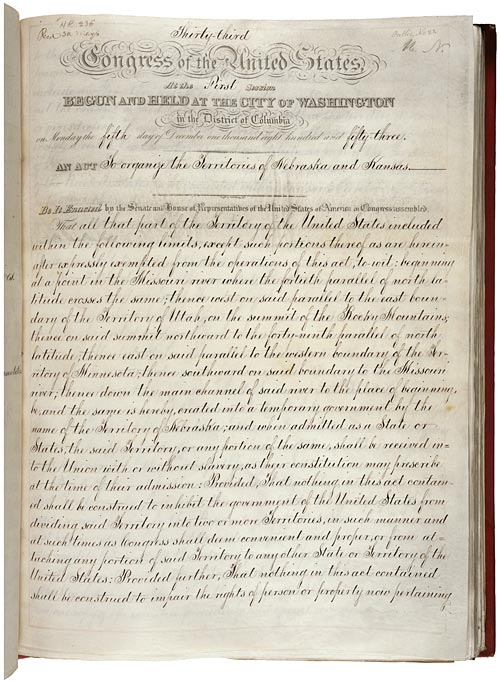 Document
Primary source
Kansas-Nebraska Act
United States Congress · 1854
 Book
Primary source
Political Debates Between Hon. Abraham Lincoln and Hon. Stephen A. Douglas
Stephen A. Douglas and Abraham Lincoln · 1858 (published 1860)
 Document
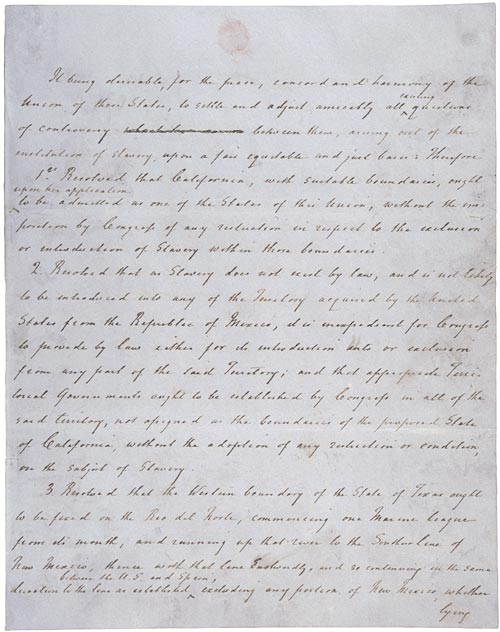
Primary source
Compromise of 1850
Henry Clay · 29 January 1850 (resolutions); statutes enacted September 1850
 Document
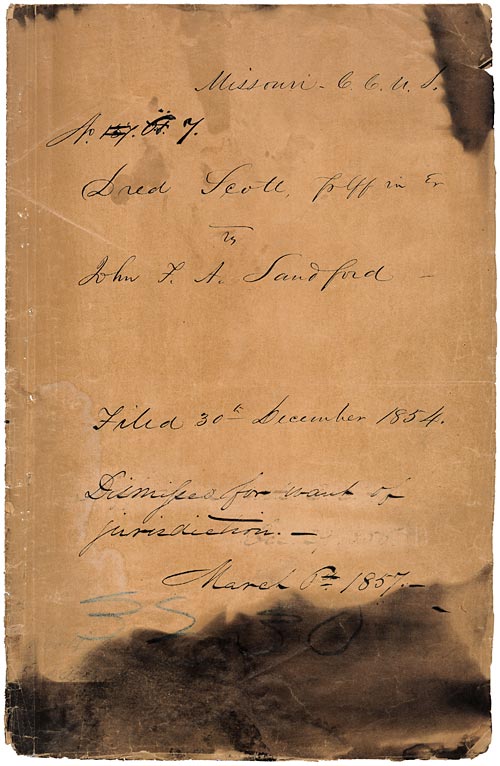
Primary source
Dred Scott v. Sandford
Roger B. Taney · 6 March 1857
Primary source
House Divided Speech
Abraham Lincoln · 16 June 1858
Ready when you are
Start chatting with Stephen A. Douglas now.
20 messages free · No credit card · Available in 50+ languages.