


Primary sourcePaintingcirca 1595
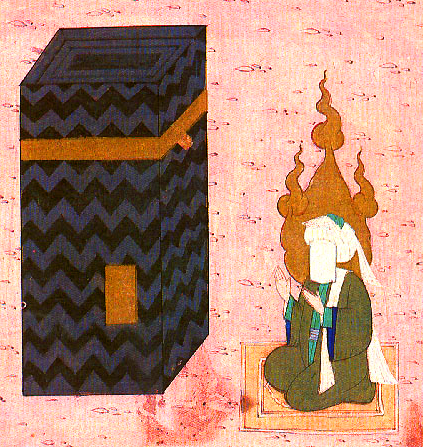
The Prophet Muhammad at the Kaaba
Ottoman miniature painter · circa 1595
An Ottoman miniature from the Siyer-i Nebi, a religious manuscript made for Murad III's court, showing the Prophet Muhammad without a face at the Kaaba.
Murad III's court commissioned this religious manuscript, reflecting his patronage of Islamic art and scholarship.
About this source
What it is
This miniature painting comes from the Siyer-i Nebi, an illustrated life of the Prophet Muhammad produced for the court of Sultan Murad III around 1595. It shows the Kaaba in Mecca beside a kneeling robed figure representing the Prophet, whose face is left unshown. The manuscript is kept at the Topkapı Palace Museum in Istanbul.
Why it matters
The Siyer-i Nebi was one of the great illustrated manuscripts of Ottoman art, commissioned under Murad III's patronage. Leaving the Prophet's face unshown reflects an Islamic artistic tradition of avoiding direct depiction of his features. The manuscript shows how the sultan supported religious art and scholarship as part of his rule.
Look closer
- Why do you think the artist chose not to show the Prophet's face?
- What does commissioning a work like this tell you about Murad III's priorities as a ruler?
- What details in the painting of the Kaaba stand out to you, and why might they have been emphasized?
This painting is part of the curated material that grounds the AI version of Murad III on Humy.ai — when students ask about related events, the AI can quote it and cite it.
More Murad III sources
Browse all 80 →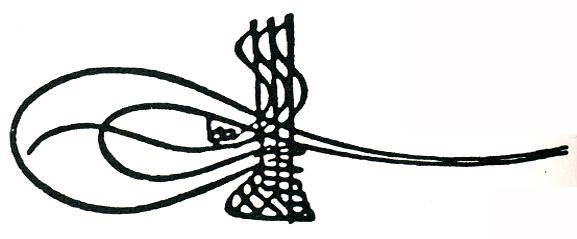 Artifact
Primary source
Tughra of Murad III
Unknown court calligrapher
 Painting
Primary source
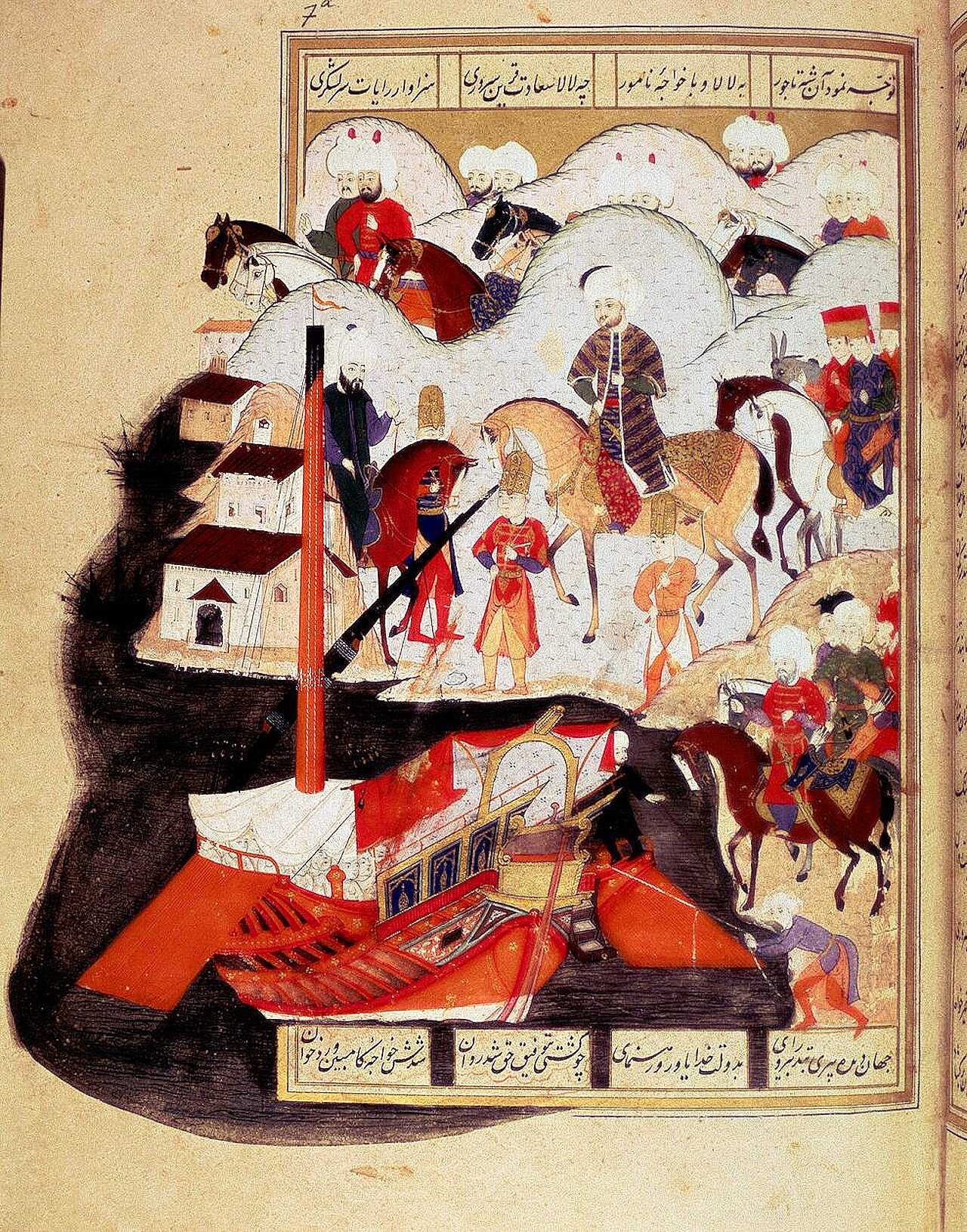
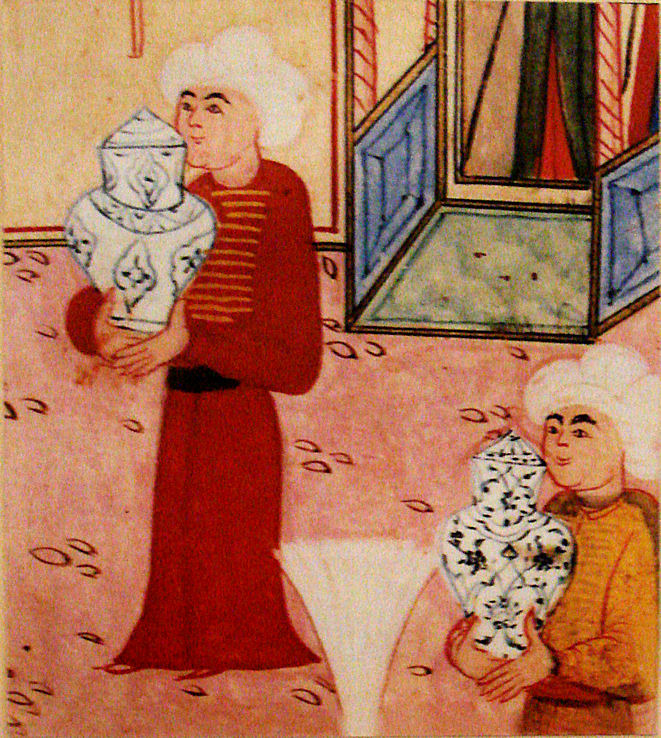
Sultan Murad III Visiting the Port of Constantinople
1592
 Painting
Primary source
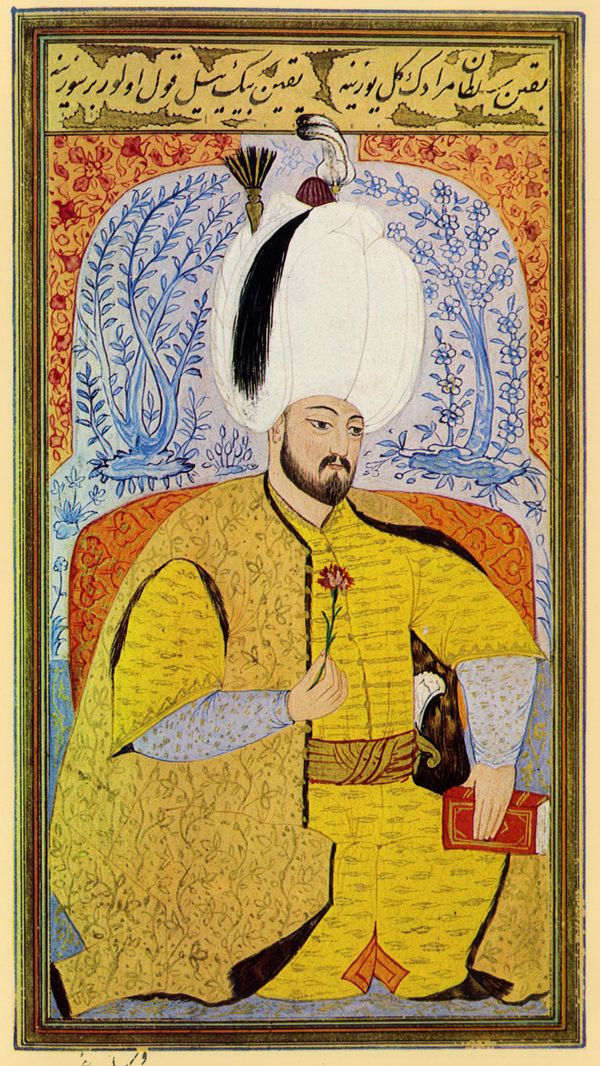
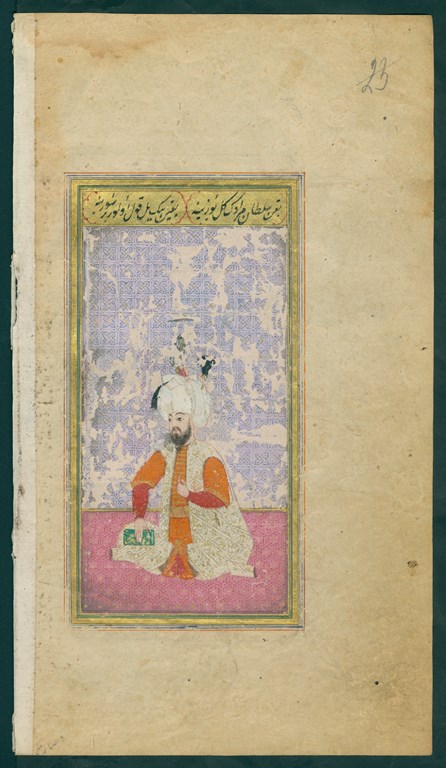
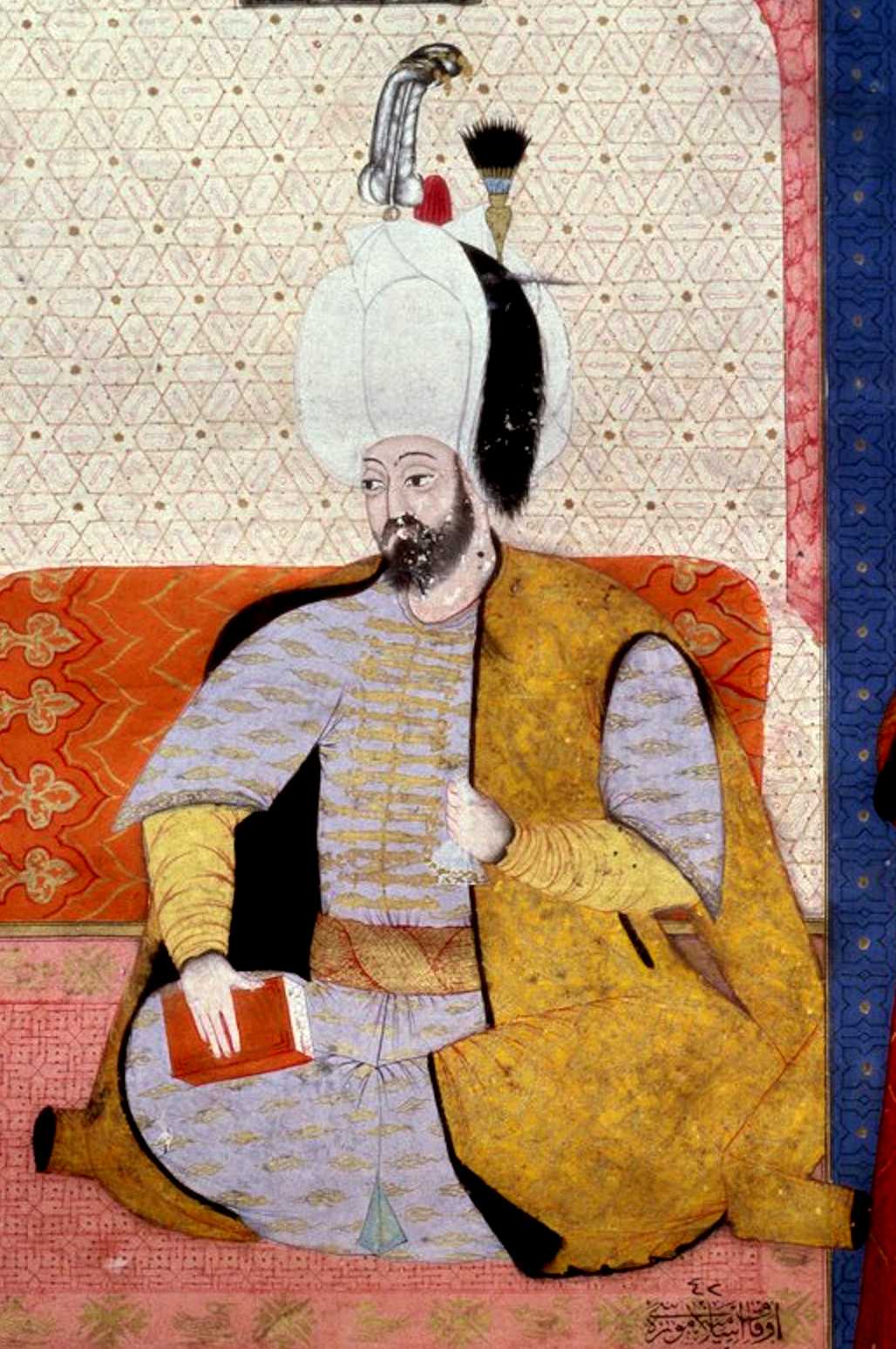
Portrait of Murad III
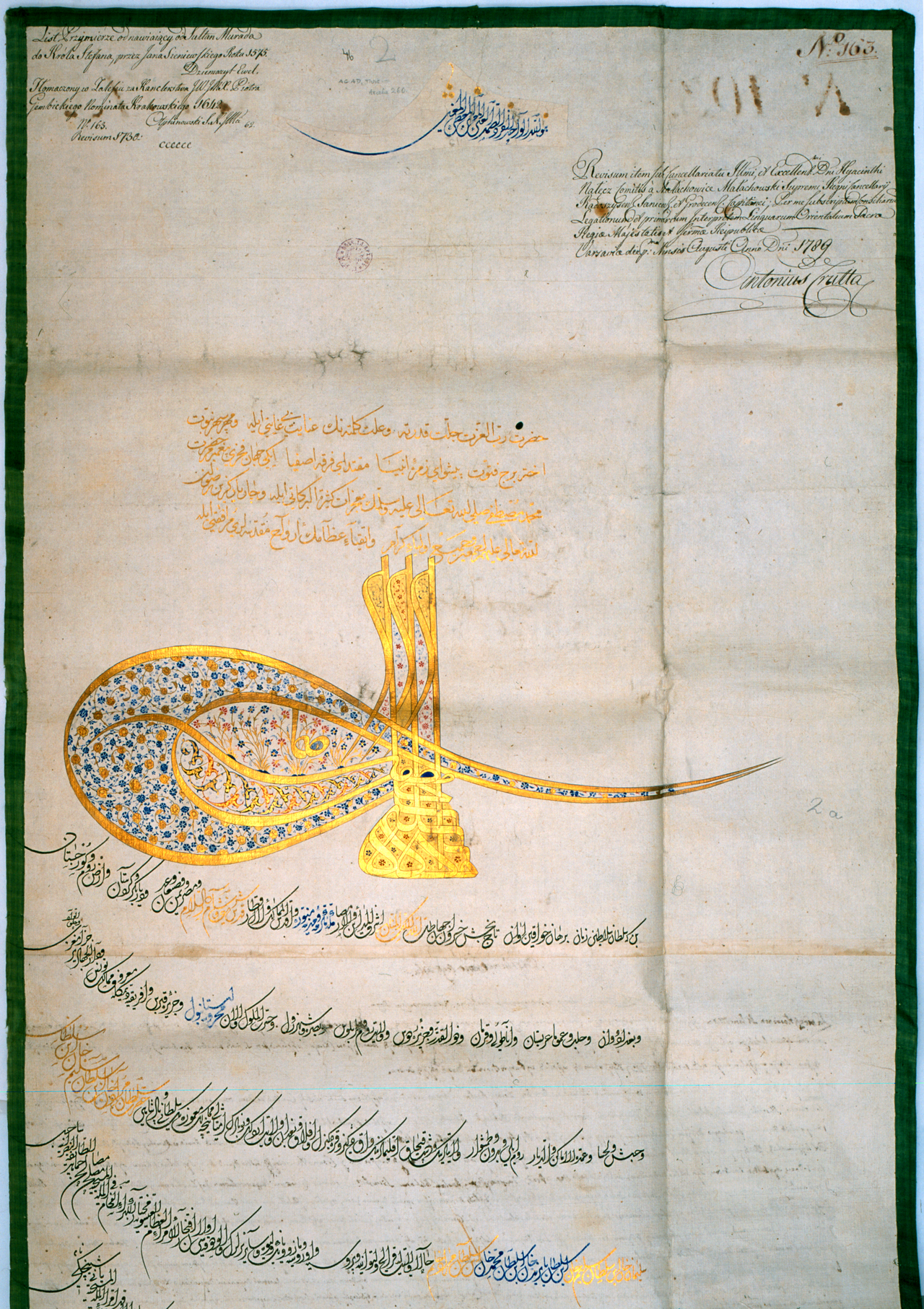 Letter
Primary source
Letter from Murad III to Stefan Batory
Murad III
Free account
Read every Murad III source
Sign up free →
Ready when you are
Start chatting with Murad III now.
20 messages free · No credit card · Available in 50+ languages.