


Primary sourceDocument1857
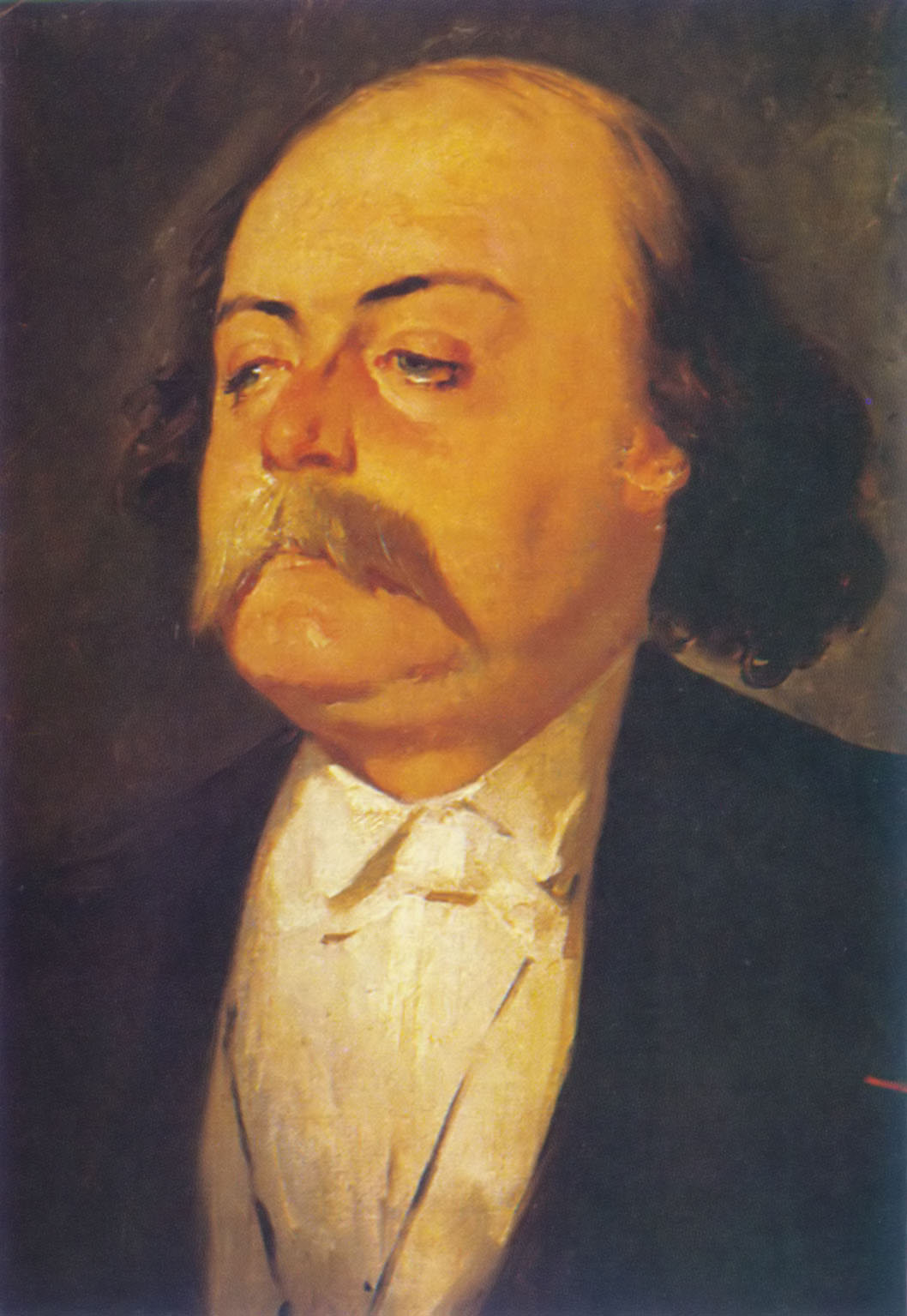
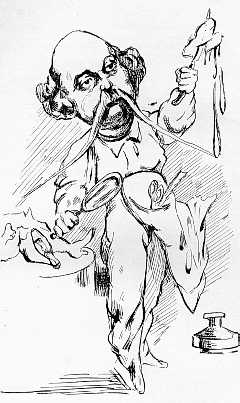
The Public vs. M. Gustave Flaubert
Various · 1857
Record of the 1857 obscenity trial over Madame Bovary, including the prosecuting attorney's speech against the novel.
This trial record documents the obscenity prosecution Flaubert faced over Madame Bovary in 1857.
Free Humy account · No credit card · 120,288 sources to read
About this source
What it is
This document records the 1857 legal proceedings in which Gustave Flaubert was prosecuted for obscenity because of his novel Madame Bovary. It includes the speech of the prosecuting attorney, Ernest Pinard, arguing that the book offended public morals and religion.
Why it matters
The trial shows how Flaubert's realistic depiction of adultery and desire clashed with the moral standards of his time. It is a primary record of contemporary reactions to his writing and of the legal risks novelists could face for their work in 19th-century France.
Look closer
- Why does the prosecuting attorney say a novel is harder to judge than a newspaper article?
- What does this trial suggest about the relationship between literature and morality in 1857 France?
- Whose voice do we hear in this document, and whose voice — Flaubert's own defense — is missing from this excerpt?
This document is part of the curated material that grounds the AI version of Gustave Flaubert on Humy.ai — when students ask about related events, the AI can quote it and cite it.
More Gustave Flaubert sources
Browse all 95 →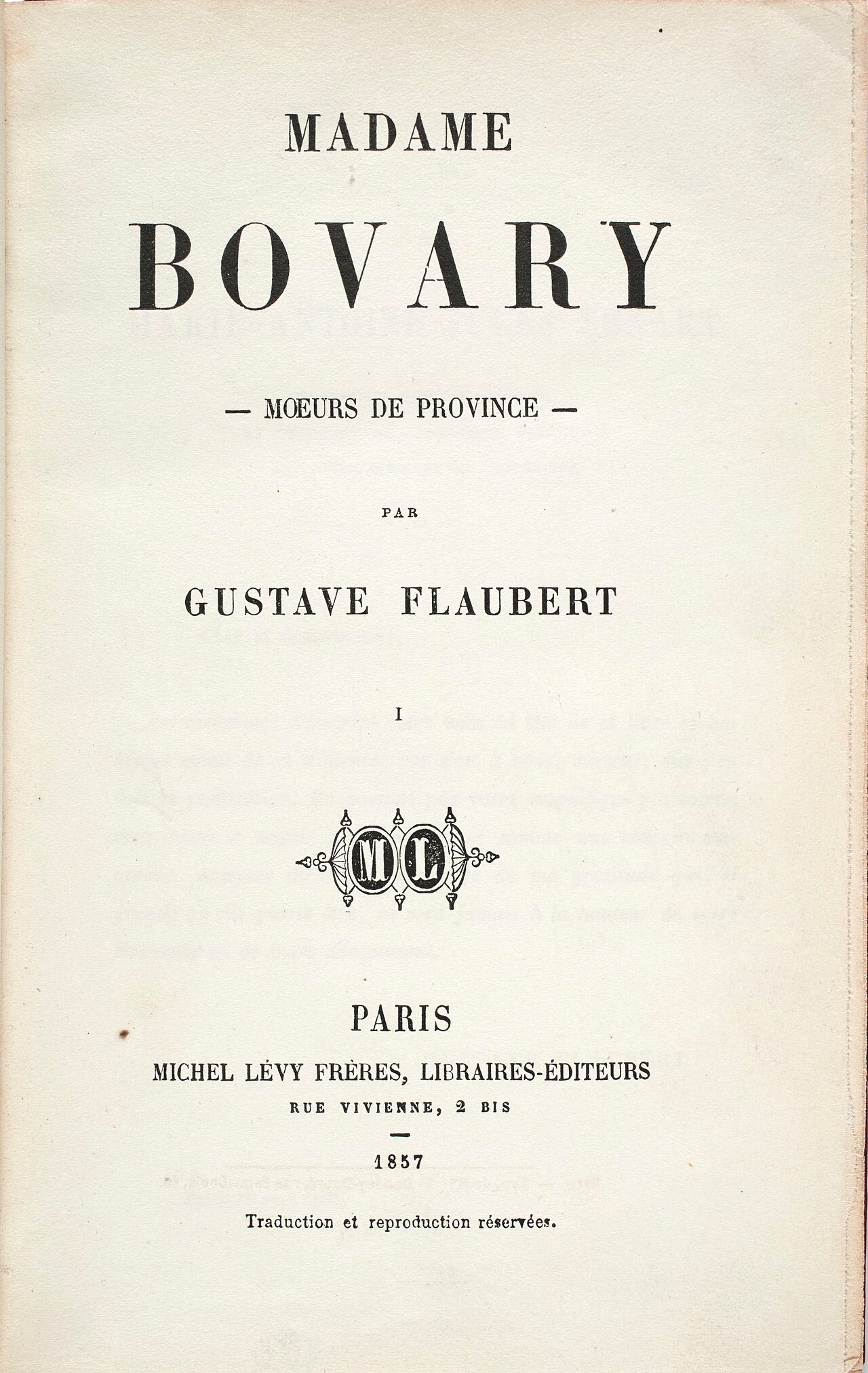 Book
Primary source
Madame Bovary
Gustave Flaubert · 1856-1857
 Document
Primary source
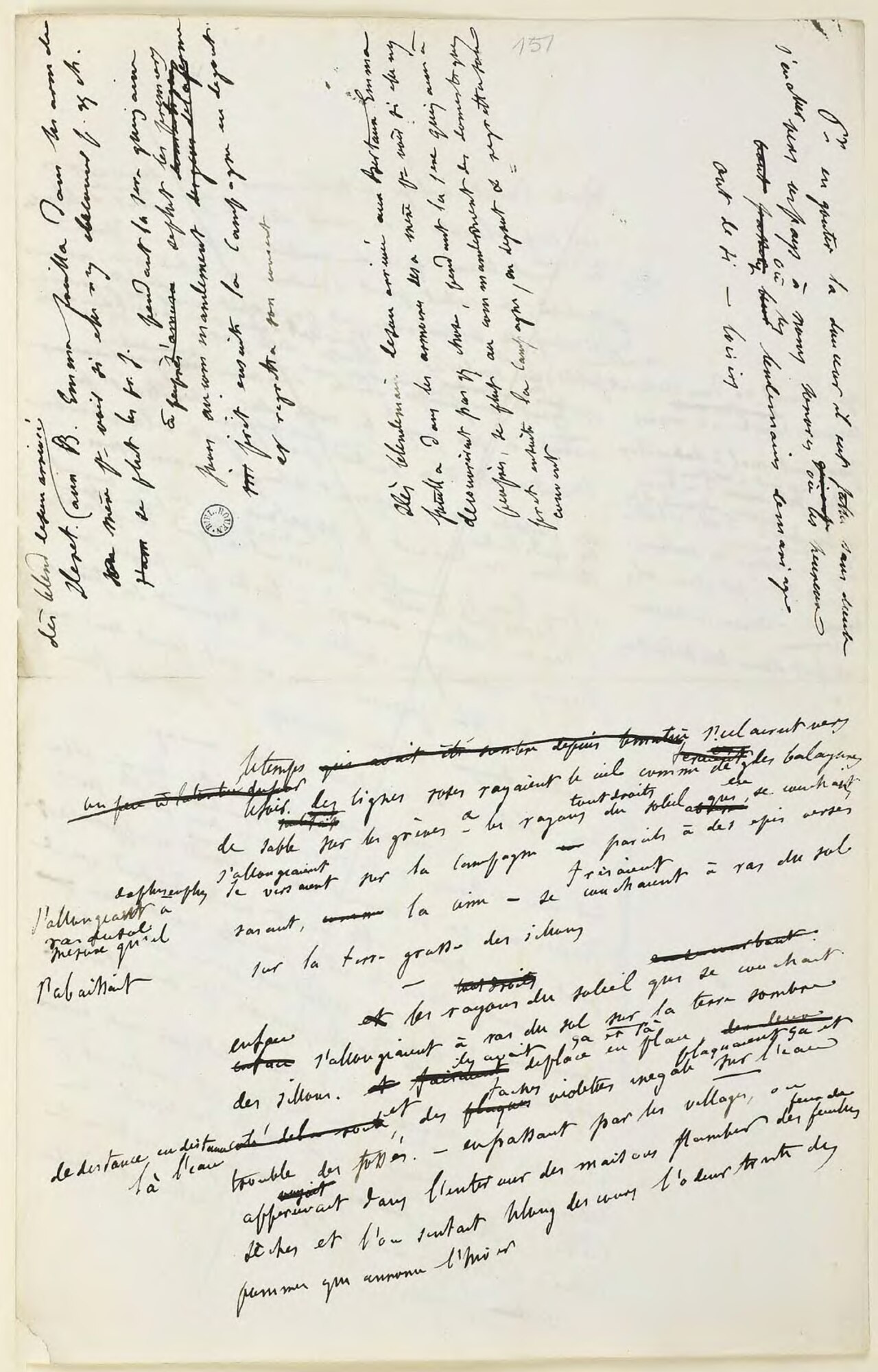
Manuscripts and drafts of Madame Bovary
Gustave Flaubert · 1851–1856
Primary source
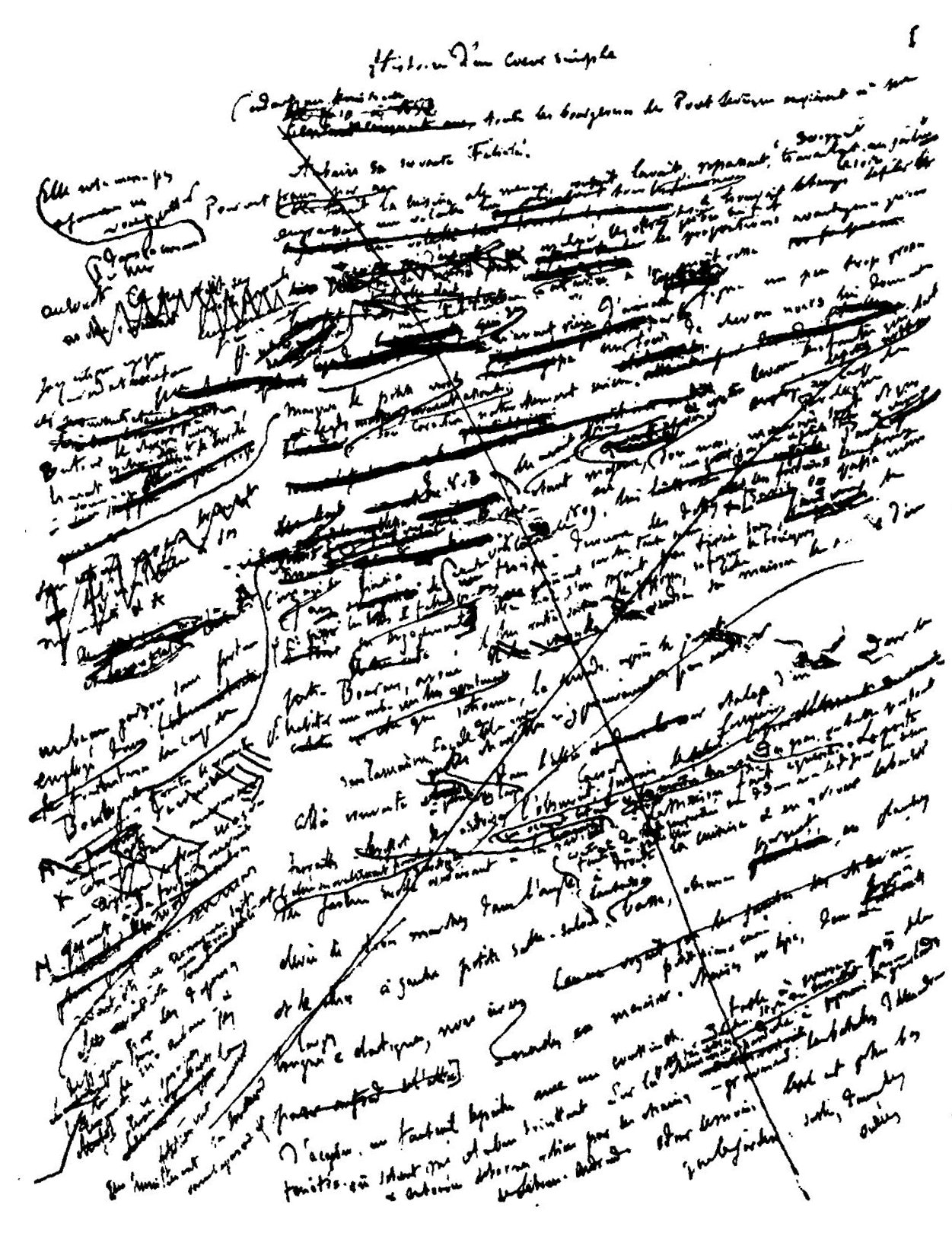
A Simple Heart
Gustave Flaubert
 Book
Primary source
Three Tales
Gustave Flaubert · 1877
Free account
Read every Gustave Flaubert source
Sign up free →
Ready when you are
Start chatting with Gustave Flaubert now.
20 messages free · No credit card · Available in 50+ languages.