


Secondary sourcePhotograph1913
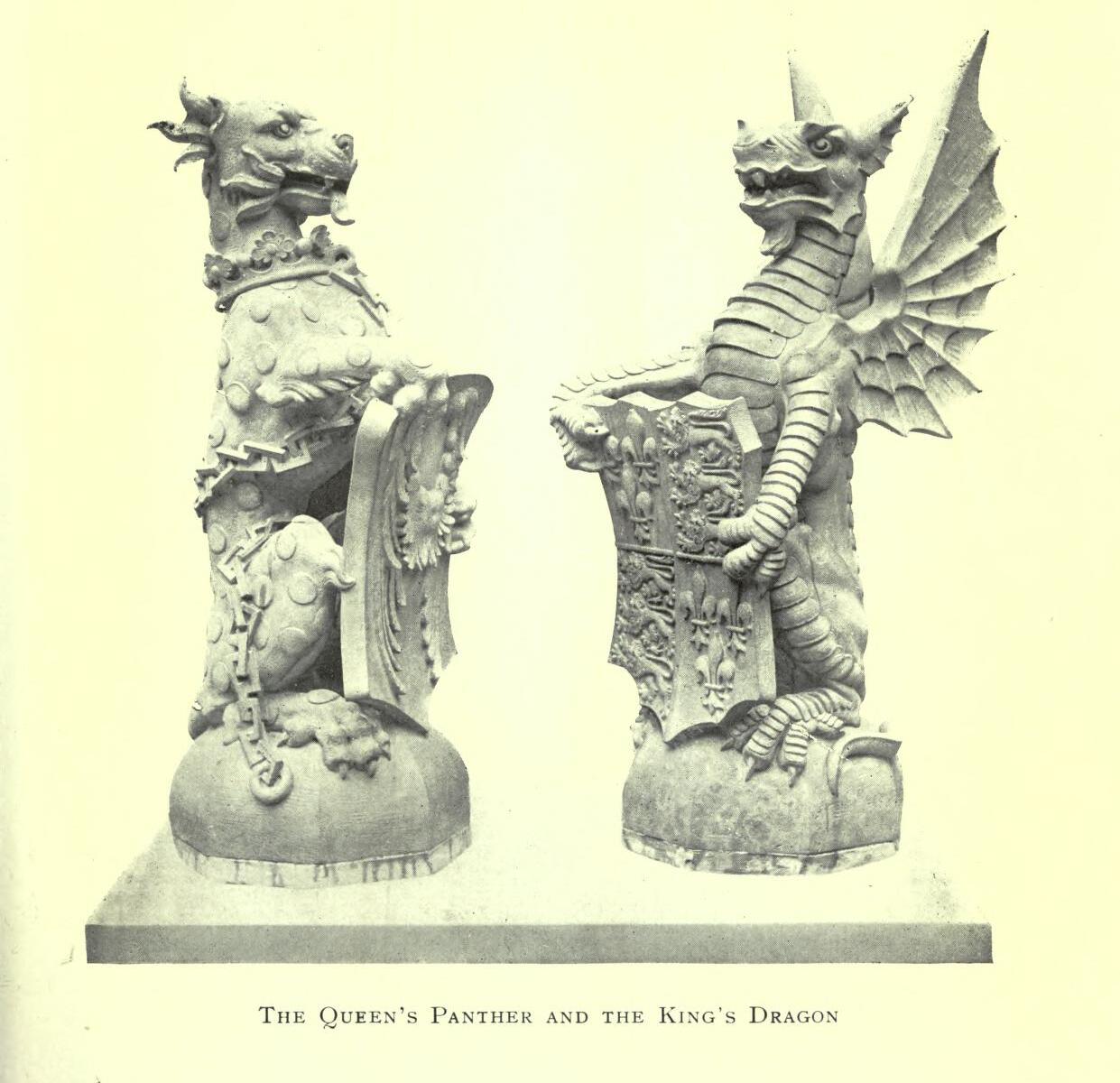
The Queen's Panther and the King's Dragon, Leopards of England
E. E. Dorling · 1913
A 1913 photograph of carved heraldic beast statues at Hampton Court representing royal ancestry, including Jane Seymour's panther.
Depicts the heraldic panther associated with Jane Seymour as queen, part of the King's Beasts sculptures at Hampton Court.
About this source
What it is
This is a black and white photograph published in 1913 by E. E. Dorling in a book on heraldry, showing two carved stone statues from the 'King's Beasts' at Hampton Court Palace: a panther representing the Queen and a dragon representing the King. The beasts stand on pedestals beside shields bearing heraldic arms.
Why it matters
The King's Beasts were carved to represent the ancestry and status of the royal family living at Hampton Court. The panther stood for the queen's side, connected to Jane Seymour as Henry VIII's wife, while the dragon represented the king's line. These carvings show how Tudor monarchs used heraldry and symbolic animals to display lineage and power.
Look closer
- Why might a panther be chosen to represent the queen, and a dragon the king?
- What do the shields beside each beast tell us about family connections?
- How do carved statues like these compare to written records as evidence of royal status?
This photograph is part of the curated material that grounds the AI version of Jane Seymour on Humy.ai — when students ask about related events, the AI can quote it and cite it.
More Jane Seymour sources
Browse all 52 →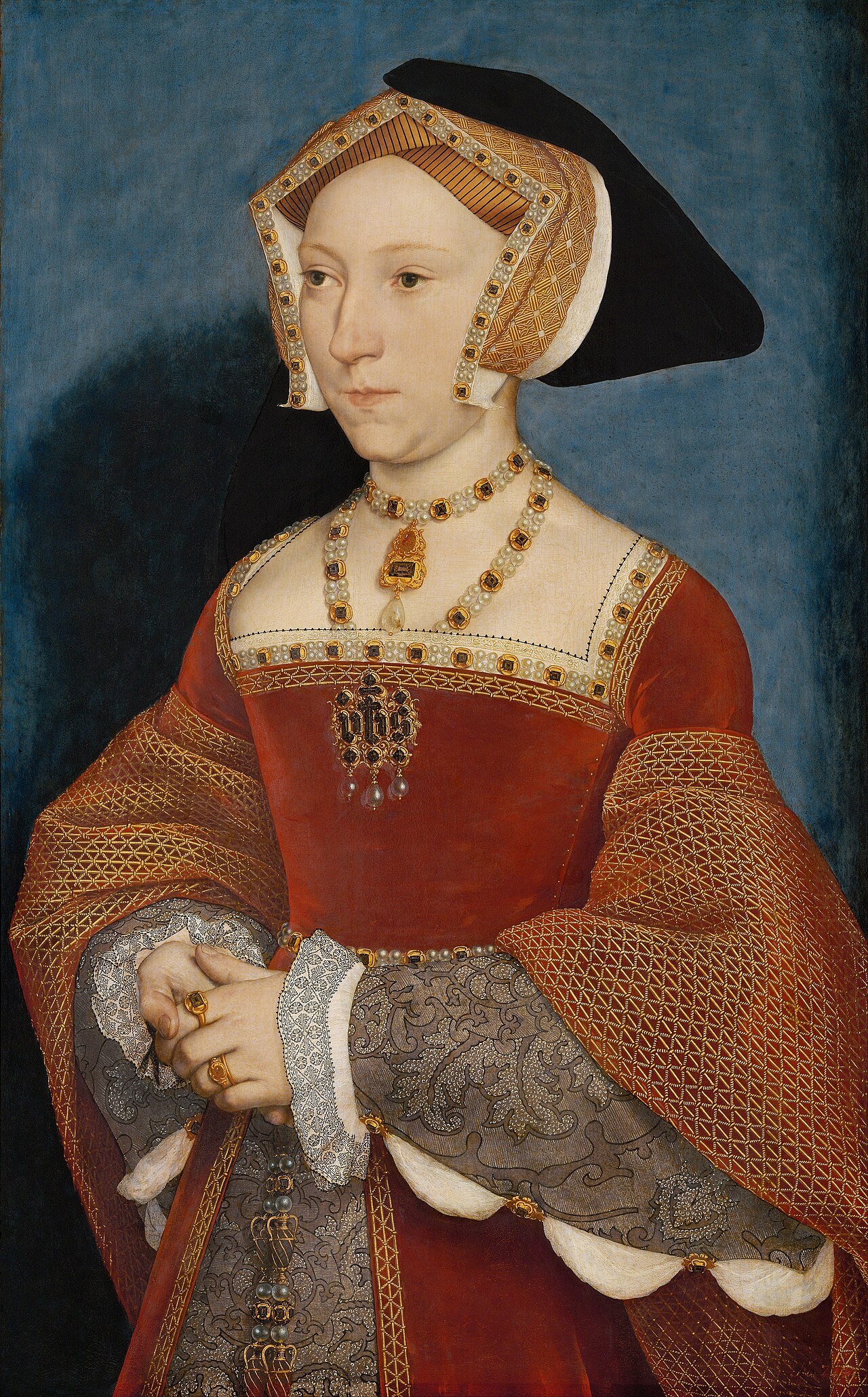 Painting
Primary source
Jane Seymour
Hans Holbein the Younger · 1536
 Painting
Primary source
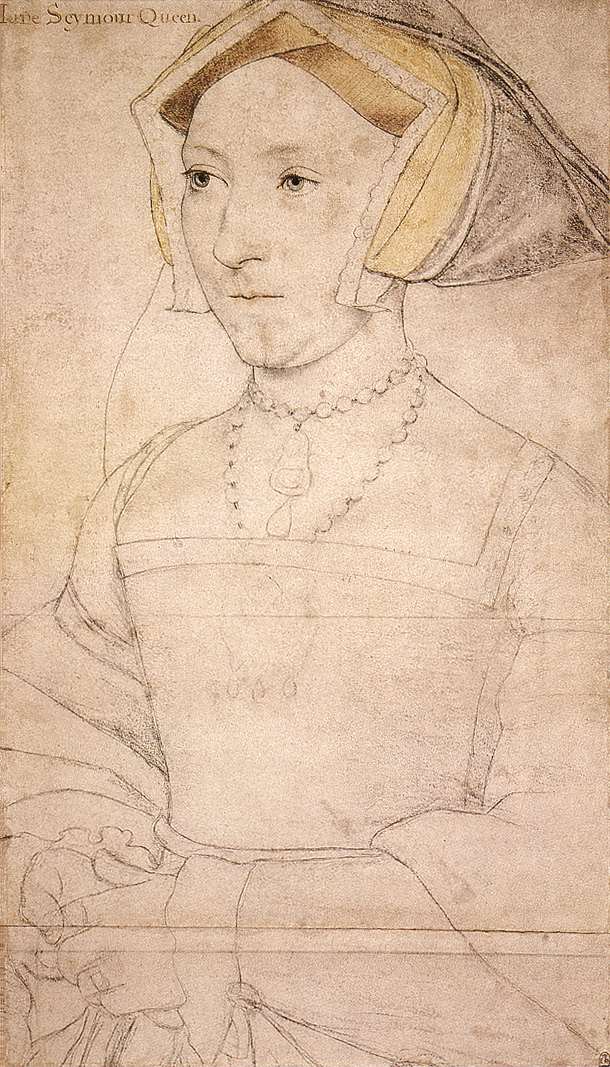
Queen Jane Seymour
Hans Holbein the Younger · 1530
 Painting
Primary source
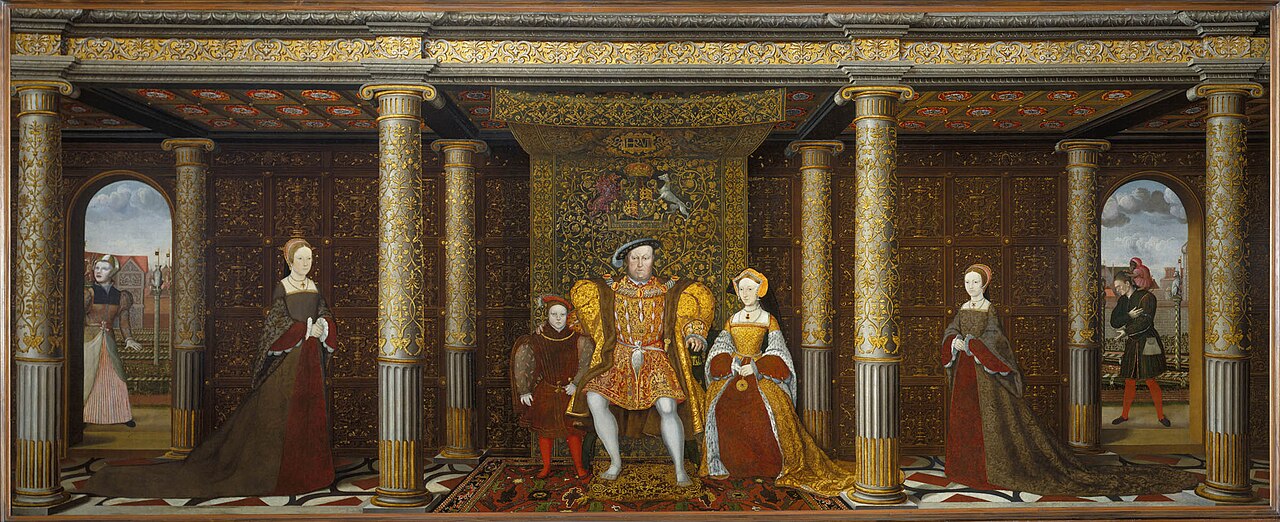
The Family of Henry VIII
British School, 16th century · 1545
 Painting
Secondary source
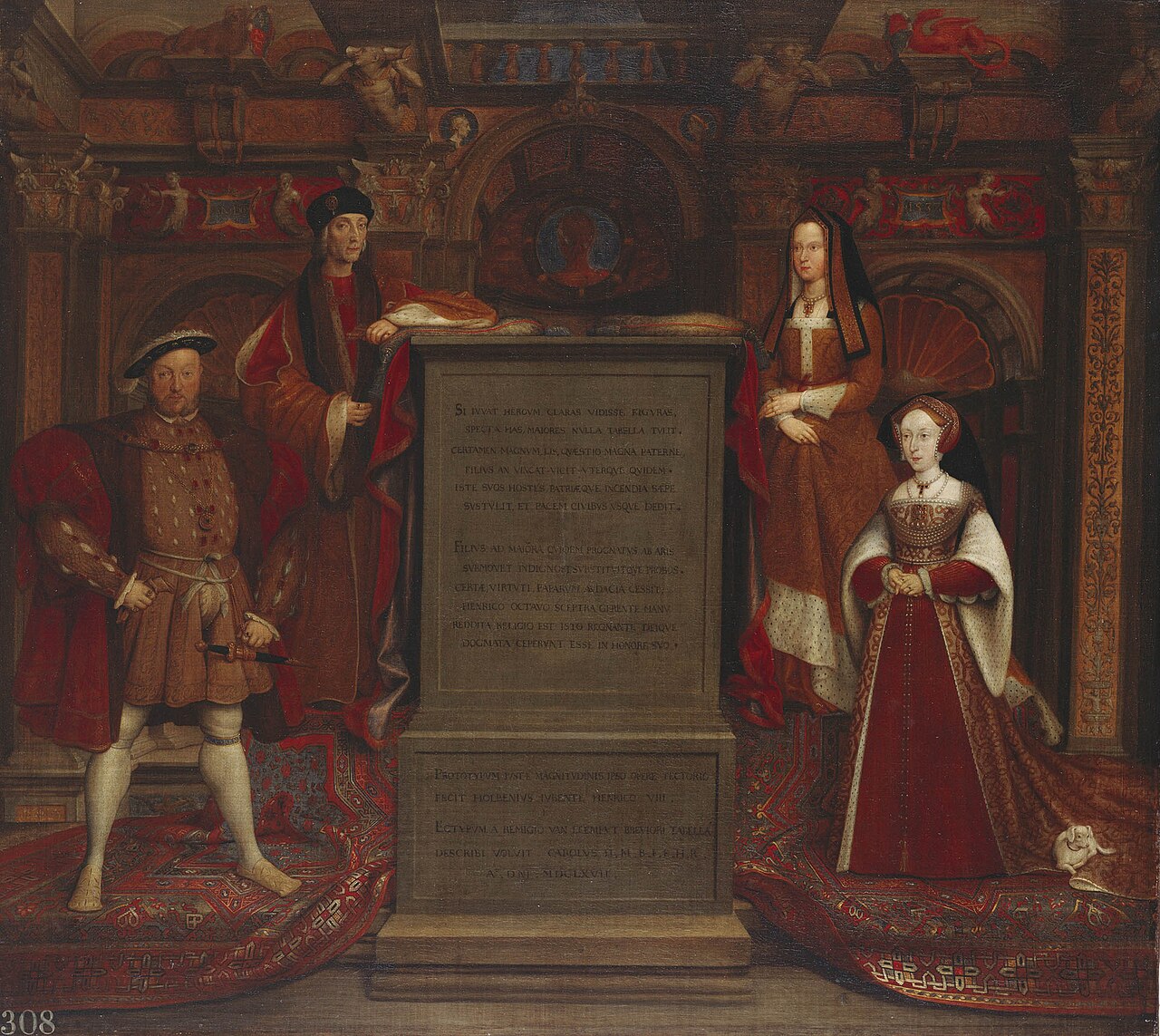
Henry VII, Elizabeth of York, Henry VIII and Jane Seymour
Remigius van Leemput · 1667
Free account
Read every Jane Seymour source
Sign up free →
Ready when you are
Start chatting with Jane Seymour now.
20 messages free · No credit card · Available in 50+ languages.