


Primary sourceBook1922
The Revolutionary Act
Friedrich Engels; Daniel De Leon (attribution not verified) · 1922
A 1922 pamphlet credited to Friedrich Engels and Daniel De Leon, in Henry A. Kuhn's translation. Its preface presents it as Engels's introduction to a work by Karl Marx on the class struggles in France.
Engels is credited as the author of the argument in this pamphlet, which the preface presents as his introduction to a work by Marx.
About this source
What it is
This pamphlet, dated 1922, reproduces a text credited to Friedrich Engels and Daniel De Leon, translated by Henry A. Kuhn. Its preface describes the text as Engels's introduction to Karl Marx's pamphlet The Class Struggles in France, 1848–1850, written as a voice of warning about how revolution should be pursued. The attribution to De Leon is not verified here, so students should treat the credit with care. The English text is available through the Wikisource record.
Why it matters
The preface shows a debate among groups calling themselves revolutionary about whether revolution could come peacefully through the political ballot or would require force. It criticizes physical-force advocates, anarchists and dynamiters for getting attention in the newspapers. The text links Engels to Marx, whose work it introduces, and shows how Marxist movements argued over tactics on paper.
Look closer
- Who is credited as author, and how sure can we be of that credit?
- Why does the preface describe its opponents as noisy, and what does that tell us about the writer's goal?
- Whose voices are missing, such as the groups being criticized?
This book is part of the curated material that grounds the AI version of Friedrich Engels on Humy.ai — when students ask about related events, the AI can quote it and cite it.
More Friedrich Engels sources
Meet the AI Friedrich Engels →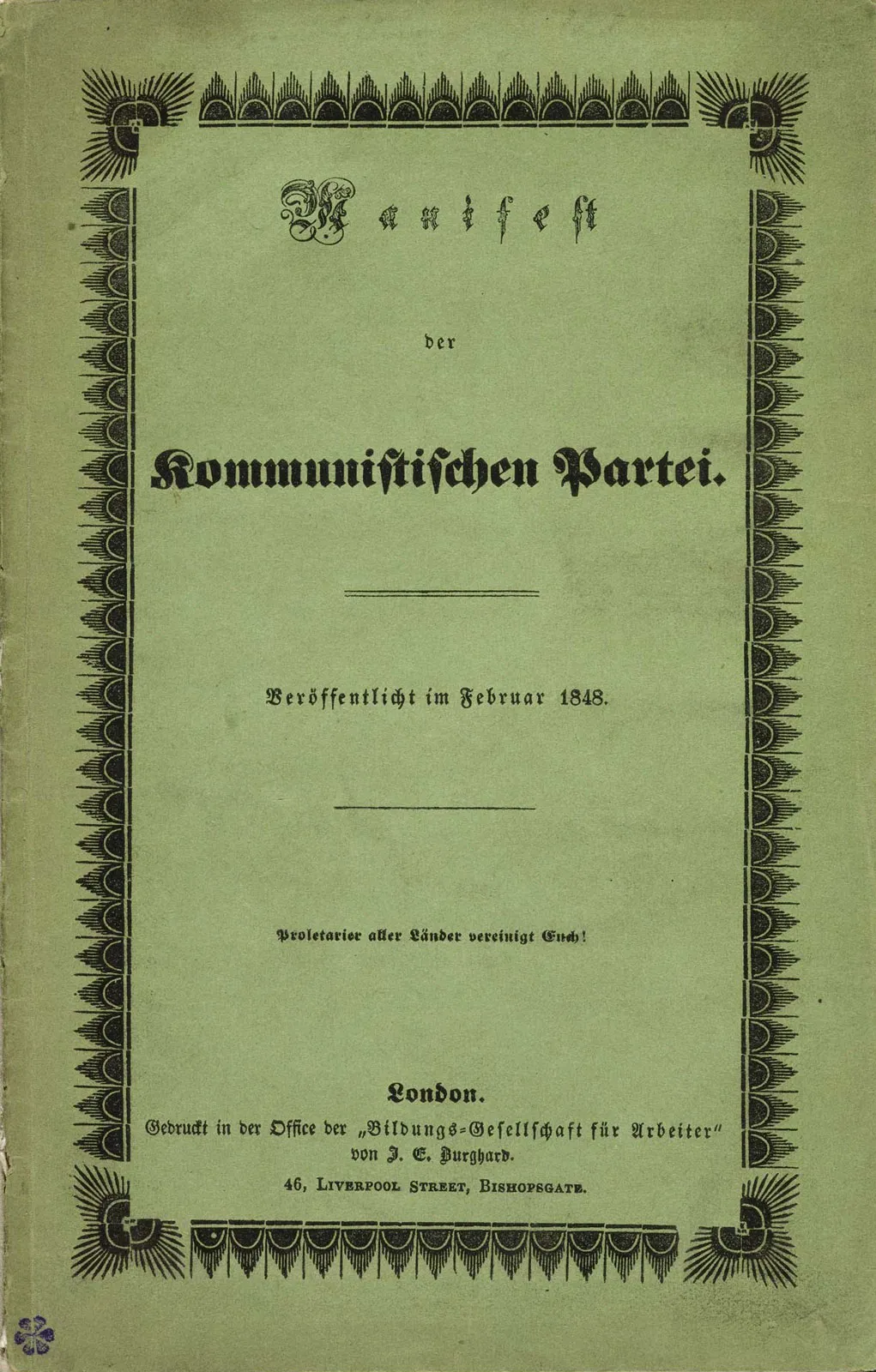 Book
Primary source
The Communist Manifesto
Karl Marx and Friedrich Engels · February 1848
 Book
Primary source
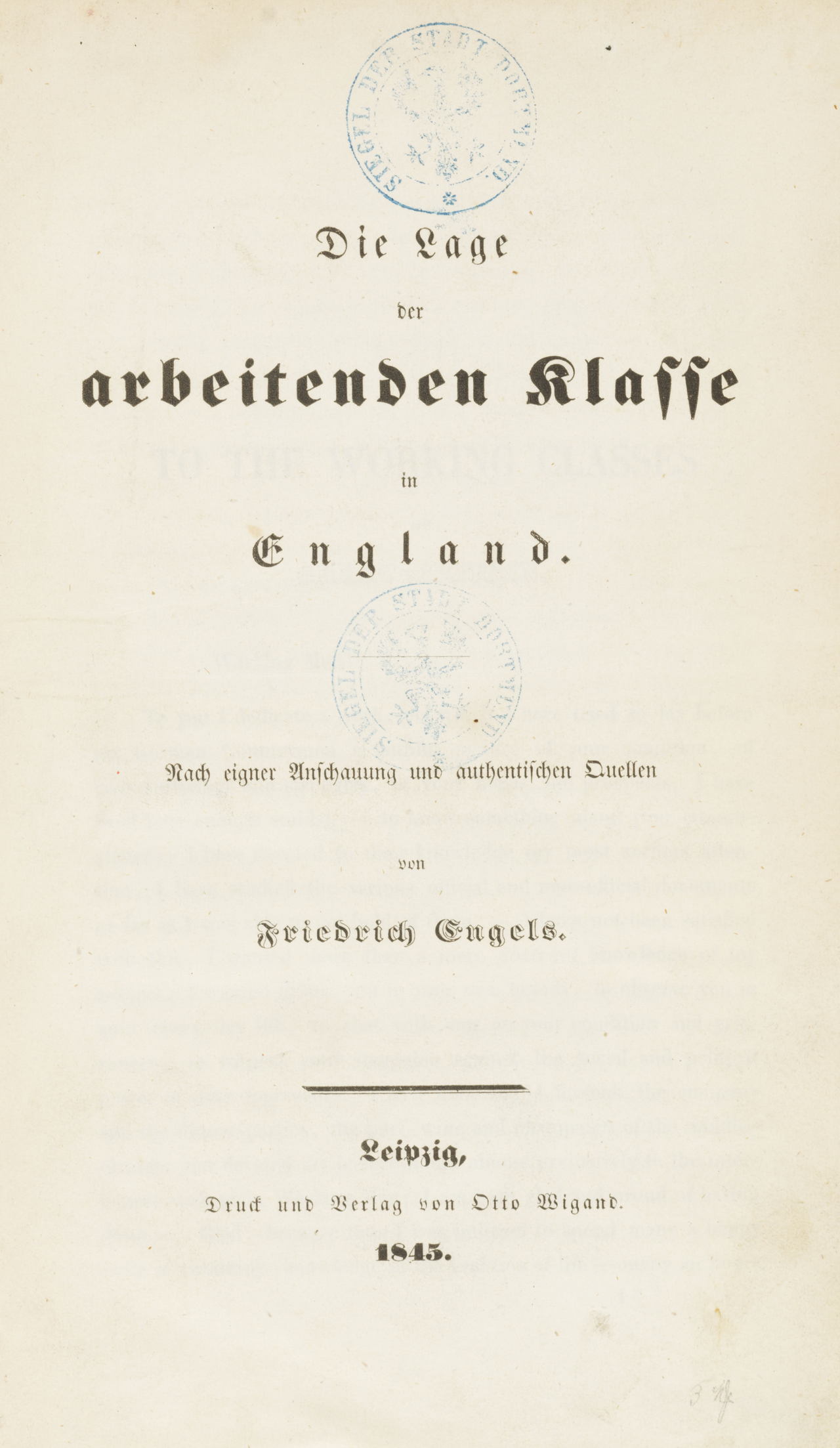
The Condition of the Working Class in England in 1844
Friedrich Engels · 1845
Primary source
Principles of Communism
Friedrich Engels · October–November 1847
 Photograph
Primary source
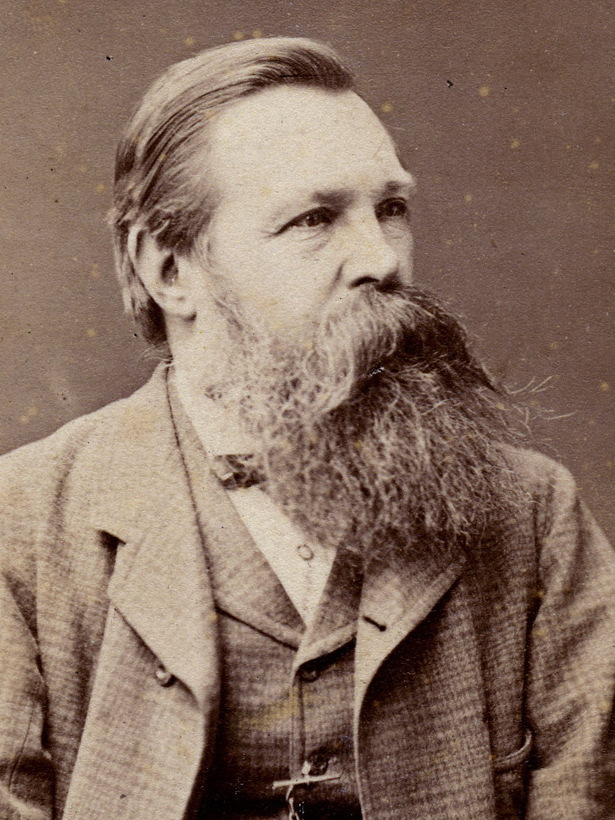
Portrait of Friedrich Engels
 Book
Primary source
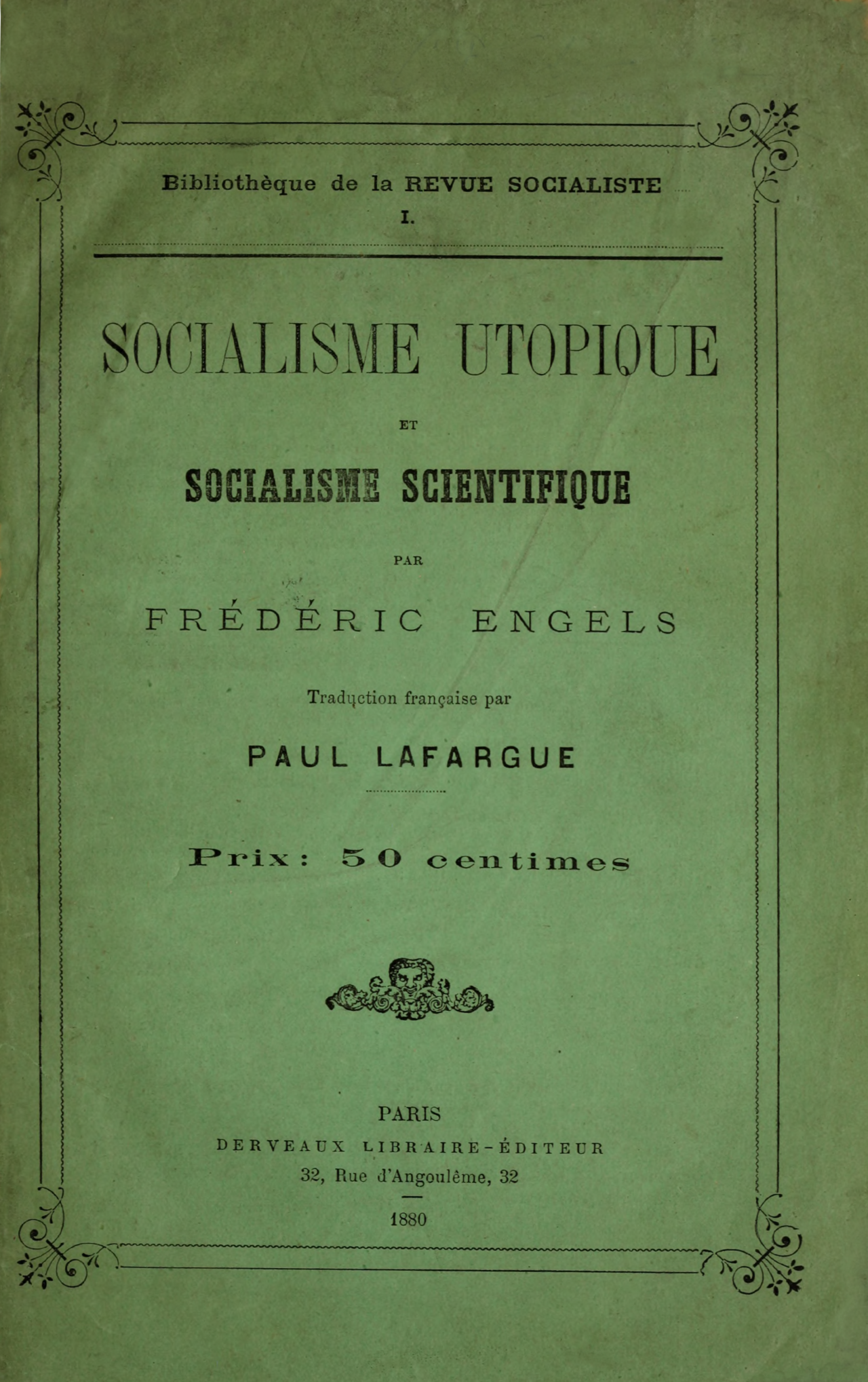
Socialism: Utopian and Scientific
Friedrich Engels · 1880
Ready when you are
Start chatting with Friedrich Engels now.
20 messages free · No credit card · Available in 50+ languages.