


Secondary sourcePainting1868 (depicting 1793)
The Revolutionary Tribunal
1868 (depicting 1793)
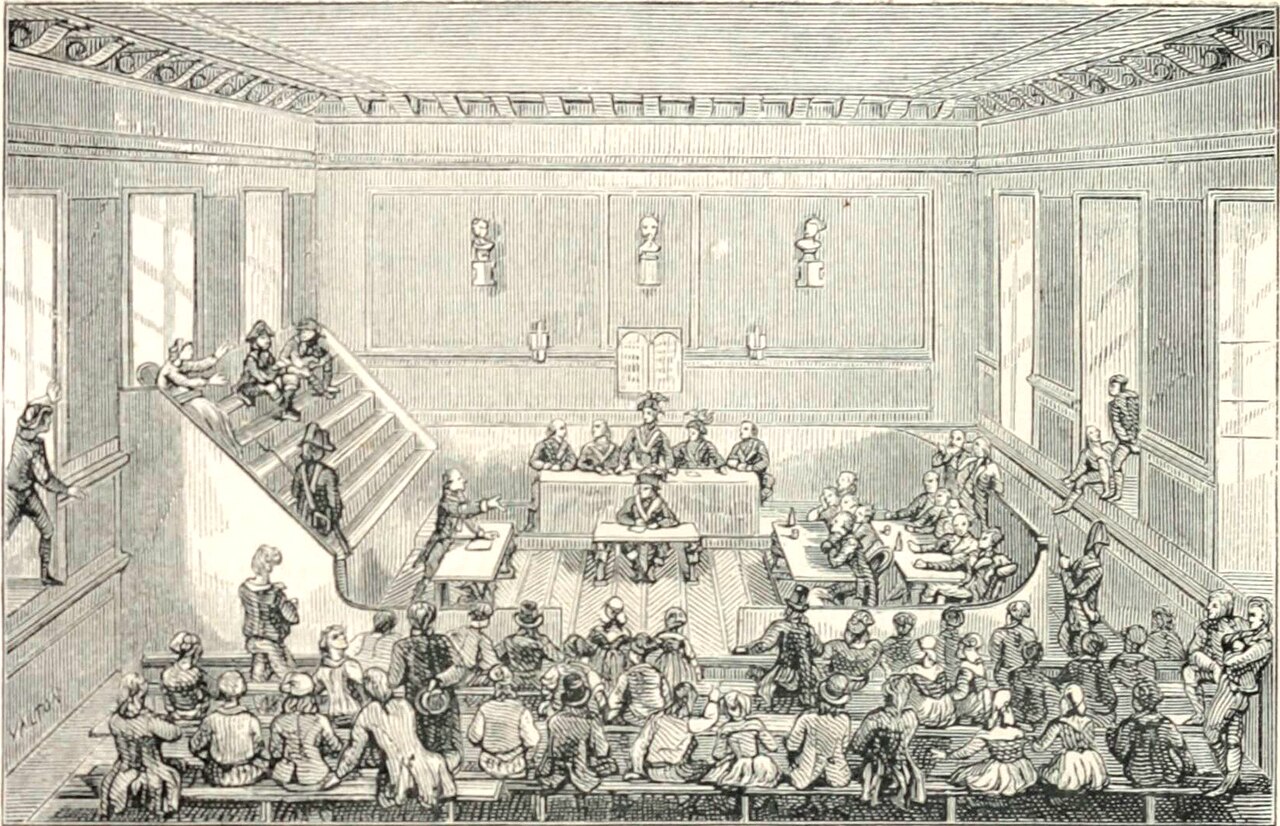
An engraving depicting the Revolutionary Tribunal, the court whose creation Danton championed and which later condemned him to death.
Danton argued for reviving this Tribunal in 1793; it later condemned him to death in 1794.
About this source
What it is
This engraving shows the interior of a courtroom of the Revolutionary Tribunal, a court established by the National Convention to try political offenders during the French Revolution. Judges sit at a raised bench, a clerk works below them, and spectators fill the gallery. The image appeared in a later 19th-century history book about 1793 in Paris.
Why it matters
Danton, with Robespierre's support, pushed for the Tribunal's revival in March 1793, arguing that organized justice was needed to prevent uncontrolled mob violence, famously saying the people should 'be terrible' so ordinary citizens would not have to take justice into their own hands. The Tribunal became one of the main instruments of the Terror and, within a year, condemned Danton himself to death. It shows how revolutionary tools could turn on their own creators.
Look closer
- Why might Danton have argued that a formal court was better than allowing the people to 'make their own justice'?
- This image was made decades after the events it depicts—what might that mean for its accuracy?
- What does it mean that the court Danton helped create later tried and condemned him?
This painting is part of the curated material that grounds the AI version of Georges Danton on Humy.ai — when students ask about related events, the AI can quote it and cite it.
More Georges Danton sources
Meet the AI Georges Danton →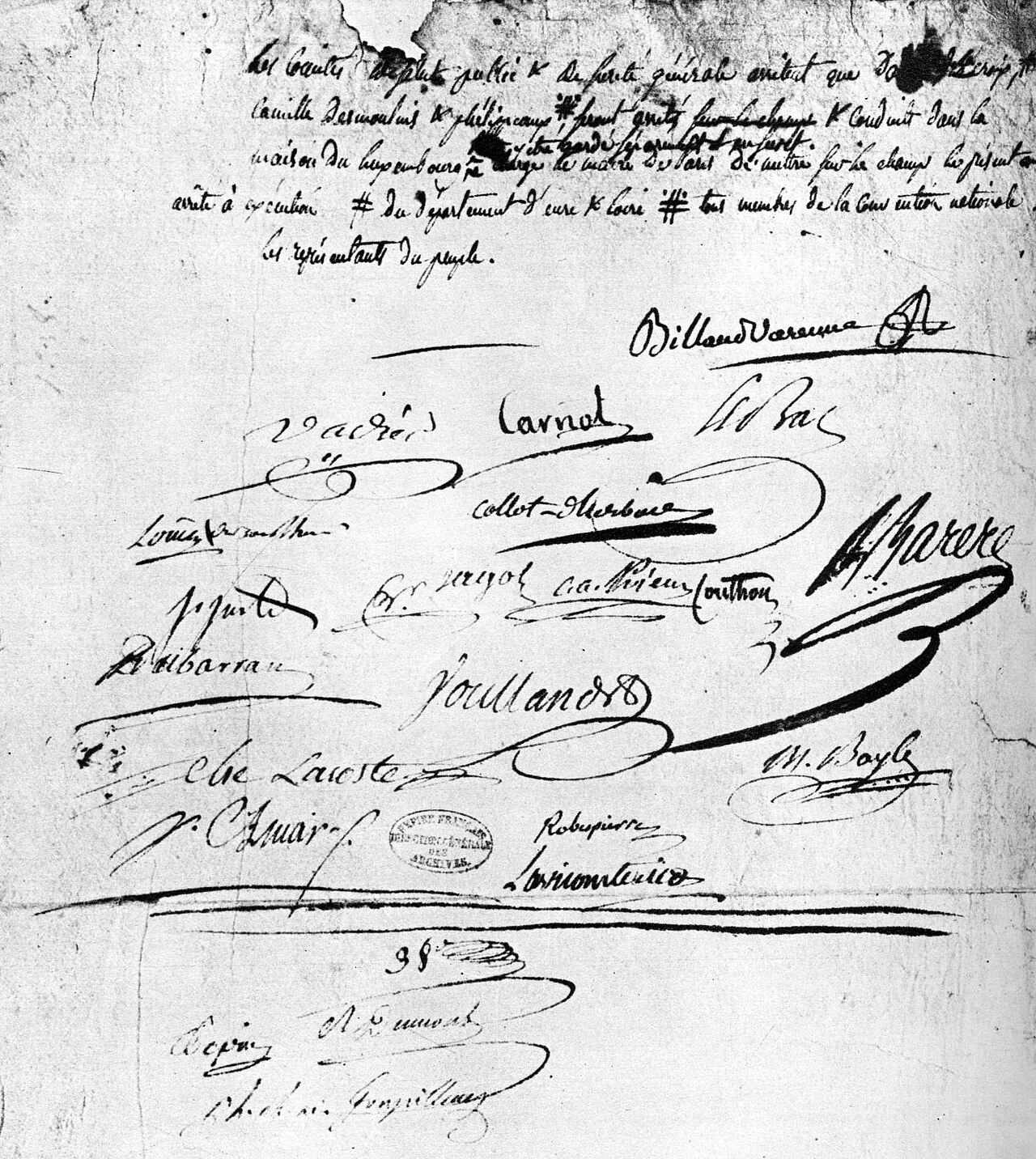 Document
Primary source
Arrest Warrant Against Danton and His Friends
Committee of Public Safety · March 1794
 Painting
Primary source
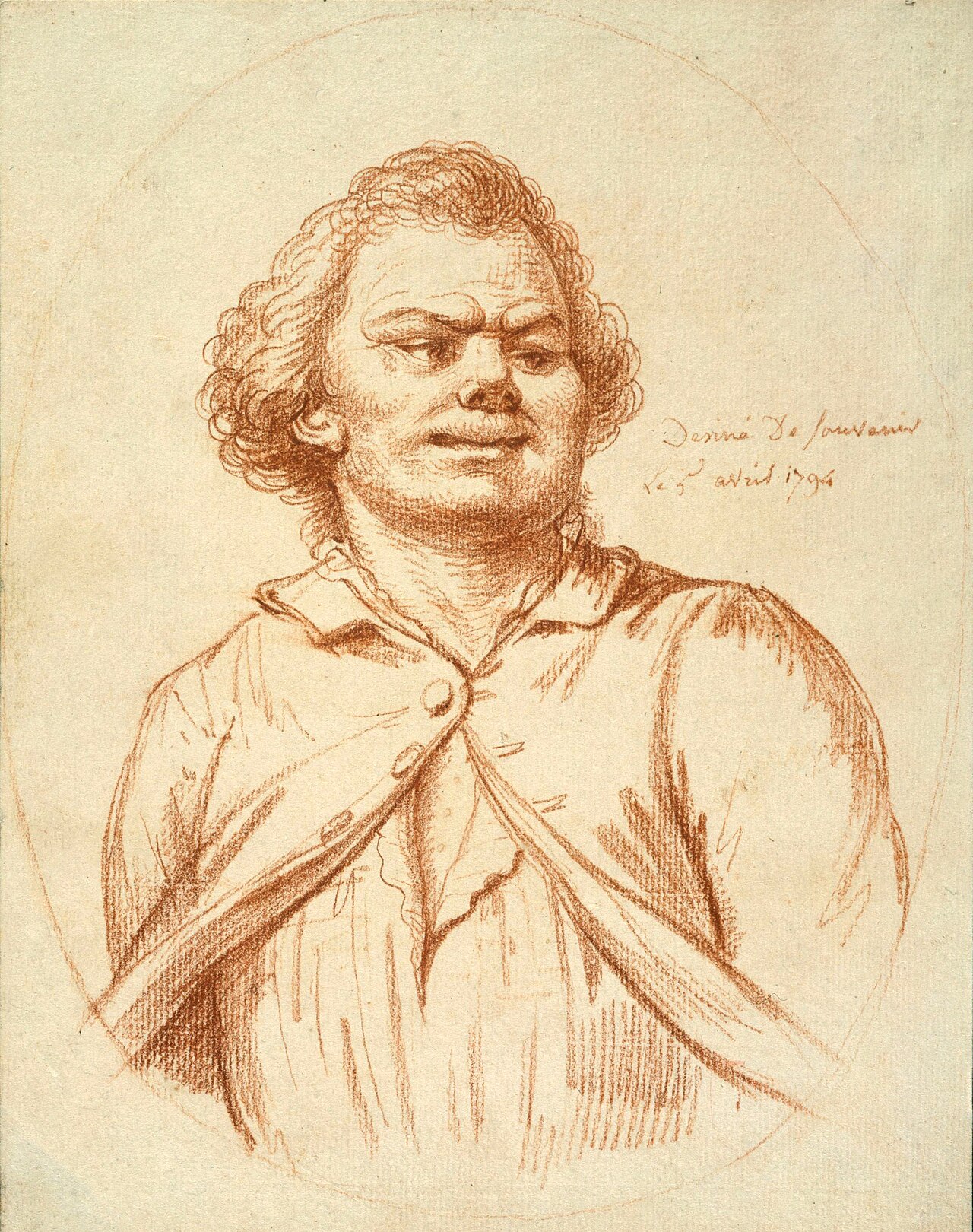
Danton Led to Execution
Attributed to Pierre-Alexandre Wille · 1794
 Painting
Primary source
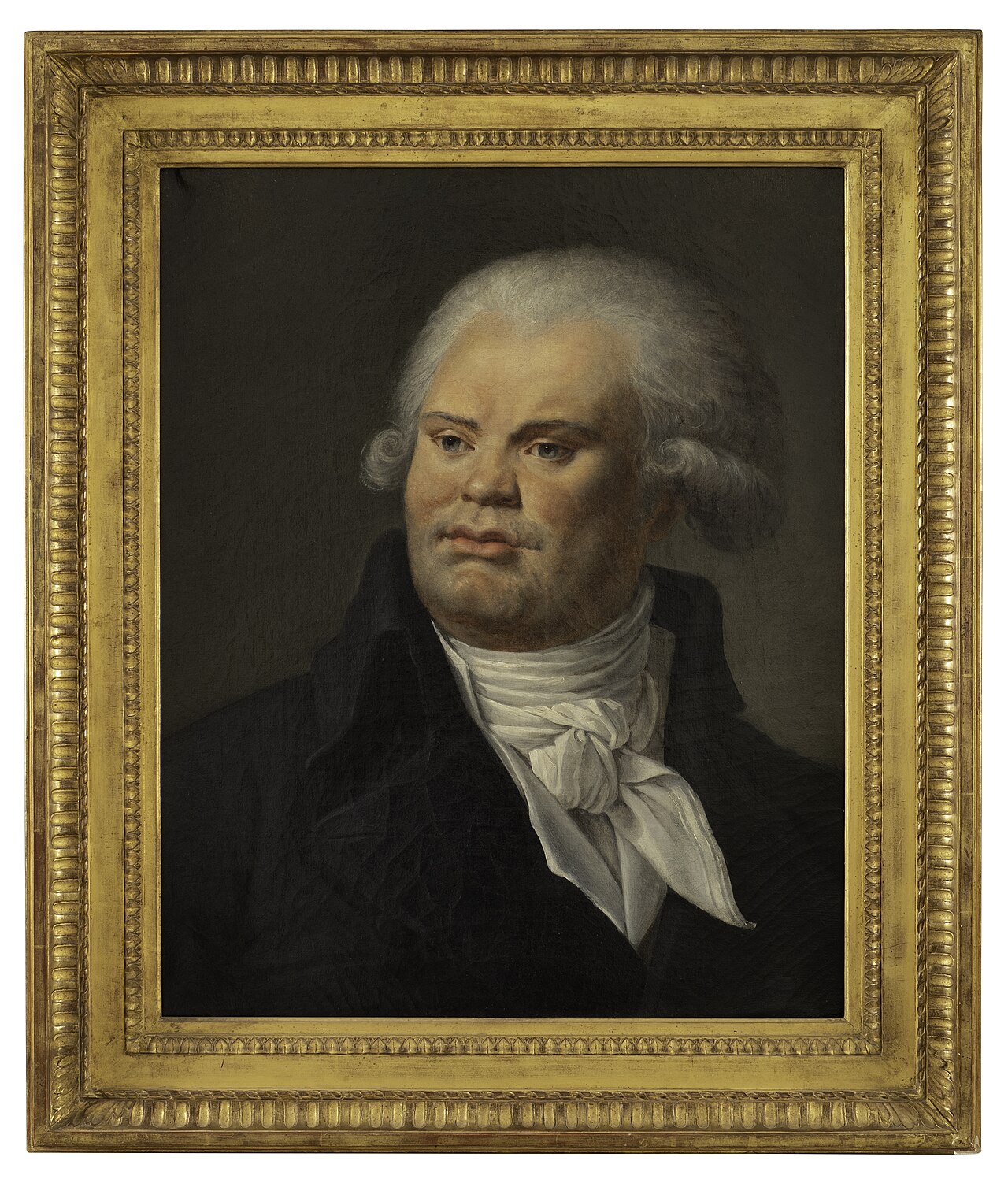
Portrait of Georges Danton
 Document
Primary source
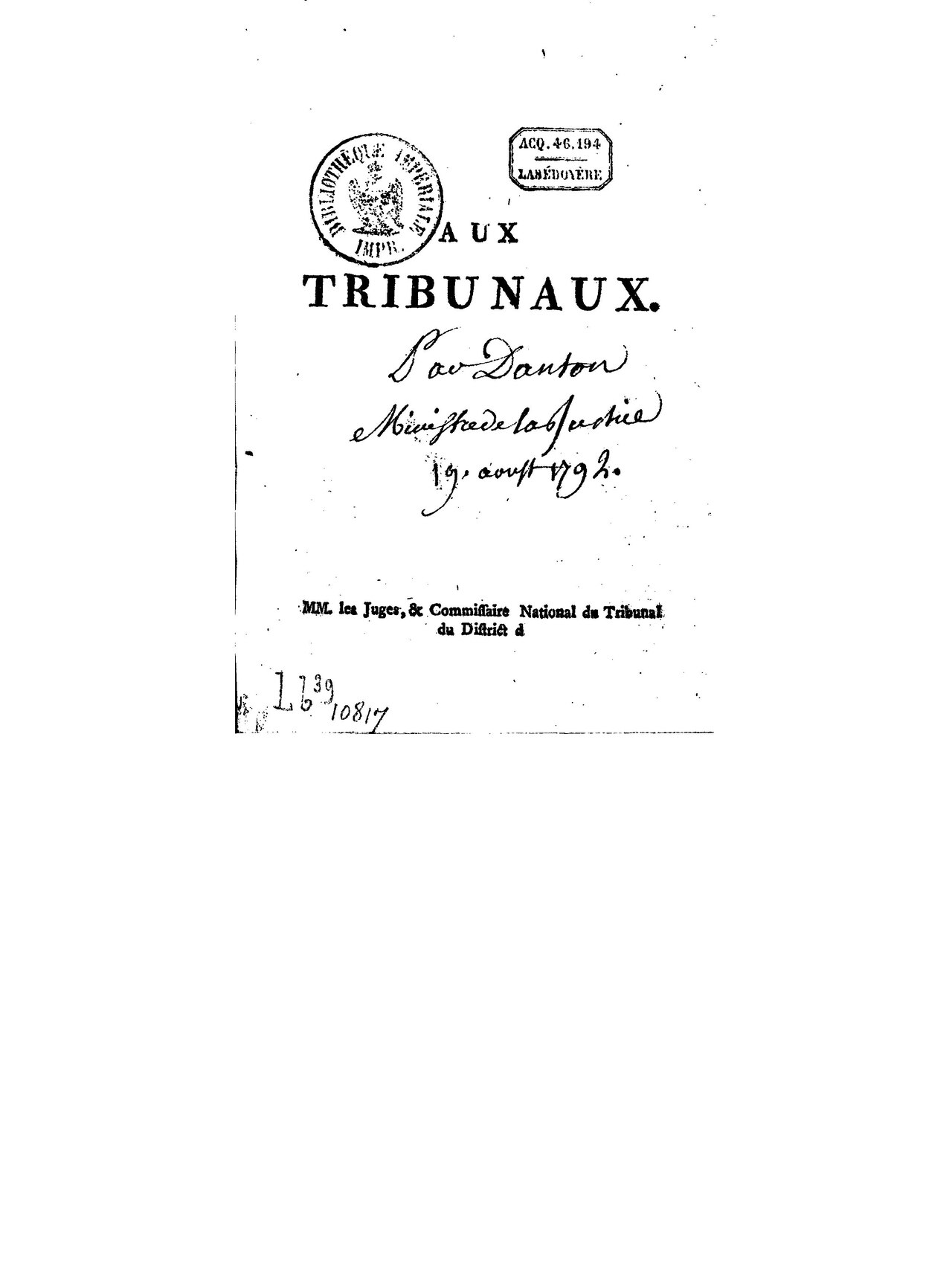
Aux tribunaux
Georges Danton · 19 August 1792
 Document
Primary source
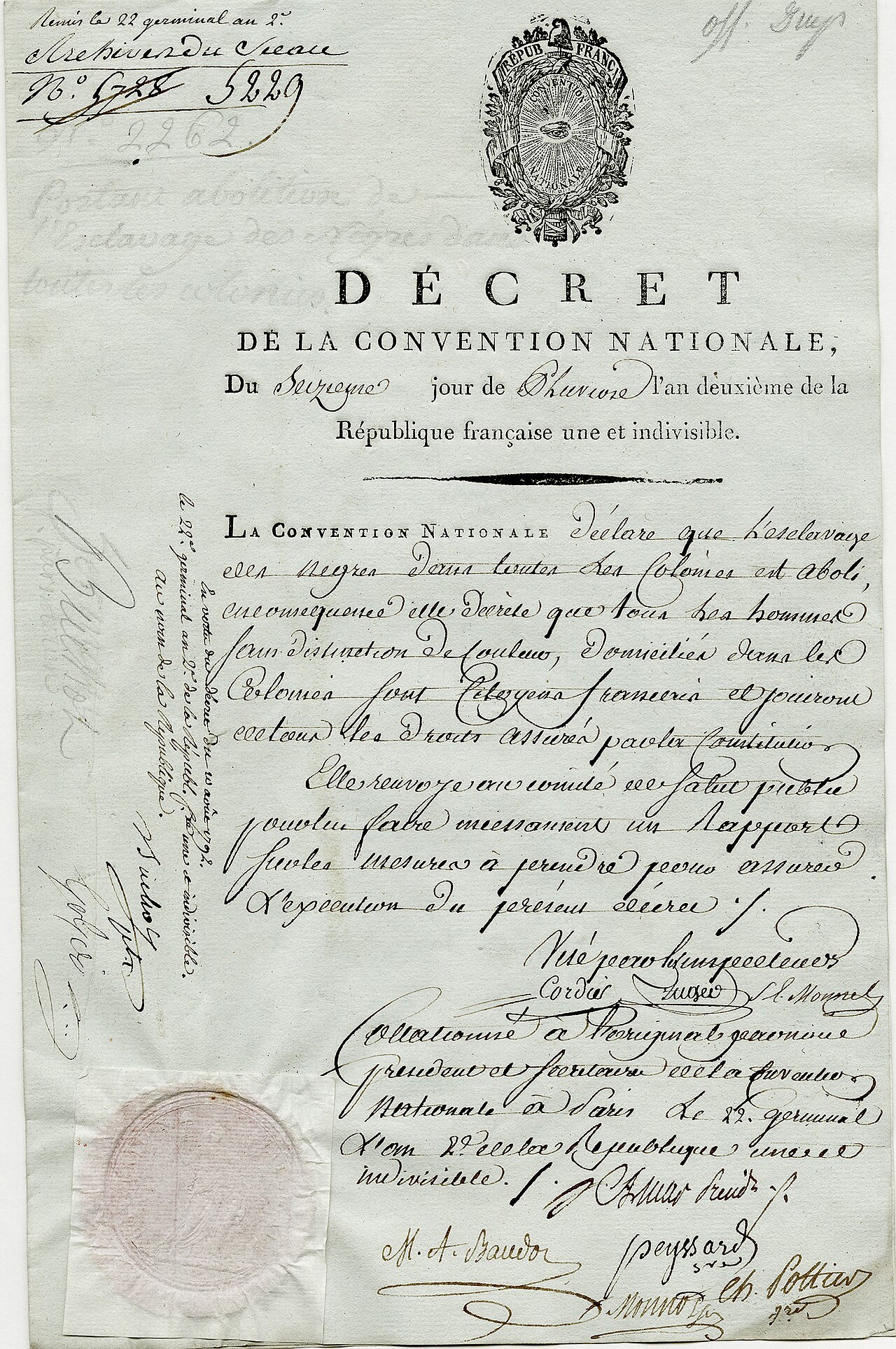
Law of 4 February 1794
National Convention · 4 February 1794
Ready when you are
Start chatting with Georges Danton now.
20 messages free · No credit card · Available in 50+ languages.