


Primary sourceBook
The Romaunt of the Rose
Jean de Meun
A partial Middle English translation of the French Roman de la Rose, parts of which are probably by Chaucer and which shaped his early poetic training.
A translation probably begun by Chaucer, showing his early training in French courtly poetry before his mature English works.
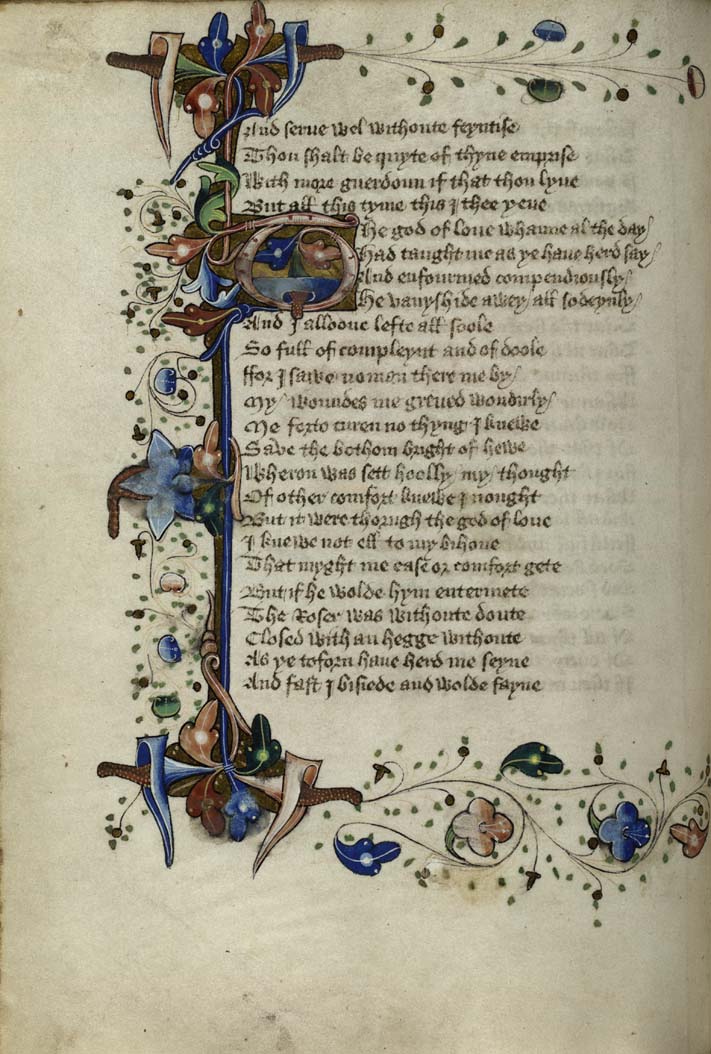
About this source
What it is
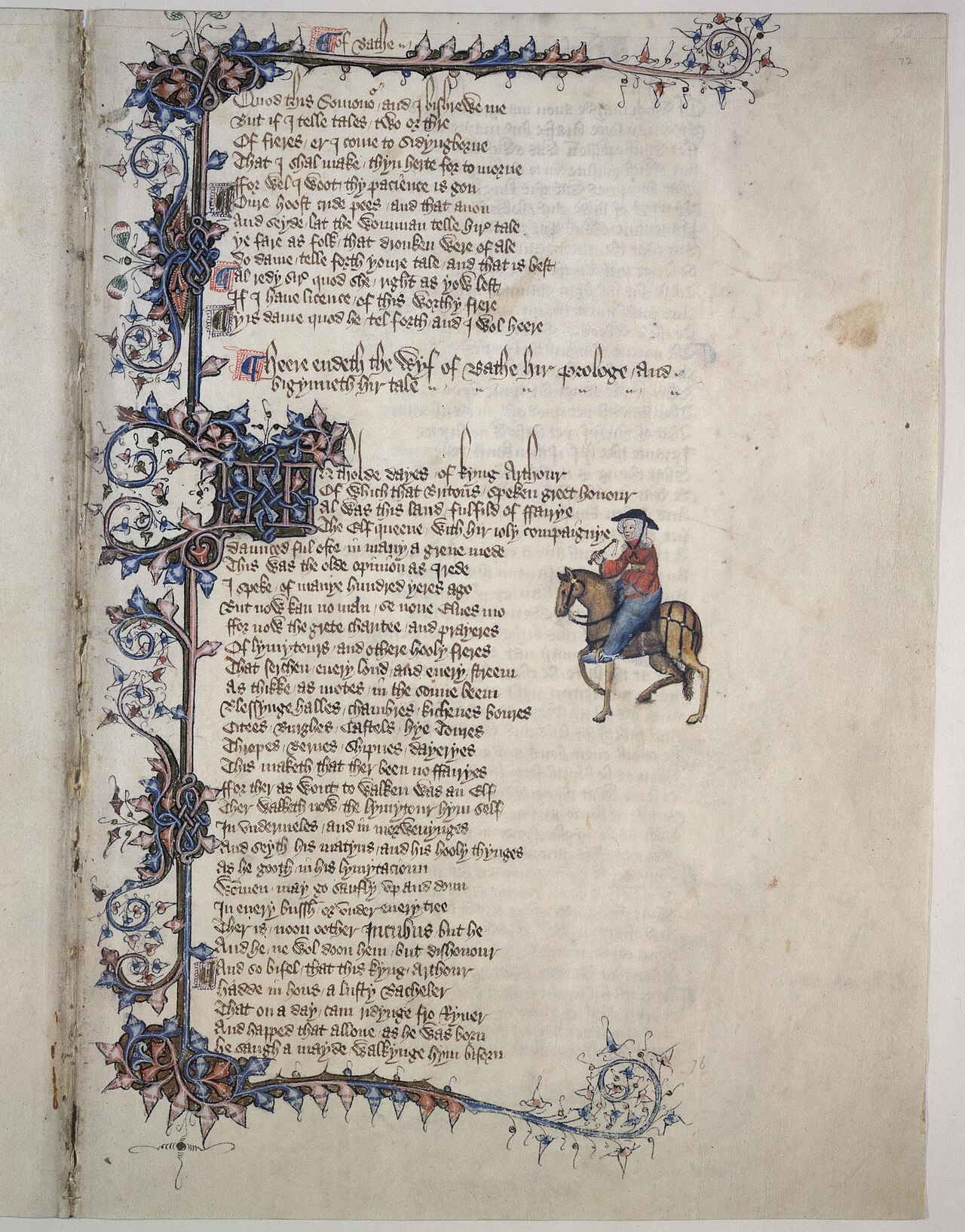
The Romaunt of the Rose is a partial Middle English translation of the French allegorical poem Le Roman de la Rose, begun by Guillaume de Lorris and continued by Jean de Meun. Geoffrey Chaucer is thought to have begun translating it early in his career, perhaps in the 1360s, though the surviving text is divided into three fragments, and scholars now generally agree only one fragment is definitely his. An early manuscript copy survives at the University of Glasgow.
Why it matters
This translation shows Chaucer learning his craft by working closely with French poetry, absorbing its style and techniques before developing his own English voice. The authorship puzzle, worked out by later scholars comparing rhymes and dialects, is also a good example of how historians piece together what an author really wrote.
- Why might translating someone else's poem help a writer develop their own style?
- How did scholars figure out which parts Chaucer probably did not write?
- What does this tell us about how poems circulated and changed in copying?
This book is part of the curated material that grounds the AI version of Geoffrey Chaucer on Humy.ai — when students ask about related events, the AI can quote it and cite it.
More Geoffrey Chaucer sources
Browse all 95 →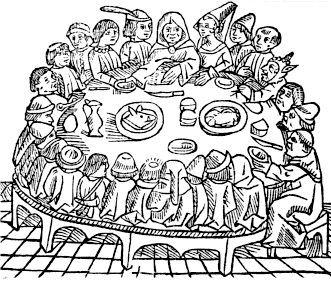 Book
Primary source
The Canterbury Tales
Geoffrey Chaucer · 1387-1400
 Book
Secondary source
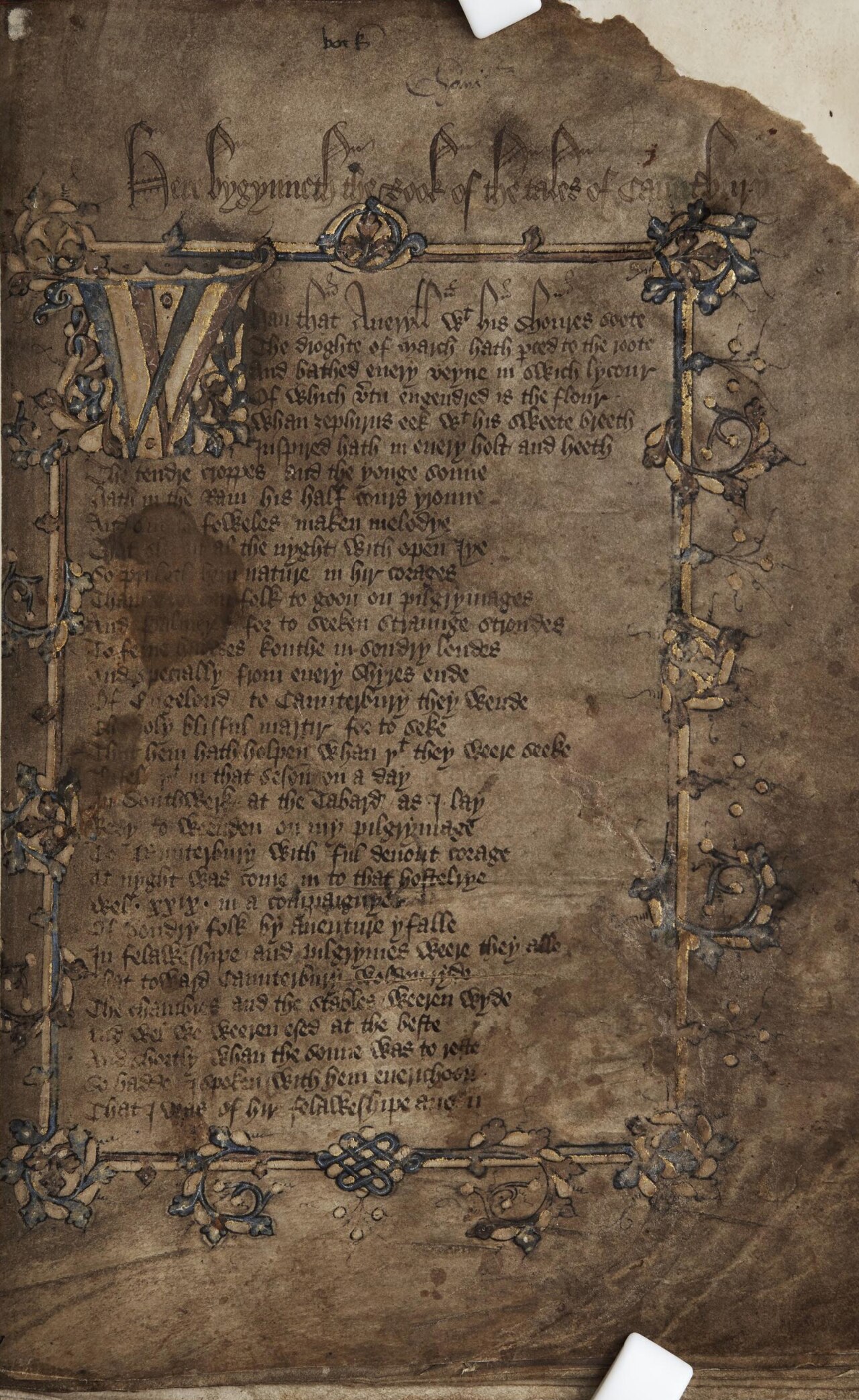
General Prologue
Geoffrey Chaucer · 1389
 Book
Secondary source
Ellesmere Chaucer
c. 1405
BookPrimary source
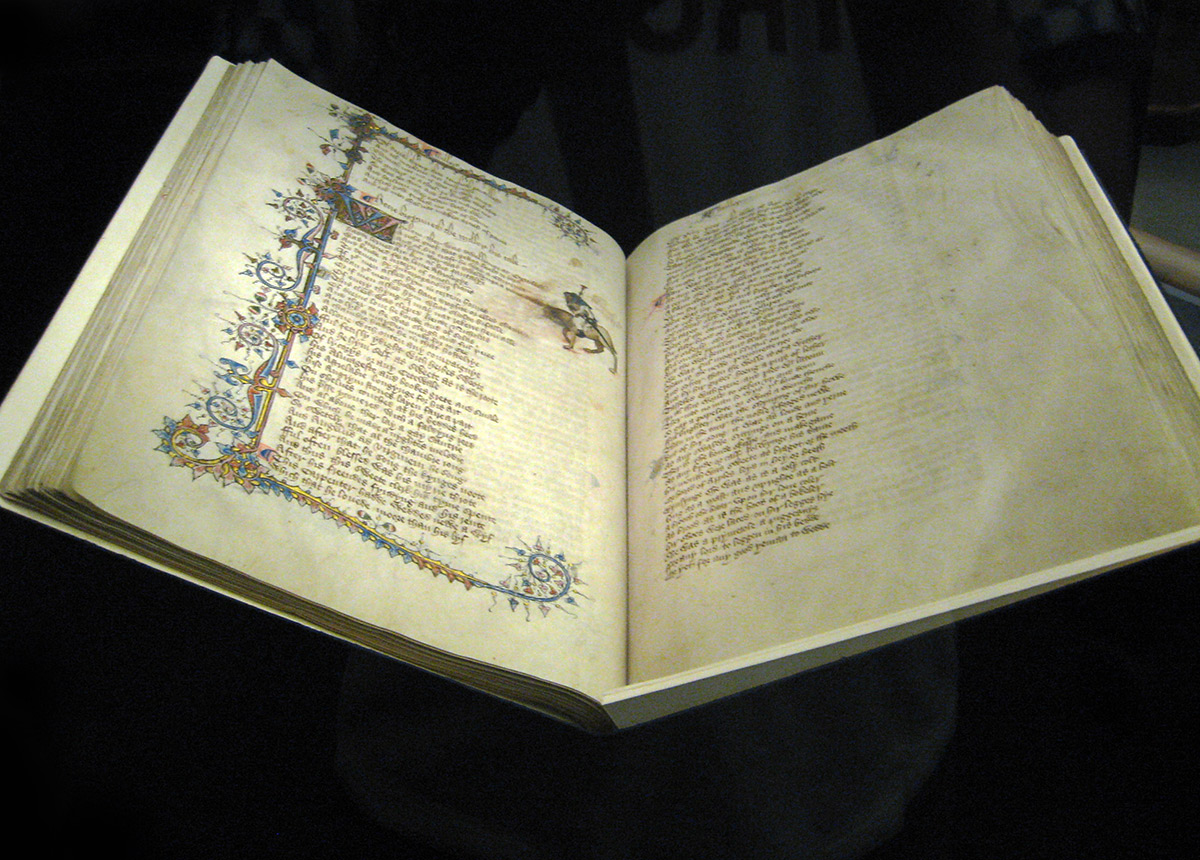
Hengwrt Chaucer
Geoffrey Chaucer · c. 1400
Free account
Read every Geoffrey Chaucer source
Sign up free →
Ready when you are
Start chatting with Geoffrey Chaucer now.
20 messages free · No credit card · Available in 50+ languages.