


Primary sourceArtifactbuilt 1587
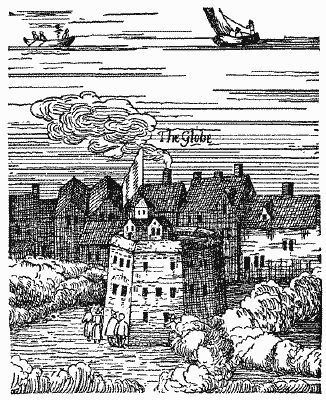
The Rose
Philip Henslowe · built 1587
A Bankside playhouse built by Philip Henslowe in 1587, where Marlowe's Tamburlaine, Faustus and The Jew of Malta were staged.
The Rose was the playhouse where Marlowe's major plays were first staged by the Admiral's Men.
About this source
What it is
The Rose was an Elizabethan playhouse built in 1587 by the theatre entrepreneur Philip Henslowe on Bankside, Southwark. Its remains were rediscovered by archaeologists in 1989 and are now preserved as a scheduled monument and exhibition space.
Why it matters
The Rose was one of the first public playhouses in Bankside and home to the Admiral's Men, led by the actor Edward Alleyn. It was the venue where Christopher Marlowe's plays Tamburlaine, Doctor Faustus and The Jew of Malta were performed, making it central to his career as a dramatist and to the early history of English professional theatre.
Look closer
- Why might Henslowe have chosen to build his theatre outside the City of London's jurisdiction?
- What does the survival of only foundations, rather than the building itself, tell us about how we study theatre history?
- How might watching a play performed at the Rose have differed from reading the text today?
This artifact is part of the curated material that grounds the AI version of Christopher Marlowe on Humy.ai — when students ask about related events, the AI can quote it and cite it.
More Christopher Marlowe sources
Browse all 57 →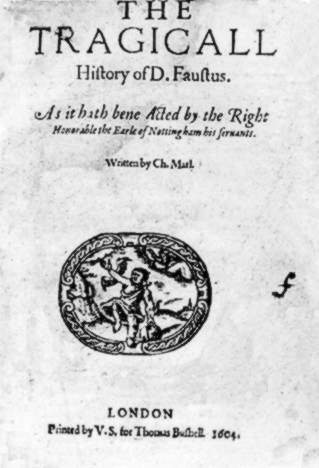 Book
Primary source
The Tragical History of Doctor Faustus
Christopher Marlowe · 1604
 Book
Secondary source
Tamburlaine the Great
Christopher Marlowe · 1587 or 1588
 Book
Primary source
The Passionate Shepherd to His Love
Christopher Marlowe · 1599
 Painting
Primary source
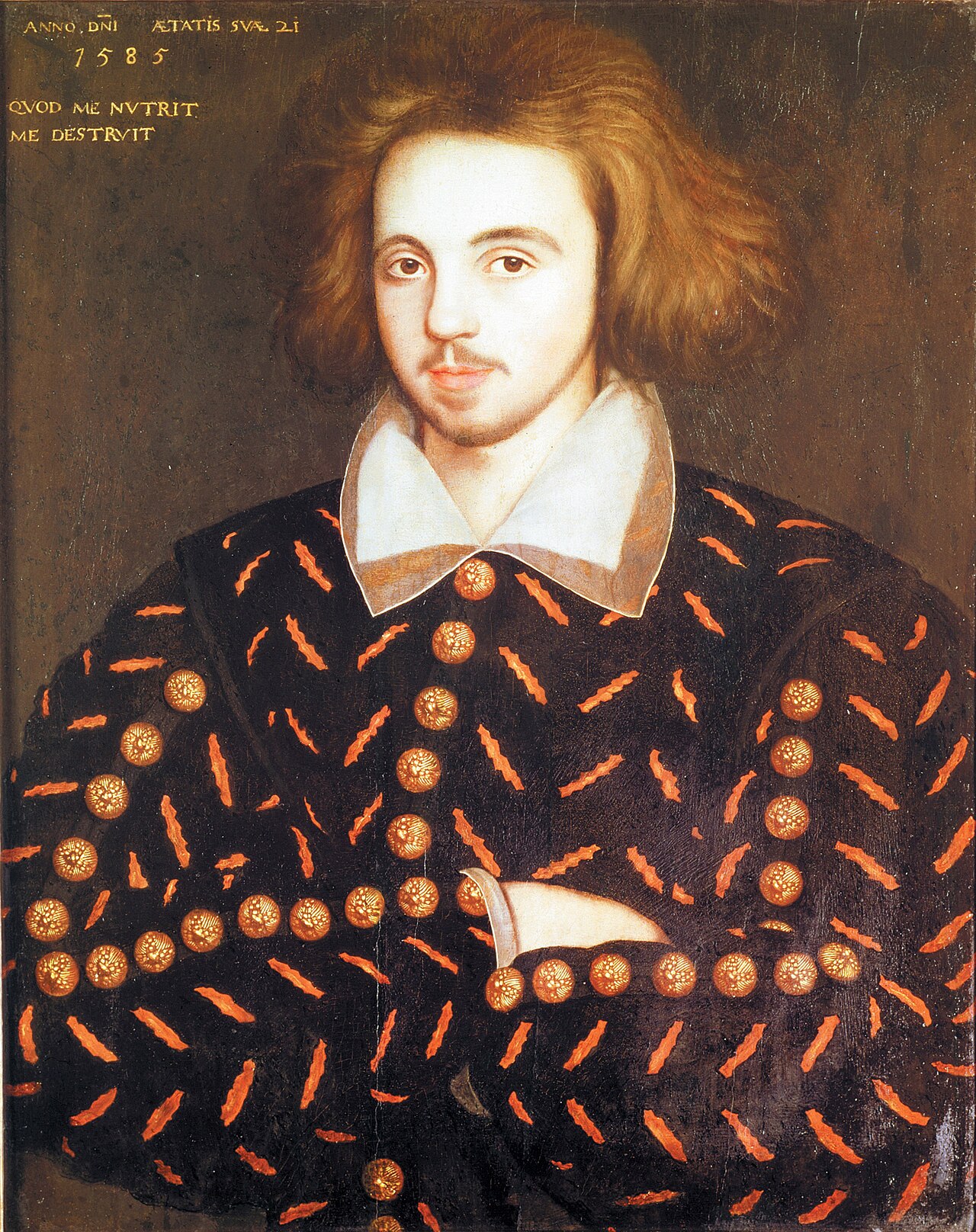
Portrait of a Gentleman
1585


Free account
Read every Christopher Marlowe source
Sign up free →
Ready when you are
Start chatting with Christopher Marlowe now.
20 messages free · No credit card · Available in 50+ languages.