


Primary sourcePainting1905, printed 1913
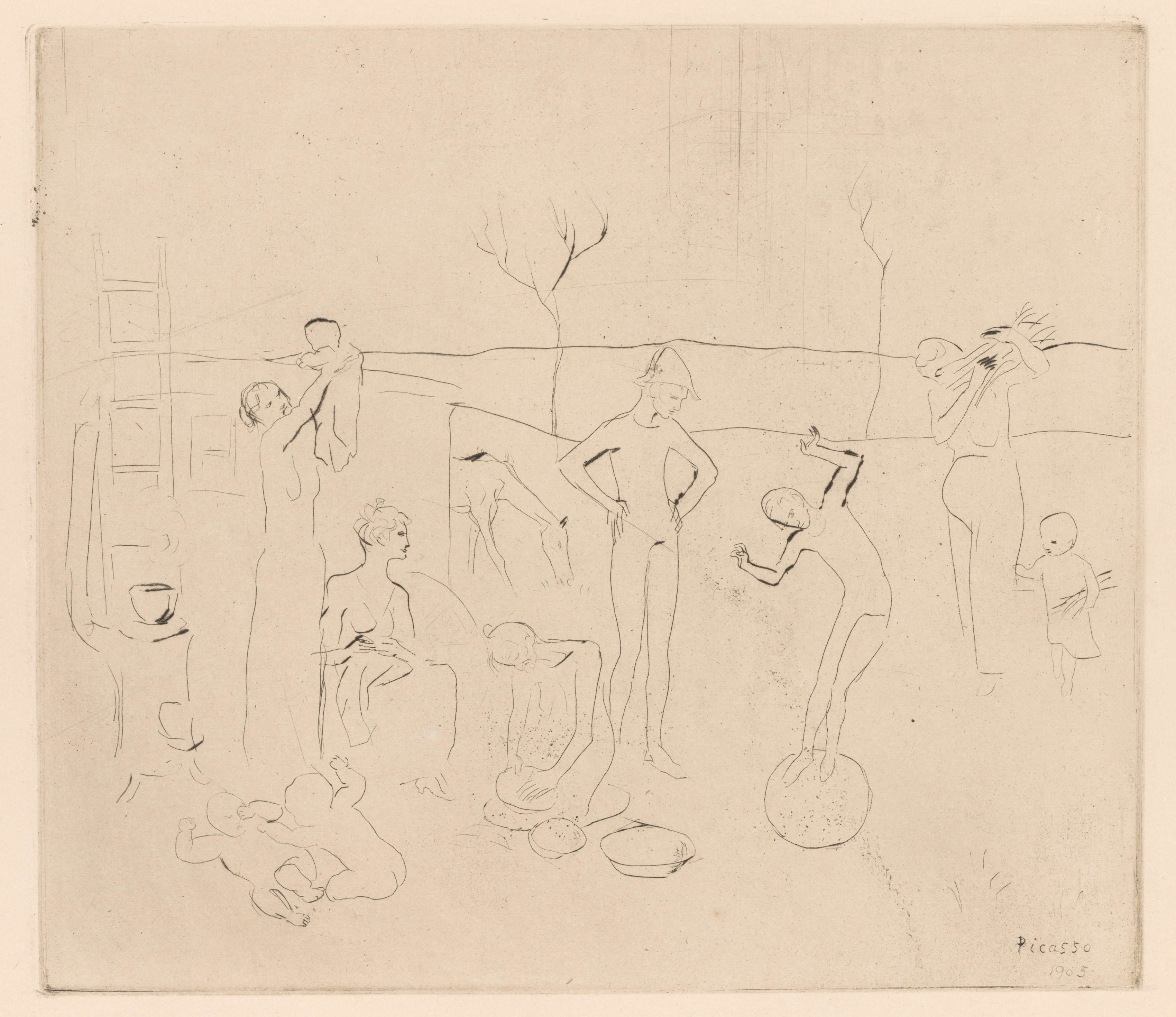
The Saltimbanques
Pablo Picasso · 1905, printed 1913
A drypoint print made by Picasso in 1905, printed in 1913, showing circus performers from his Rose Period.
An original drypoint Picasso created in 1905, showing circus figures central to his Rose Period work.
About this source
What it is
This drypoint was drawn by Pablo Picasso in 1905 and printed in 1913 by Louis Fort for the dealer Ambroise Vollard. It shows a group of circus performers, including a woman holding a child, an acrobat balancing on a ball, and other figures gathered outdoors. It is held today by the Cleveland Museum of Art.
Why it matters
This print belongs to Picasso's Rose Period, when he was fascinated by travelling circus performers, or 'saltimbanques.' The involvement of printer Louis Fort and dealer Ambroise Vollard shows how Picasso's early work reached collectors through a network of craftsmen and art dealers.
Look closer
- What mood do the figures and poses create in this scene?
- Why might Picasso have been drawn to circus performers as subjects?
- What does the print leave unfinished or sketchy, and why might that be?
This painting is part of the curated material that grounds the AI version of Pablo Picasso on Humy.ai — when students ask about related events, the AI can quote it and cite it.
More Pablo Picasso sources
Browse all 93 →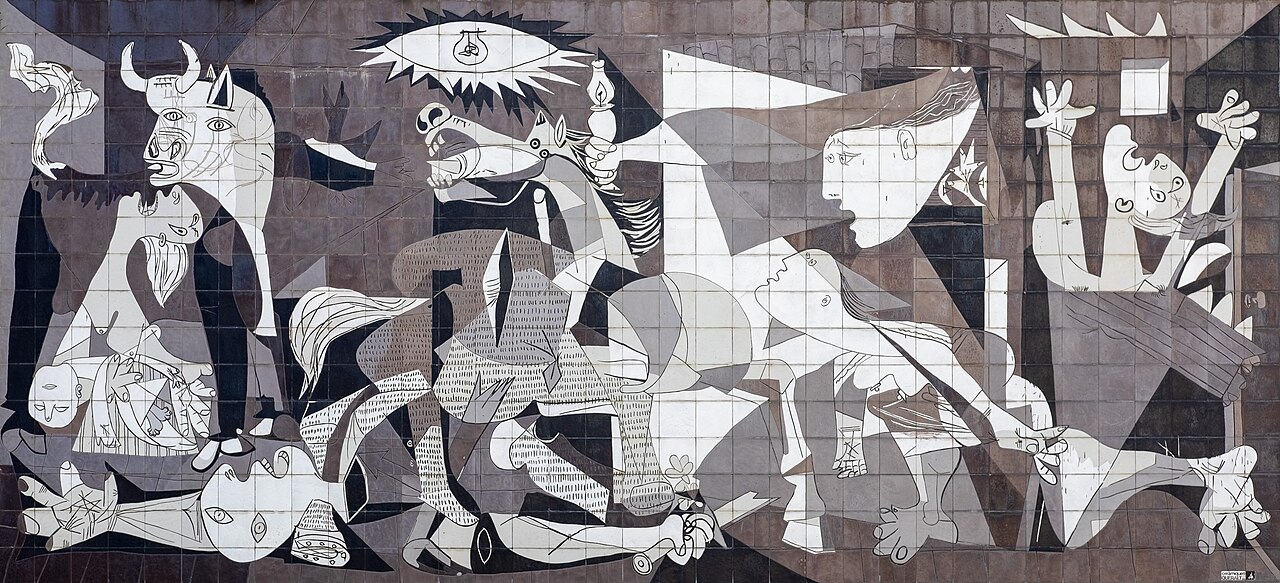 Painting
Primary source
Guernica
Pablo Picasso · 1937
 Photograph
Primary source
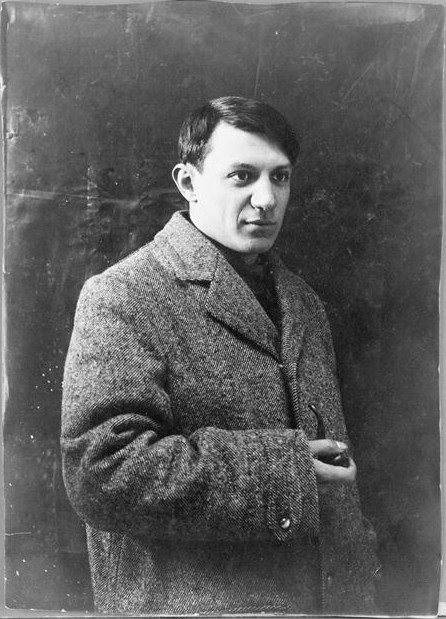
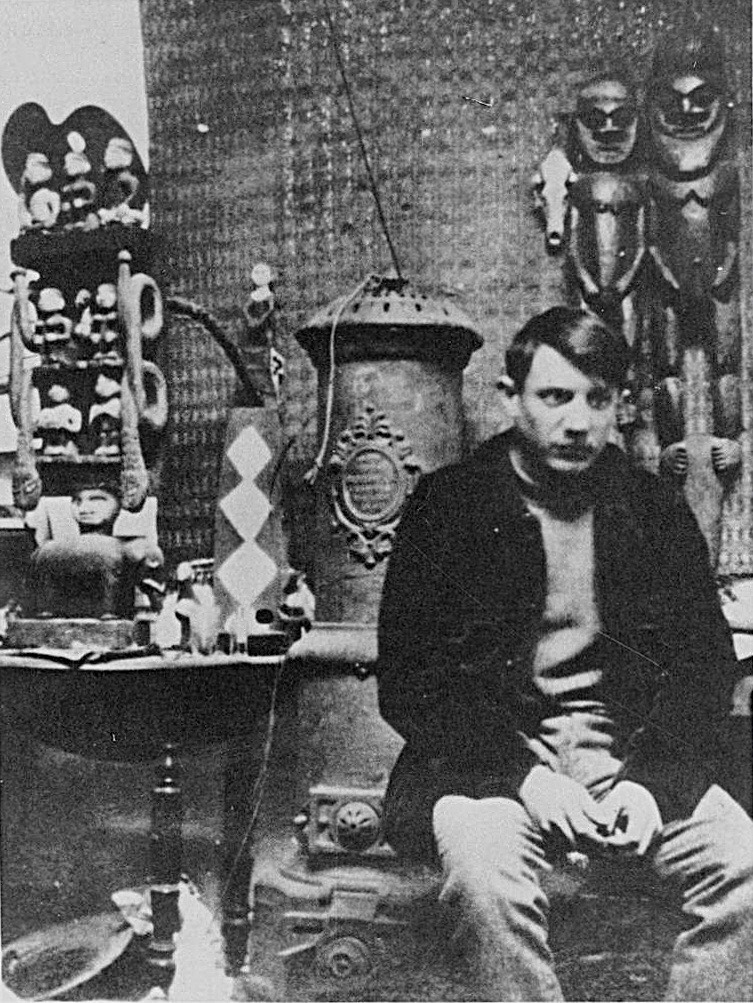
Portrait de Picasso, 1908
Anonymous Unknown author · 1908
Primary source
Recording of the voice of Pablo Picasso
Pablo Picasso
 Painting
Primary source
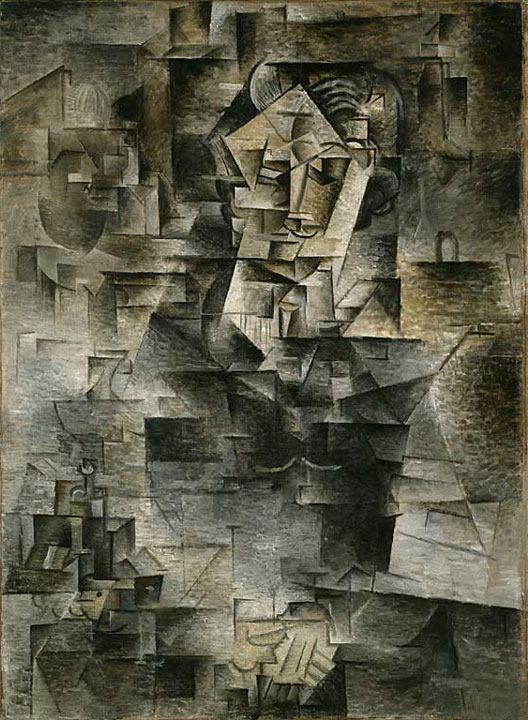
Portrait de Daniel Henry Kahnweiler
Pablo Picasso · 1910
Free account
Read every Pablo Picasso source
Sign up free →
Ready when you are
Start chatting with Pablo Picasso now.
20 messages free · No credit card · Available in 50+ languages.