


Secondary sourcePainting1859
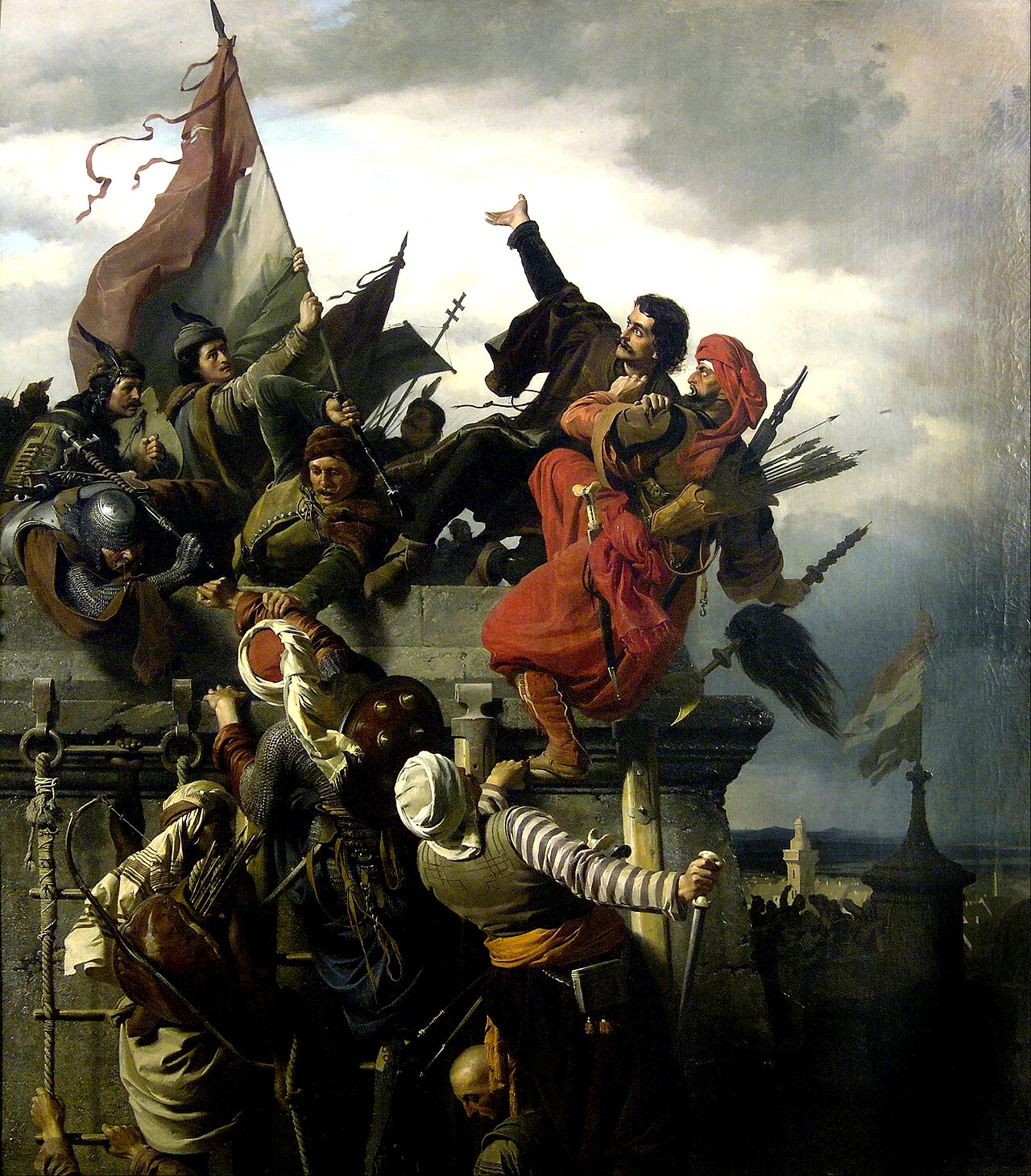
The Self-Sacrifice of Titusz Dugovics
Alexander von Wagner · 1859
An 1859 painting of the Hungarian hero Dugovics at the 1456 Siege of Belgrade, the battle led by Hunyadi.
Depicts an episode from the 1456 Siege of Belgrade, the battle Hunyadi commanded and won.
About this source
What it is
This is an 1859 painting by Alexander von Wagner depicting Titusz Dugovics, a Hungarian soldier said to have sacrificed himself during the 1456 siege of Belgrade by leaping from the walls while grappling with an enemy soldier. The scene shows soldiers fighting on a wall with banners and a distant city.
Why it matters
The siege of Belgrade was the battle that John Hunyadi commanded and won against the Ottomans. This painting, made centuries later, shows how later generations celebrated individual heroism connected to that victory, turning a single soldier's act into a symbol of sacrifice for the wider cause Hunyadi led.
Look closer
- Why might an artist in 1859 choose to paint this moment of individual sacrifice rather than Hunyadi himself?
- What visual details suggest danger and chaos in the scene?
- What does focusing on one soldier's heroism tell us about how this battle was remembered?
This painting is part of the curated material that grounds the AI version of John Hunyadi on Humy.ai — when students ask about related events, the AI can quote it and cite it.
More John Hunyadi sources
Browse all 71 →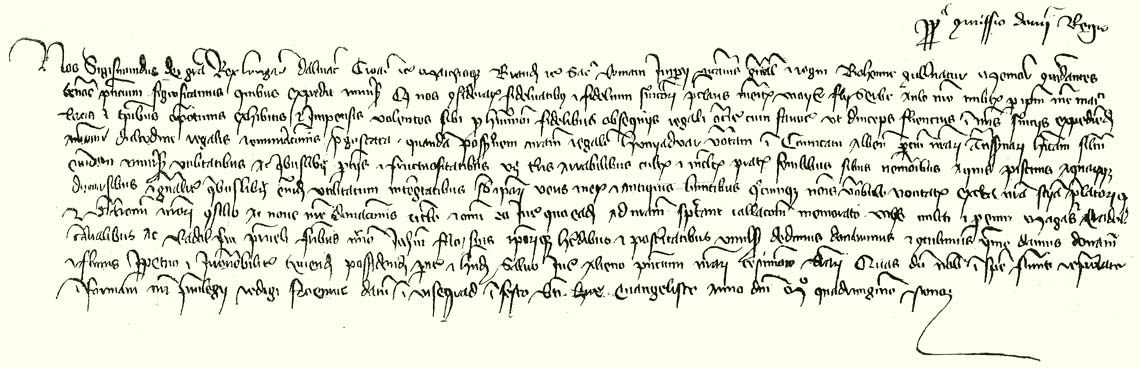 Document
Primary source
Diploma of Sigismund of Luxembourg
1409
 Painting
Secondary source
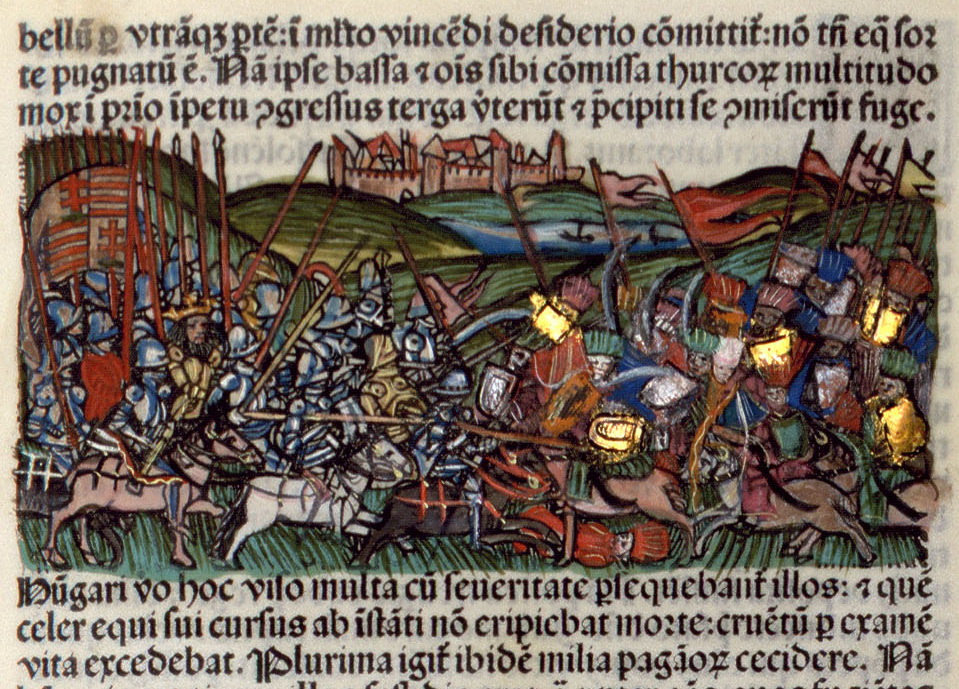
Hunyadi's Long Campaign Against the Ottomans
Johannes de Thurocz · 1488
 Artifact
Primary source
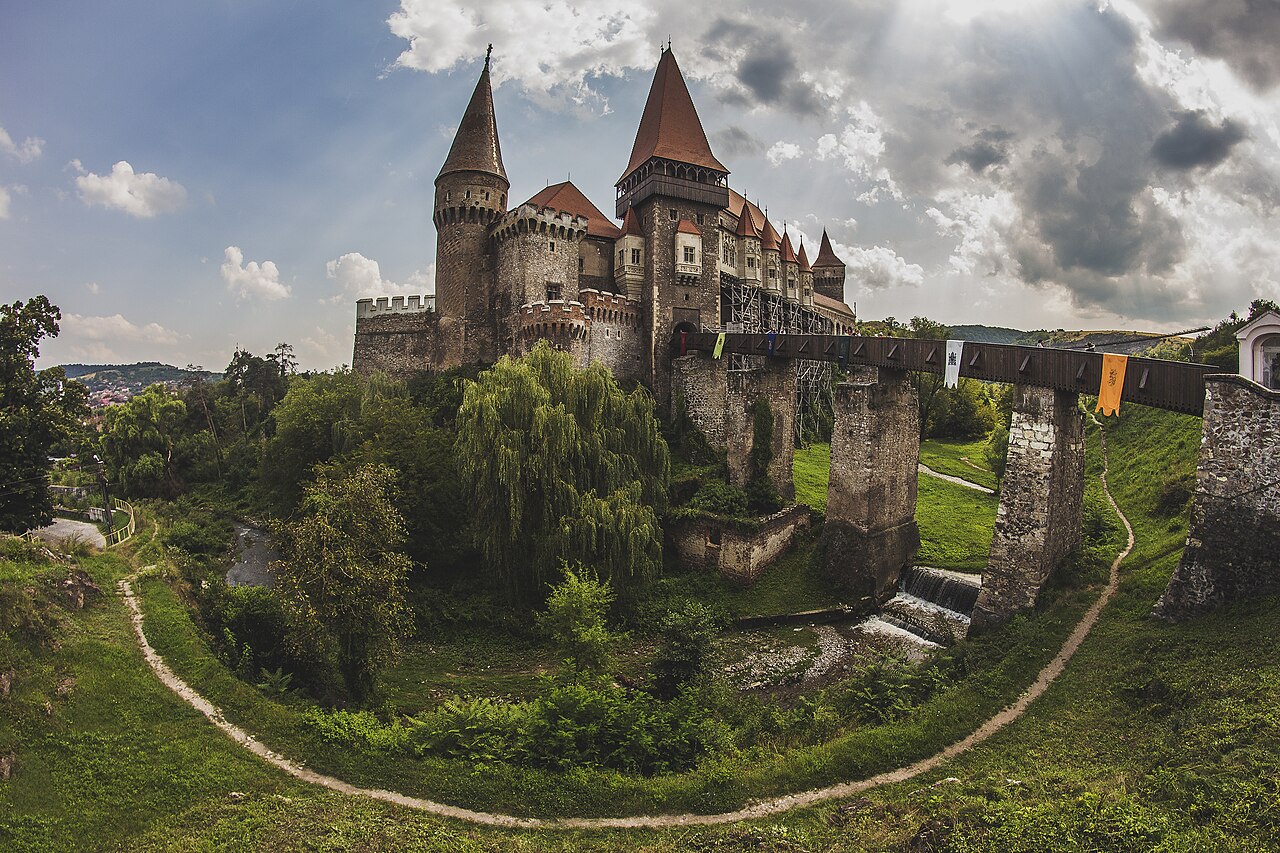
Corvin Castle
1440
 Sculpture
Primary source
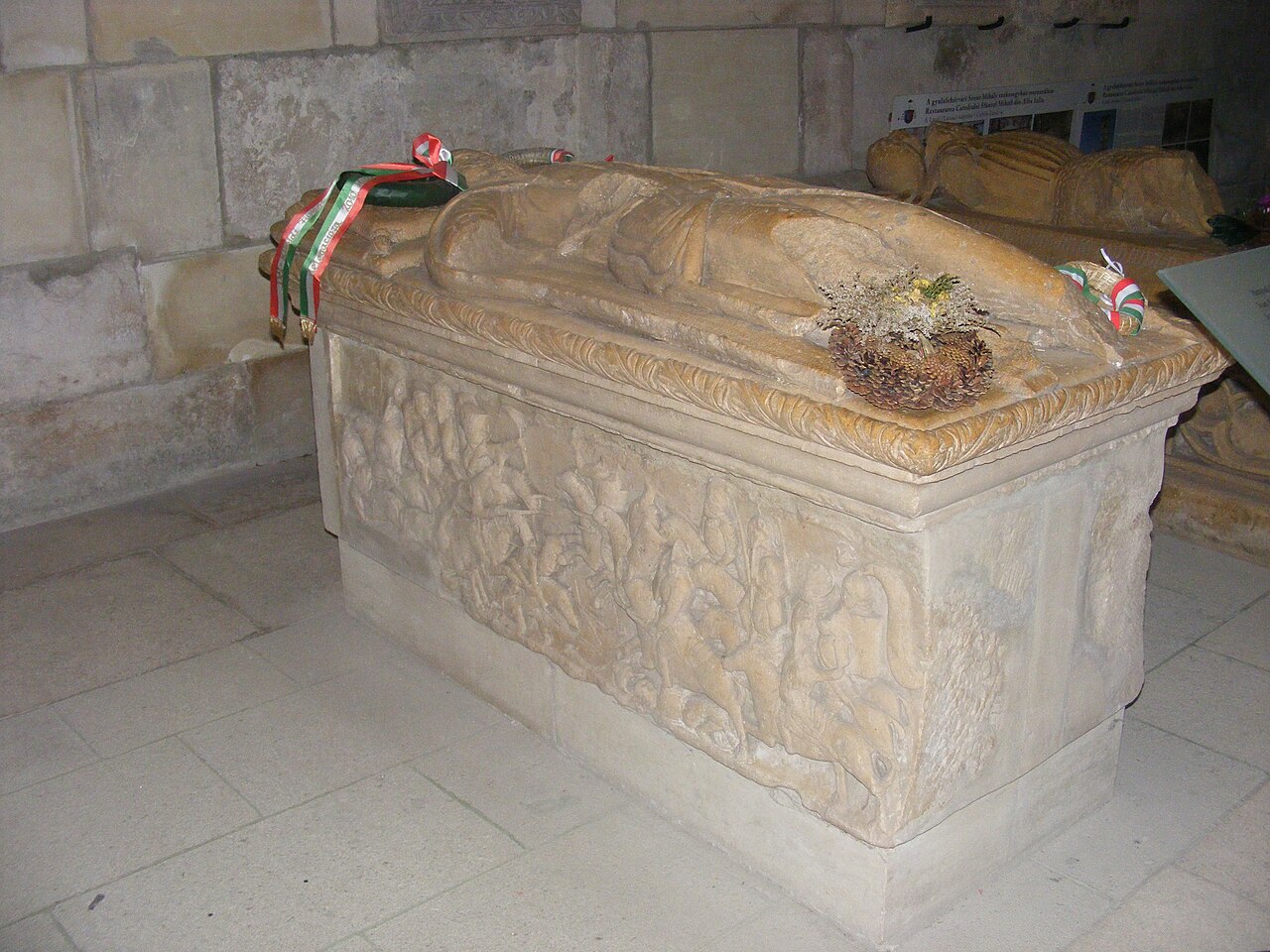
Grave of John Hunyadi
Free account
Read every John Hunyadi source
Sign up free →
Ready when you are
Start chatting with John Hunyadi now.
20 messages free · No credit card · Available in 50+ languages.