


Primary sourcePaintingc. 1628–1631
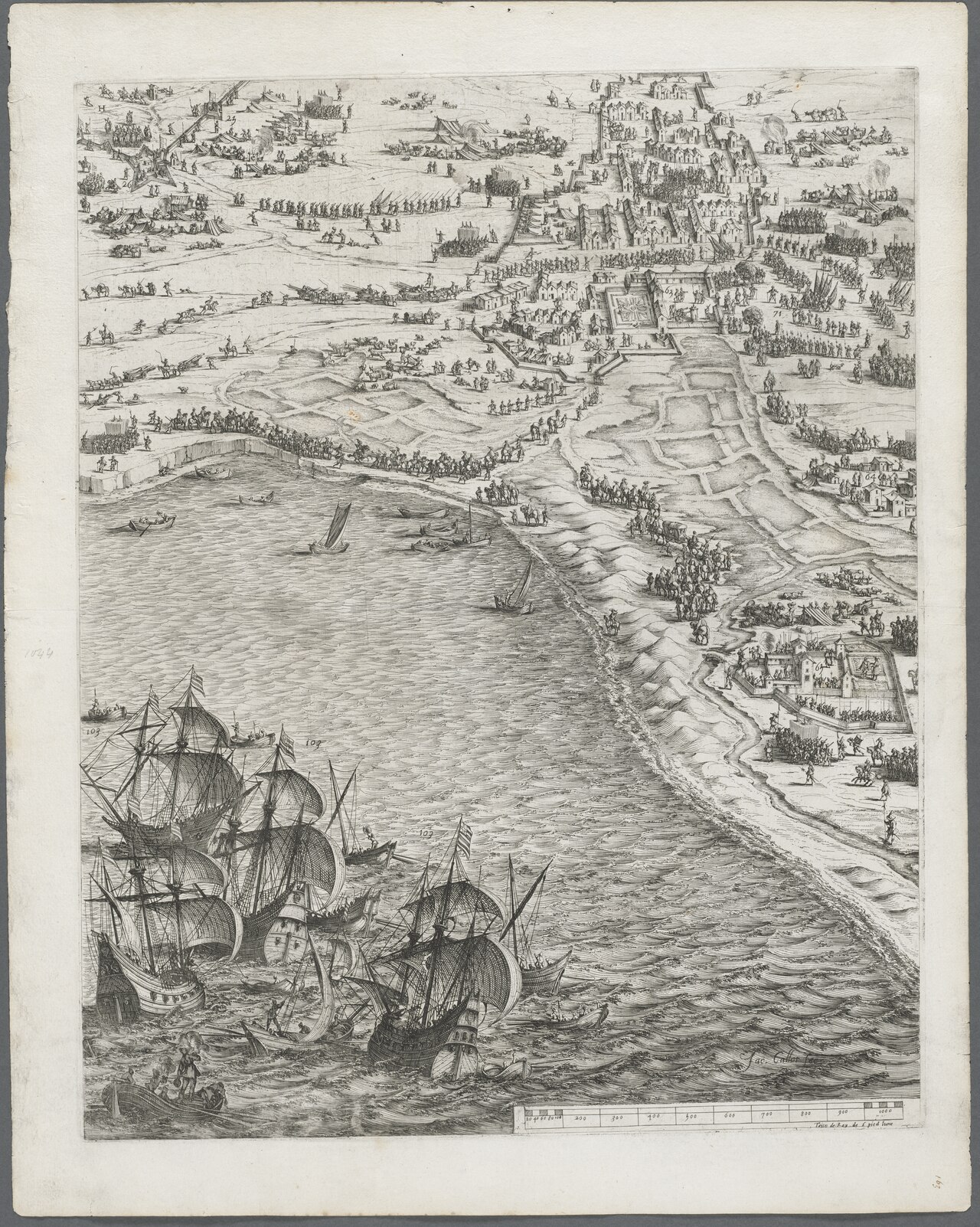
The Siege of La Rochelle
Jacques Callot · c. 1628–1631
A large etching commissioned for the crown celebrating Louis XIII's victory over the Huguenots at La Rochelle.
This etching commemorates Louis XIII's victory at La Rochelle, the crown's greatest military triumph during his reign.
Free Humy account · No credit card · 120,912 sources to read
About this source
What it is
This multi-sheet etching by Jacques Callot, made around 1628–1631, depicts the Siege of La Rochelle. Copies are held at the Bibliothèque nationale de France and the Metropolitan Museum of Art.
Why it matters
The siege was Louis XIII's most significant military victory, ending Huguenot political and military privileges while leaving their religious freedom intact, as part of the centralising policies he carried out with Cardinal Richelieu. The crown commissioned this detailed image to commemorate and celebrate that triumph.
Look closer
- What details in the ships, soldiers and fortifications help show the scale of the siege?
- Why would the crown want such a detailed, large image made of this victory?
- What does a celebratory print like this leave out about the suffering of those besieged?
This painting is part of the curated material that grounds the AI version of Louis XIII on Humy.ai — when students ask about related events, the AI can quote it and cite it.
More Louis XIII sources
Browse all 89 → Diary entry
Primary source
Journal of Jean Héroard
Jean Héroard · 1601–1628
 Letter
Primary source
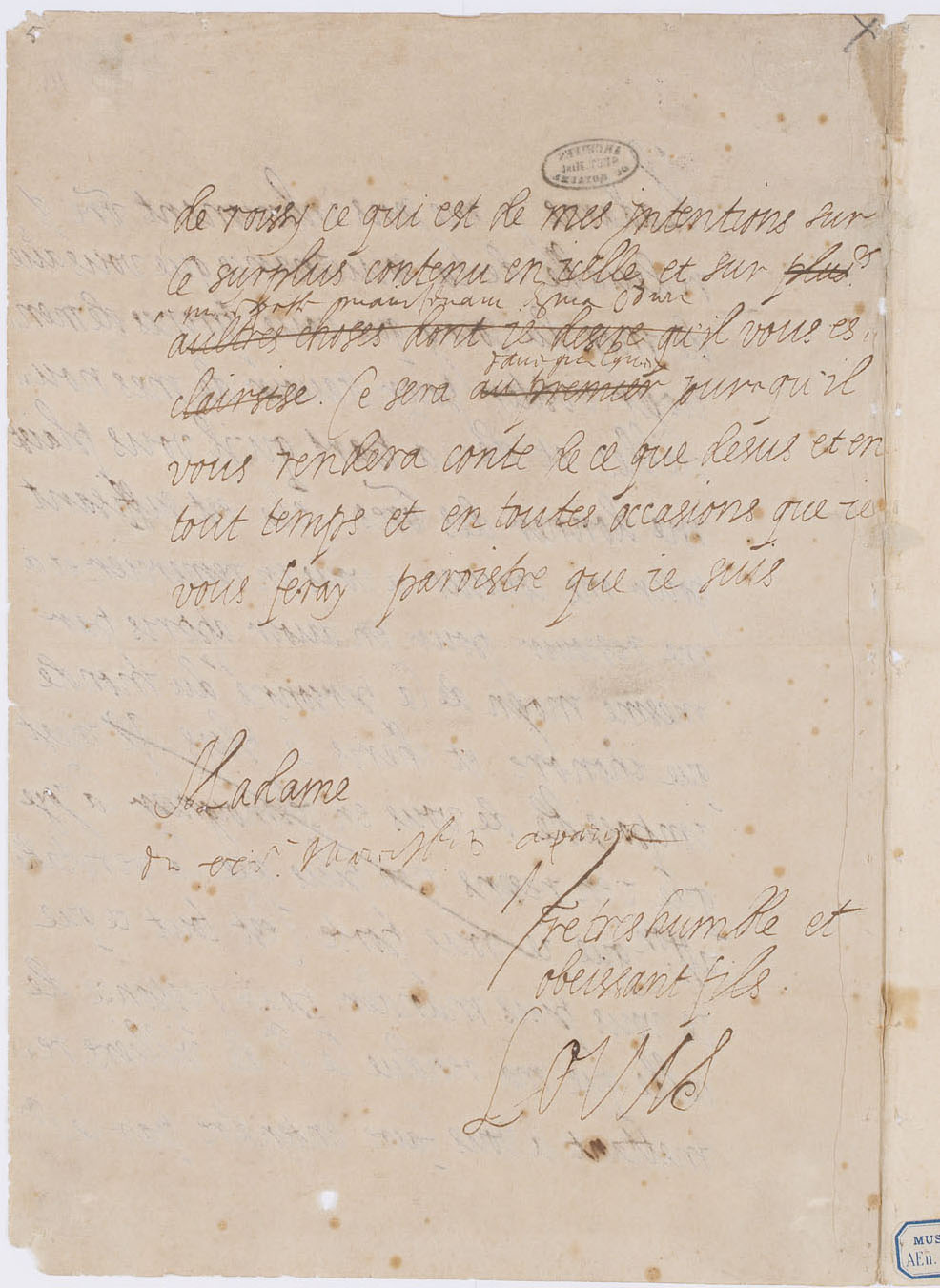
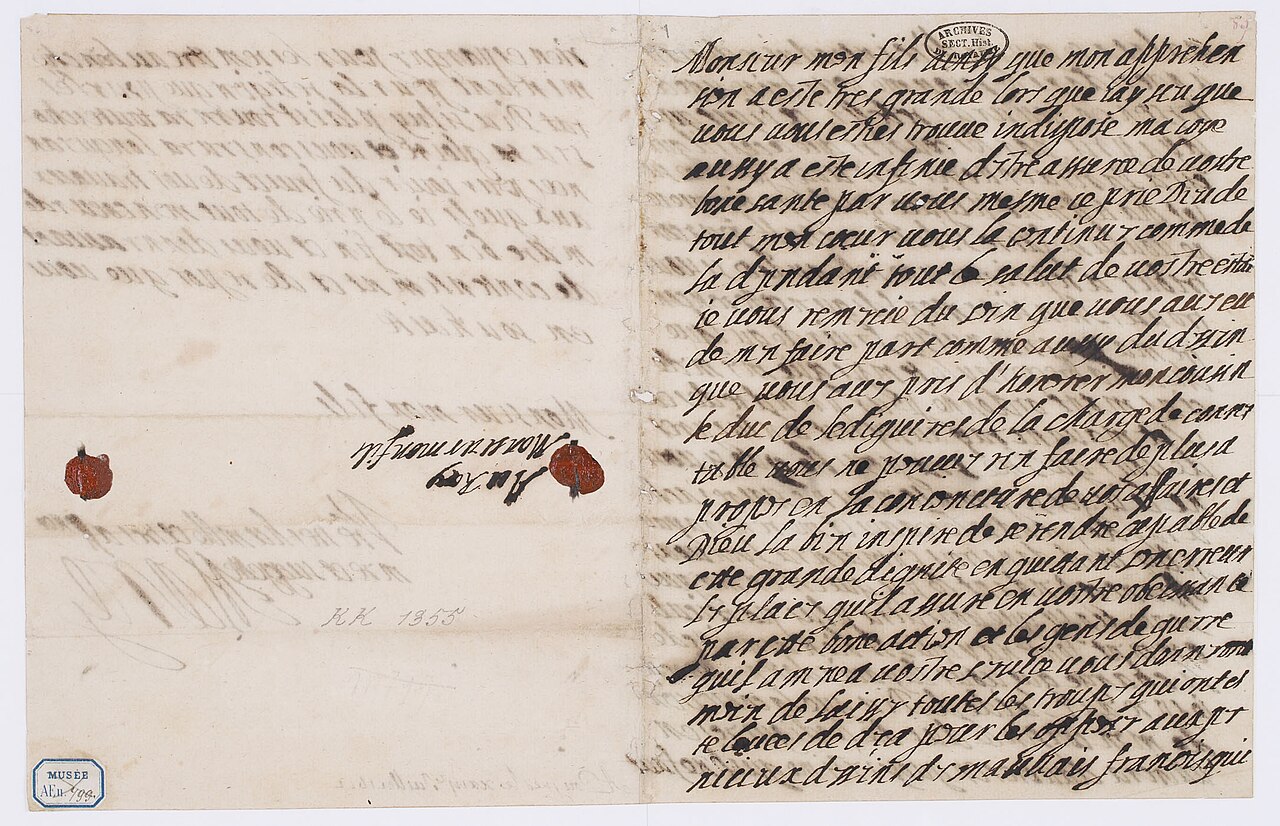
Letter of Louis XIII to Marie de' Medici
Louis XIII of France
 Painting
Primary source
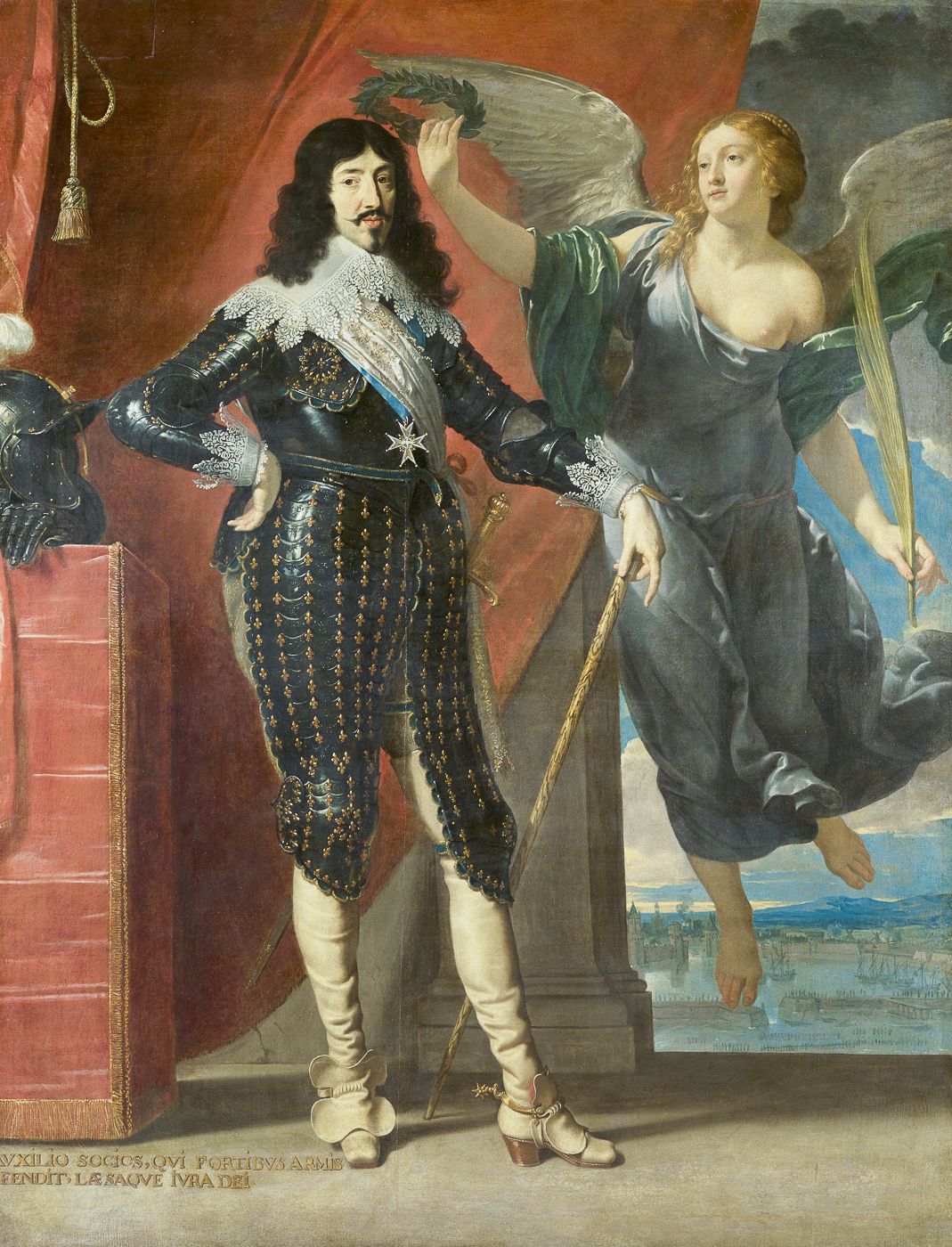
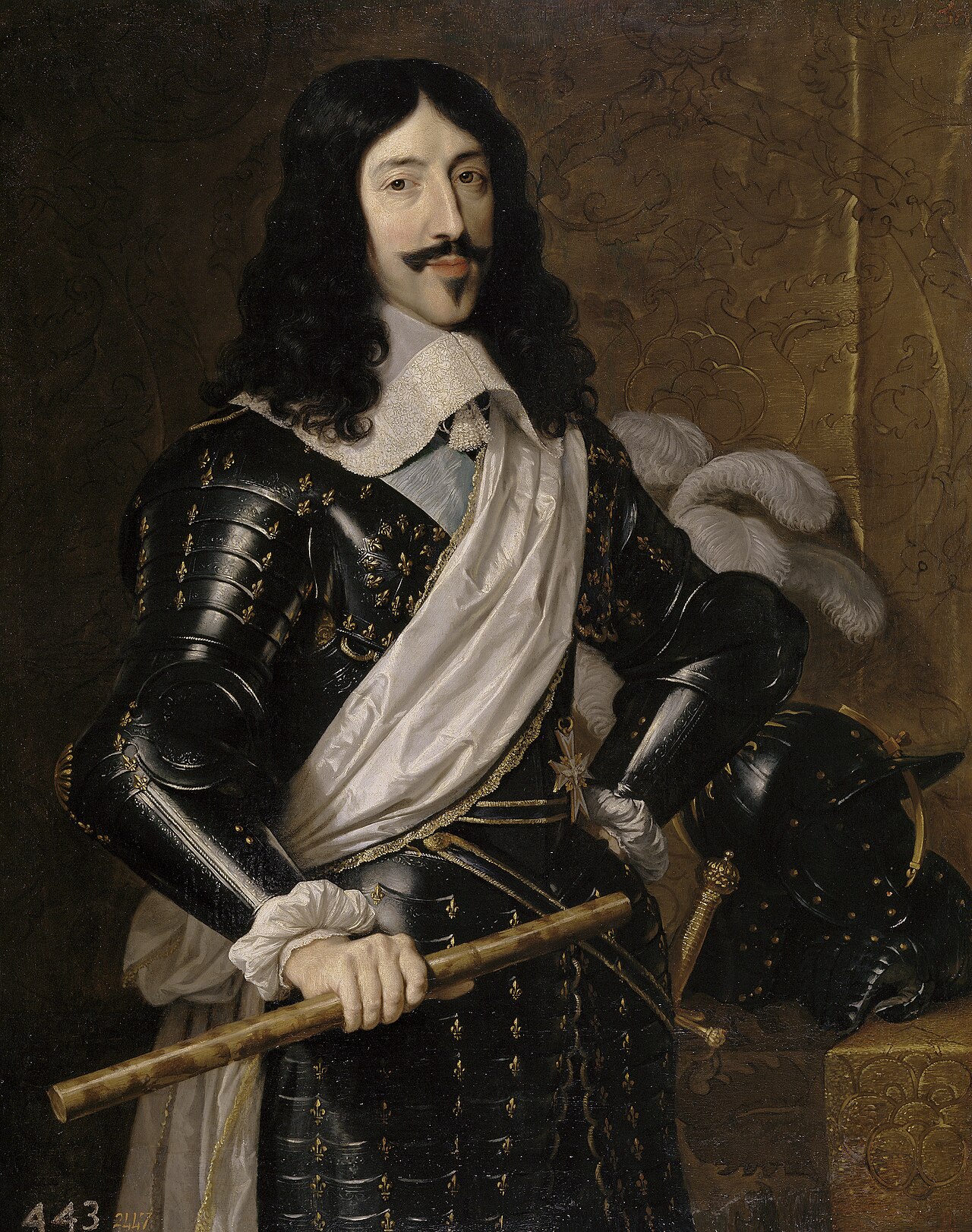
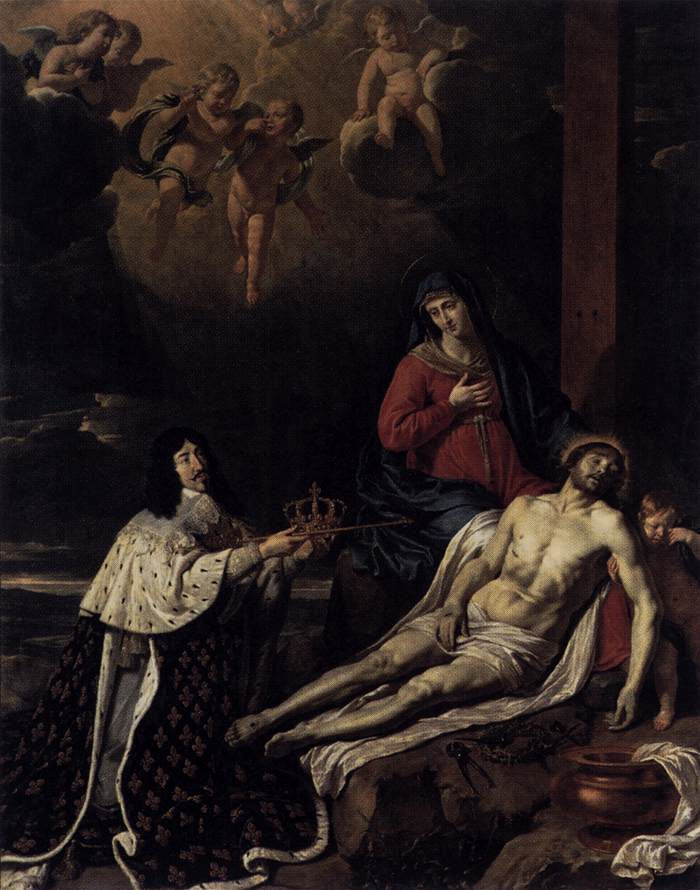
Louis XIII Crowned by Victory
Philippe de Champaigne · 1635
 Artifact
Primary source
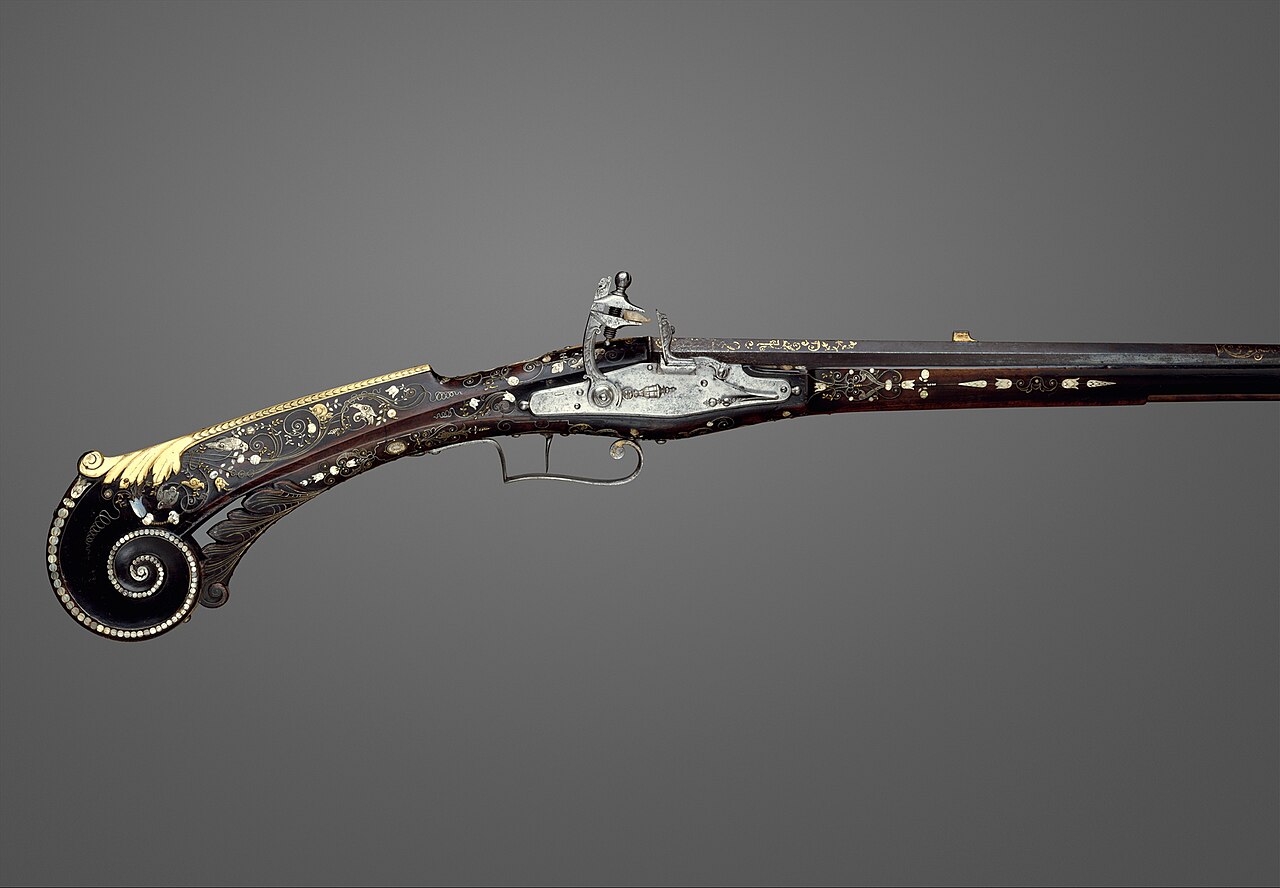
Flintlock Gun of Louis XIII
1620
Free account
Read every Louis XIII source
Sign up free →
Ready when you are
Start chatting with Louis XIII now.
20 messages free · No credit card · Available in 50+ languages.