


Primary sourcePainting1629
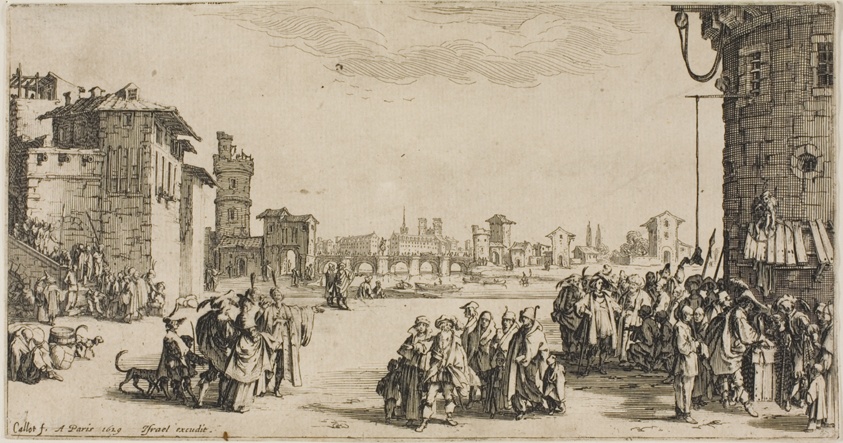
The Slave Market
Jacques Callot · 1629
A 1629 etching by Jacques Callot showing a crowded market square, used here as general context for the slave trade of Benkos Biohó's era.
A general depiction of slavery from Benkos Biohó's era, showing the wider world of the slave trade he was subjected to.
About this source
What it is
An etching made in 1629 by the French printmaker Jacques Callot, titled The Slave Market. It shows a crowd gathered in a town square with towers and buildings in the background. The print is held by the Art Institute of Chicago.
Why it matters
This print was made during the same general period as the life of Benkos Biohó, who was enslaved and brought to the Kingdom of New Granada. It does not depict him, Cartagena, or the transatlantic slave trade specifically, but it shows how slavery and the buying and selling of people appeared as a subject in European art of the early 1600s, reflecting attitudes of the era Callot and his contemporaries lived in.
Look closer
- What does the composition suggest about who the artist thought was important in the scene?
- Why might an artist in France choose to depict a slave market in this period?
- What does this image leave out about the experience of enslaved people themselves?
This painting is part of the curated material that grounds the AI version of Benkos Biohó on Humy.ai — when students ask about related events, the AI can quote it and cite it.
More Benkos Biohó sources
Browse all 14 →Secondary source
Noticias historiales de las conquistas de Tierra Firme en las Indias Occidentales
Pedro Simón · 1627
 Photograph
Secondary source
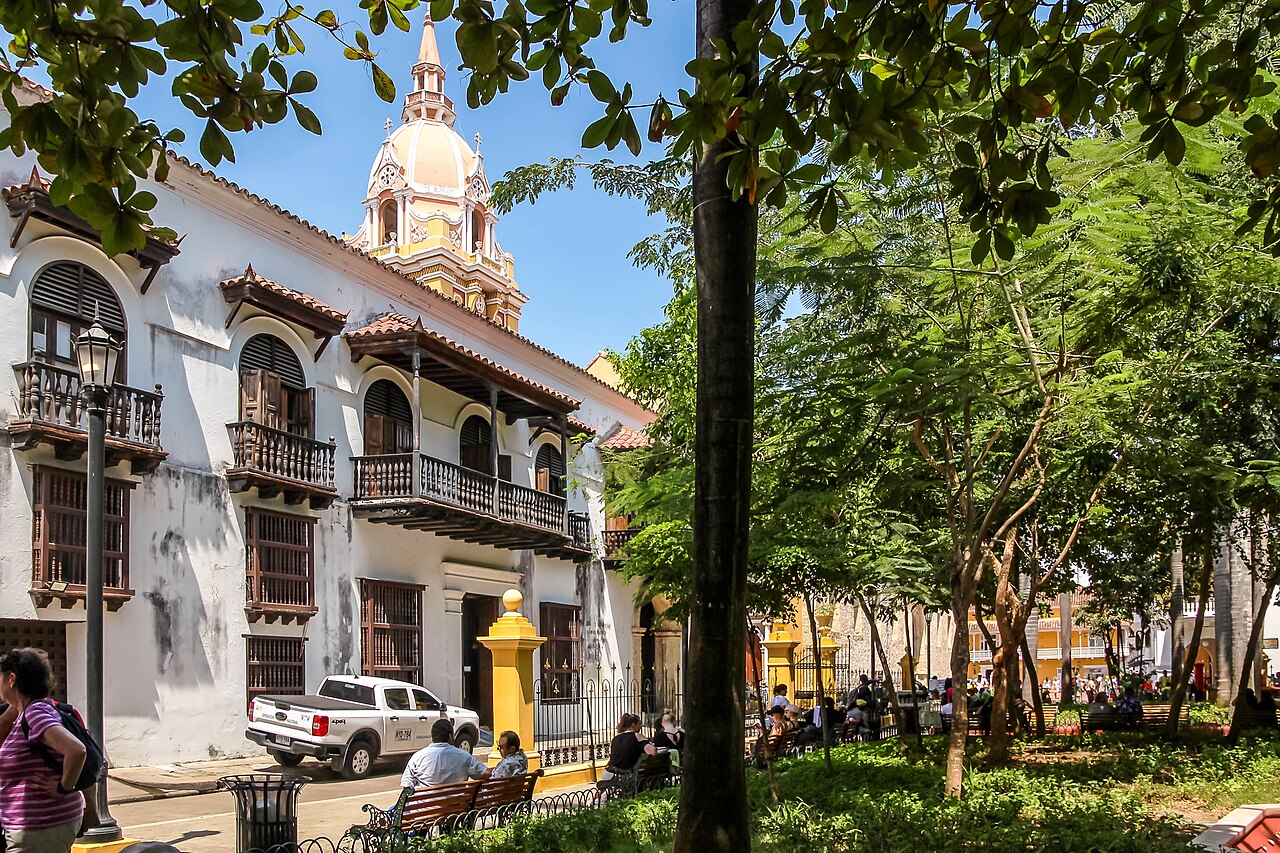
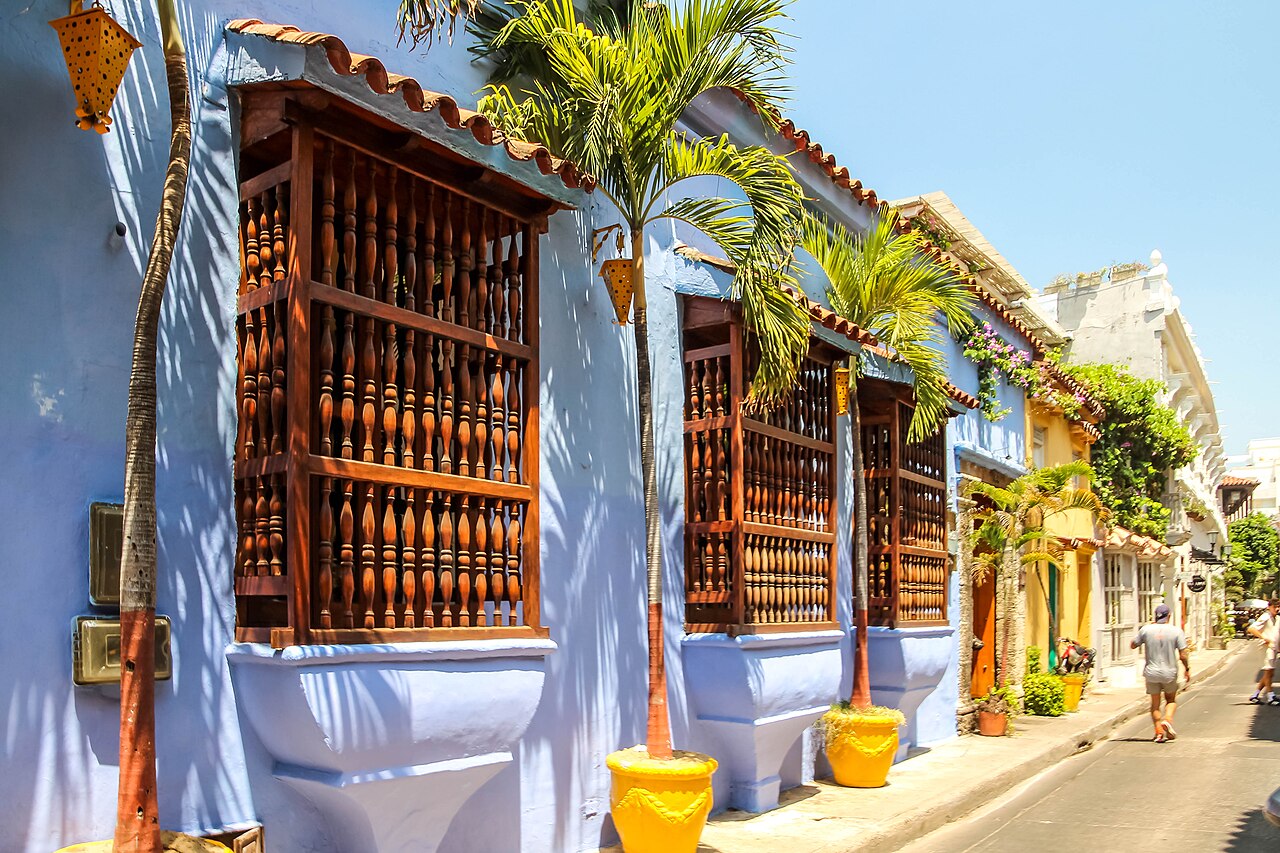
Cartagena, Colombia
Dr. Thomas Liptak · 20 March 2025
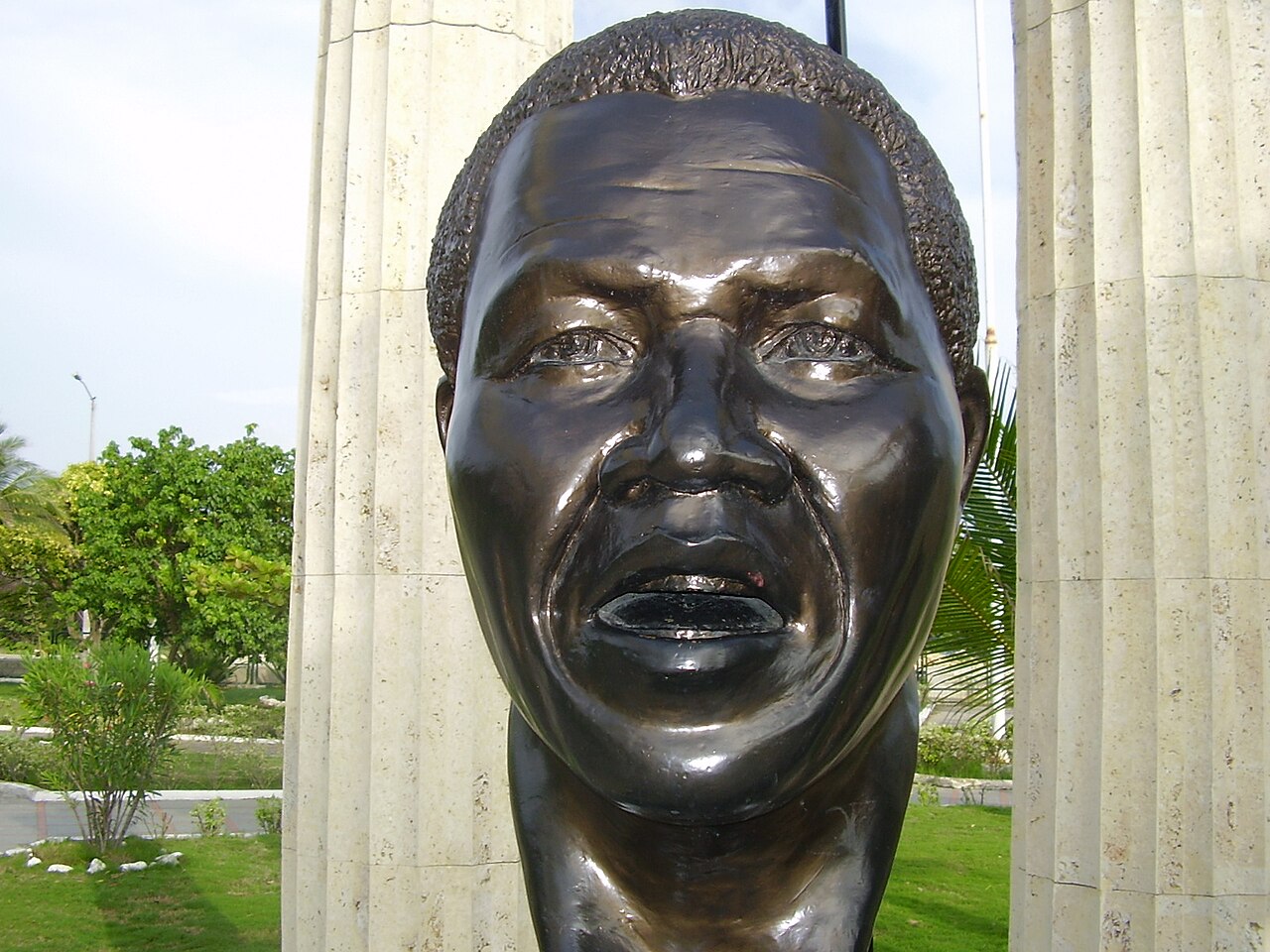
 Sculpture
Secondary source
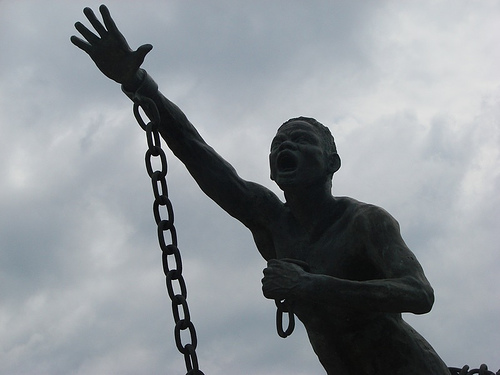
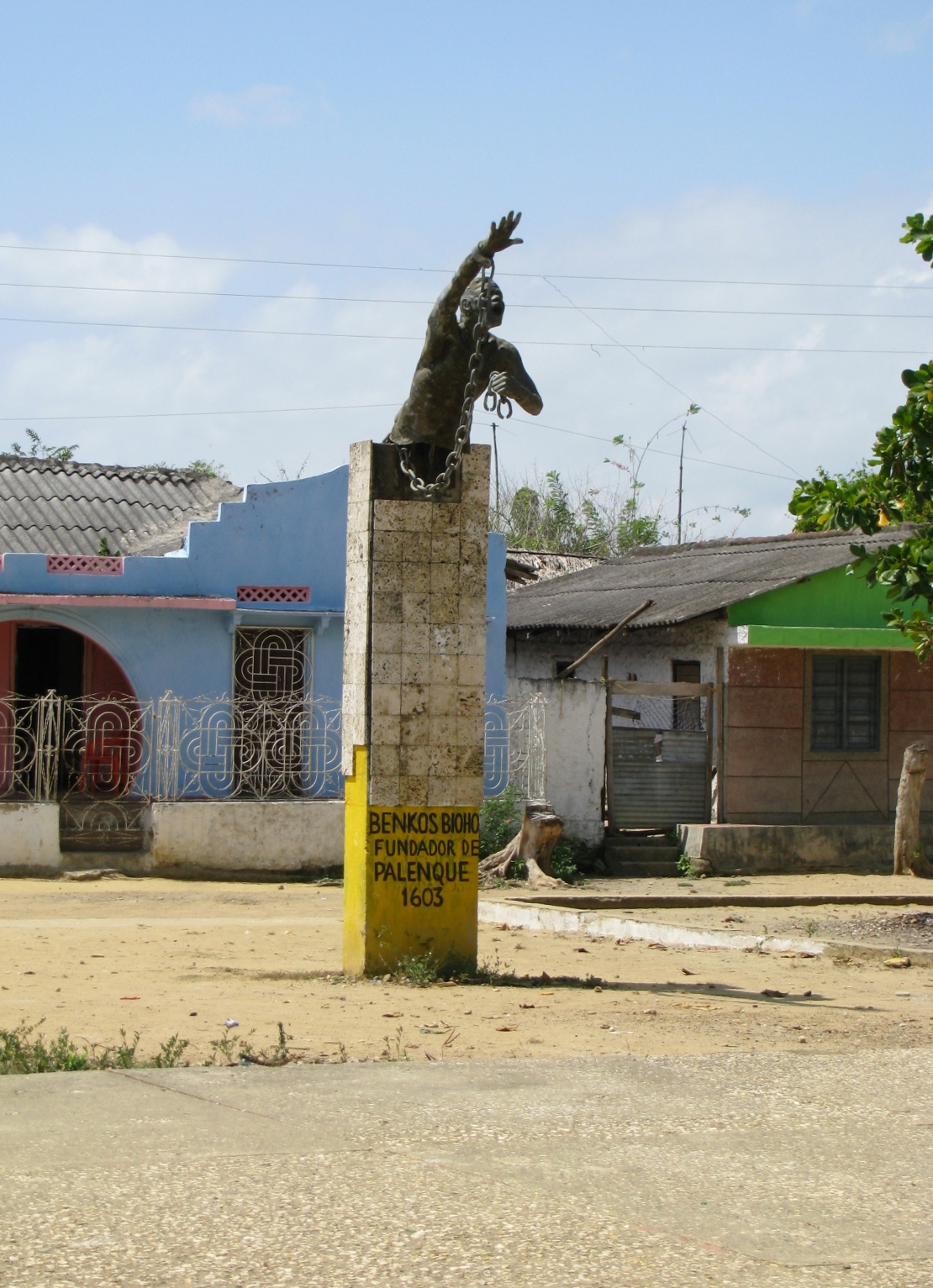
Statue of Benkos Bioho, Palenque
 Photograph
Secondary source
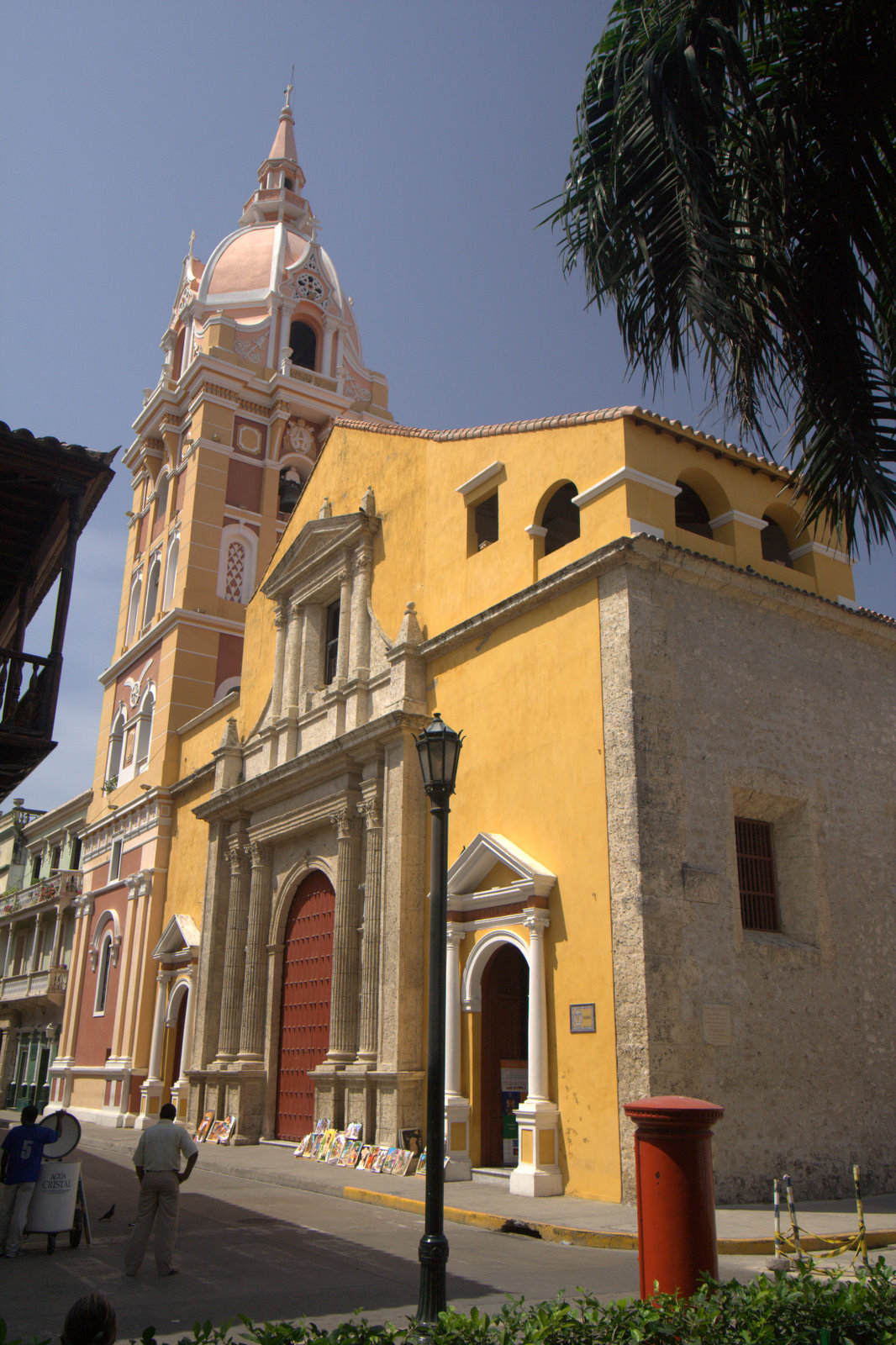
Facade of Cartagena Cathedral
Ryan · 10 May 2008
Free account
Read every Benkos Biohó source
Sign up free →
Ready when you are
Start chatting with Benkos Biohó now.
20 messages free · No credit card · Available in 50+ languages.