


Primary sourceBook1900
The Slavery of Our Times
Leo Tolstoy · 1900
Leo Tolstoy's 1900 essay attacking the exploitation of labour and arguing for non-resistance and social change.
This essay is one of Tolstoy's own writings, showing his later turn to social and political philosophy.
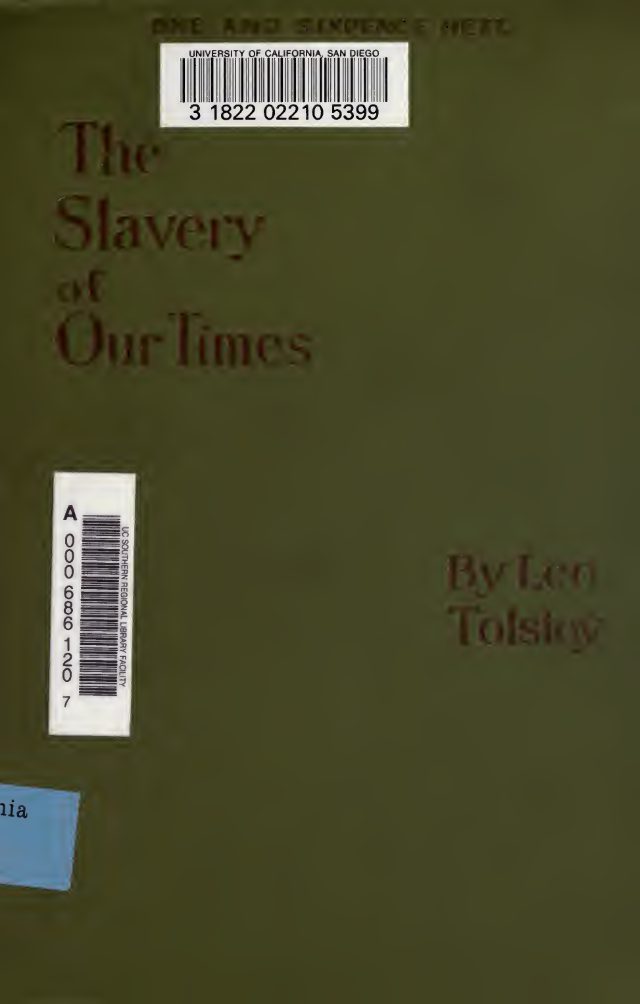 PDF · 138 pages
About this source
What it is
This is a printed book, an essay written by Leo Tolstoy and published in 1900. It discusses working-class life, the labour movement, poverty, and non-resistance to evil, reflecting Tolstoy's developing ideas on anarchism and social reform.
Why it matters
Written in his later years, this essay shows Tolstoy as a moral and political thinker, not only a novelist. It reflects his turn toward Christian anarchism, his criticism of modern economic systems, and his influence on later thinkers interested in non-violent resistance.
Look closer
- What does the title suggest about Tolstoy's view of working people's lives?
- Why might a famous novelist choose to write essays about labour and poverty instead of fiction?
- What does the scanned library copy, with its stamps and markings, tell you about how this text has travelled and been preserved over time?
This book is part of the curated material that grounds the AI version of Leo Tolstoy on Humy.ai — when students ask about related events, the AI can quote it and cite it.
More Leo Tolstoy sources
Meet the AI Leo Tolstoy →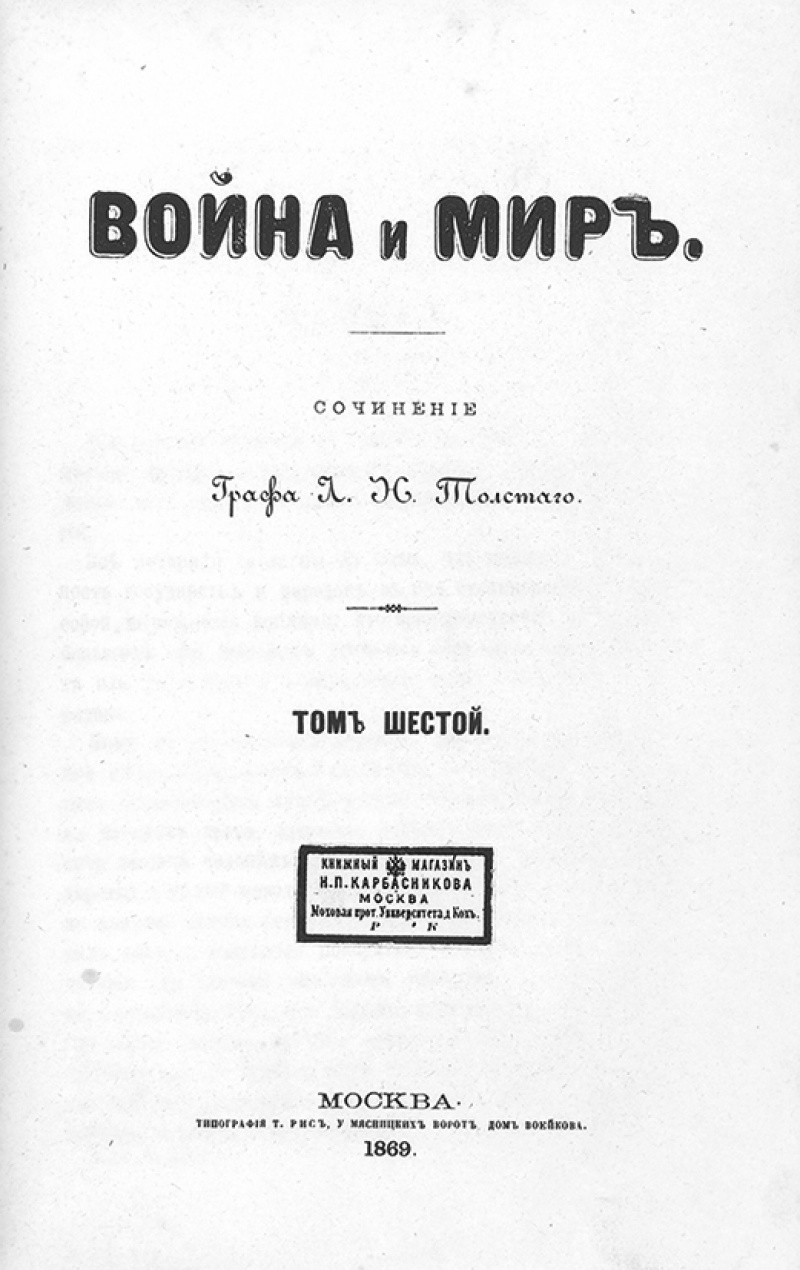 Book
Primary source
War and Peace
Leo Tolstoy · 1863–1869
 Photograph
Secondary source
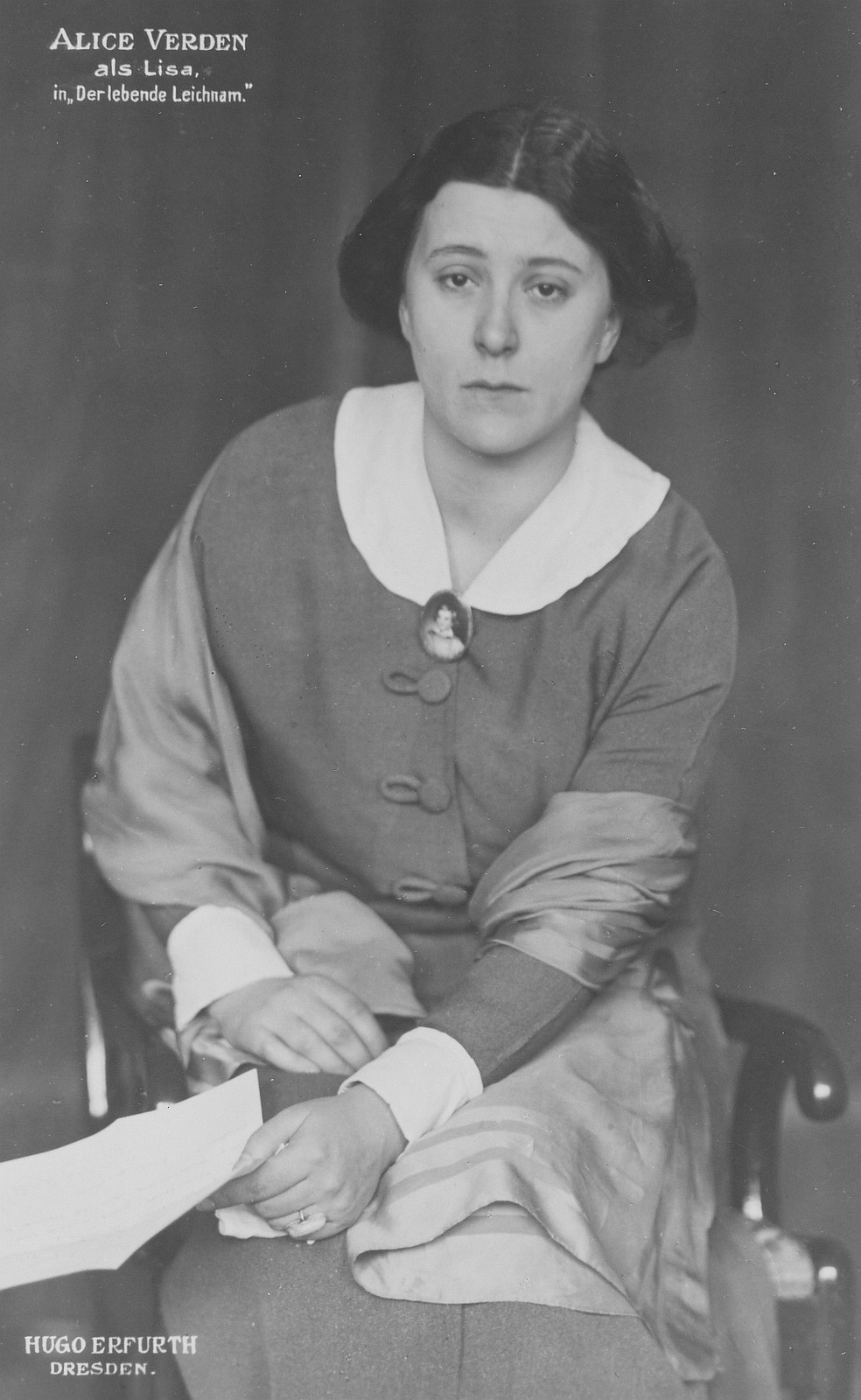
Alice Verden as Lisa in The Living Corpse
Hugo Erfurth · 23 December 1913
 Book
Primary source
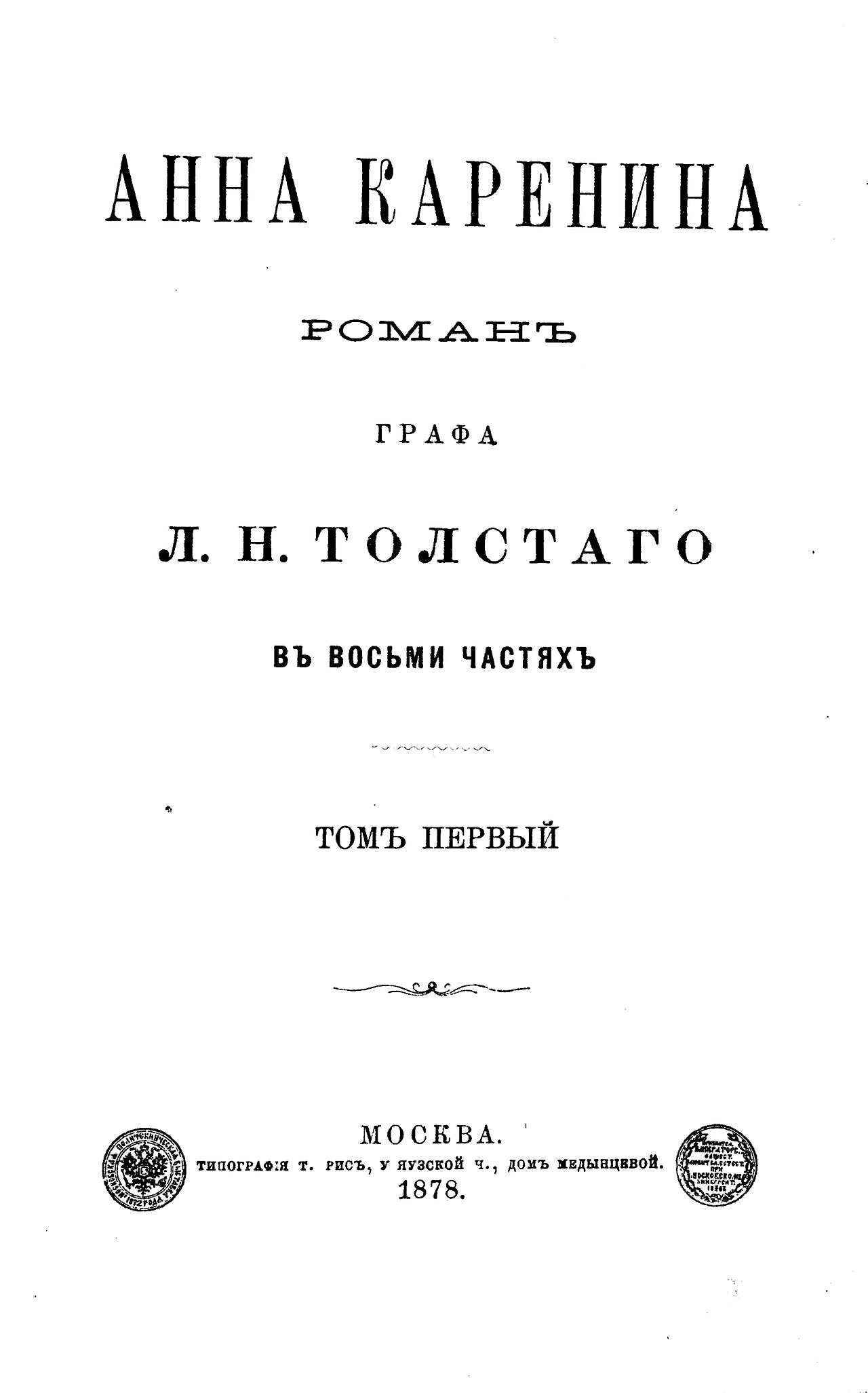
Anna Karenina
Leo Tolstoy · 1875–1878
 Book
Primary source
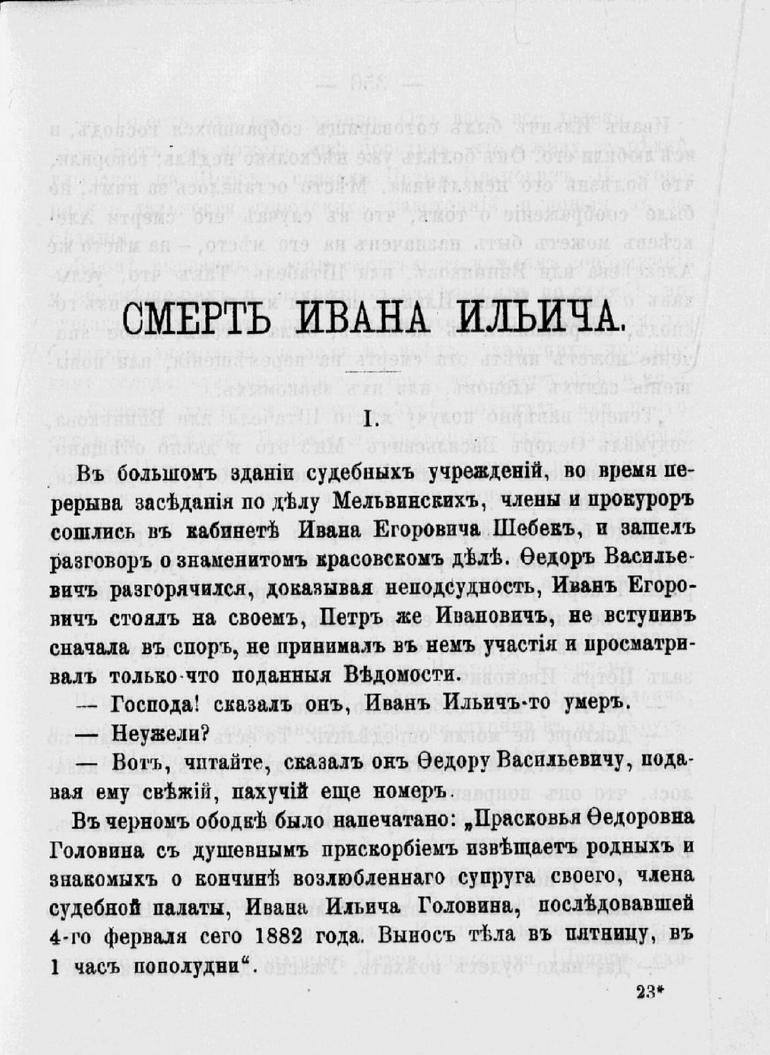
The Death of Ivan Ilyich
Leo Tolstoy · 1886 (written 1882)
Primary source
A Confession
Leo Tolstoy · written 1879–1880, published 1882
Ready when you are
Start chatting with Leo Tolstoy now.
20 messages free · No credit card · Available in 50+ languages.