


Primary sourcePainting1914
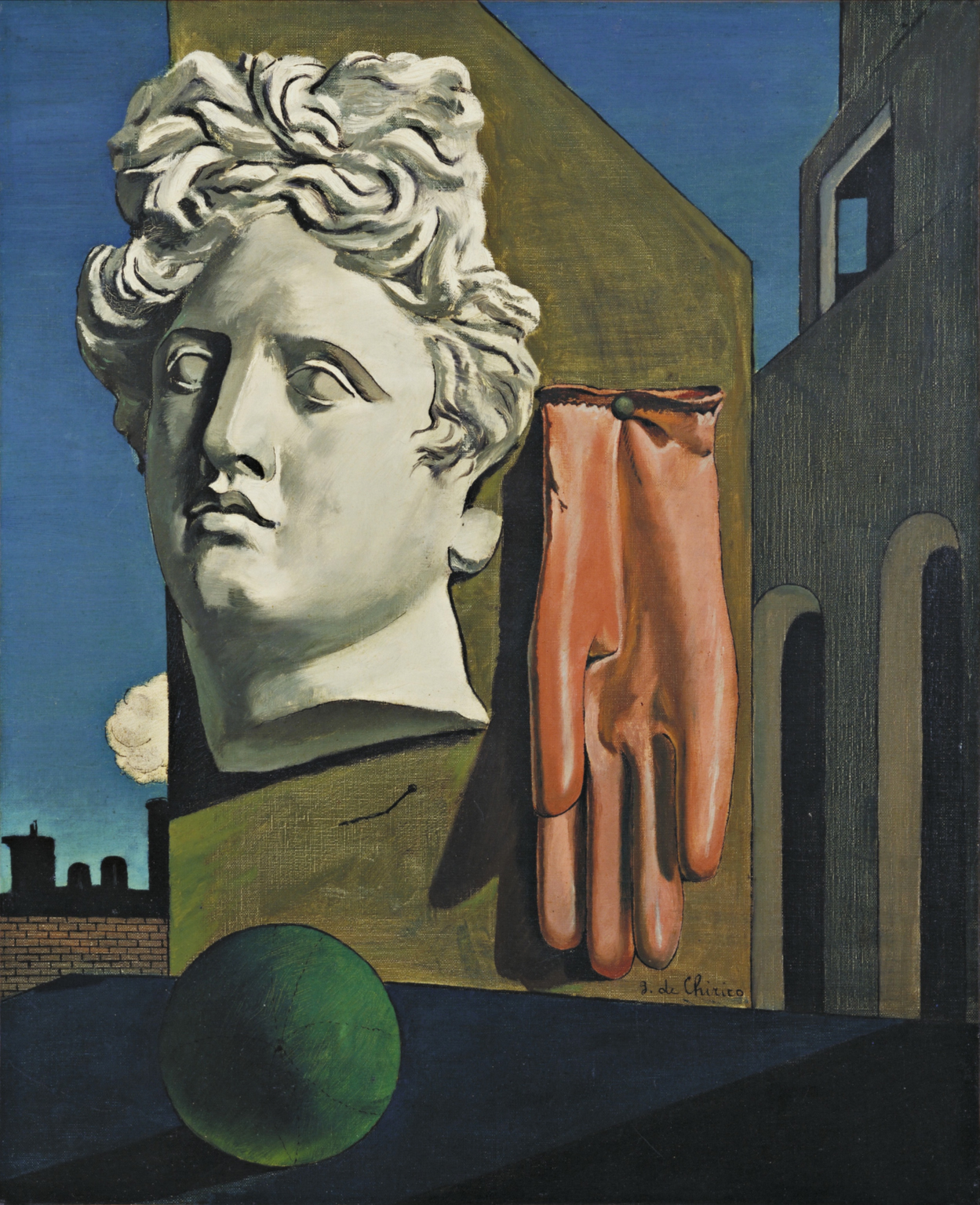
The Song of Love
Giorgio de Chirico · 1914
Giorgio de Chirico's 1914 painting that, seen in reproduction, moved Magritte to tears in 1922 and turned him toward surrealism.
Seeing a reproduction of this painting in 1922 reportedly moved Magritte to tears and turned him toward surrealism.
About this source
What it is
This 1914 painting by Italian painter Giorgio de Chirico shows a classical sculpted head, a red rubber glove, and a green ball mounted on a wall, with a locomotive on the horizon and buildings behind. It is held at the Museum of Modern Art.
Why it matters
Painted a decade before surrealism was formally founded, the work belongs to de Chirico's pre-surrealist 'metaphysical art' style, which placed strange, unrelated objects together to create a dreamlike unease. According to the curator's note, a reproduction of this very painting moved René Magritte to tears in 1922 and pushed him toward surrealism, making it a key influence behind his later career.
Look closer
- What makes the combination of objects in this painting feel strange or dreamlike?
- Why might a reproduction of a painting have as strong an effect as seeing the original?
- Can you find echoes of de Chirico's strange object pairings in Magritte's own paintings?
This painting is part of the curated material that grounds the AI version of René Magritte on Humy.ai — when students ask about related events, the AI can quote it and cite it.
More René Magritte sources
Browse all 18 →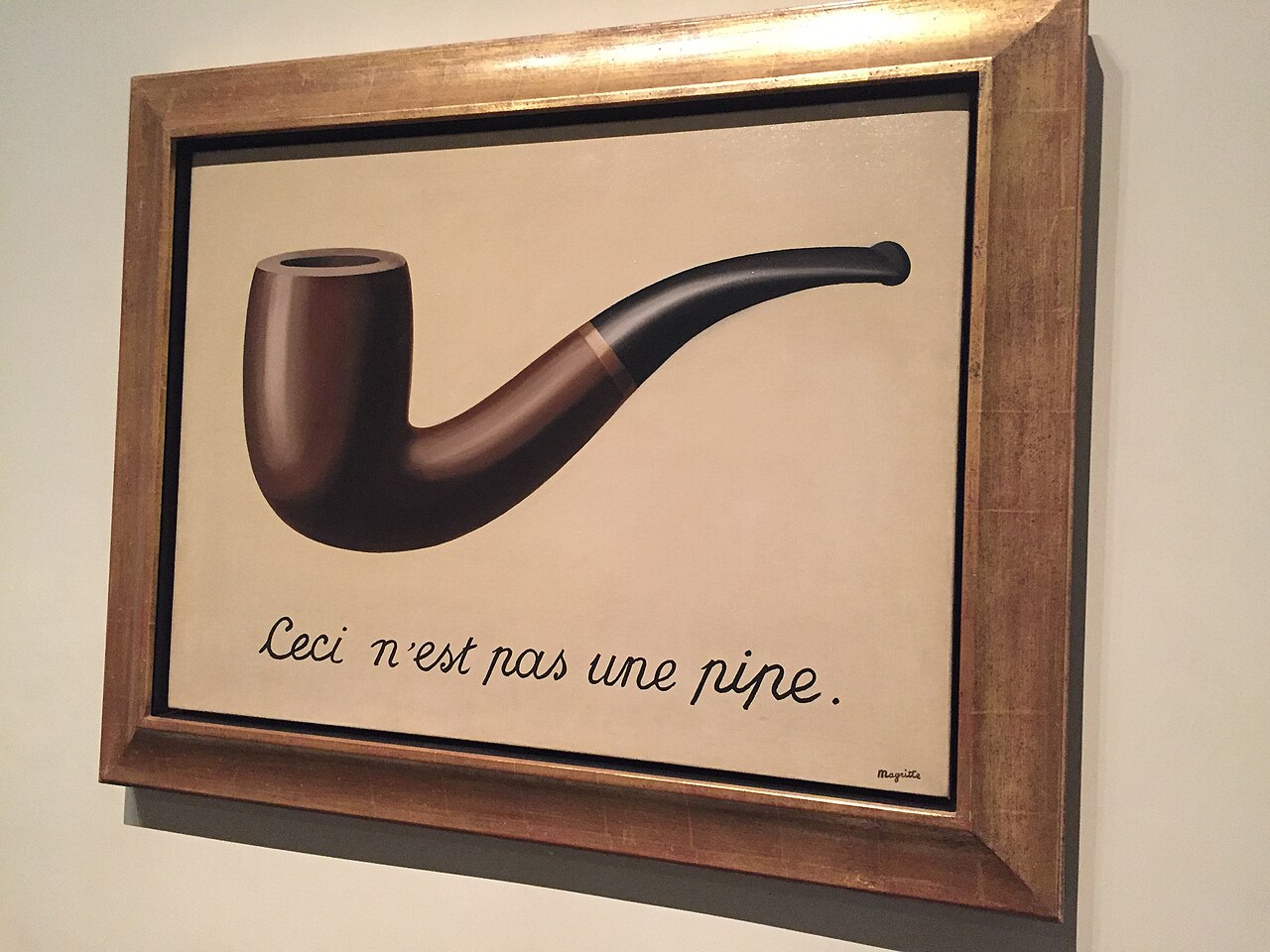 Painting
Primary source
The Treachery of Images
René Magritte · 1929
 Photograph
Primary source
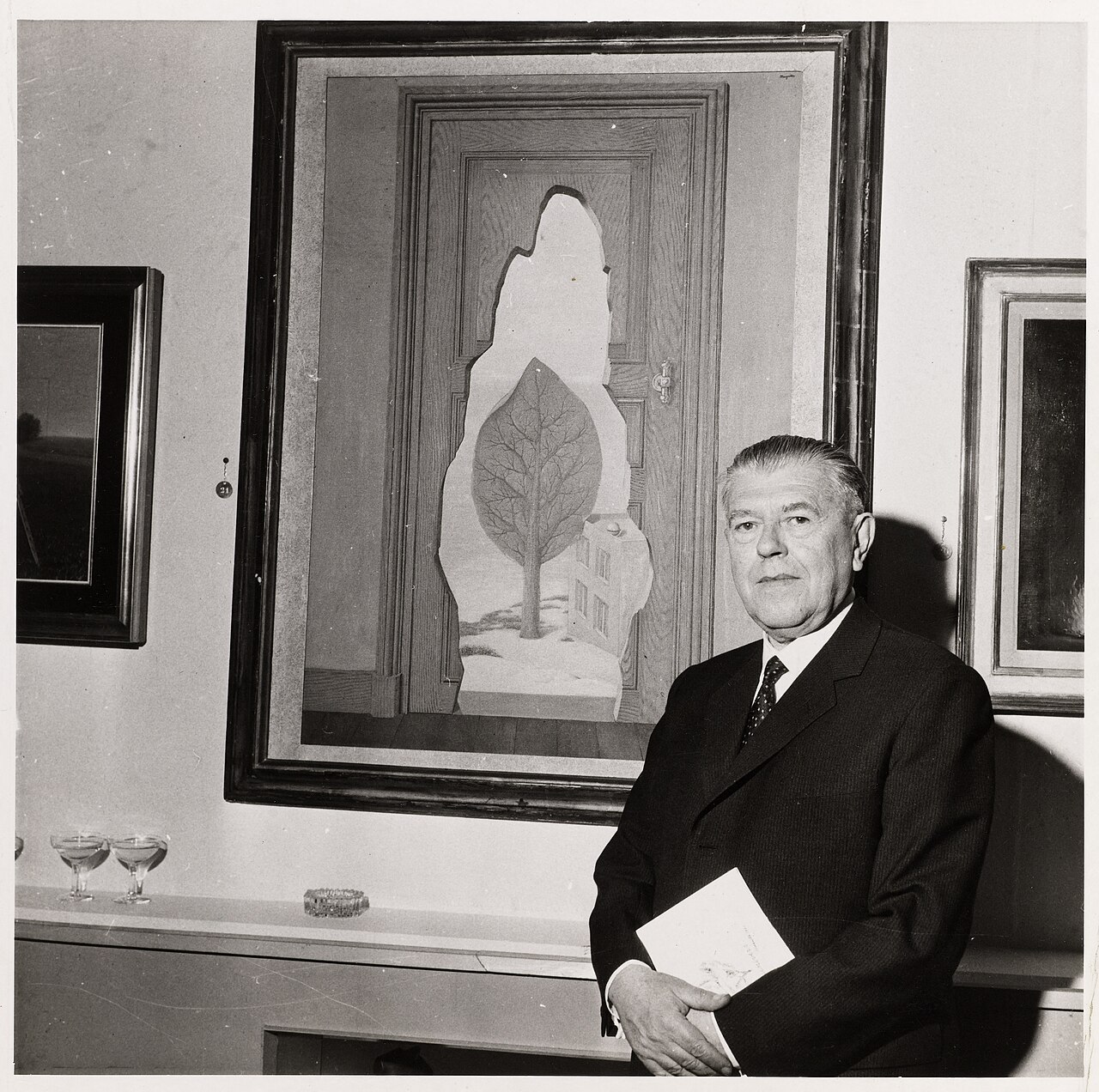
Portrait of René Magritte before La Perspective amoureuse, 1961
18 October 1961
 Photograph
Primary source
René Magritte by Lothar Wolleh
Lothar Wolleh
 Photograph
Primary source
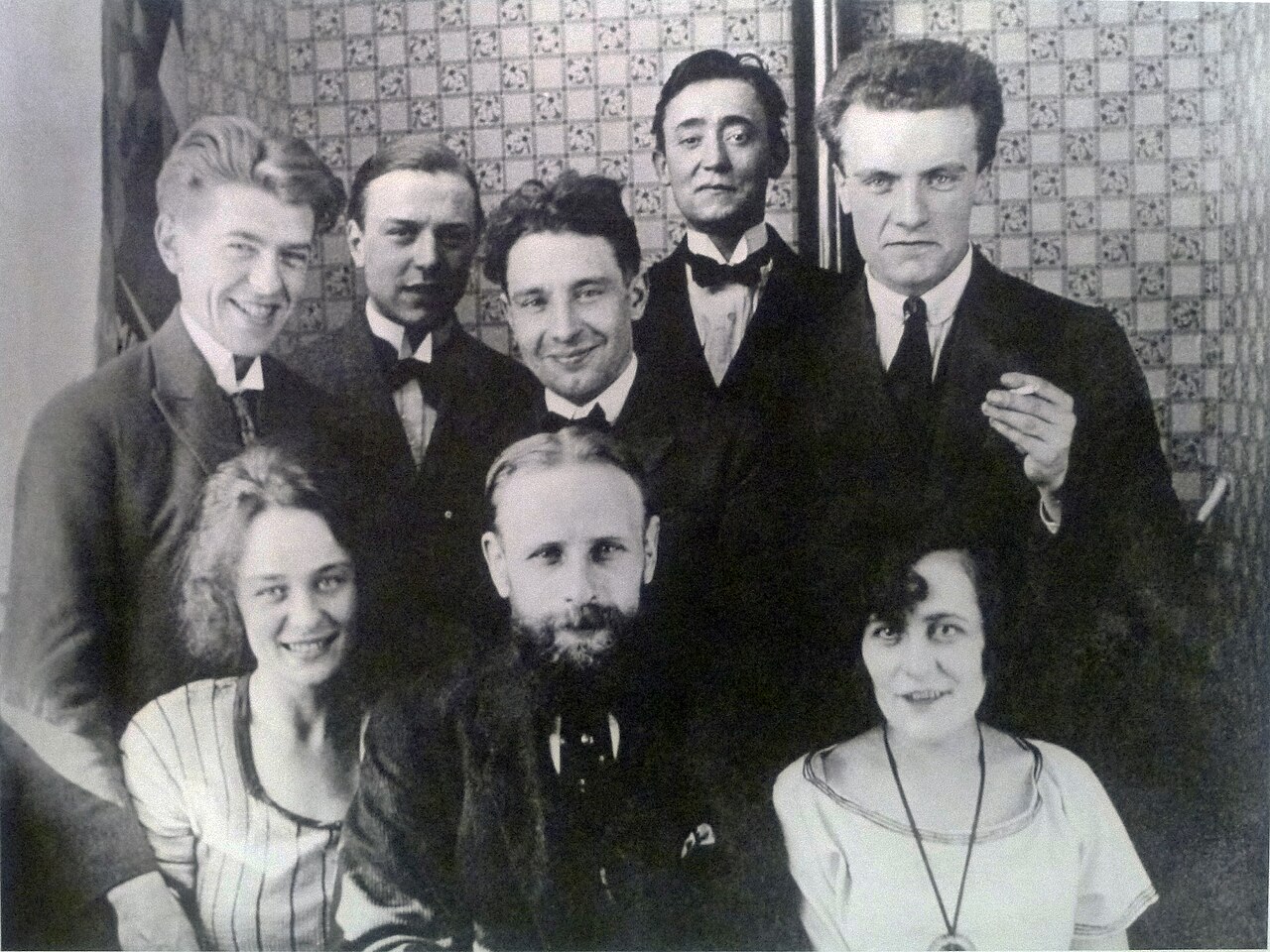
Belgian artists at the home of Victor Servranckx, June 1922
June 1922


Free account
Read every René Magritte source
Sign up free →
Ready when you are
Start chatting with René Magritte now.
20 messages free · No credit card · Available in 50+ languages.