


Primary sourceBook1837
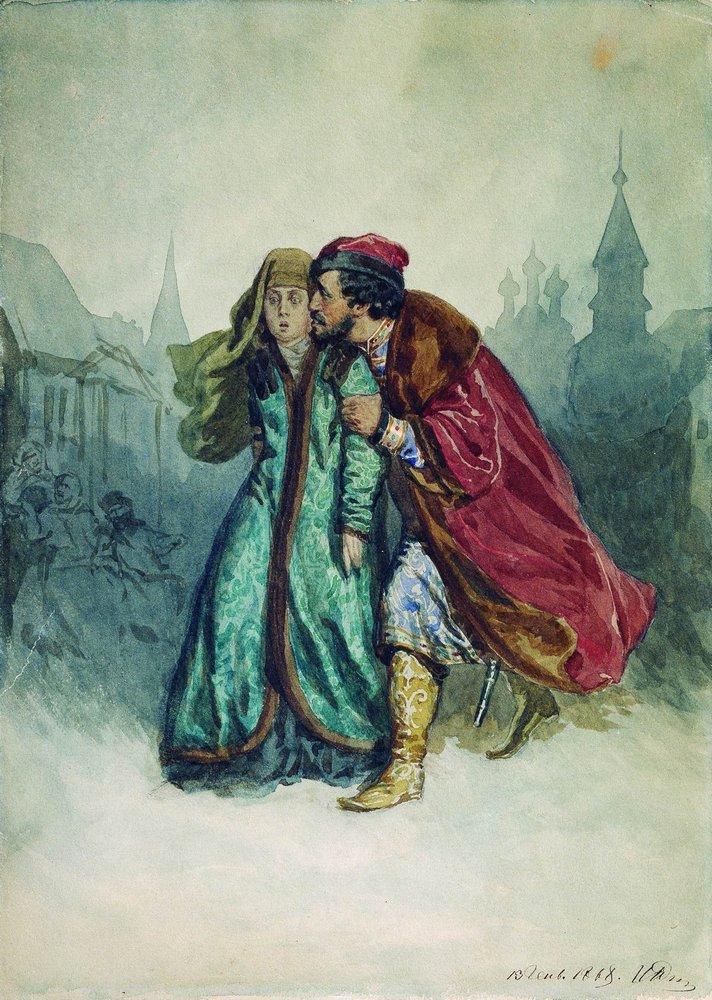
The Song of the Merchant Kalashnikov
Mikhail Lermontov · 1837
A narrative poem by Lermontov, styled on Russian folk epic, set in the time of Ivan the Terrible.
Lermontov composed this folk-style epic poem, reflecting his turn to Russian history and themes of honour.
Free Humy account · No credit card · 120,912 sources to read
About this source
What it is
This poem was written by Mikhail Lermontov in 1837 and first published in 1838. It imitates the rhythm of the bylina, the traditional Russian folk epic, and tells of a fistfight between the merchant Kalashnikov and the oprichnik Kiribeevich under Tsar Ivan the Terrible.
Why it matters
The poem shows Lermontov turning to Russian national history and folk forms rather than the Western Romantic styles he had used earlier. The story deals with honour, the abuse of power by a tsar's favourite, and a commoner's defiance, themes that resonated with readers in the restrictive atmosphere of Nicholas I's Russia. It has since inspired an opera and an early Russian film.
Look closer
- Why might Lermontov have chosen a folk-epic style and a historical setting rather than writing about his own time directly?
- What does Kalashnikov's choice to confess, rather than lie, suggest about the poem's idea of honour?
- How does the Tsar's reaction to the killing complicate the story's view of justice?
This book is part of the curated material that grounds the AI version of Mikhail Lermontov on Humy.ai — when students ask about related events, the AI can quote it and cite it.
More Mikhail Lermontov sources
Browse all 89 →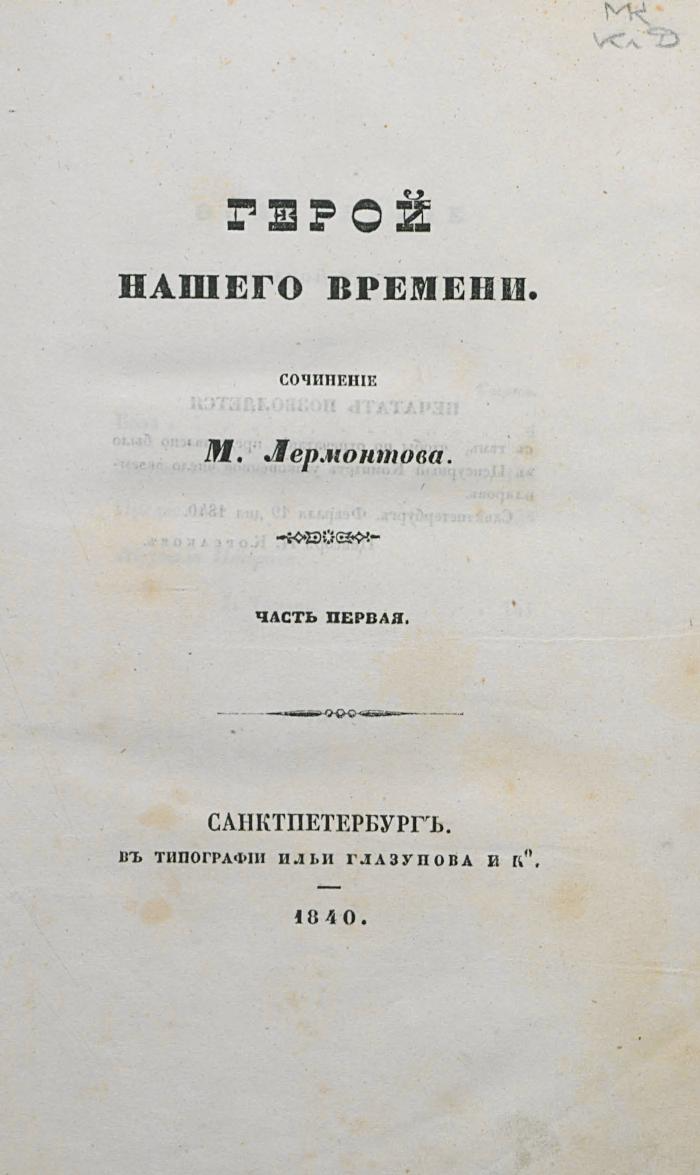 Book
Primary source
A Hero of Our Time
Mikhail Lermontov · 1840 (written 1838-1839)
 Book
Primary source
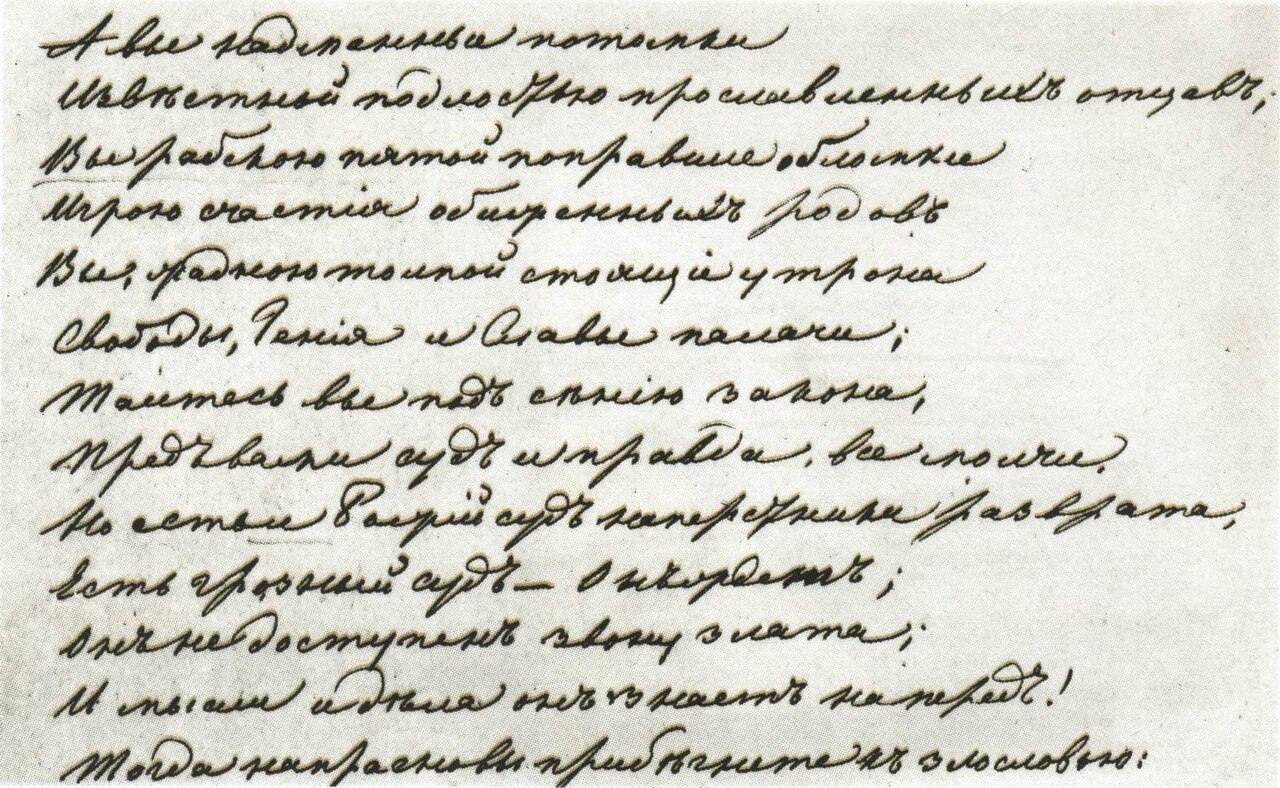
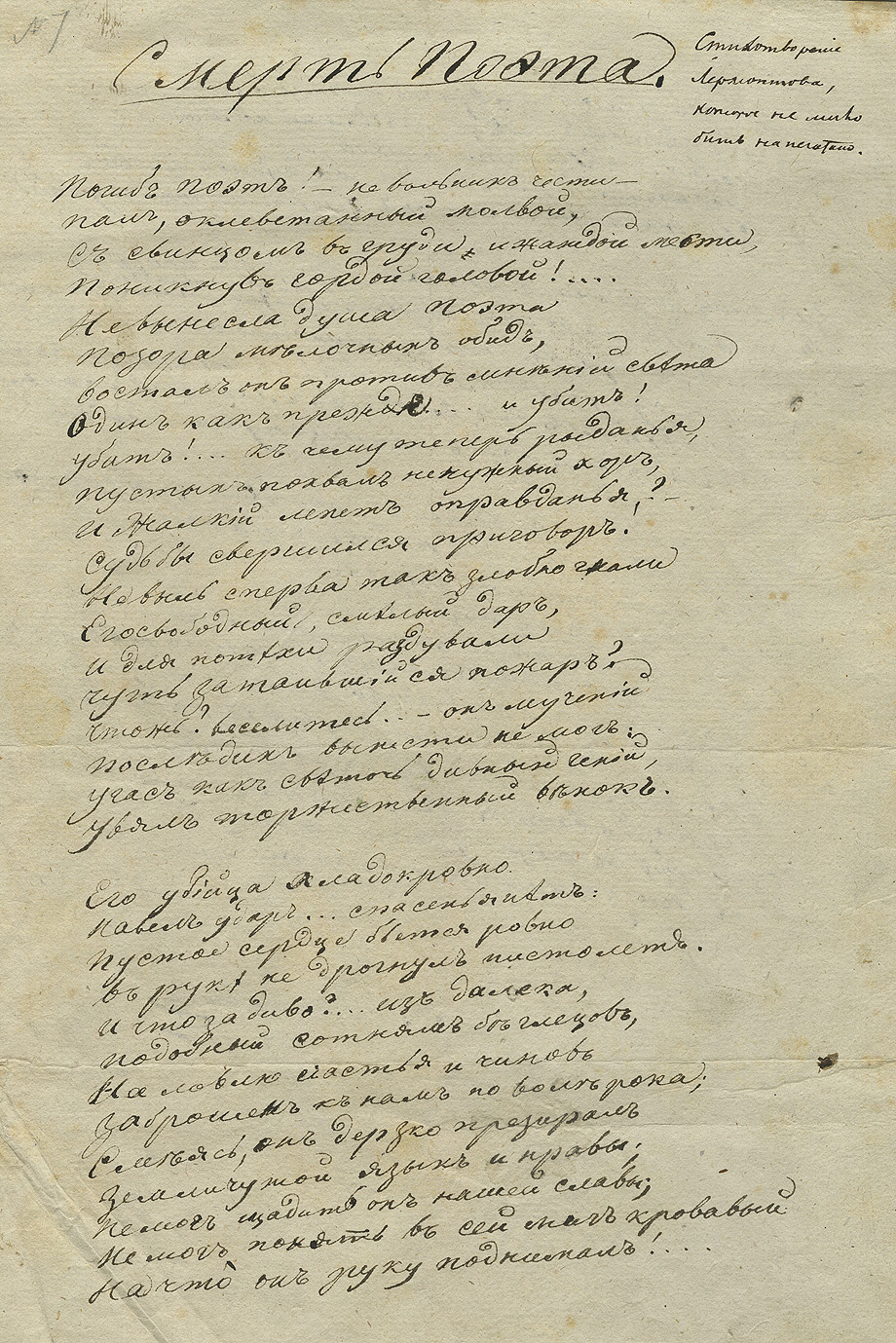
Death of the Poet
Mikhail Lermontov · 1837
 Book
Primary source
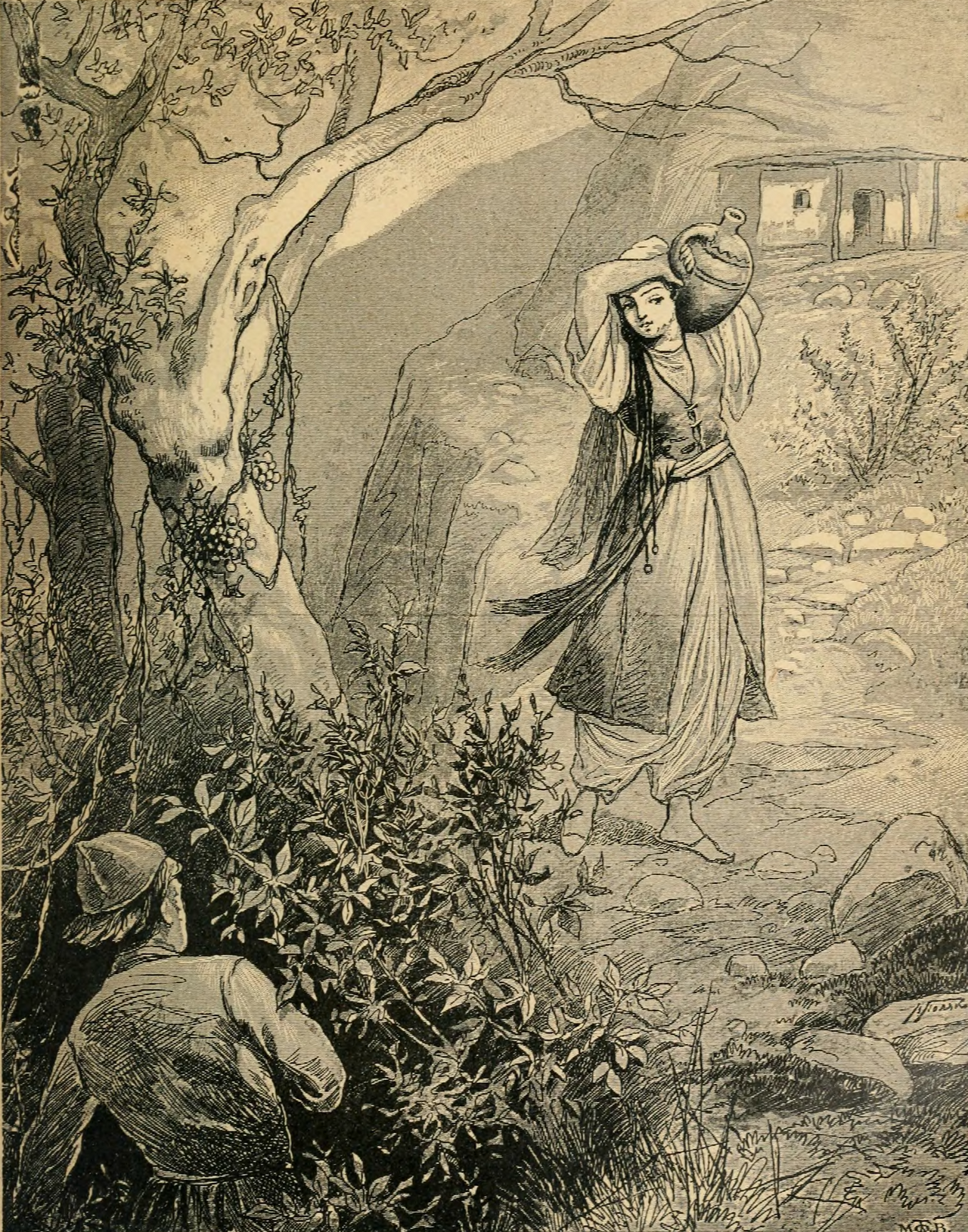
The Novice
Mikhail Lermontov · 1839, published 1840
Primary source
Demon
Mikhail Lermontov · 1829-1839, published 1842
Free account
Read every Mikhail Lermontov source
Sign up free →
Ready when you are
Start chatting with Mikhail Lermontov now.
20 messages free · No credit card · Available in 50+ languages.