


Secondary sourceArtifact1906
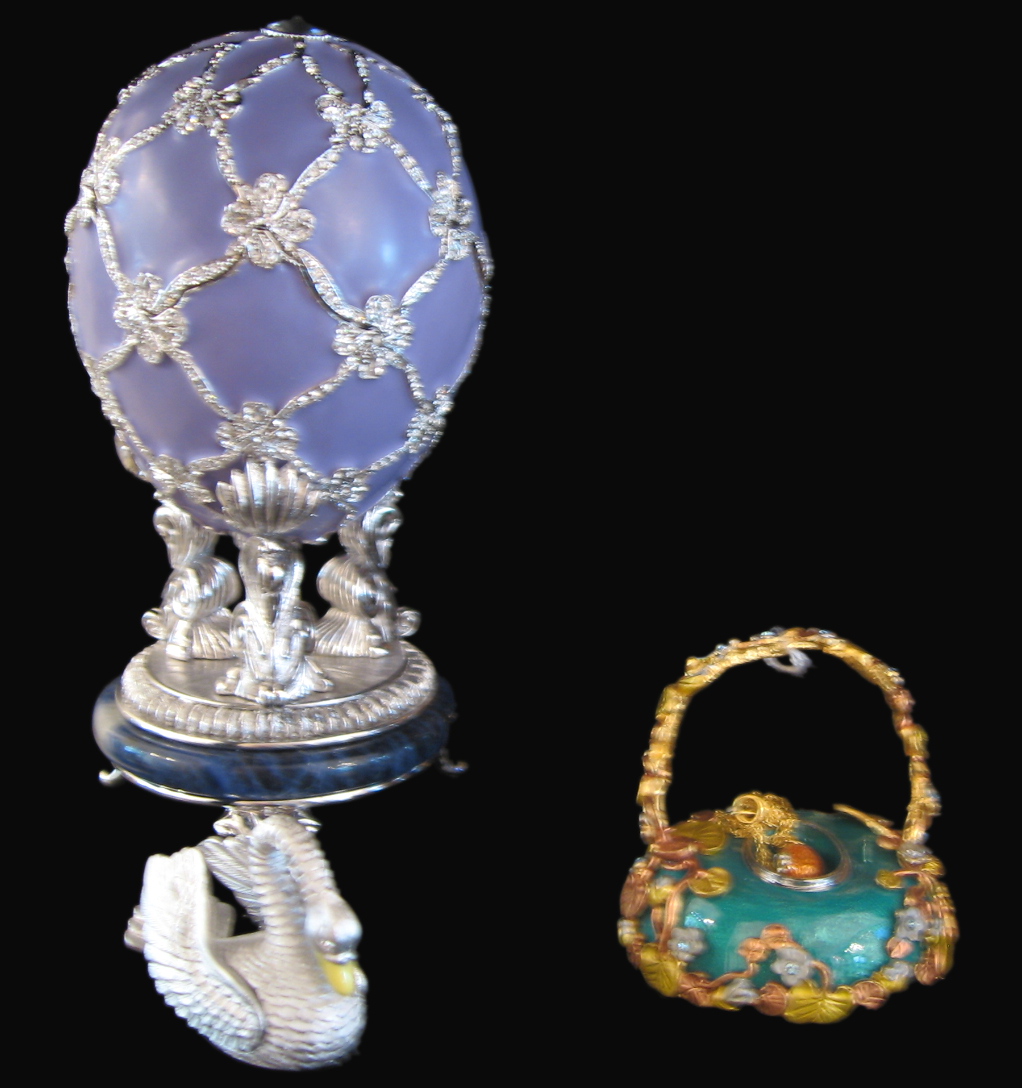
The Swan Egg
Peter Carl Fabergé · 1906
An imperial Fabergé egg made in 1906 for the Russian Dowager Empress, later purchased by King Farouk I of Egypt before his collection was sold off.
Farouk purchased this Fabergé egg in 1949, part of his famous collection sold off after his overthrow.
About this source
What it is
This jewelled egg, made in 1906 under Peter Carl Fabergé for Tsar Nicholas II as a gift to the Dowager Empress Maria Feodorovna, contains a tiny mechanical gold and silver swan. It was purchased by King Farouk I of Egypt in 1949. After Farouk's fall, it was sold in 1954 and eventually acquired by the Fondation Edouard et Maurice Sandoz in Switzerland, where it is now held.
Why it matters
The egg connects three different worlds: the Russian imperial court that commissioned it, the jeweller Fabergé who made it, and King Farouk, who collected it decades later as part of his vast personal treasures. Its sale after the revolution that ended Farouk's reign shows how his wealth was dispersed once the monarchy fell.
- What does owning an object like this suggest about Farouk's wealth and tastes?
- Why might the new Egyptian government have chosen to sell off Farouk's collection?
- What story does an object like this tell about how treasures move between rulers and empires?
This artifact is part of the curated material that grounds the AI version of Farouk of Egypt on Humy.ai — when students ask about related events, the AI can quote it and cite it.
More Farouk of Egypt sources
Browse all 90 →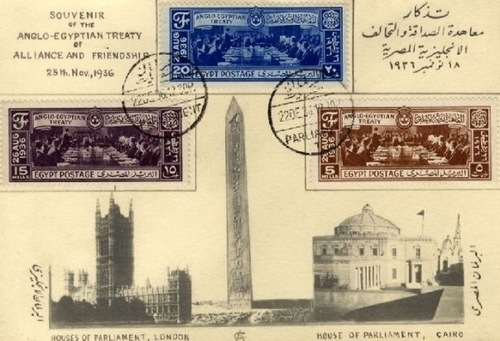 Document
Primary source
Anglo-Egyptian Treaty of 1936
26 August 1936
 Photograph
Primary source
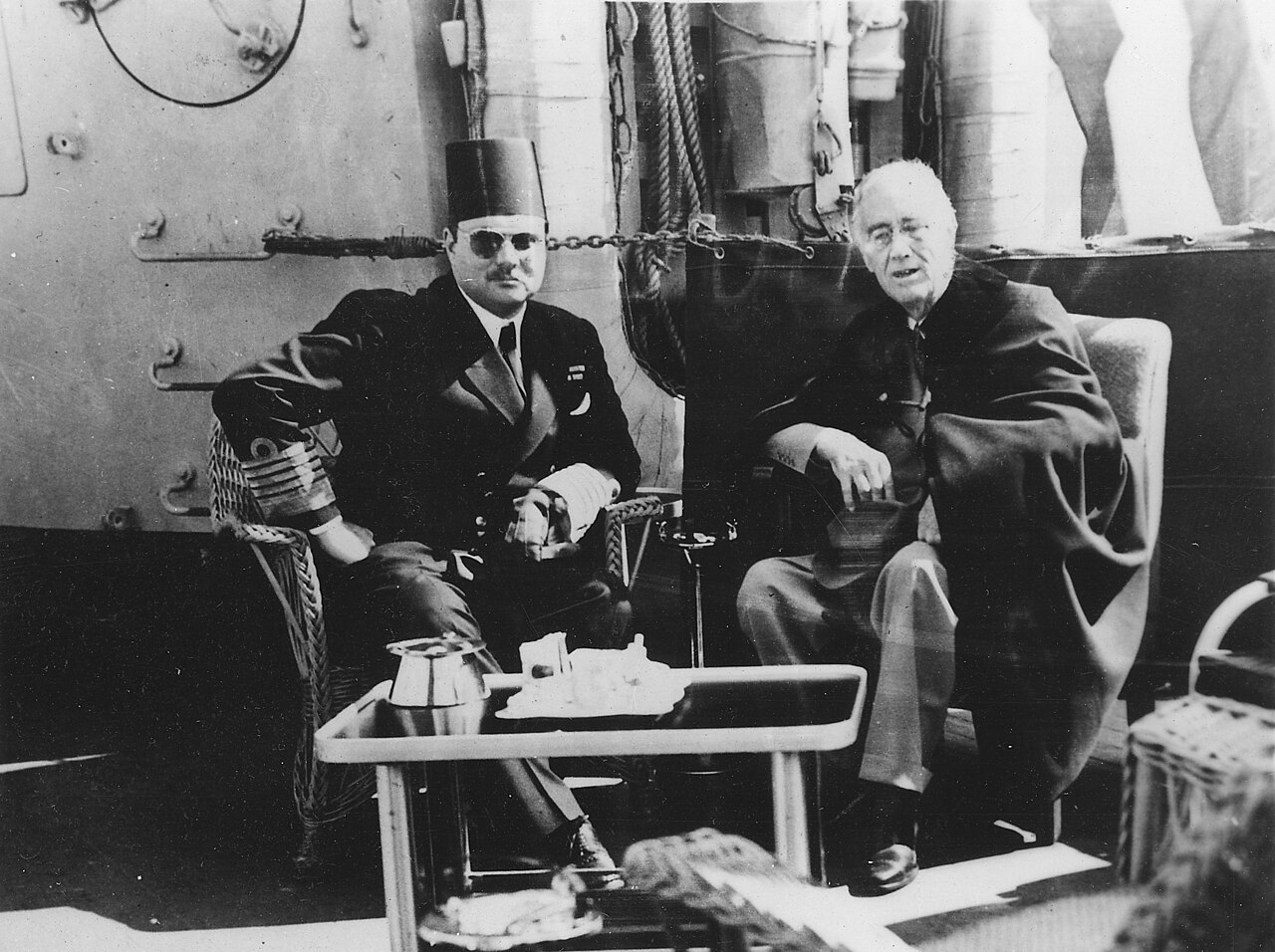
Franklin D. Roosevelt and King Farouk of Egypt at Great Bitter Lake
1945
 Photograph
Primary source
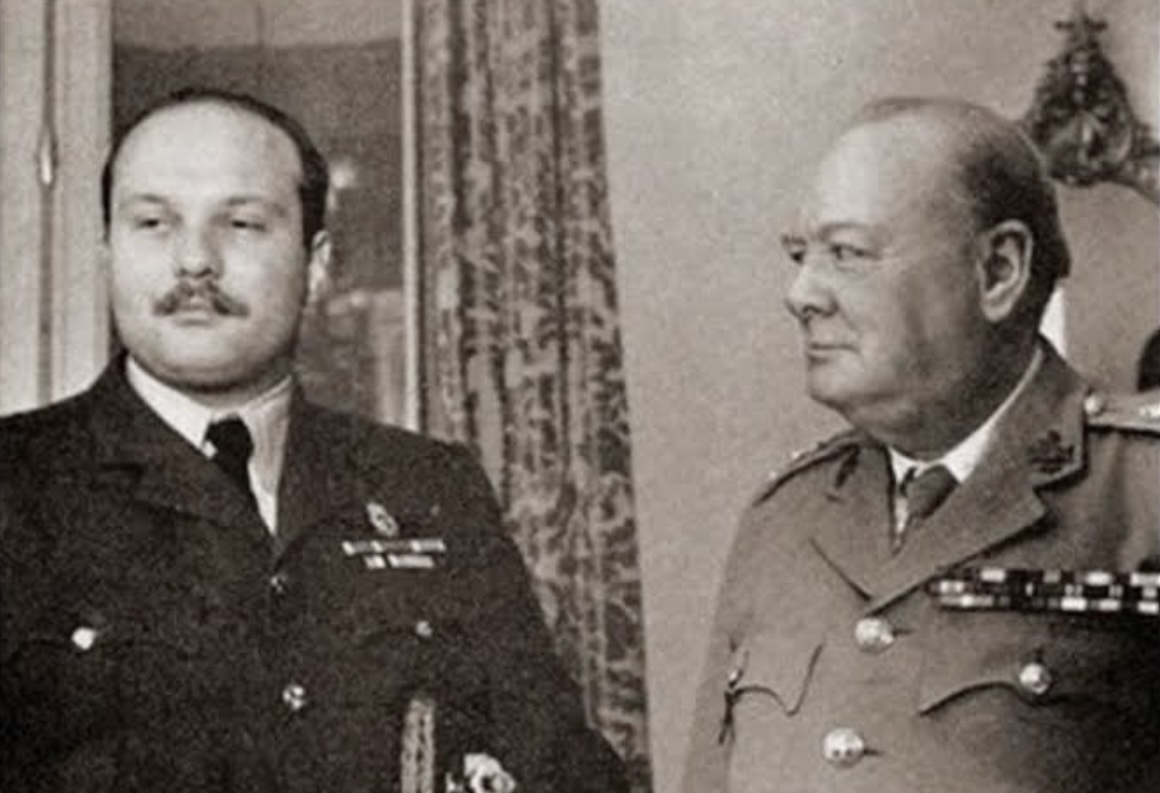
Farouk and Churchill in Cairo
 Photograph
Primary source
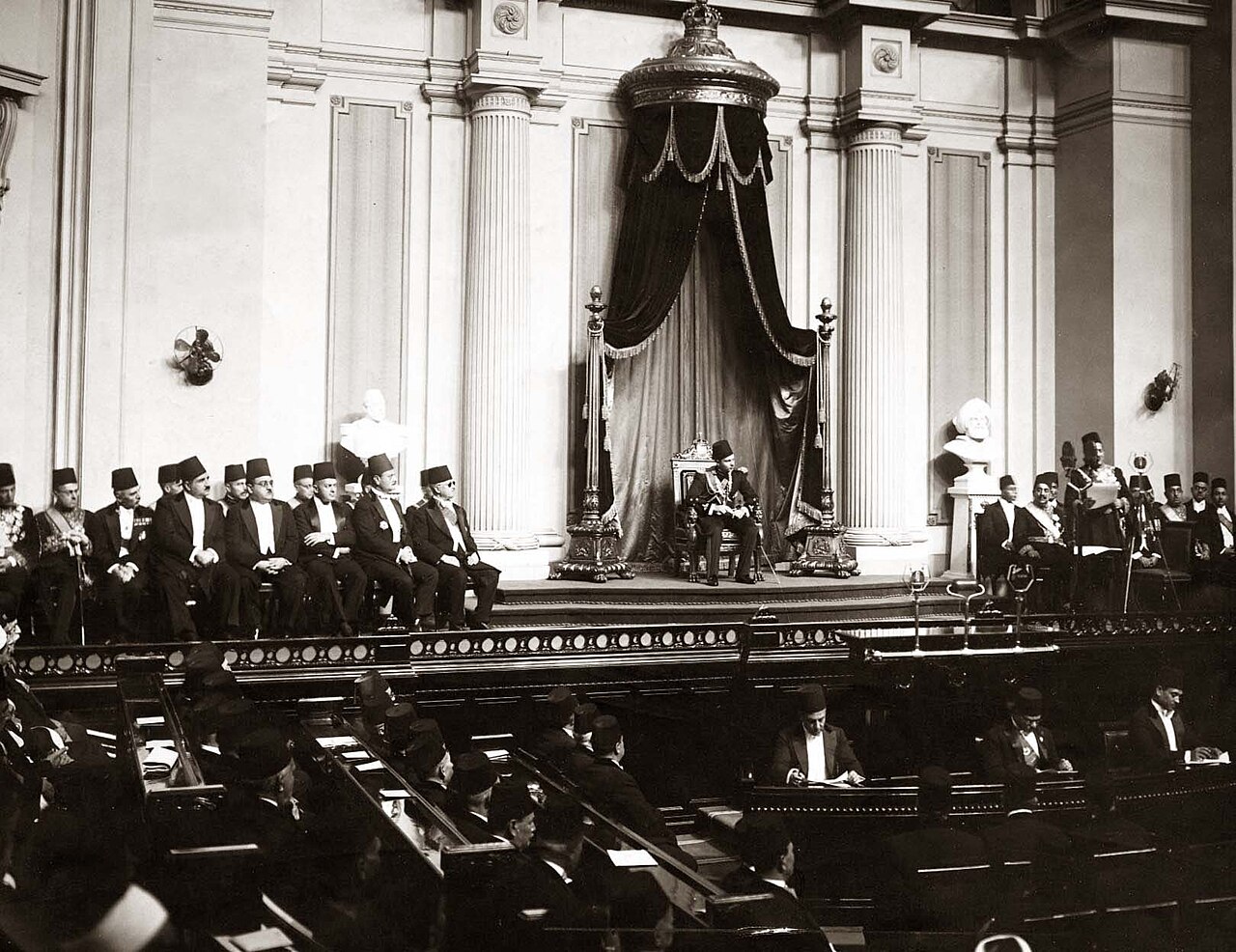
Farouk I in Parliament
Riad Shehata
Free account
Read every Farouk of Egypt source
Sign up free →
Ready when you are
Start chatting with Farouk of Egypt now.
20 messages free · No credit card · Available in 50+ languages.