


Secondary sourceDocument1886
The Swan from The Carnival of the Animals
Camille Saint-Saëns · 1886
A cello recording of The Swan, a movement from Saint-Saëns's suite The Carnival of the Animals.
This recording performs The Swan, a movement Saint-Saëns composed as part of his suite.
Free Humy account · No credit card · 120,912 sources to read
About this source
What it is
This is a recording for cello of The Swan, one movement from The Carnival of the Animals, a suite composed by Camille Saint-Saëns in 1886. The recording itself is a later performance, not made by the composer.
Why it matters
The Swan is the most famous single movement of the suite and shows Saint-Saëns's gift for melody and orchestration, written for solo cello over a flowing accompaniment. It remains one of his most widely performed pieces today.
Look closer
- What mood does the cello melody create, and how might that relate to the idea of a swan?
- This is a later performance — how might it differ from how the piece sounded in Saint-Saëns's own time?
- Why might this short piece have become more famous than the rest of the suite?
This document is part of the curated material that grounds the AI version of Camille Saint-Saëns on Humy.ai — when students ask about related events, the AI can quote it and cite it.
More Camille Saint-Saëns sources
Browse all 92 →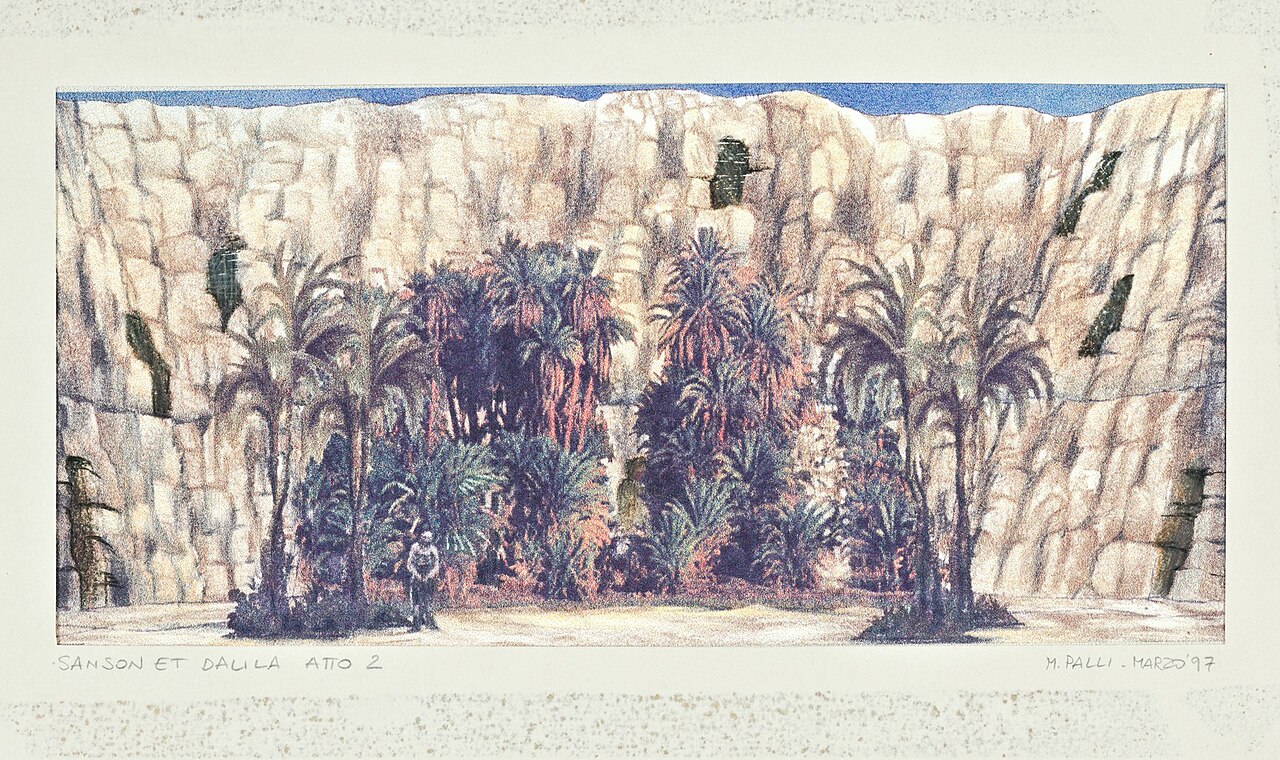 Document
Secondary source
Samson and Delilah
Camille Saint-Saëns · 1877 (premiere); composed from 1867
 Document
Primary source
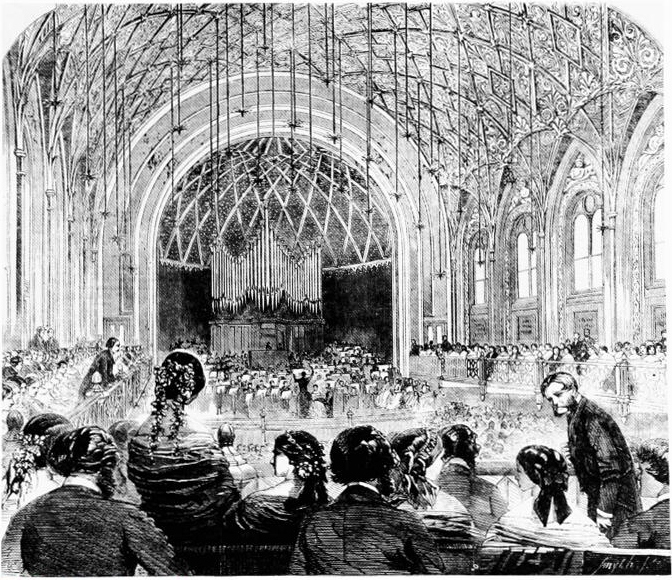
Symphony No. 3 (Organ Symphony)
Camille Saint-Saëns · 1886
Primary source
Musical Memories
Camille Saint-Saëns · published 1919 (English translation)
 Documentary
Primary source
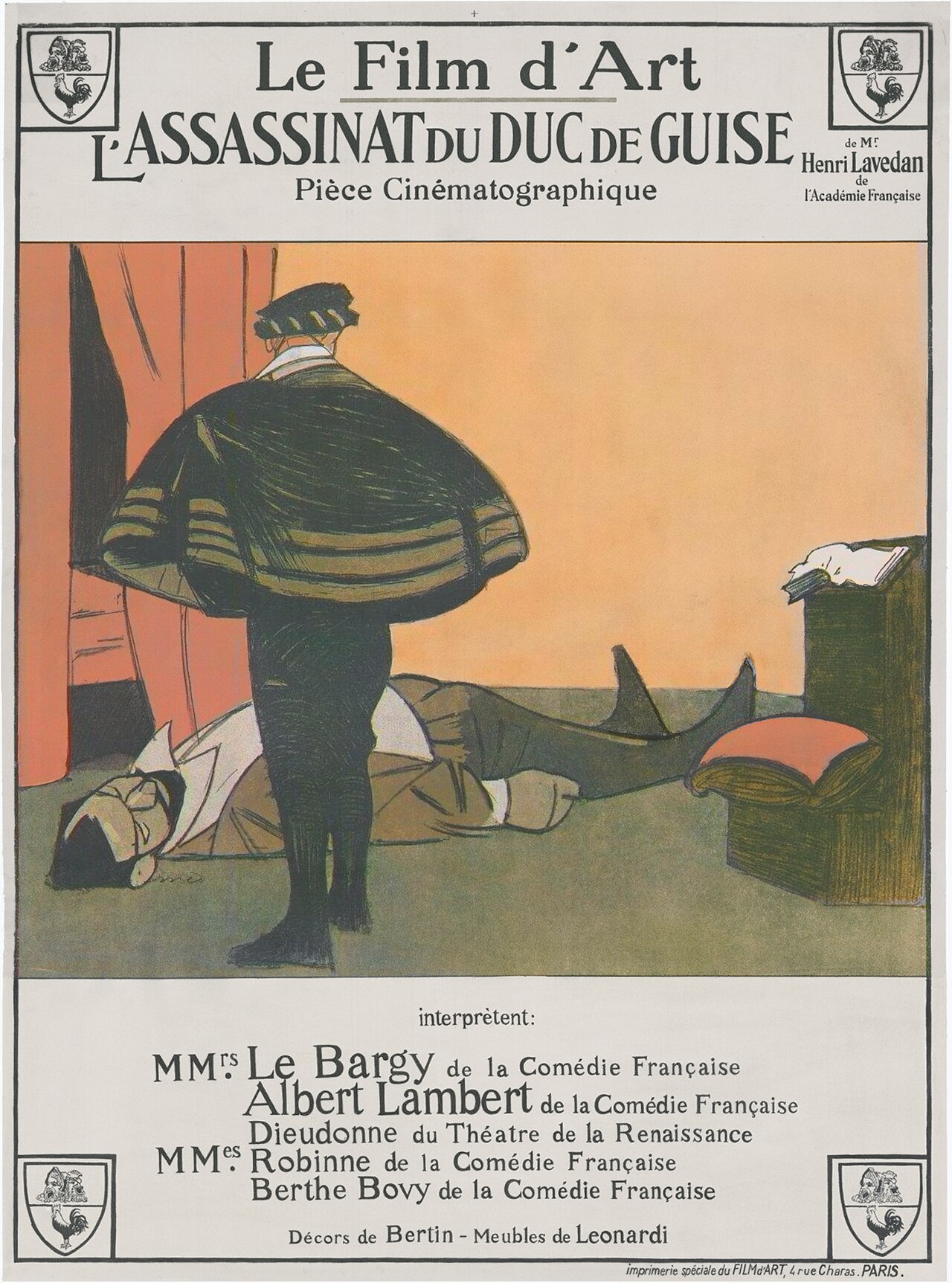
The Assassination of the Duke of Guise
Charles le Bargy and André Calmettes (film); score by Camille Saint-Saëns · 1908
Free account
Read every Camille Saint-Saëns source
Sign up free →
Ready when you are
Start chatting with Camille Saint-Saëns now.
20 messages free · No credit card · Available in 50+ languages.