


Primary sourceBook
The Tale of Melibee
Geoffrey Chaucer
A long prose tale that Chaucer assigns to himself as a pilgrim-narrator, debating revenge and prudence after a household is attacked.
Chaucer assigns this tale to his own pilgrim character, making it a rare case of him writing himself into his work.
Free Humy account · No credit card · 120,912 sources to read
About this source
What it is
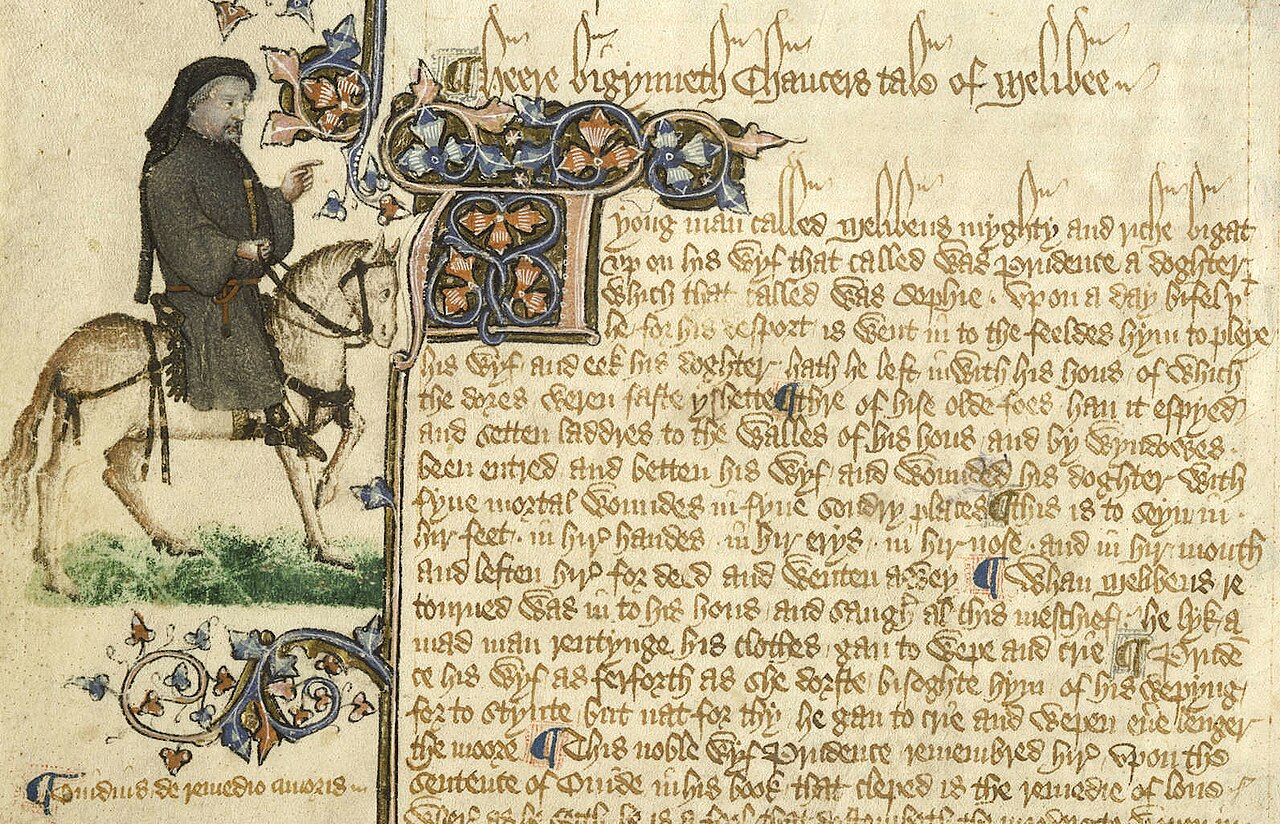
Written by Geoffrey Chaucer, this is the second tale told by Chaucer's own pilgrim-character after his first attempt, Sir Thopas, is mocked by the Host. It is a long prose debate between Melibee and his wife Dame Prudence about how to respond to an attack on their household.
Why it matters
The tale reflects the medieval genre of advice literature aimed at rulers and households, filled with proverbs and quotations from authorities and scripture. That Chaucer gives it to his own pilgrim persona, after being criticised for poor storytelling, shows him playing with ideas of authorship and self-mockery.
Look closer
- Why might Chaucer make fun of his own poetic skill through the Host's criticism?
- What does Dame Prudence's argument for restraint over revenge tell us about ideals valued at the time?
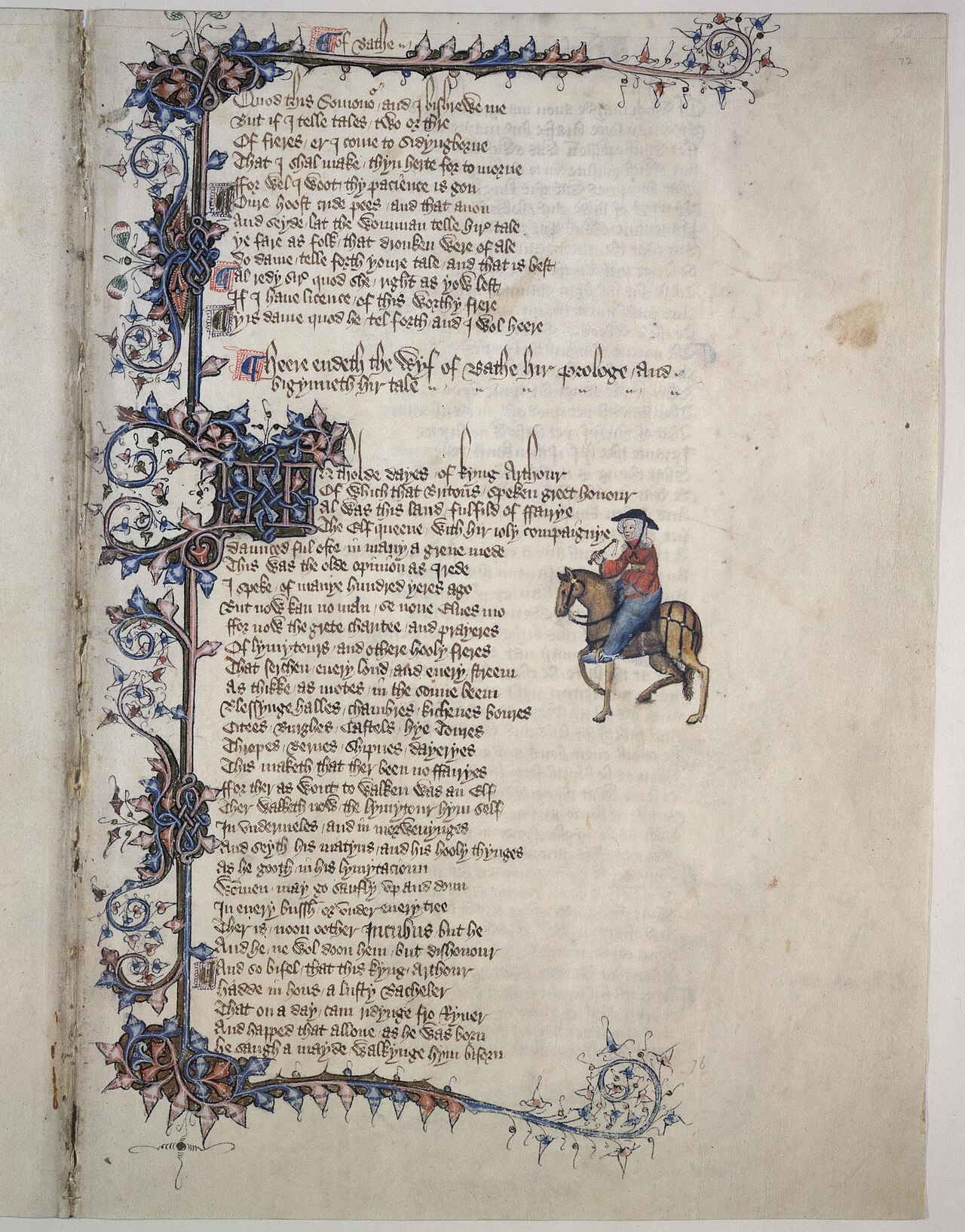
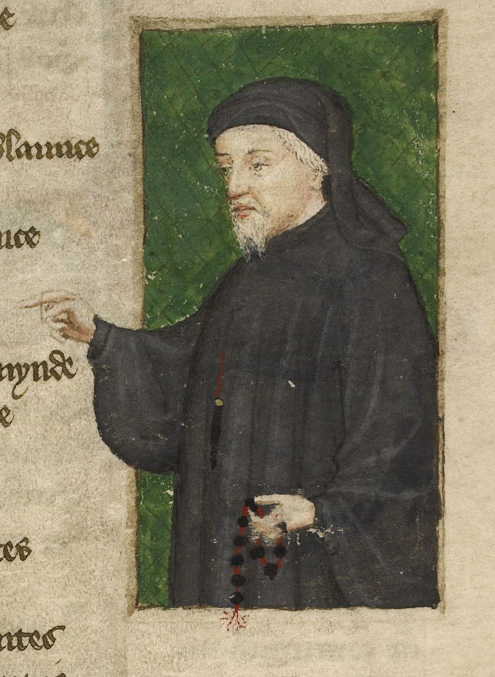
- How does the manuscript page's decoration and portrait of Chaucer-as-pilgrim shape how we imagine the author?
This book is part of the curated material that grounds the AI version of Geoffrey Chaucer on Humy.ai — when students ask about related events, the AI can quote it and cite it.
More Geoffrey Chaucer sources
Browse all 95 →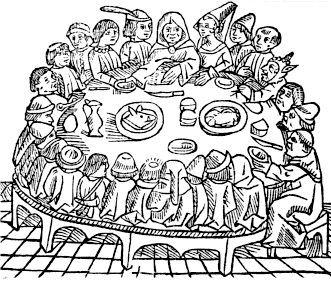 Book
Primary source
The Canterbury Tales
Geoffrey Chaucer · 1387-1400
 Book
Secondary source
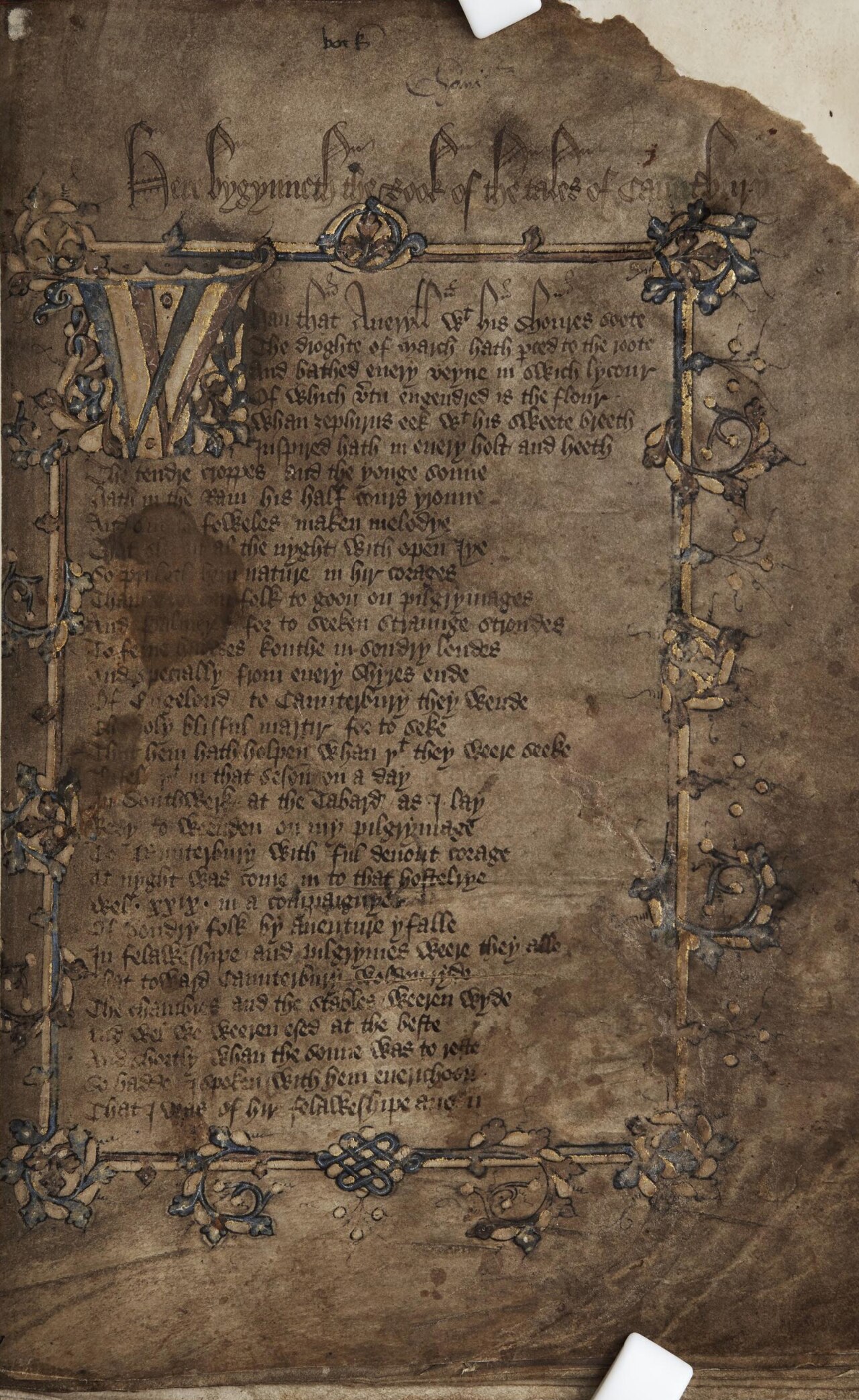
General Prologue
Geoffrey Chaucer · 1389
 Book
Secondary source
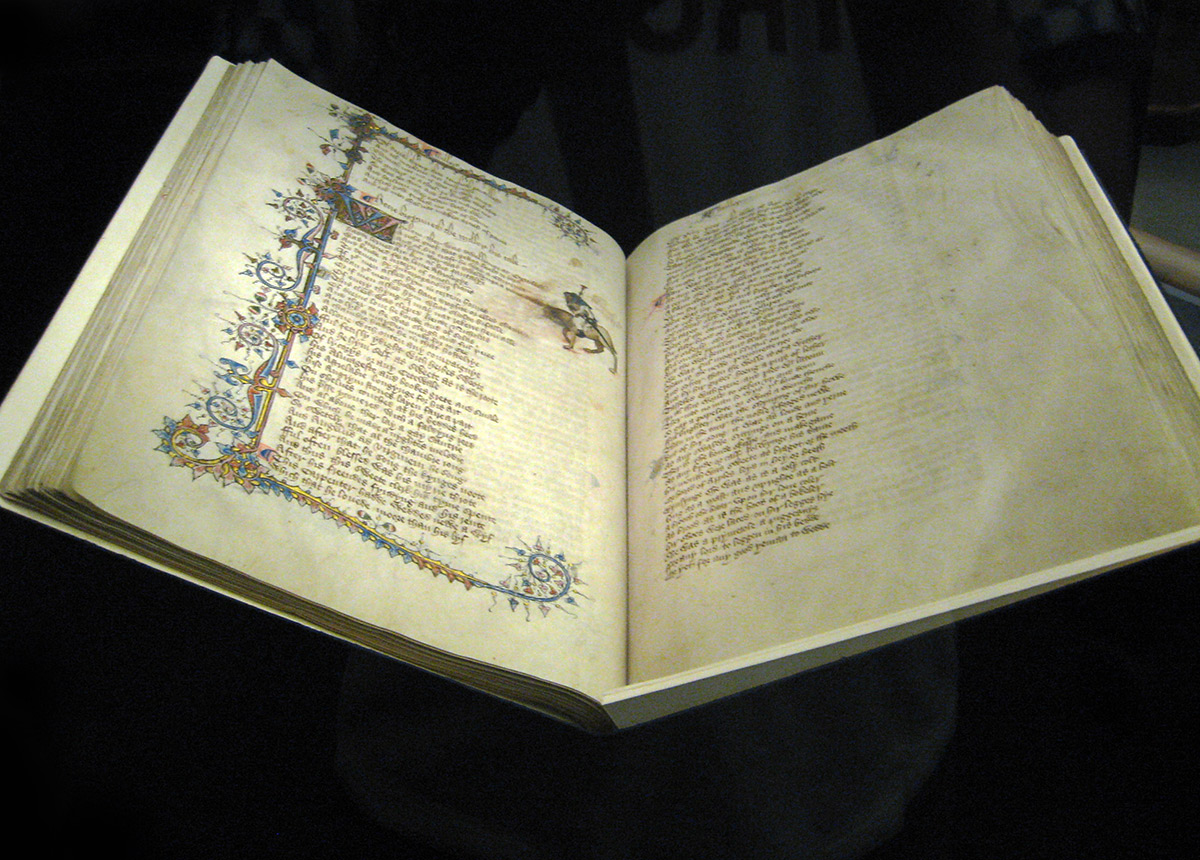
Ellesmere Chaucer
c. 1405
BookPrimary source
Hengwrt Chaucer
Geoffrey Chaucer · c. 1400
Free account
Read every Geoffrey Chaucer source
Sign up free →
Ready when you are
Start chatting with Geoffrey Chaucer now.
20 messages free · No credit card · Available in 50+ languages.