


Primary sourcePaintingc. 1848
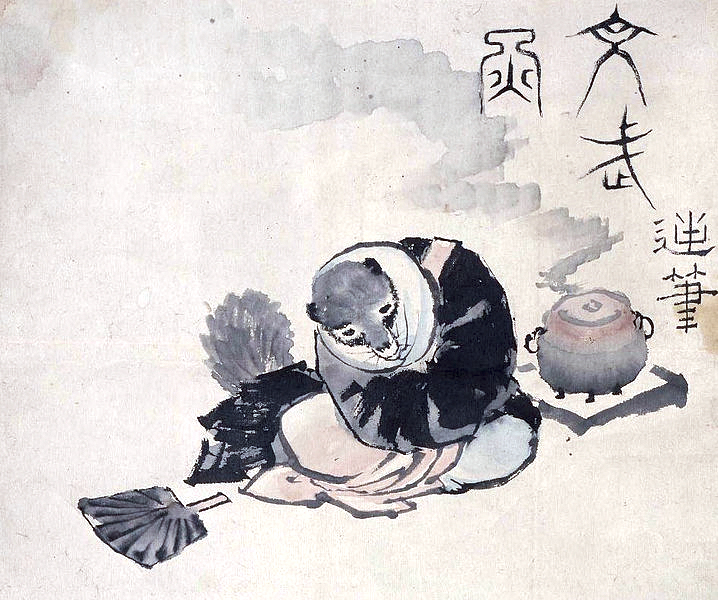
The Tea-Kettle Raccoon
Katsushika Hokusai · c. 1848
A hanging scroll painting by Hokusai, made upside down, depicting the Japanese legend of a tanuki transformed into a monk with a tea kettle.
Hokusai painted this scroll near the end of his life, showing his continued skill and interest in folklore.
About this source
What it is
This is a hanging scroll painted by Katsushika Hokusai around 1848, held in the William Sturgis Bigelow Collection. The ink painting shows a tanuki, a raccoon-dog, transformed into a hooded monk kneeling beside a steaming iron tea kettle, alluding to the Japanese legend of Bunbuku Chagama at Morin-ji temple. The title notes that it was painted upside down.
Why it matters
This work shows Hokusai's playful skill and his engagement with Japanese folklore late in life. Painting a scene upside down was a display of technical virtuosity, showing how he continued to experiment even near the end of his career.
Look closer
- What details tell you this figure is meant to be a tanuki rather than a human monk?
- Why might an artist choose to paint a scene upside down as a demonstration of skill?
- What does the choice of a folk legend as subject matter suggest about Hokusai's audience?
This painting is part of the curated material that grounds the AI version of Hokusai on Humy.ai — when students ask about related events, the AI can quote it and cite it.
More Hokusai sources
Meet the AI Hokusai →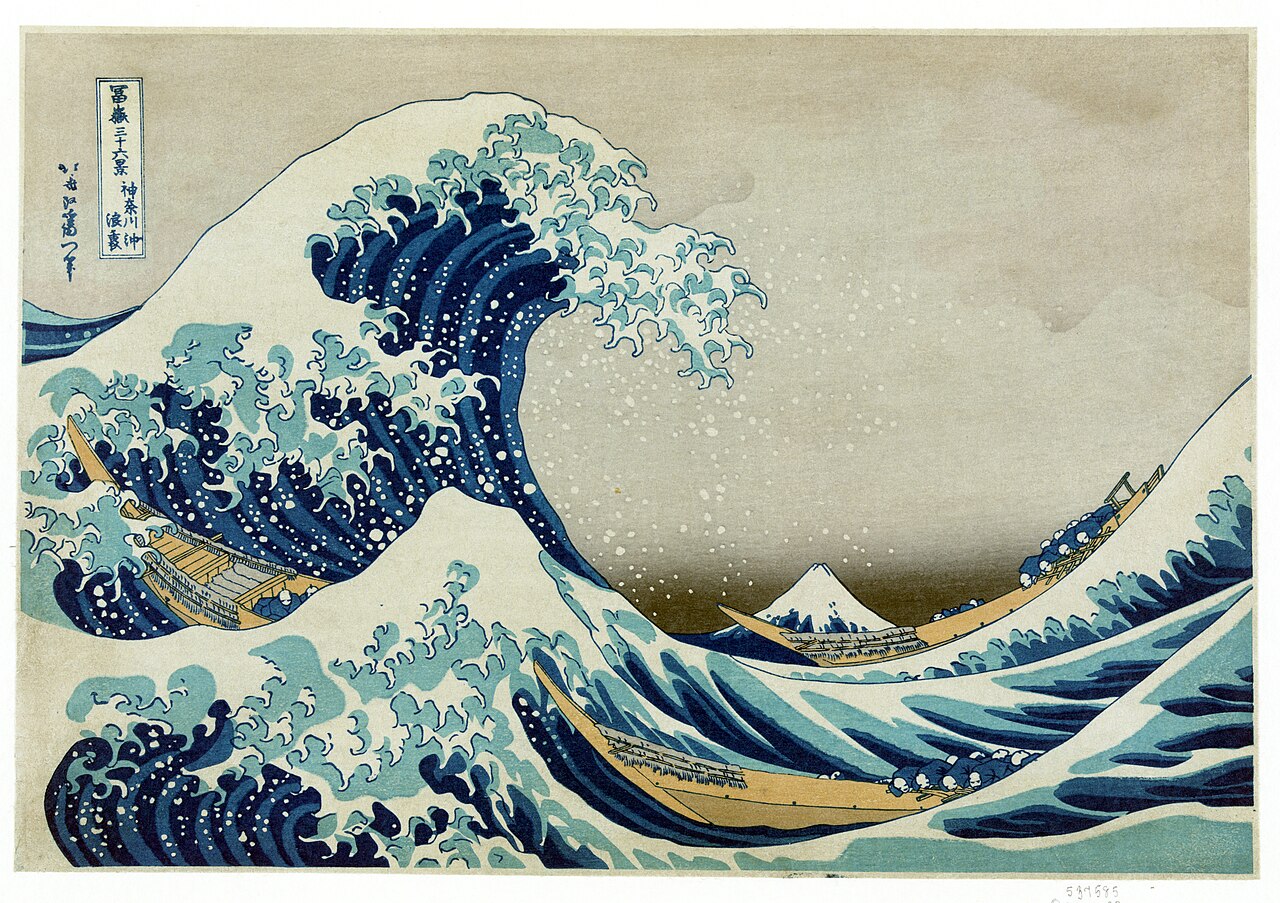 Painting
Primary source
The Great Wave off Kanagawa
Katsushika Hokusai · 1830
 Painting
Primary source
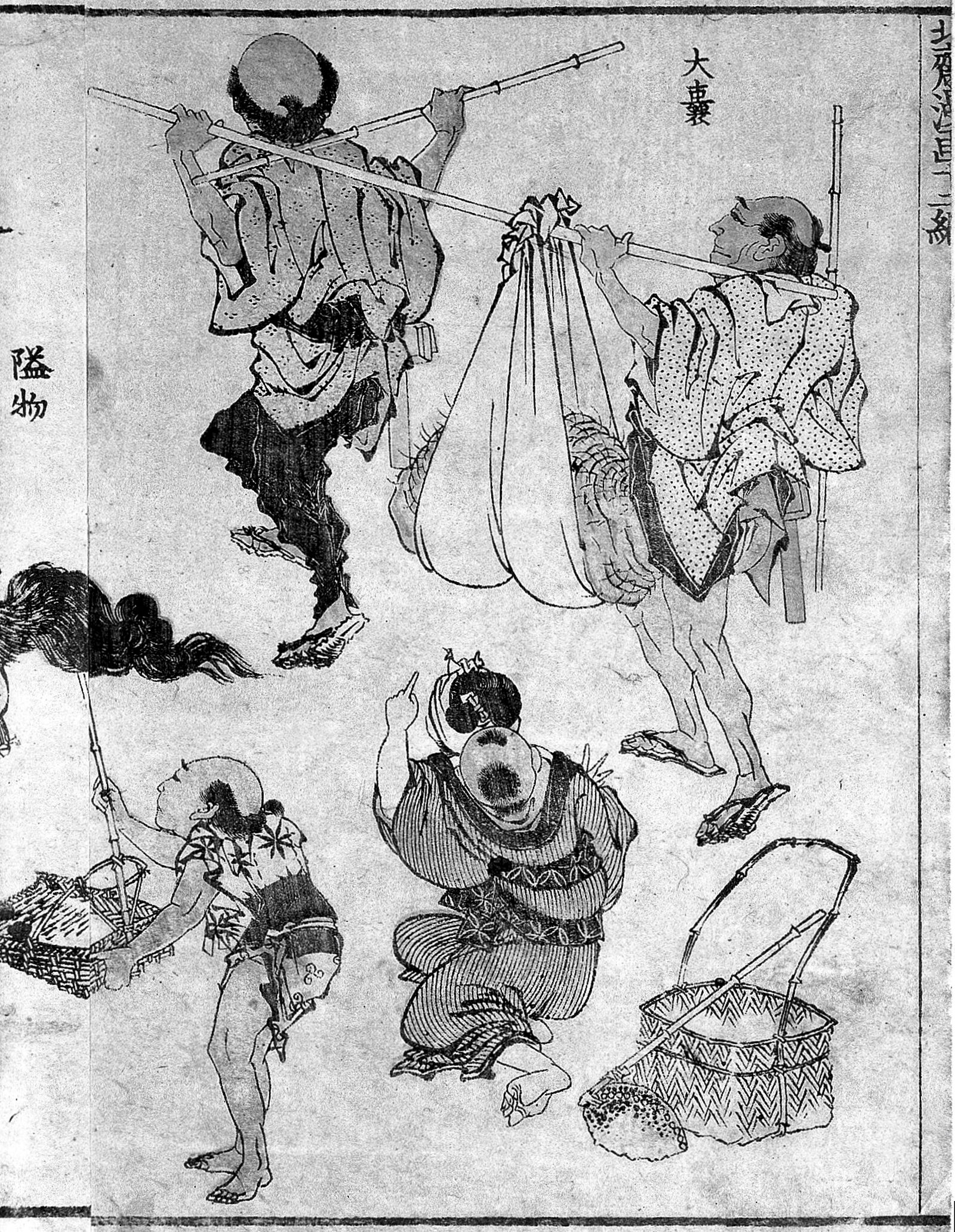
Man with Filarial Elephantiasis
Katsushika Hokusai · 1834
 Painting
Primary source
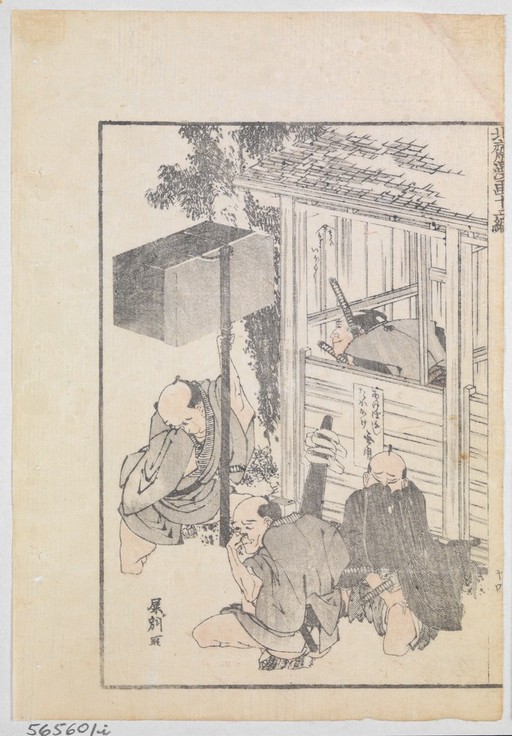
Samurai Visiting a Latrine
Hokusai Katsushika · 1834
 Painting
Primary source
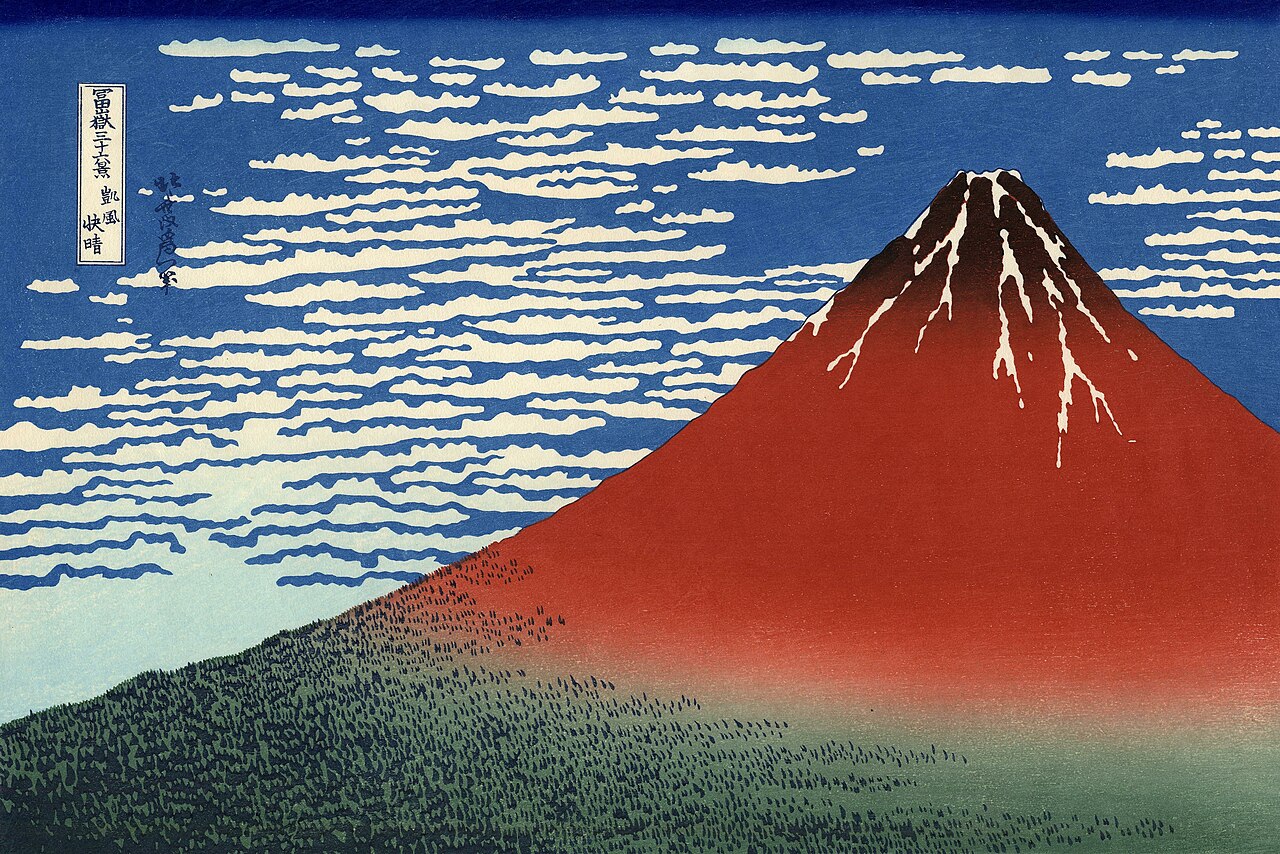
Thirty-six Views of Mount Fuji
Katsushika Hokusai · c. 1830-1832
 Painting
Primary source
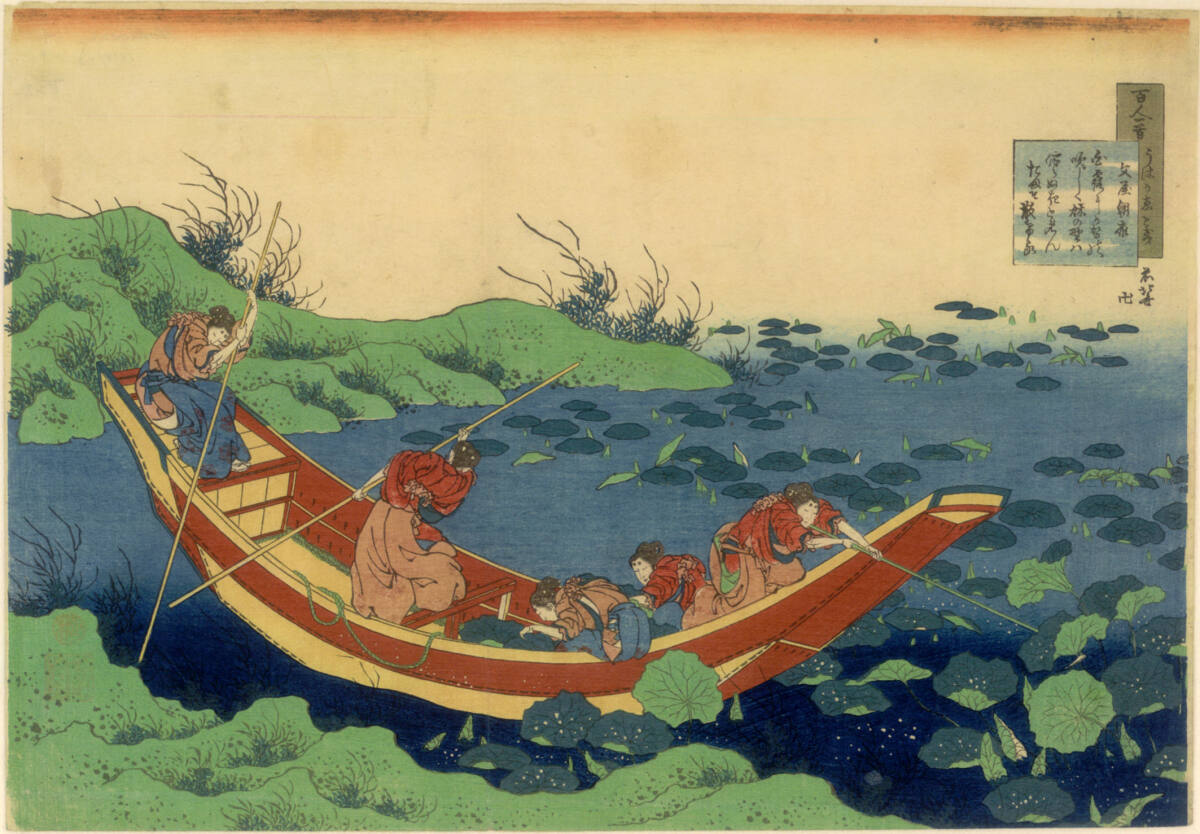
Women in a Rowing Boat on a Lotus Pond
Hokusai Katsushika
Ready when you are
Start chatting with Hokusai now.
20 messages free · No credit card · Available in 50+ languages.