


Primary sourceSculpture1810
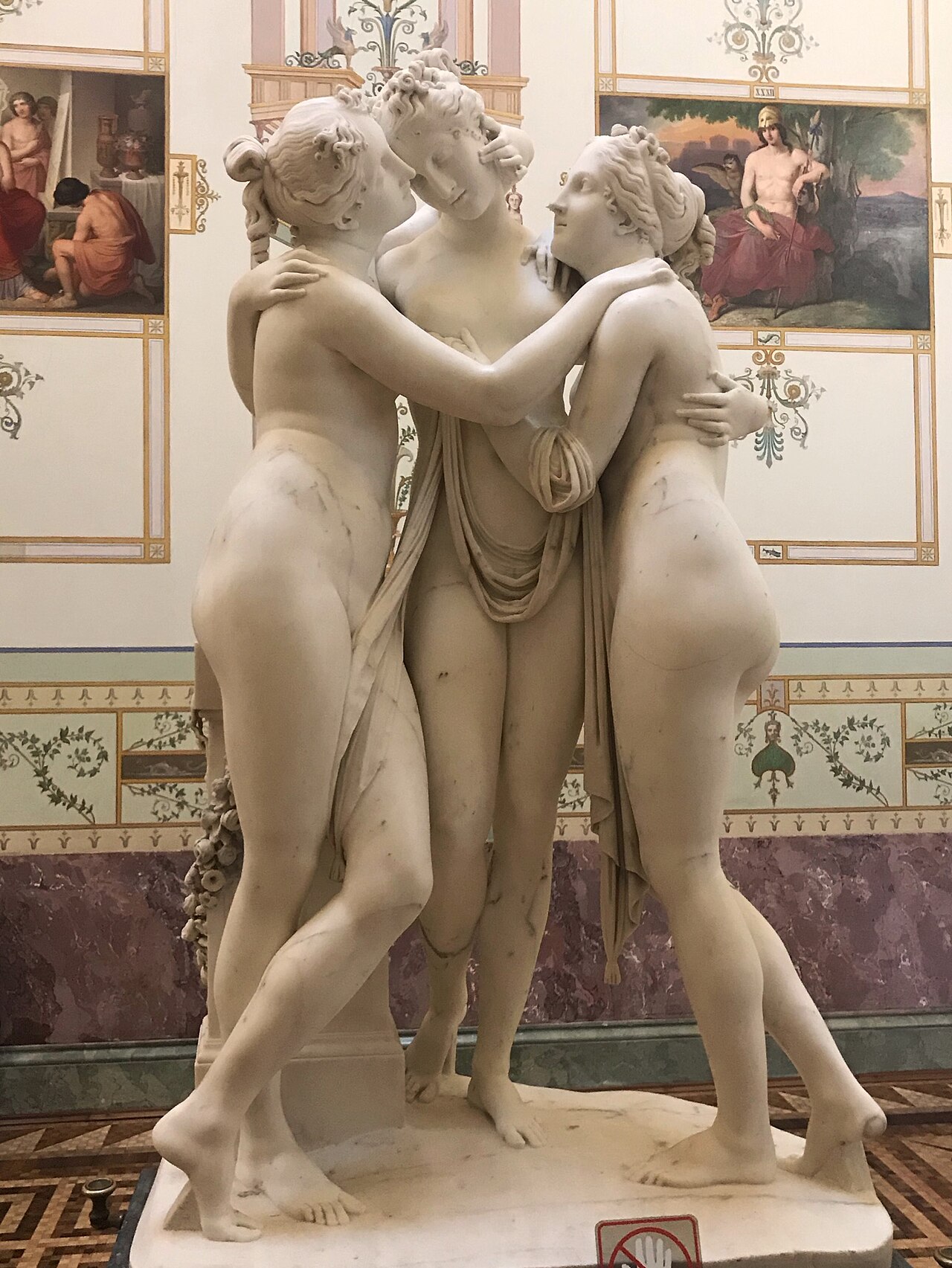
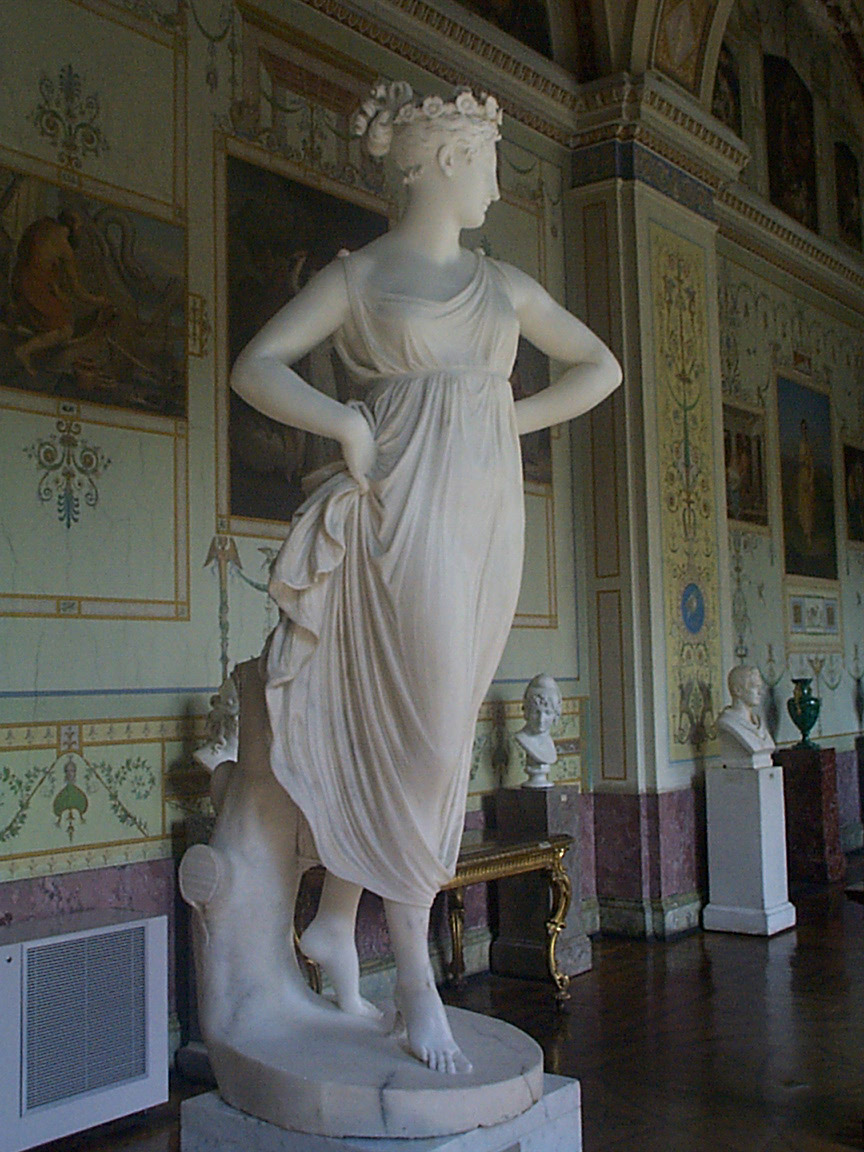
The Three Graces
Antonio Canova · 1810
A marble sculpture group by Antonio Canova depicting the three mythological Graces, commissioned by Joséphine but finished only after her death.
Joséphine commissioned this sculpture from Canova, showing her patronage of leading Neoclassical artists.
About this source
What it is
This is a marble sculpture by Antonio Canova, completed in 1810, showing three nude female figures embracing in a close group. It is now held in the Hermitage Museum.
Why it matters
Joséphine commissioned this work from Canova, one of the most celebrated Neoclassical sculptors of the age, showing her role as a major patron of the arts. The piece was only finished after her death, which reminds us that artistic commissions could outlast the patrons who ordered them.
Look closer
- What does the pose and closeness of the three figures suggest about the subject?
- Why might an empress want to commission a work based on a classical myth?
- What does commissioning art like this tell us about a ruler's image and wealth?
This sculpture is part of the curated material that grounds the AI version of Joséphine de Beauharnais on Humy.ai — when students ask about related events, the AI can quote it and cite it.
More Joséphine de Beauharnais sources
Browse all 94 →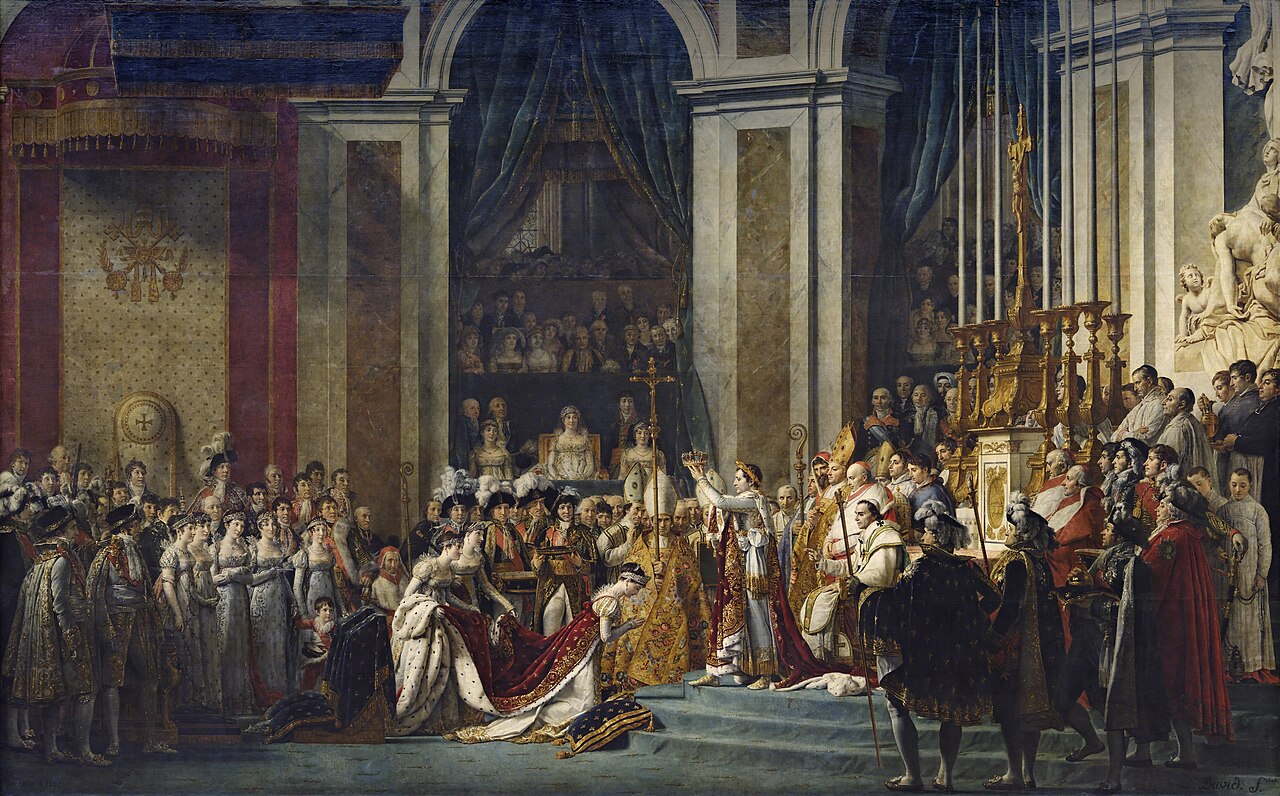 Painting
Primary source
The Coronation of Napoleon
Jacques-Louis David · 1807
 Letter
Primary source
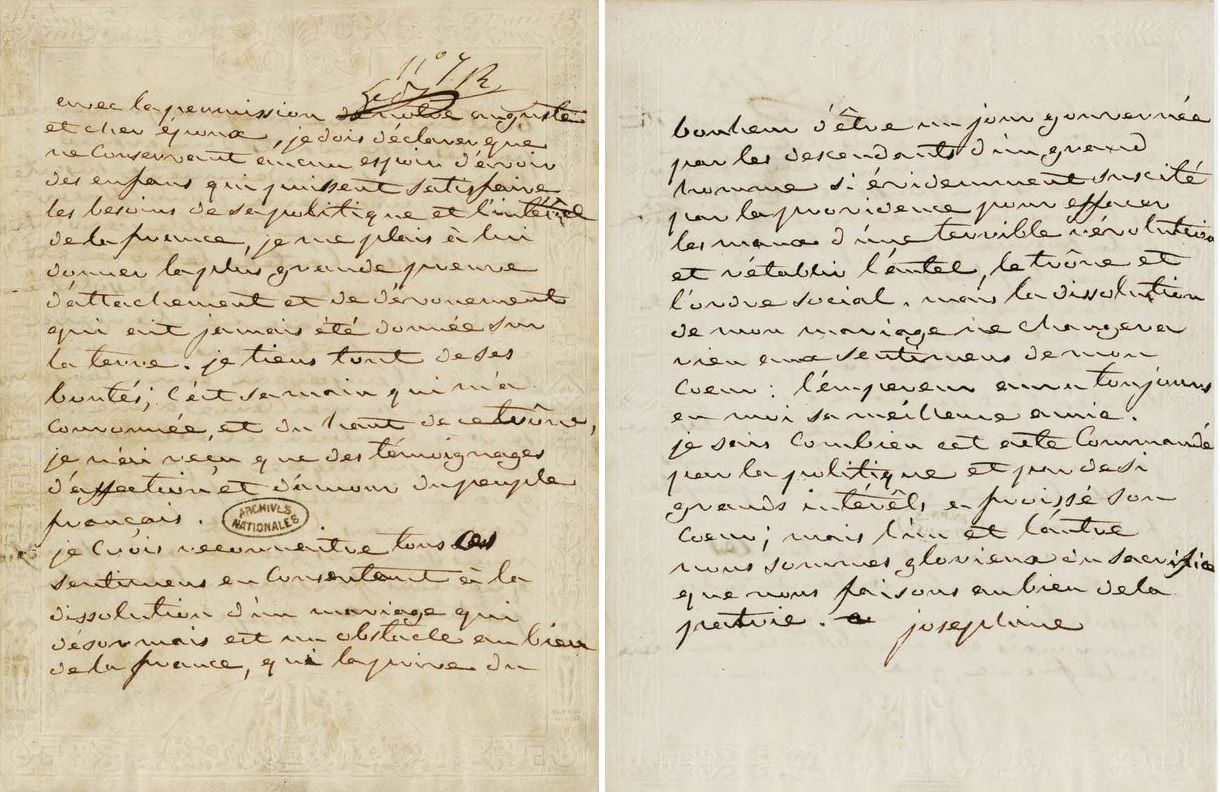
Letter of Consent to the Dissolution of Her Marriage
Joséphine de Beauharnais · 15 December 1809
 Artifact
Primary source
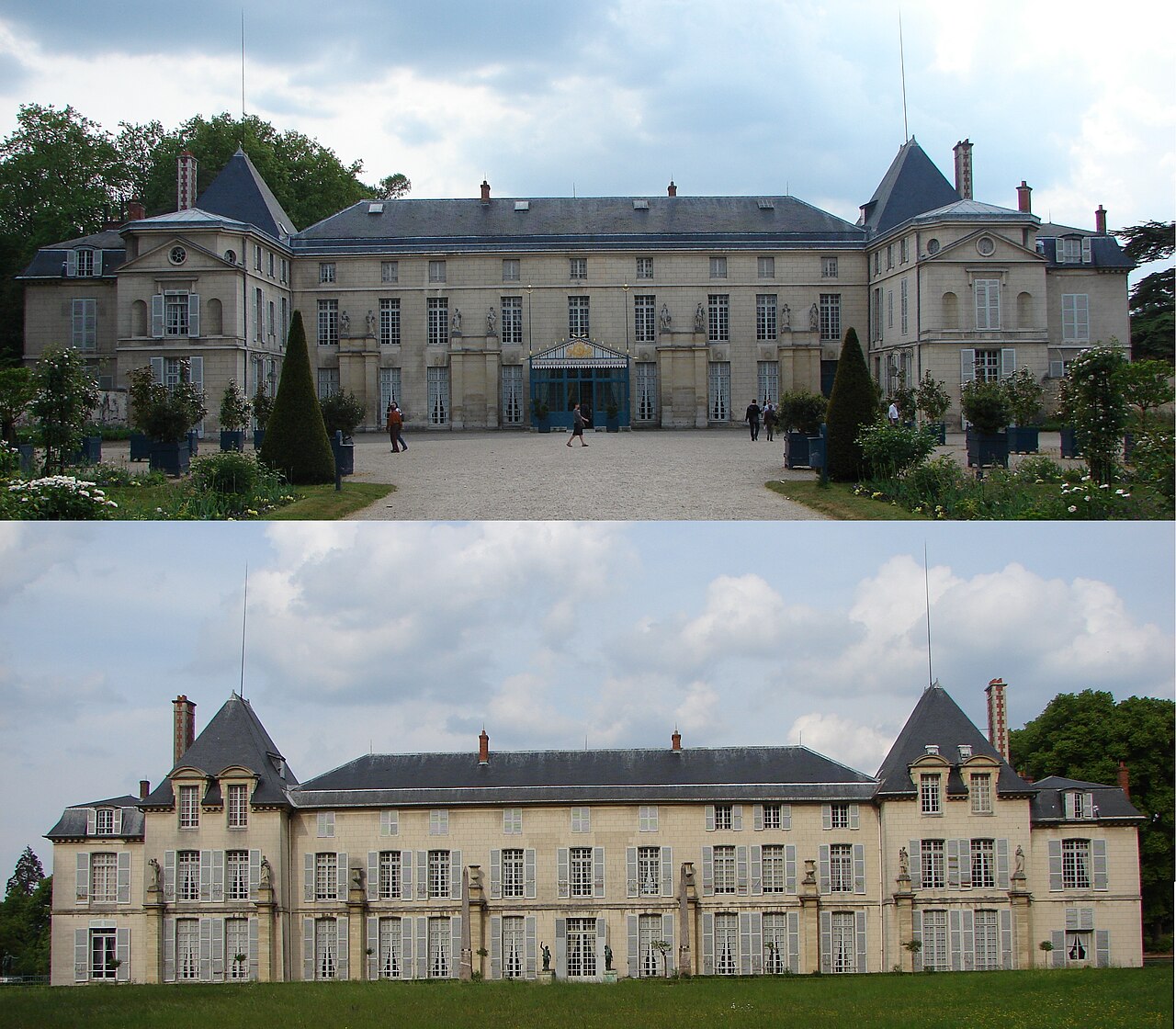
Château de Malmaison
1700 (purchased 1799)
 Painting
Primary source
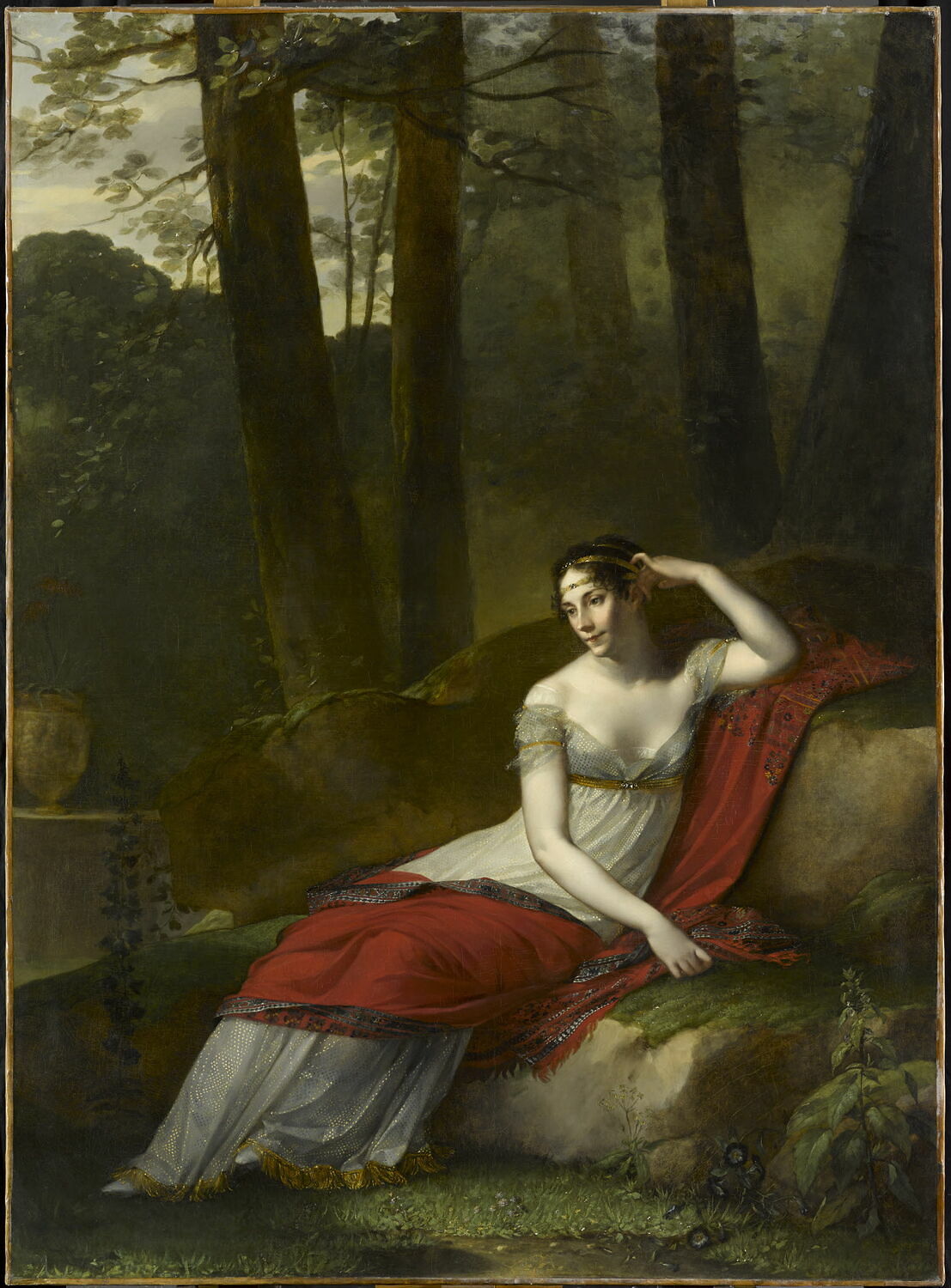
The Empress Joséphine
Pierre-Paul Prud'hon · 1805
Free account
Read every Joséphine de Beauharnais source
Sign up free →
Ready when you are
Start chatting with Joséphine de Beauharnais now.
20 messages free · No credit card · Available in 50+ languages.