


Secondary sourcePhotograph1850–1900
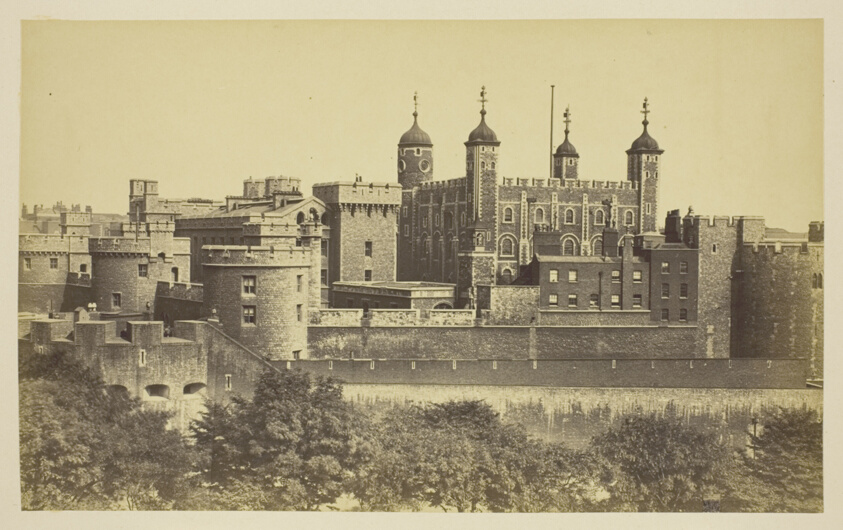
The Tower of London, albumen photograph, 1850-1900
1850–1900
A sepia albumen photograph of the Tower of London taken in the second half of the nineteenth century. It shows the fortress from across its moat, long after Edward V's time.
It shows the Tower where Edward V was lodged, but as a Victorian view taken centuries after his time there.
About this source
What it is
This is a sepia albumen print of the Tower of London, seen from across its moat. The White Tower rises at the centre with corner turrets and pointed spires, with stone walls, towers and brick buildings around it and trees in the foreground. It comes from an album titled Views of London. The photographer is unknown, and the Art Institute of Chicago holds it. It is dated 1850 to 1900.
Why it matters
Edward V was held in the Tower in 1483, several centuries before this photograph was taken. The picture shows the Tower as Victorian visitors saw it, and it tells us how the building was being presented to the public in the nineteenth century. It is a later view of the place, not a record of the young king's time there.
Look closer
- Which parts of the Tower look old, and which look like later additions?
- Why might an album of London views have been made and who was it for?
- What does the photograph leave out, such as the people who lived or worked there?
This photograph is part of the curated material that grounds the AI version of Edward V on Humy.ai — when students ask about related events, the AI can quote it and cite it.
More Edward V sources
Browse all 78 →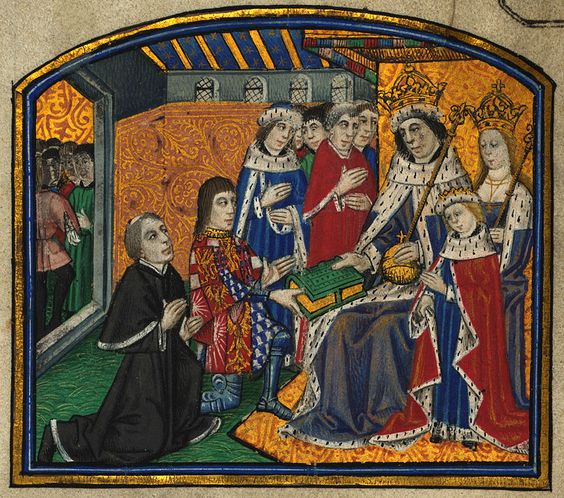 Painting
Primary source
Rivers and Caxton Presenting a Book to Edward IV
Lorenzo Lippi · 1477
Secondary source
Titulus Regius
1483
 Document
Primary source
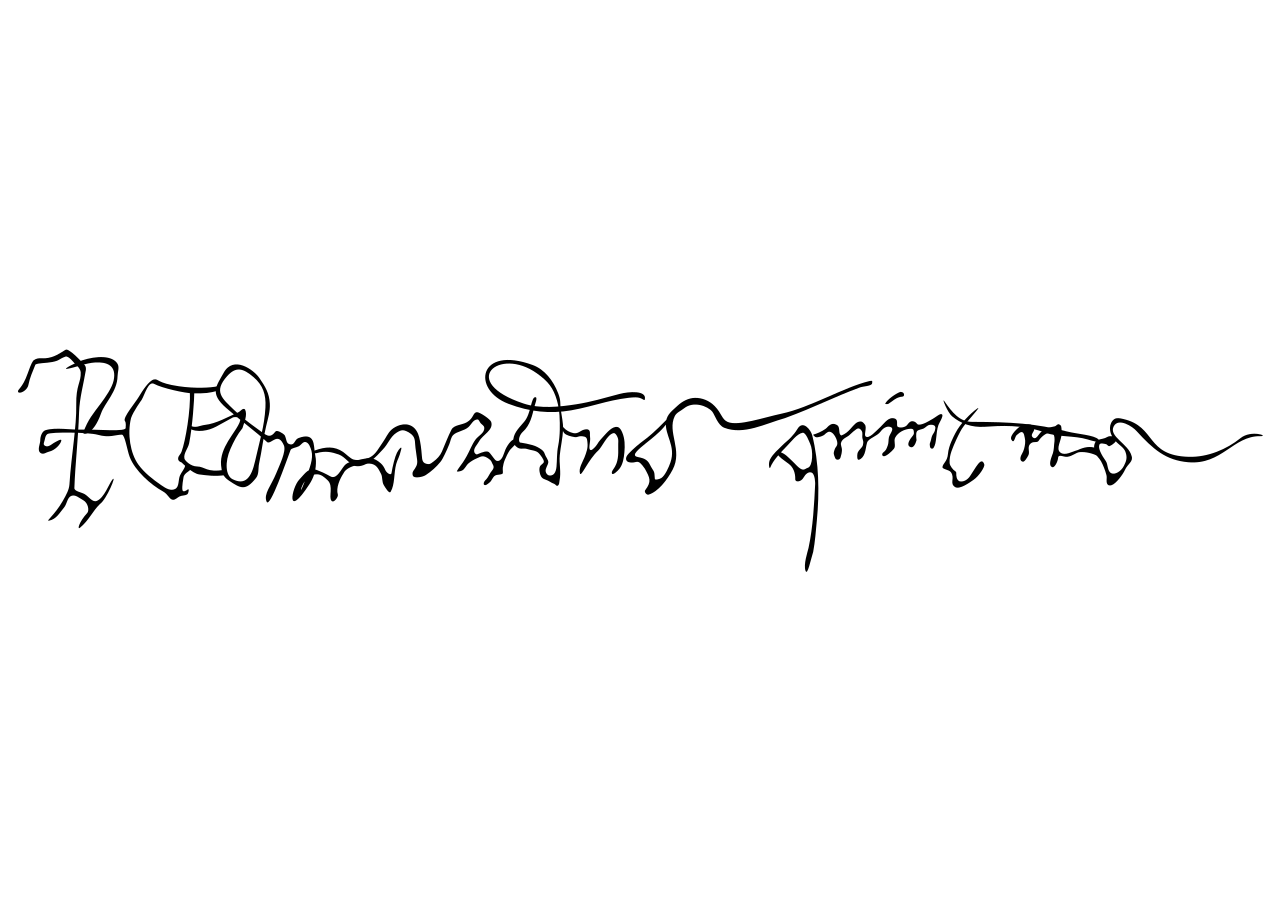
Signature of Edward V of England
Edward V of England · 1483
 Book
Secondary source
Mémoires of Philippe de Commynes
Philippe de Commynes · c. 1489–1498
Free account
Read every Edward V source
Sign up free →
Ready when you are
Start chatting with Edward V now.
20 messages free · No credit card · Available in 50+ languages.